

How to protect baby hearing at home and outdoors
Does protecting a baby’s hearing really matter in daily life?
How to protect baby hearing means reducing exposure to everyday sounds that exceed safe noise levels for newborns. Consistent infant noise protection at home and outdoors helps protect baby ears from loud sounds, supports better sleep, and lowers the risk of long-term hearing sensitivity during early development.
How to protect baby hearing at home and outdoors
How to protect baby hearing starts with awareness. Many everyday sounds feel harmless to adults but can overwhelm a newborn’s delicate ears. From household appliances to traffic noise, small changes and the right tools help protect baby ears from loud sounds while still enjoying daily routines and family adventures.
⏱ 7 min read
👉 Wondering if your baby’s environment is quieter than it feels? Keep reading.
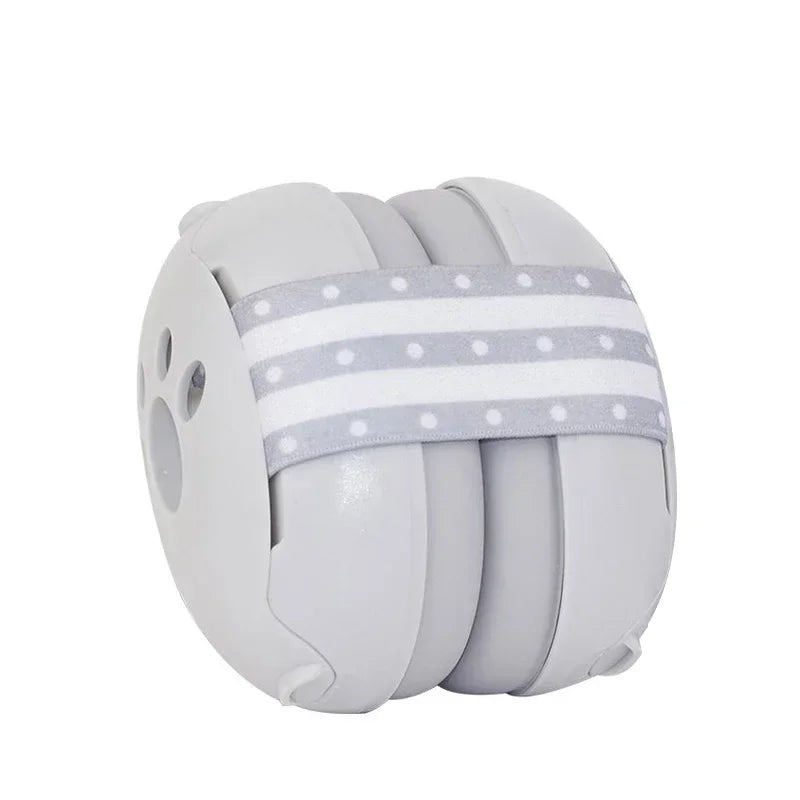
How to protect baby hearing at home using simple infant noise protection 💡 See it in action
Why baby hearing is more delicate than you think
Newborn ears are still developing. Unlike adults, babies cannot filter background noise or move away from uncomfortable sounds. This makes them especially sensitive to sudden or sustained loud environments.
Repeated exposure to noise above safe thresholds can disrupt sleep, increase stress responses, and affect early sensory development. Understanding how to protect baby hearing early helps parents build calmer, safer routines.
Parents often focus on temperature, feeding, and sleep, but sound is just as important. Many families discover this only after noticing fussiness or poor naps linked to noise.
What are safe noise levels for newborns?
How to protect baby hearing begins with knowing safe noise levels for newborns. Sounds below 50–60 decibels are generally comfortable, similar to quiet conversation. Prolonged exposure above 70 decibels can strain infant ears, especially during sleep or rest periods.
- Quiet room: ~30–40 dB
- Normal conversation: ~50–60 dB
- Traffic or vacuum: ~70–85 dB
- Concerts or fireworks: 100+ dB
Many household and outdoor sounds unexpectedly exceed these limits. Awareness helps parents act before discomfort becomes distress.
How to protect baby hearing at home
How to protect baby hearing at home involves reducing background noise and managing sudden sound spikes. Small adjustments create a calmer environment without changing your lifestyle.
- Lower appliance volume or use them when baby is in another room.
- Close doors during noisy tasks like blending or vacuuming.
- Use soft furnishings to absorb echo and sharp sounds.
- Monitor white noise levels and keep them low and consistent.
Parents browsing Baby Care Essentials often look for products that support quieter routines, especially during naps and nighttime.
Many families notice improved sleep quality once noise awareness becomes part of daily care.
Managing noise during sleep and naps
Sleep is when babies are most vulnerable to sound disruption. Sudden noises can startle them awake, leading to shorter sleep cycles and overtired evenings.
Using consistent routines, soft background sounds, and gentle noise buffering tools helps protect baby ears from loud sounds without complete silence.
How to protect baby hearing outdoors
Outdoor environments are unpredictable. Traffic, crowds, and events often exceed safe noise levels for newborns within seconds.
How to protect baby hearing outdoors means planning ahead and having infant noise protection ready when needed.
- Avoid standing near speakers or engines.
- Limit time in busy, echo-filled spaces.
- Use protective gear during travel, events, or city walks.
Parents exploring Health & Safety solutions often prioritize portable protection that fits strollers and carriers easily.
Why noise-reduction earmuffs make a difference
How to protect baby hearing becomes easier with properly designed noise-reduction earmuffs. These tools lower harmful decibel levels without blocking all sound, helping babies stay calm and aware.
Unlike improvised solutions, earmuffs designed for infants provide consistent pressure, lightweight comfort, and a secure fit.
| Feature | Benefit for baby |
|---|---|
| Soft padded cups | Comfortable for extended wear |
| Adjustable headband | Grows with your baby |
| Noise reduction rating | Protects baby ears from loud sounds |
Many parents choose baby noise reduction earmuffs for travel, celebrations, and busy outings.
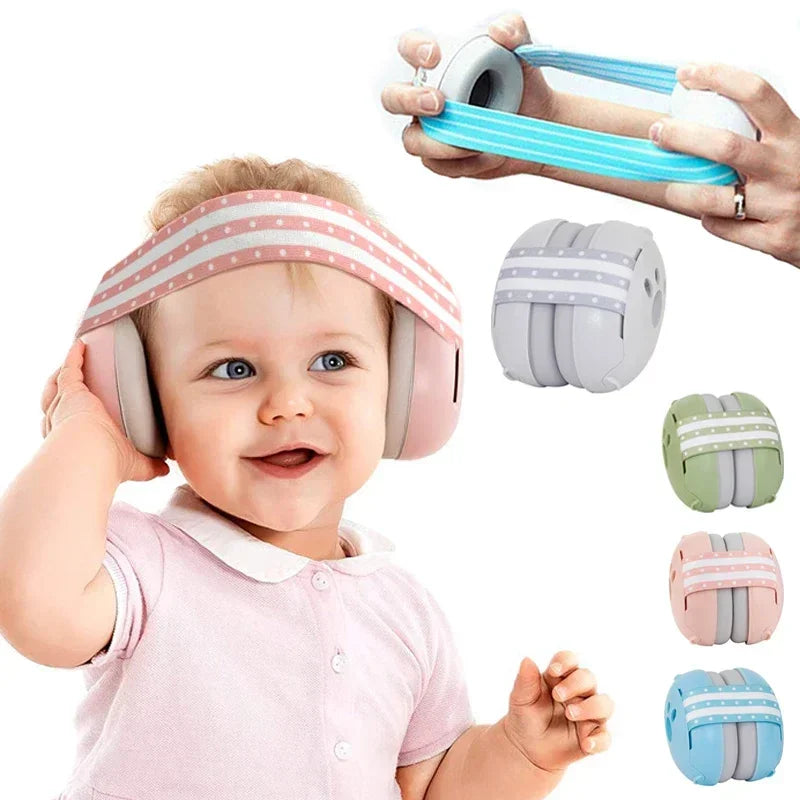
Infant noise protection for outings and travel 💡 See it in action
Step-by-step daily hearing protection routine
How to protect baby hearing works best when it becomes routine rather than reactive. A simple daily approach reduces stress for both parents and baby.
- Scan your environment for sudden or sustained noise.
- Move baby away from loud sources when possible.
- Use earmuffs during unavoidable noise exposure.
- Observe baby’s cues and adjust as needed.
Parents who combine awareness with the right tools often report calmer outings and fewer sleep disruptions.
Exploring Sleep & Comfort collections can also support quieter, more soothing routines.
Common mistakes parents make
Even well-intentioned parents sometimes overlook noise risks. Understanding these common mistakes helps protect baby ears from loud sounds more effectively.
- Assuming short exposure doesn’t matter.
- Placing baby too close to speakers or TVs.
- Using adult ear protection not designed for infants.
- Ignoring signs of overstimulation.
Correcting these habits early builds long-term confidence in managing your baby’s environment.
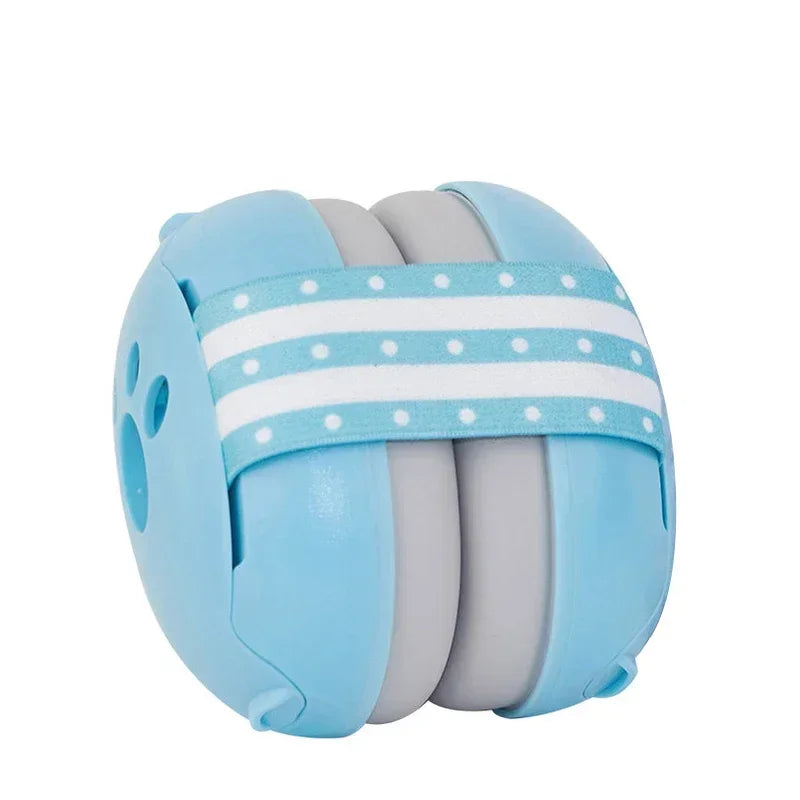
Protect baby ears from loud sounds with confidence 💡 See it in action
Frequently asked questions
How loud is too loud for a newborn?
Sounds above 70 decibels can strain a newborn’s ears, especially with prolonged exposure. Keeping environments closer to conversation-level noise supports comfort and hearing health.
Can babies wear noise-reduction earmuffs safely?
Yes, when designed specifically for infants. Properly fitted earmuffs reduce harmful noise while remaining lightweight and comfortable.
When should I use hearing protection for my baby?
Use infant noise protection during travel, crowded events, fireworks, or any environment where noise levels are unpredictable or consistently high.





