

How to Reduce Muscle Soreness With Simple Daily Steps
How can you reduce muscle soreness quickly at home?
How to reduce muscle soreness comes down to daily habits that support recovery. Gentle movement, hydration, targeted massage for sore muscles after workout, and simple stretching help improve circulation and relax tight areas. When done consistently, these steps ease stiffness, shorten recovery time, and help muscles feel looser and stronger.
How to Reduce Muscle Soreness With Simple Daily Steps
⏱ 7 min read
Muscle soreness can sneak up on anyone—after a workout, a long day at work, or even carrying kids and groceries. You wake up stiff, your shoulders feel tight, and simple movements suddenly take effort. Sound familiar? The good news is that learning how to reduce muscle soreness doesn’t require complicated routines or expensive treatments. Small, consistent steps at home can make a real difference.
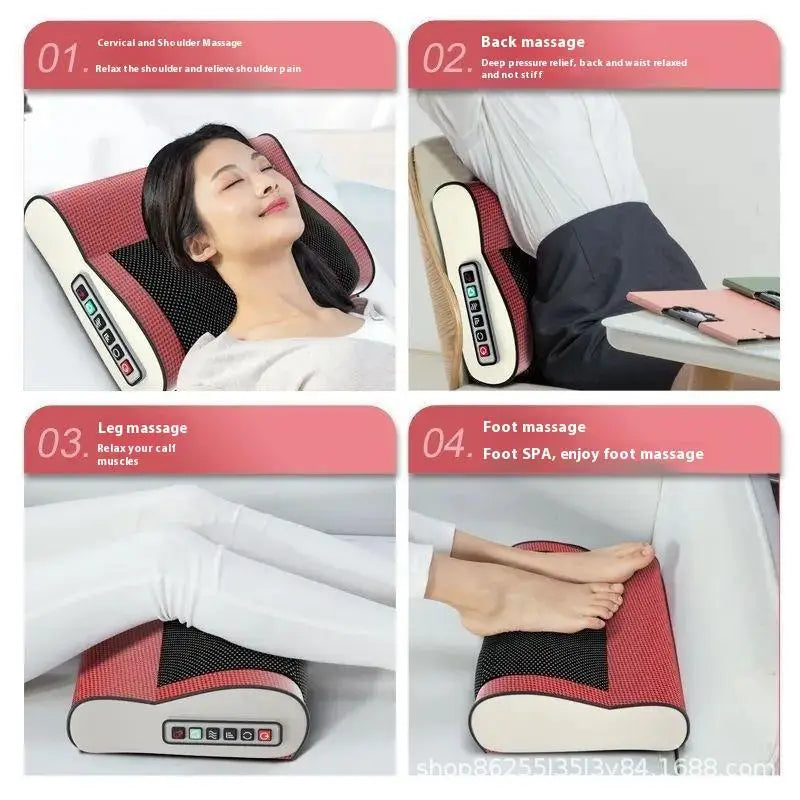
How to reduce muscle soreness with massage for sore muscles after workout — 💡 See it in action
Why Muscle Soreness Happens
Muscle soreness is your body’s response to stress and repair. When muscles work harder than usual, tiny tears form in the fibers. This is normal and part of getting stronger, but it also causes stiffness and discomfort. Poor posture, repetitive movements, and stress can make it worse.
Parents and busy adults often notice soreness in the neck, shoulders, and lower back. Long hours at a desk, lifting children, or even scrolling on a phone can strain muscles without you realizing it.
How Early Action Reduces Muscle Soreness
How to reduce muscle soreness is easiest when you act early. Gentle care right after activity helps calm muscles before stiffness sets in. Waiting too long often means soreness lasts longer and feels more intense.
- Cool down with light movement instead of stopping suddenly.
- Drink water to support muscle repair.
- Use gentle massage to relax tight spots.
- Stretch while muscles are still warm.
These steps take just minutes but can save hours of discomfort later.
Daily Movement That Speeds Recovery
Rest doesn’t always mean staying still. Light movement improves blood flow, bringing oxygen and nutrients to sore muscles. This helps flush out waste products that contribute to stiffness.
- Easy walks around the house or neighborhood
- Gentle yoga or mobility exercises
- Simple range-of-motion movements for joints
- Light stretching during breaks
Think of movement as a reset button for your body, especially on busy days.
Hydration and Nutrition for Muscle Relief
Muscles need fuel to recover. Dehydration can make soreness feel worse and last longer. Drinking enough water supports circulation and flexibility.
Balanced meals also matter. Protein helps repair muscle fibers, while fruits and vegetables provide antioxidants that support recovery. Even small changes, like adding an extra glass of water or a protein-rich snack, can help.
Why Massage Helps Sore Muscles Relax
Massage for sore muscles after workout isn’t just about comfort—it supports recovery. Gentle pressure encourages blood flow, reduces tightness, and helps muscles relax.
Many people notice that regular massage reduces how often soreness appears. It’s especially helpful for areas like the neck and shoulders that hold tension from stress and daily tasks.
Best Home Massage Techniques You Can Do Anytime
Best home massage techniques don’t require special training. With a few minutes and the right approach, you can ease soreness on your own schedule.
- Kneading: Use your fingers or palms to gently squeeze and release muscles.
- Circular motions: Small circles help warm up tight areas.
- Pressure holds: Apply light pressure to sore spots for 10–20 seconds.
- Heat-assisted massage: Warmth helps muscles relax faster.
Consistency matters more than intensity. Gentle, regular sessions often work better than occasional deep pressure.
For added comfort, many people pair these techniques with tools from the Massage & Relaxation collection, designed to support daily recovery at home.
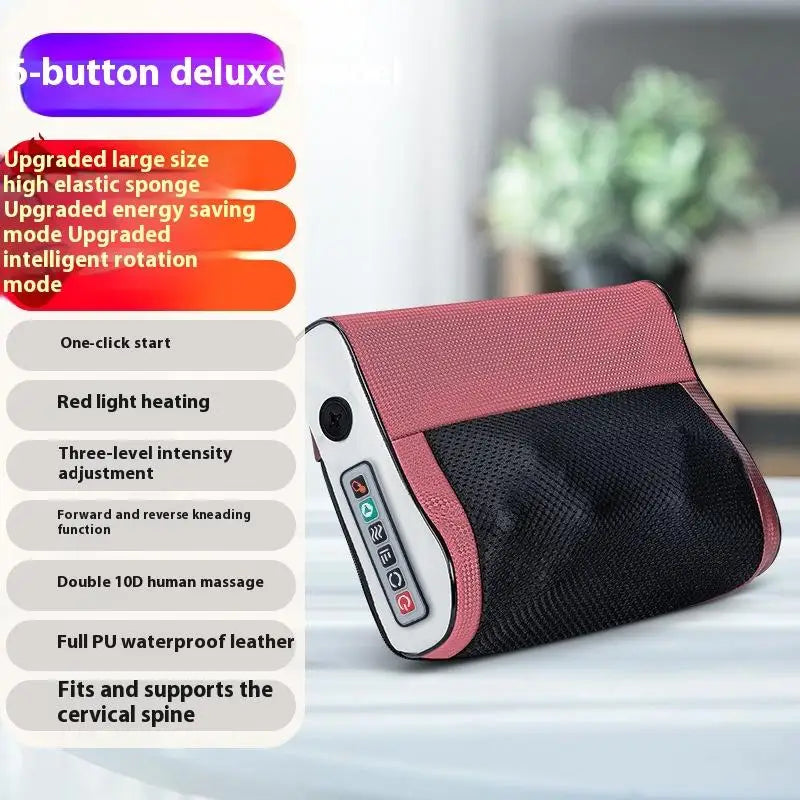
Best home massage techniques for how to reduce muscle soreness — 💡 See it in action
Effective Shoulder Stretches for Daily Comfort
Effective shoulder stretches are essential for anyone who carries tension in the upper body. These stretches are easy to do at home and take just a few minutes.
- Neck tilt: Gently tilt your head toward one shoulder, hold, then switch.
- Shoulder rolls: Roll shoulders forward and backward slowly.
- Cross-body arm stretch: Pull one arm across your chest to stretch the shoulder.
- Chest opener: Clasp hands behind your back and lift slightly.
Doing these daily helps prevent stiffness from building up, especially after long hours of sitting or lifting.
At-Home Tools That Make Recovery Easier
At-home massage tools simplify recovery, especially when time is limited. They offer consistent pressure and can reach areas that are hard to massage by hand.
Many adults find that using a neck and shoulder massager with heat helps relax muscles after busy days. Warmth combined with gentle motion supports comfort and relaxation.
You can explore supportive wellness options alongside daily routines in the Beauty & Wellness collection, which focuses on comfort and self-care at home.
A Simple Daily Routine to Reduce Muscle Soreness
How to reduce muscle soreness becomes manageable with a routine you can stick to. Here’s an example that fits into busy schedules:
- Morning: Light stretching for 5 minutes.
- Midday: Short walk or movement break.
- Evening: Gentle massage and shoulder stretches.
- Night: Hydrate and relax before bed.
This approach supports muscles throughout the day instead of waiting until discomfort builds.
Real-Life Results and Experiences
Many people notice changes within days of consistent care. Parents often share that neck and shoulder tension feels lighter, and mornings start with less stiffness. Active adults report shorter recovery times after workouts.
One common theme is confidence—knowing how to reduce muscle soreness means less worry about daily aches interrupting routines. Small steps add up to noticeable comfort.
For families balancing wellness and daily responsibilities, pairing recovery habits with supportive essentials from the Mom Essentials collection can make self-care feel more accessible.
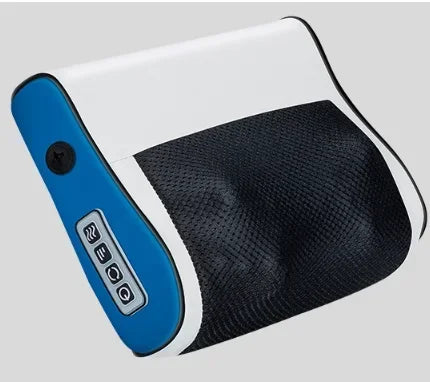
Massage for sore muscles after workout to support how to reduce muscle soreness — 💡 See it in action
FAQs About Reducing Muscle Soreness
How long does muscle soreness usually last?
Mild soreness often fades within 24–72 hours. Consistent movement, hydration, and massage can help shorten this time.
Is it okay to massage sore muscles every day?
Yes, gentle daily massage is generally safe and can support relaxation and recovery when done without excessive pressure.
Do stretches really help reduce soreness?
Effective shoulder stretches and light stretching improve flexibility and circulation, which can reduce stiffness and discomfort over time.
What’s the easiest way to reduce muscle soreness at home?
Combining light movement, hydration, and simple massage techniques creates an easy routine that fits into everyday life.





