

How to Reduce Stress Before Sleeping: Step-by-Step Guide
How can you reduce anxiety before sleeping?
How to reduce anxiety before sleeping starts with calming your nervous system using simple, repeatable cues. Gentle before bed relaxation habits, dim lighting, slow breathing, and tools like stress relief light or soft eye masks for sleeping help signal safety to the brain. These steps lower cortisol and prepare your body for deeper rest.
How to Reduce Stress Before Sleeping: Step-by-Step Guide
How to reduce anxiety before sleeping doesn’t require complex rituals or perfect routines. Most nighttime stress comes from a nervous system that never fully switches off. This guide shows you how to calm your body, quiet racing thoughts, and create a bedtime rhythm that feels safe, soothing, and realistic—even on busy days.
⏱ 8 min read
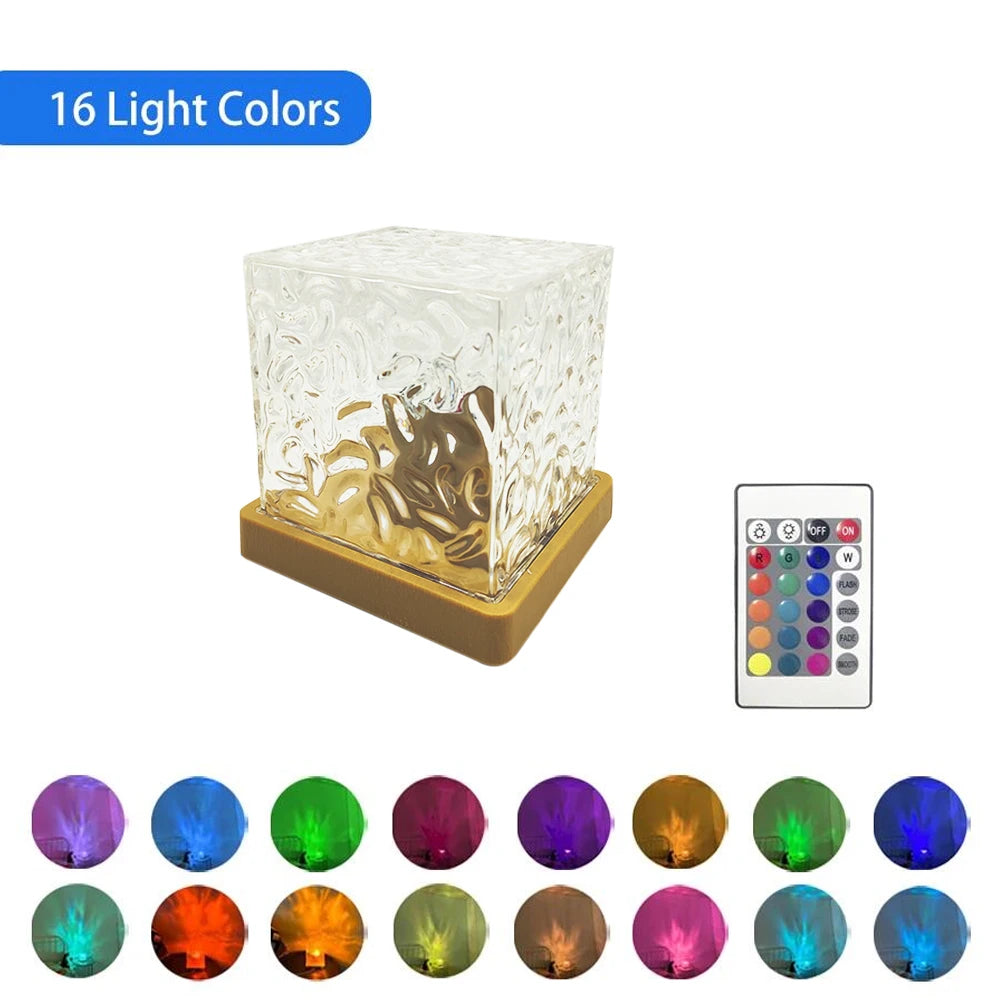
Before bed relaxation habits paired with stress relief light can gently signal sleep mode 💡 See it in action
Ever lie down exhausted, yet your mind suddenly speeds up? You replay conversations, plan tomorrow, or feel a tight chest for no clear reason. This is common, especially for parents, caregivers, and anyone juggling responsibilities all day.
Good news: anxiety before sleep is often a habit, not a permanent problem. With the right signals, your brain can relearn how to let go.
Why Anxiety Gets Worse at Night
Anxiety often peaks at bedtime because distractions fade. During the day, your brain stays busy solving problems. At night, unresolved stress finally has space to surface.
- Cortisol stays elevated after long, busy days
- Bright lights confuse your circadian rhythm
- Silence amplifies intrusive thoughts
- Irregular sleep routines remove predictability
Understanding this removes self-blame. Your body isn’t broken—it’s overstimulated.
Step 1: Reset Your Evening Environment for Calm
How to reduce anxiety before sleeping starts with your surroundings. Your brain constantly scans for safety. A chaotic environment keeps it alert.
- Dim overhead lights after sunset
- Lower room temperature slightly
- Clear visual clutter near the bed
- Introduce soft, rhythmic light patterns
Many people underestimate how much lighting affects sleep readiness. Soft movement and low brightness can calm the nervous system faster than silence alone.
Explore calming tools from Sleep & Comfort that support nighttime relaxation without stimulation.
Step 2: Create Before Bed Relaxation Signals
How to reduce anxiety before sleeping becomes easier when your body recognizes consistent cues. Repetition teaches safety.
Effective before bed relaxation signals include:
- Washing your face with warm water
- Gentle stretching or slow rocking
- Putting on a soft eye mask for sleeping
- Breathing in for 4 seconds, out for 6
These signals work best when used together, not perfectly.
Comfort-focused items from Beauty & Wellness can enhance these rituals naturally.
Step 3: Use Light to Calm Your Brain
How to reduce anxiety before sleeping often depends on how your brain processes light.
Soft, slow-moving light patterns can lower heart rate and reduce mental chatter within minutes.
Unlike harsh brightness, a stress relief light creates predictable motion your brain can follow, similar to watching waves or breathing.
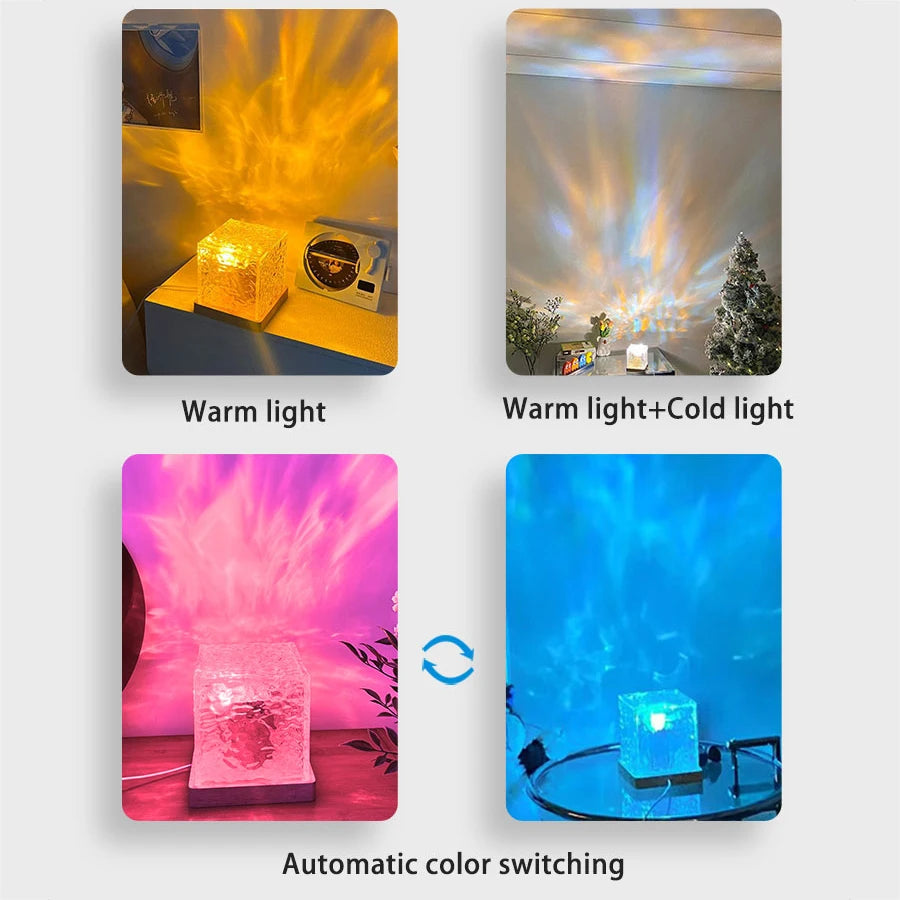
Stress relief light paired with before bed relaxation helps quiet racing thoughts 💡 See it in action
Many parents report falling asleep faster once soft light replaces scrolling screens.
Pair light-based calming tools with soothing accessories from Massage & Relaxation for layered comfort.
Step 4: Reduce Sensory Overload
Nighttime anxiety thrives on excess input.
- Silence notifications 60 minutes before bed
- Use soft fabrics against skin
- Block light with soft eye masks for sleeping
- Limit last-minute decision-making
Reducing stimulation doesn’t mean eliminating comfort. It means choosing fewer, gentler signals.
Step 5: Build a Calming Bedtime Routine That Sticks
How to reduce anxiety before sleeping long-term depends on consistency, not intensity.
A simple routine might look like:
- Dim lights and turn on stress relief light
- Wash up and change into sleepwear
- Apply eye mask and practice slow breathing
- Lie down and focus on steady visuals
Even 10 minutes nightly can retrain your nervous system.
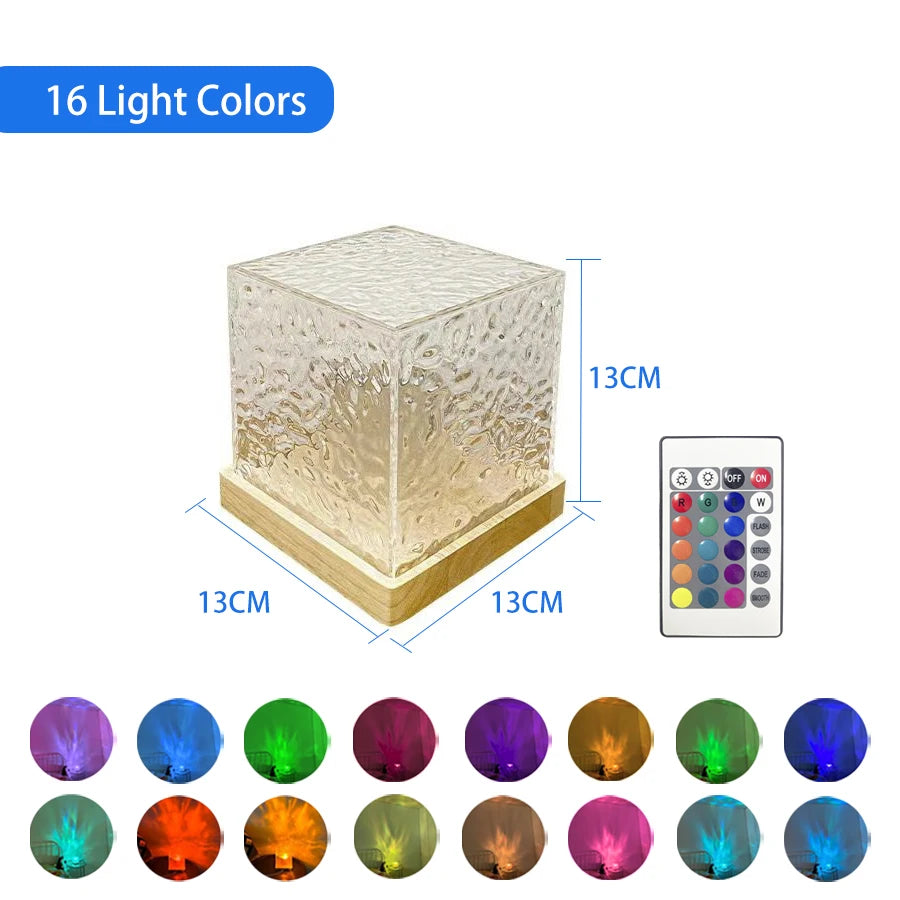
Consistent bedtime routines using stress relief light and soft eye masks for sleeping 💡 See it in action
Families often integrate these habits alongside essentials from Mom Essentials for smoother evenings.
Common Mistakes That Keep You Wired
- Waiting until exhaustion to relax
- Using bright screens as a wind-down
- Changing routines every night
- Expecting instant results
Progress feels subtle at first, then suddenly easier.
Frequently Asked Questions
How long does it take to reduce anxiety before sleeping?
Many people notice calmer evenings within 3–7 nights of consistent before bed relaxation habits. Deeper improvements often appear within two weeks.
Do soft eye masks for sleeping really help?
Yes. They block disruptive light, reduce eye strain, and act as a physical cue for rest, especially when paired with calming routines.
Is stress relief light safe to use nightly?
Soft, low-brightness light designed for relaxation is generally safe for nightly use and supports natural sleep signals when used correctly.





