

Face Steaming Routine: Step-by-Step for Healthy, Glowing Skin
How do you steam your face safely for clear, glowing skin?
How to steam your face safely means cleansing first, using gentle warm steam for 5–10 minutes from about 8–12 inches away, then patting your skin dry and applying hydrating skincare followed by moisturizer. A simple face steaming routine can temporarily soften surface buildup, improve comfort during cleansing, and leave skin looking fresh without overheating or irritating your complexion.
How to Steam Your Face Safely for Clear, Glowing Skin
⏱ 8 min read
Ever feel like your skincare products just sit on top of your skin instead of actually working? Or notice your pores looking congested no matter how carefully you cleanse? Learning how to steam your face safely can become a relaxing addition to your skincare routine when done correctly. Gentle facial steaming may soften surface buildup, make cleansing feel more effective, and prepare your skin for hydrating products—without unnecessary redness, dryness, or irritation.
Explore trusted wellness tools in our Beauty & Wellness collection
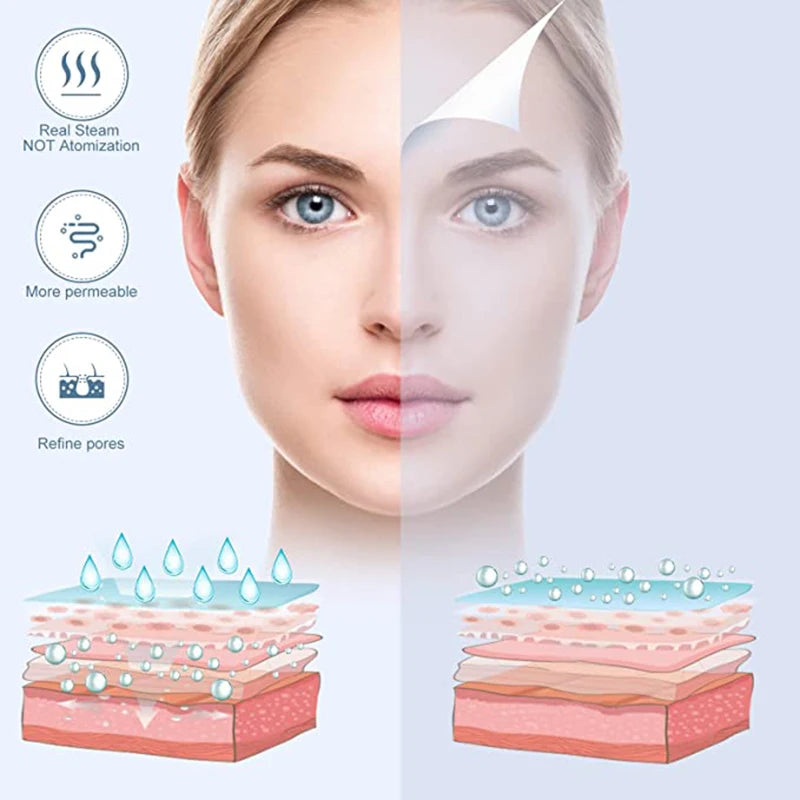
Learn how to steam your face safely using steamer for face tools — See it in action
What Is a Face Steaming Routine?
A face steaming routine is a simple sequence of cleansing your skin, exposing it to gentle warm steam for a short period, drying your face carefully, applying hydrating or targeted skincare, and finishing with moisturizer. Knowing how to steam face safely is less about using intense heat and more about following each step in the correct order.
It's also important to set realistic expectations. Facial steaming does not permanently open or shrink pores, detox your skin, or replace a good cleansing routine. Instead, the warmth temporarily softens surface oil and debris, helps skin feel refreshed, and creates a comfortable skincare experience.
What Are the Benefits and Limitations of Facial Steaming?
When you learn how to do a steam facial correctly, you can enjoy several practical benefits while avoiding unrealistic expectations.
- Temporarily softens oil, makeup residue, and surface buildup before cleansing.
- Provides a warm, relaxing spa-like experience at home.
- May improve the comfort of removing congestion after cleansing.
- Allows hydrating skincare products to spread more easily across freshly cleansed skin.
However, steam should not be viewed as a cure for acne, blackheads, or enlarged pores. Steam facial steps work best as part of a balanced skincare routine rather than a replacement for cleansing, exfoliation, or dermatologist-recommended treatments.
How to Steam Your Face: Step-by-Step Routine
How to steam your face safely starts with clean skin, moderate heat, and a comfortable distance from the steam source. Stop immediately if you notice burning, excessive redness, dizziness, or discomfort.
1. Cleanse Your Face First
Always remove makeup, sunscreen, excess oil, and daily dirt before steaming. Starting with clean skin helps prevent impurities from remaining on the skin while you apply heat.
Whether using a bowl or learning how to use a facial steamer, choose warm, comfortable steam rather than extremely hot vapor. Keep your face approximately 8–12 inches away from the steam source and never lean directly over boiling water.
3. Steam Your Face for the Right Amount of Time
Most people only need 5–10 minutes. If you have sensitive skin, begin with about 3–5 minutes. Longer sessions usually do not provide additional benefits and may increase irritation.
4. Pat Your Skin Dry Gently
After steaming, use a clean, soft towel to gently pat your face dry. Avoid rubbing, which can increase irritation while your skin is warm.
5. Apply Targeted Skincare and Moisturizer
Finish your steaming facial steps with a hydrating serum, calming ingredients, or a moisturizer suited to your skin type. Moisturizer helps support the skin barrier and reduces moisture loss after steaming.
Should You Steam Your Face Before or After Cleansing?
If you're wondering whether you should steam your face before or after cleansing, cleansing first is generally the better approach. Removing makeup, sunscreen, oil, and environmental debris before steaming helps keep the routine cleaner and more comfortable.
Steaming should never replace washing your face. After steaming, some people choose a gentle second cleanse if loosened residue remains, while others can simply rinse with lukewarm water before applying skincare. Those with sensitive skin may prefer to avoid a second cleanse unless necessary.
Using a Facial Steamer vs. the Bowl Method
| Method | Advantages | Things to Watch |
|---|---|---|
| Facial Steamer | Consistent steam, comfortable positioning, controlled output, easier to maintain distance | Requires a dedicated device |
| Bowl & Towel | Affordable and widely available | Harder to control temperature and easier to get too close to hot water |
Whichever method you choose, avoid unstable bowls, freshly boiling water, or covering your head so tightly that the steam becomes uncomfortable. Learning how to use a face steamer safely is usually easier because the steam output remains more consistent throughout the session.
How Long and How Often Should You Steam Your Face?
For most people, facial steaming works best occasionally rather than every day.
- Session length: About 5–10 minutes.
- Sensitive skin: Around 3–5 minutes.
- Frequency: Usually once weekly is enough, although some people may prefer every other week.
Daily steaming is generally unnecessary. If your skin feels tight, looks unusually red, becomes irritated, or develops increased sensitivity, reduce both the frequency and duration of your sessions.
How to Adjust a Face Steaming Routine for Different Skin Types
Dry or Dehydrated Skin
Use shorter sessions and focus on rich moisturizers afterward to help support the skin barrier.
Oily or Combination Skin
Weekly steaming may help soften surface buildup before cleansing, particularly around the T-zone where congestion commonly develops.
Acne-Prone Skin
Steam is not a treatment for acne, but it may fit comfortably into an acne skincare routine when used gently. Avoid combining steaming with multiple strong exfoliants or harsh acne treatments immediately afterward unless recommended by your skincare professional.
Sensitive or Redness-Prone Skin
If heat easily triggers flushing or irritation, shorten sessions, increase the distance from the steam source, or skip steaming entirely if it consistently worsens symptoms.
What Should You Do After Steaming Your Face?
Pat Dry Without Rubbing
Use a clean towel and gentle pressure instead of rubbing your skin.
Apply Gentle or Targeted Skincare
Hydrating serums, soothing ingredients, or barrier-supporting formulas are often better choices immediately after steaming than layering multiple strong active ingredients.
Moisturize to Support the Skin Barrier
A moisturizer helps lock in hydration and supports your skin after exposure to warm steam.
Use Sunscreen in Your Daytime Routine
If you steam your face during the day, finish your morning skincare routine with broad-spectrum sunscreen before spending time outdoors.

Build a relaxing facial steaming routine — See it in action
Discover simple wellness tools in Massage & Relaxation
For consistent, comfortable home sessions, the Ozon Facial Steamer provides gentle, even steam designed for regular skincare routines.
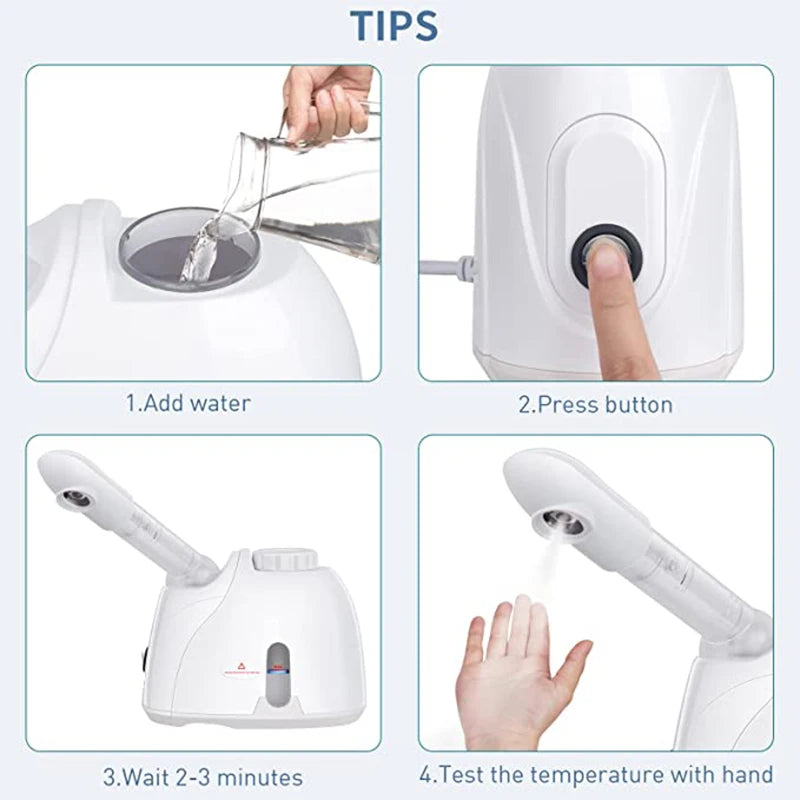
Using steamer for face made easy — See it in action
Try the Ozon Facial Steamer today
Common Face Steaming Mistakes to Avoid
- Using steam that is too hot.
- Steaming for too long or too frequently.
- Skipping cleansing before steaming.
- Using steam instead of a complete skincare routine.
- Applying several potentially irritating active ingredients immediately afterward.
- Ignoring burning, discomfort, or persistent redness.
Who Should Avoid Facial Steaming or Use Extra Caution?
People with very sensitive skin, active irritation, significant redness, rosacea, recent sunburn, or skin that reacts poorly to heat should use extra caution or avoid facial steaming. If you experience burning, pain, worsening redness, or persistent irritation, stop steaming and allow your skin to recover. Persistent skin concerns should be evaluated by a qualified healthcare professional or dermatologist.
Face Steaming Routine: Quick Checklist
- ✓ Cleanse your face before steaming.
- ✓ Use gentle, moderate steam from 8–12 inches away.
- ✓ Steam for approximately 5–10 minutes.
- ✓ Stop immediately if the heat feels uncomfortable.
- ✓ Pat skin dry instead of rubbing.
- ✓ Apply hydrating skincare followed by moisturizer.
- ✓ Adjust frequency based on your skin's response.
Face Steaming Routine FAQs
How often should I steam my face?
For most skin types, once a week is sufficient. Sensitive skin may benefit from steaming every other week instead.
How long should you steam your face?
Most sessions should last about 5–10 minutes, while sensitive skin often does better with shorter sessions.
Can I steam my face every day?
Daily steaming is generally not recommended because frequent heat exposure may contribute to dryness or irritation.
Do you steam your face before or after cleansing?
Cleanse first to remove makeup, sunscreen, oil, and surface debris before steaming.
Do you wash your face after steaming?
You may rinse with lukewarm water or perform a gentle second cleanse if loosened residue remains. Otherwise, continue with hydrating skincare and moisturizer.
Can steaming help acne or blackheads?
Steaming may temporarily soften surface buildup but is not a cure for acne or blackheads. A complete skincare routine remains the most effective approach.
Is a facial steamer better than a bowl?
A facial steamer usually offers more consistent steam and easier temperature control, while a bowl requires extra care to avoid excessive heat or accidental burns.





