

Infant Ear Protection for Concerts That Actually Stay On
Do adjustable baby ear defenders really improve comfort and fit?
Yes. Adjustable baby ear defenders improve both comfort and fit by adapting to a baby's head size as they grow while maintaining a consistent seal around the ears. Compared with fixed-size models, adjustable designs distribute pressure more evenly, reduce slipping during naps or stroller rides, and provide more reliable infant noise protection during concerts, flights, sporting events, fireworks, and other loud environments.
Adjustable baby ear defenders compared for comfort and fit
⏱ 7 min read
Whether you're attending a wedding, concert, sporting event, flying with your baby, or spending the day at a busy festival, protecting developing hearing is essential. The best adjustable baby ear defenders combine effective passive noise reduction with lightweight comfort, secure sizing, and soft materials that babies tolerate for longer periods.
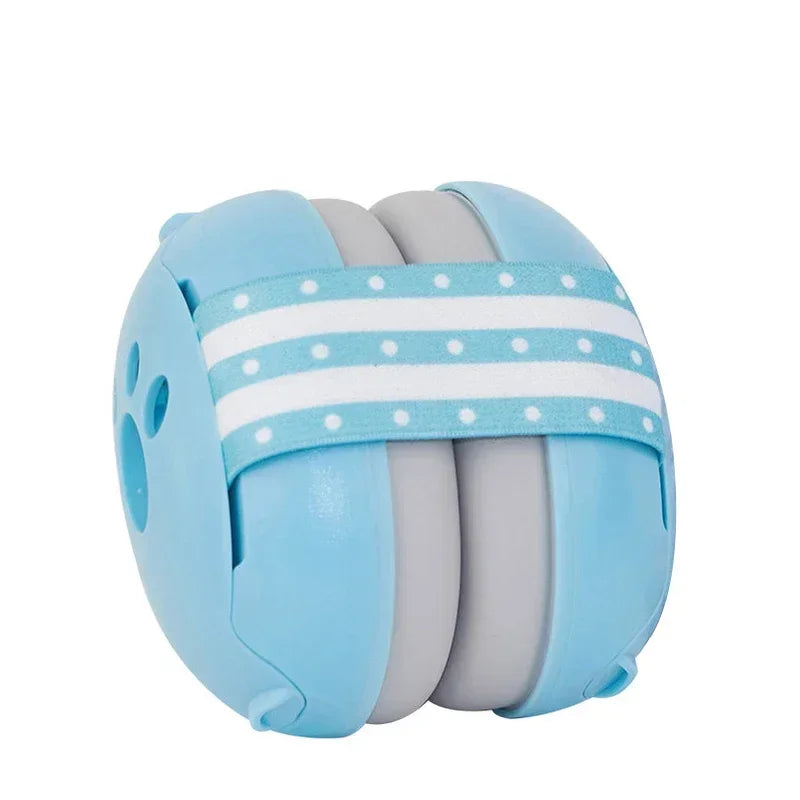
Adjustable baby ear defenders and adjustable earmuffs for infant noise protection — See it in action
Can infants safely attend concerts?
How infant hearing differs from adults
Babies have highly sensitive hearing, and their auditory system is still developing throughout infancy. Loud environments that seem tolerable to adults may expose babies to sound levels that are uncomfortable or potentially harmful. For this reason, parents should prioritize hearing protection and limit time spent in noisy environments.
Safe noise levels for newborns
Health experts generally recommend keeping infants away from prolonged exposure above approximately 70 dB whenever possible. Concerts, fireworks, sporting arenas, and amplified music frequently exceed 90–110 dB, making quality infant noise protection an important precaution alongside limiting exposure time.
When babies should avoid loud events
- When positioned close to speakers or stages
- If continuous noise remains extremely loud for long periods
- If the baby becomes distressed despite hearing protection
- When breaks in quieter areas are not possible
Parents can learn more through our noise safety for babies resource.
Why adjustability matters for baby hearing safety
Babies grow rapidly during their first year, so a proper fit today may become too loose within a few months. Adjustable baby ear defenders help maintain an effective seal without creating uncomfortable pressure points.
- Better pressure distribution across delicate head shapes
- Reduced slipping while riding in strollers or carriers
- Longer usable lifespan as babies grow
- Greater comfort during flights, events, and naps
Parents browsing Health & Safety collections often prioritize comfort because babies are much more likely to keep well-fitting earmuffs on throughout an outing.
Which type of adjustable baby ear defenders fits best?
Adjustable earmuffs with flexible cups
These models use sliding or expandable headbands that allow precise sizing adjustments.
- Excellent stability for older infants and toddlers
- Easy to resize as children grow
- Best for active movement
Headband earmuff designs
Soft fabric headbands replace rigid plastic frames, making them particularly suitable for younger babies.
- Minimal clamping pressure
- Comfortable during naps
- Ideal for newborns and young infants
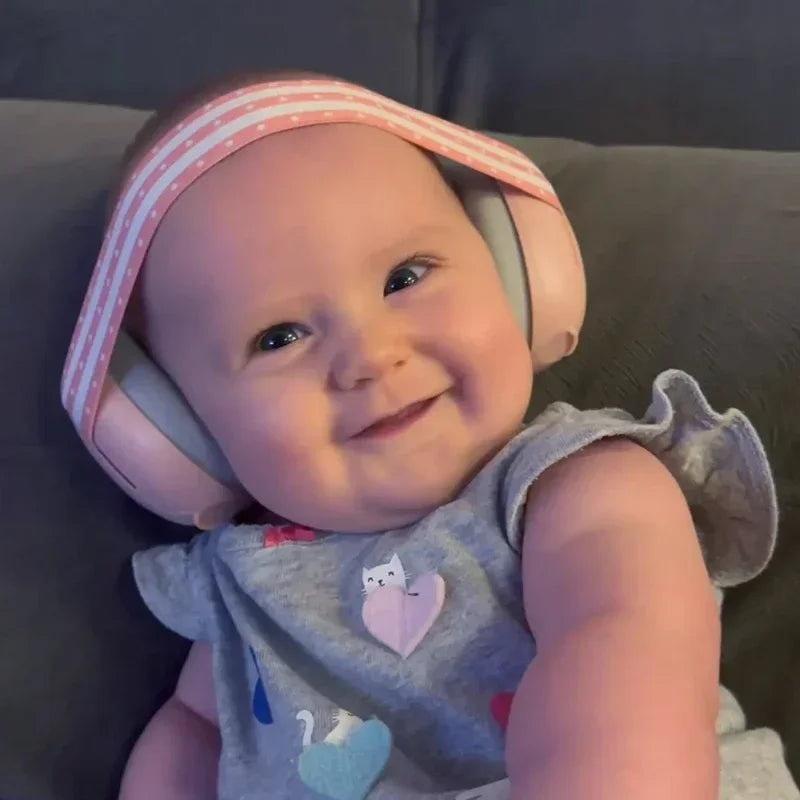
Headband earmuff vs adjustable earmuffs for comfort fit — See it in action
How baby concert headphones protect hearing
How passive earmuffs reduce noise
Baby hearing protection uses passive insulation rather than electronic noise cancellation. Dense acoustic foam and sealed ear cups reduce incoming sound before it reaches the ear.
NRR vs SNR ratings explained
Many products list either an NRR (Noise Reduction Rating) or SNR (Single Number Rating). Both estimate how much sound can be reduced when earmuffs fit properly. A higher rating generally indicates greater protection, but a good seal is just as important as the published number.
What hearing protection cannot do
Even the best baby noise cancelling headphones cannot eliminate all sound or make unsafe environments completely safe. Parents should still increase distance from speakers, reduce exposure time, and take regular breaks in quieter areas.
Best infant ear protection for concerts: top picks compared
Quick comparison table
| Product | Best For | Age | Comfort | Highlights |
|---|---|---|---|---|
| Baby Noise Reduction Earmuffs | Best overall | Infants+ | ★★★★★ | Adjustable, lightweight, soft padding |
| Alpine Muffy Baby | Newborns | Newborn+ | ★★★★★ | Soft headband design |
| Banz Baby Earmuffs | Budget | 3 months+ | ★★★★☆ | Reliable everyday protection |
| Friday 7Care Baby Earmuffs | Festivals & sports | Infants+ | ★★★★☆ | Comfortable for extended wear |
Best overall
The baby noise reduction earmuffs combine adjustable sizing, soft ear cushions, and lightweight construction that works well for travel, concerts, family celebrations, and everyday outings.
Best for newborns
Headband-style products like Alpine Muffy Baby minimize clamping pressure and often provide the most comfortable fit for very young infants.
Best budget
Banz Baby Earmuffs remain a popular entry-level choice for families seeking dependable protection without a premium price.
Best for festivals and sporting events
Products with secure adjustable headbands and larger cushioned ear cups tend to perform best during longer outdoor events where babies are frequently carried or moved.
How to choose baby headphones for concerts, events, and noise protection
Choose by age
Headband styles generally suit newborns, while adjustable framed earmuffs often become more practical as babies become increasingly active.
Fit and seal
The ear cups should completely surround the ears without gaps. A poor seal dramatically reduces protection.
Weight and comfort
Lightweight earmuffs with soft padding are typically worn for longer periods with fewer complaints.
Safety certifications
Choose reputable manufacturers that clearly publish safety testing and hearing protection ratings.
Parents browsing Baby Care Essentials often prioritize overall comfort rather than simply selecting the highest published noise reduction rating.
How to check if infant hearing protection fits correctly
Signs of a good seal
- Ear cups fully surround the ears
- No obvious gaps
- Baby remains comfortable
Signs the earmuffs are too loose
- They slide while crawling or being carried
- The cups shift away from the ears
- Outside sounds remain unusually loud
Signs the earmuffs are too tight
- Visible red pressure marks
- Baby repeatedly pulls them off
- Persistent fussiness immediately after fitting
Common mistakes parents make with baby hearing protection
- Choosing the wrong size instead of an adjustable model
- Leaving babies near loud speakers because earmuffs are being worn
- Using hearing protection continuously without comfort breaks
- Allowing ear cups to sit over hair or hats, reducing the seal
- Assuming earmuffs eliminate all hearing risks
For additional guidance, visit our baby ear defenders guide .
Concert, festival, fireworks, and sporting event recommendations
Indoor concerts
Stay as far from speakers as practical and schedule quiet breaks every 20–30 minutes.
Outdoor festivals
Choose shaded areas farther from amplified stages while keeping earmuffs properly adjusted.
Fireworks
Maintain significant distance from launch sites since impulse noise can be much louder than continuous music.
Sports arenas
Crowd cheers and stadium announcements can become unexpectedly loud. Adjustable baby ear defenders help reduce exposure while allowing babies to remain aware of caregivers.
Cleaning, storage, and replacement
- Wipe ear cushions after each use with a soft damp cloth.
- Store earmuffs in a cool, dry location away from direct sunlight.
- Inspect cushions and adjustment mechanisms regularly.
- Replace earmuffs if padding becomes damaged or they no longer maintain a proper fit.
Families can also browse Mom & Baby essentials for additional travel and hearing protection accessories.
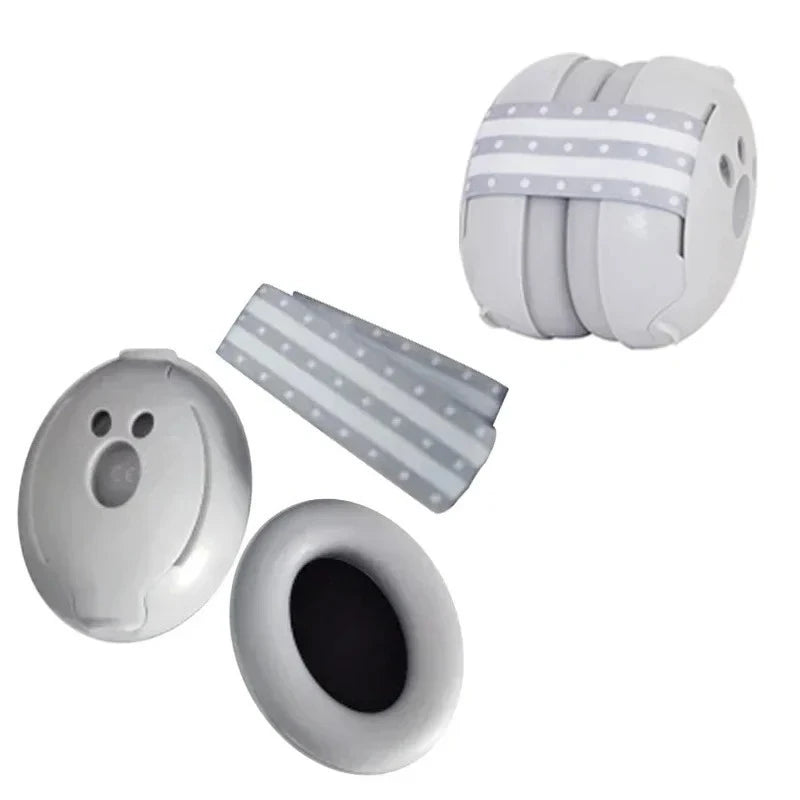
Comfort fit earmuffs designed for adjustable baby ear defenders — See it in action
Frequently asked questions
What are safe noise levels for newborns?
Experts generally recommend limiting prolonged exposure above about 70 dB whenever possible. Concerts, fireworks, and sporting events often exceed this level, making hearing protection and shorter exposure times important.
Can newborns wear hearing protection headphones?
Yes. Many soft headband-style models are designed specifically for newborns. Always follow the manufacturer's age recommendations and check the fit carefully.
How long can babies wear earmuffs?
Babies can wear properly fitted earmuffs for extended outings, but parents should remove them periodically to check skin comfort and allow short breaks in quiet environments.
Do baby noise cancelling headphones block all sound?
No. Passive baby hearing protection reduces harmful noise levels but still allows babies to hear voices and important environmental sounds.
How do I know if infant earmuffs fit correctly?
A proper fit completely surrounds the ears without gaps while remaining snug enough to stay in place without leaving pressure marks.
Should I take my baby to a loud concert?
If possible, avoid extremely loud events with very young infants. When attendance is necessary, choose quality hearing protection, remain away from speakers, keep visits short, and monitor your baby's comfort throughout the event.
Related Guide: Best earmuffs for baby sleep compared for quieter nights





