

Are Ear Defenders Safe for Newborns? Risks, Fit & When to Use
Do infant noise cancelling earmuffs really protect a baby’s hearing?
Yes. Infant noise cancelling earmuffs can help protect a baby's hearing by reducing the intensity of loud environmental sounds through passive sound insulation. When properly fitted, they support infant noise protection during travel, concerts, sporting events, weddings, fireworks, or other noisy environments without completely blocking everyday sounds. The goal is to lower potentially harmful noise exposure while keeping babies comfortable and aware of their surroundings.
Infant Noise Cancelling Earmuffs vs Ear Defenders for Babies
Choosing the right hearing protection for your baby can feel overwhelming, especially when loud environments are unavoidable. This guide explains whether ear defenders are safe for newborns, how infant hearing protection works, when babies should wear it, and how to choose comfortable earmuffs that fit safely.
⏱ 6 min read
Have you ever worried about your baby's ears at a family celebration, on an airplane, or during fireworks? Many parents ask whether infant noise cancelling earmuffs are necessary or if standard ear defenders are enough. Understanding how newborn hearing develops makes it easier to decide when hearing protection is beneficial—and when it isn't.
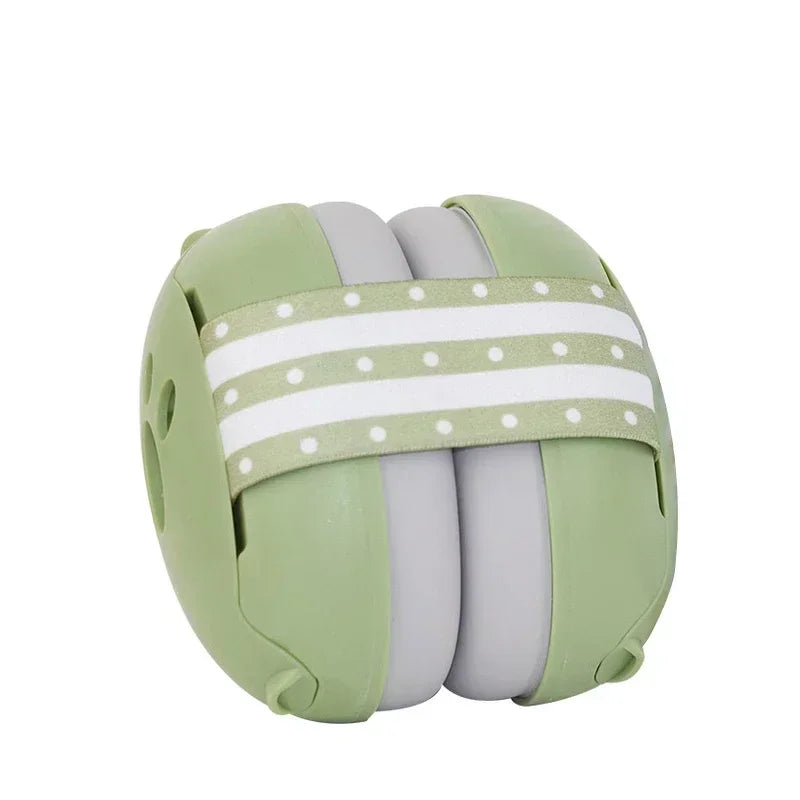
Infant noise cancelling earmuffs with adjustable earmuffs for gentle infant noise protection. See it in action.
Are ear defenders safe for newborns?
Short answer
Yes. Ear defenders designed specifically for infants are generally considered safe for newborns when they fit correctly, are used for limited periods during loud events, and are removed once the noisy environment has passed. Baby earmuffs should never squeeze the head excessively or interfere with normal breathing or supervision.
When newborns should wear hearing protection
Newborn hearing is still developing, making babies more sensitive to loud, continuous sounds than adults. Hearing protection is helpful in situations such as:
- Concerts and festivals
- Sporting events
- Air travel during takeoff or landing noise
- Fireworks displays
- Construction or renovation nearby
- Busy weddings and celebrations with amplified music
Parents interested in healthy hearing habits may also find guidance in our Health & Safety resources.
When ear defenders are not necessary
Babies usually do not need ear defenders during normal daily activities, walks, shopping trips, or quiet indoor environments. Routine household sounds help infants become familiar with everyday listening experiences, so hearing protection should be reserved for genuinely loud situations.
How ear defenders protect a baby's hearing
How passive ear defenders work
Infant earmuffs use passive hearing protection rather than electronic technology. Soft acoustic foam and cushioned ear cups create a seal around the ears, reducing the amount of external sound reaching the inner ear. They do not eliminate sound entirely but lower overall volume to safer levels.
This passive design provides dependable infant noise protection without introducing electronic components or batteries.
Parents often confuse passive earmuffs with active noise cancelling (ANC) headphones.
| Feature | Baby Ear Defenders | Noise Cancelling Headphones |
|---|---|---|
| Technology | Passive sound reduction | Electronic active noise cancellation |
| Power required | No | Yes |
| Designed for infants | Yes, if specifically labeled | Usually no |
| Best use | Loud events and travel | Older children or adults |
Because of their simpler passive design, infant earmuffs are generally preferred over electronic noise cancelling headphones for babies. Parents wondering whether babies can wear noise cancelling headphones should choose products specifically engineered for infant hearing protection instead of adapting adult devices.
What age can babies wear ear defenders?
Newborns
Many infant earmuffs are suitable from birth when properly sized. They should only be worn during loud noise exposure and always under adult supervision.
Older infants
As babies become more active, adjustable headbands help maintain a secure fit while allowing room for growth. Comfort becomes increasingly important because babies are more likely to remove uncomfortable hearing protection.
Toddlers
Toddlers may wear larger adjustable ear defenders for festivals, air travel, motorsports, or other noisy outings, provided the earmuffs continue to fit correctly.
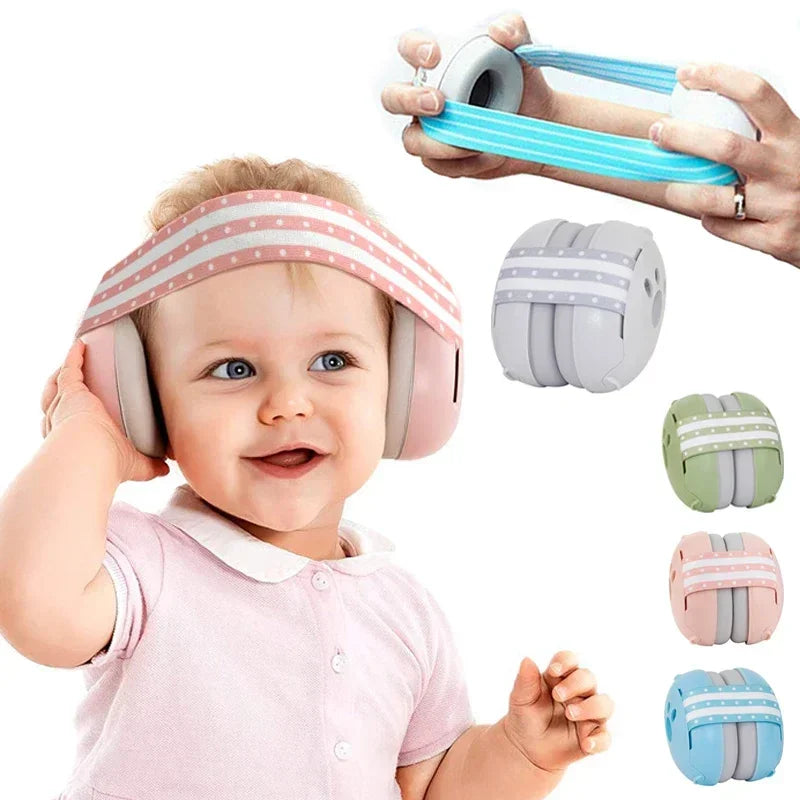
Adjustable ear defenders designed for comfort and safe noise levels for newborns. See it in action.
How to choose safe ear defenders for a newborn
Correct fit checklist
- Ear cups fully cover both ears.
- The headband stays secure without slipping.
- No gaps appear around the ear cushions.
- Your baby remains comfortable while wearing them.
Signs the earmuffs are too tight
- Red marks that remain after removal
- Constant fussiness or attempts to remove them
- Visible pressure around the ears or head
- Difficulty keeping the head in a natural position
Features to look for
- Lightweight construction
- Soft padded ear cushions
- Adjustable headband for growing babies
- Appropriate infant safety certifications where available
- Compact size for travel alongside other Baby Care Essentials
Many families also combine hearing protection with calming products from the Sleep & Comfort collection to encourage better rest after stimulating outings.
Understanding safe noise levels for newborns
While occasional everyday sounds are normal, prolonged exposure to loud environments may increase stress and place unnecessary strain on a baby's developing hearing. Many pediatric experts recommend minimizing extended exposure to sounds above approximately 60–65 decibels whenever possible and using hearing protection in significantly louder settings.
Common noisy environments
- Concerts and live music
- Sporting arenas
- Fireworks displays
- Busy airports
- Construction sites
- Motor races and air shows
When hearing protection is recommended
Hearing protection is most useful when loud noise cannot be avoided. Parents who travel often may also pair earmuffs with products from Monitoring Devices to monitor their baby's comfort throughout the journey.
When babies should and should not wear ear defenders
Concerts and sporting events
These are among the most common situations where baby ear protection is recommended because noise levels can rise quickly and remain elevated for extended periods.
Air travel and weddings
Lightweight infant earmuffs are easy to pack alongside other essentials recommended in our Baby Care Tips & Advice collection, making them practical for flights and celebrations with amplified music.
Daily life and sleep
Babies generally should not wear ear defenders throughout the day or during routine sleep in quiet environments. Instead, reserve hearing protection for temporary exposure to loud noise and remove the earmuffs once the environment becomes calm again.
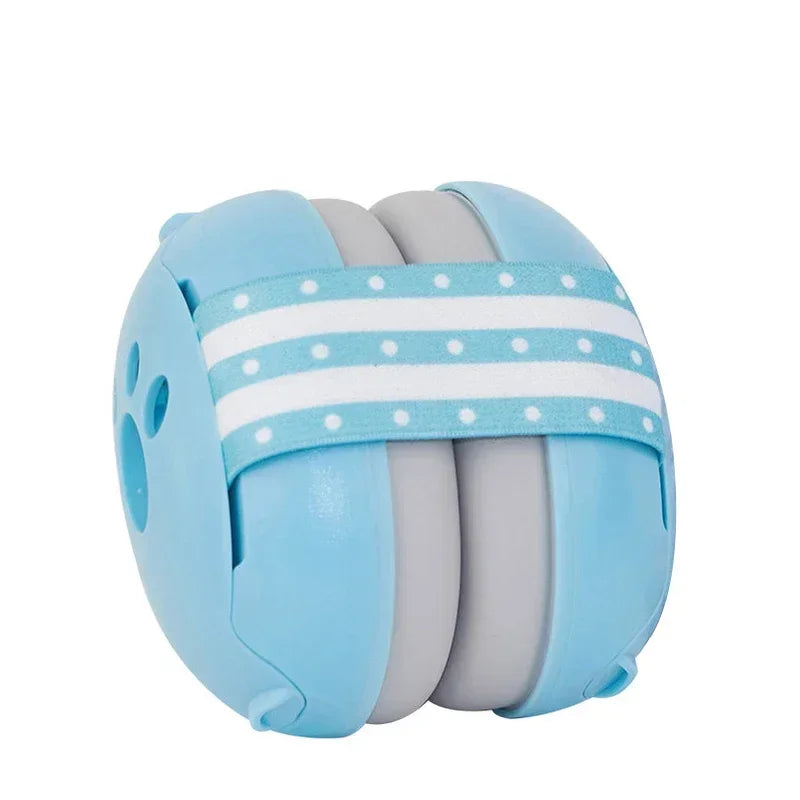
Infant hearing protection that adapts from newborn to toddler stages. See it in action.
How long can newborns wear ear defenders safely?
Monitoring comfort
There is no single time limit that fits every baby. Instead, check your infant regularly for comfort, skin irritation, and proper positioning. Remove the earmuffs during quiet breaks whenever practical.
Checking fit during use
- Inspect the fit every 20–30 minutes during extended outings.
- Ensure the cups have not shifted away from the ears.
- Remove them immediately if your baby becomes distressed or overheated.
- Allow the skin to rest between periods of use.
After busy outings, some parents also explore soothing products from Massage & Relaxation to help babies relax before bedtime.
Frequently Asked Questions
Are ear defenders safe for newborns?
Yes. Ear defenders designed specifically for newborns are generally safe when properly fitted, used only in loud environments, and checked regularly for comfort.
Are baby earmuffs safe for newborns?
Infant earmuffs made for newborn use feature lightweight construction, soft padding, and gentle pressure, making them appropriate for temporary hearing protection during noisy events.
What age can babies wear ear defenders?
Many infant models are suitable from birth, provided they are correctly sized and intended specifically for newborns.
Do babies need ear defenders?
Only in situations where loud noise cannot reasonably be avoided, such as concerts, fireworks, sporting events, or construction noise.
Are noise cancelling headphones safe for babies?
Electronic active noise cancelling headphones are generally not recommended unless specifically designed for infants. Passive baby earmuffs remain the preferred option.
Can babies wear noise cancelling headphones?
Parents should choose hearing protection made specifically for babies instead of adapting adult ANC headphones.
How long can a newborn wear ear defenders?
They should only be worn for the duration of loud noise exposure, with regular fit and comfort checks throughout use.
How do I know if baby ear defenders fit correctly?
A proper fit fully covers both ears, creates a gentle seal, stays in place, and leaves no lasting pressure marks after removal.
Can babies sleep while wearing ear defenders?
Some babies may nap while wearing comfortable earmuffs during noisy events, but they should not be used as routine sleepwear in quiet environments.
Are ear defenders better than noise cancelling headphones for babies?
Yes. Passive infant ear defenders are generally considered the safer and more appropriate choice because they are designed specifically for newborn hearing protection without electronic components.
Related Guide: Best earmuffs for baby sleep compared for quieter nights





