

Self Soothing Techniques for Infants: 7 Proven Sleep Fixes
Does infant self soothing really work?
Infant self soothing techniques help babies calm themselves between sleep cycles, reducing restless infant sleep problems when an infant keeps waking up. By supporting gentle, repeatable cues—like rhythmic patting, consistent routines, and calming sensory input—these techniques encourage longer sleep stretches and healthier independent sleep habits over time.
Infant Self Soothing Techniques: Features That Improve Sleep
Infant self soothing techniques can transform broken nights into calmer, longer stretches of rest for both babies and parents. When an infant keeps waking up, it’s rarely about willpower—it’s about unmet comfort needs and inconsistent signals. Understanding which features truly support self-calming can make bedtime predictable again and reduce restless infant sleep problems.
⏱ 5 min read
Which small change could help your baby fall back asleep tonight? Many parents are surprised how quickly the right soothing feature can reduce night waking.
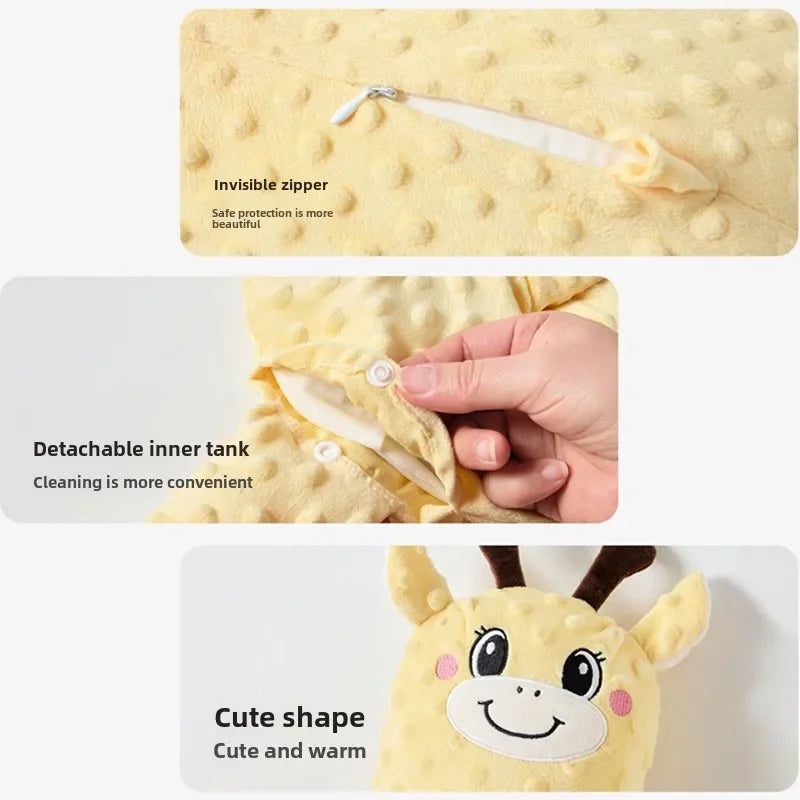
Infant self soothing techniques that reduce restless infant sleep problems — 💡 See it in action
Why Infants Wake So Often at Night
When an infant keeps waking up, it’s usually not because something is “wrong.” Babies naturally cycle through lighter stages of sleep every 40–60 minutes. Adults briefly wake too—but we’ve learned how to fall back asleep. Infants haven’t yet developed that skill.
Common causes of restless infant sleep problems include:
- Startle reflex or sudden silence after falling asleep
- Overstimulation before bed
- Inconsistent bedtime routines
- Dependence on external help to fall asleep
Self soothing doesn’t mean leaving babies unsupported. It means giving them consistent, gentle cues that feel safe and familiar.
What Are Infant Self Soothing Techniques?
Infant self soothing techniques are methods and tools that help babies relax and settle themselves without abrupt intervention. These techniques work by mimicking comforting sensations—rhythm, warmth, and predictability—that babies experience when being held.
Effective self-soothing approaches usually include:
- Repetitive, gentle motion or patting
- Soft sensory stimulation
- Predictable sleep cues
- A calm, low-distraction environment
Parents exploring solutions often start with trusted categories like Sleep & Comfort and Massage & Relaxation to build a calming sleep setup.
Features That Help Babies Self Soothe Better
Not all soothing methods work the same. Babies respond best to features that feel consistent and natural.
Rhythmic Patting That Mimics Caregiver Touch
Steady, gentle patting helps regulate breathing and heart rate. Unlike random movement, consistent rhythm signals safety and helps babies transition between sleep cycles without fully waking.
Predictable Sensory Input
Soft textures, subtle sounds, or light vibration provide reassurance without overstimulation. Predictability is key—babies relax faster when sensations don’t change unexpectedly.
Hands-Free Support for Parents
Tools that provide consistent soothing reduce the need for repeated lifting, helping parents avoid exhaustion while maintaining responsiveness.
Many families combine these features with essentials from Baby Care Essentials to create a complete bedtime environment.
Infant Bedtime Routine Examples That Actually Work
Consistency matters more than length. The best infant bedtime routine examples follow the same order every night.
- Warm bath or gentle wipe-down
- Quiet feeding and burping
- Dim lights and calm talking
- Rhythmic patting or soothing motion
- Placed down drowsy but comfortable
Keeping routines simple reduces stimulation and helps babies anticipate sleep. Pairing routines with calming tools from Baby Care Tips & Advice can further improve results.
Why Gentle Patting Tools Improve Sleep Outcomes
Infant self soothing techniques work best when they’re consistent. Gentle patting tools provide steady rhythm without fatigue, helping babies stay asleep longer. Many parents notice fewer night wakings within days.
One popular option is the baby sleeping patting doll, designed to replicate a caregiver’s calming touch.
- Soft, baby-safe materials
- Even, predictable patting rhythm
- Quiet operation for nighttime use
- Easy placement in crib or bassinet
Compared to manual soothing, these features maintain consistency through the night—especially helpful during growth spurts.
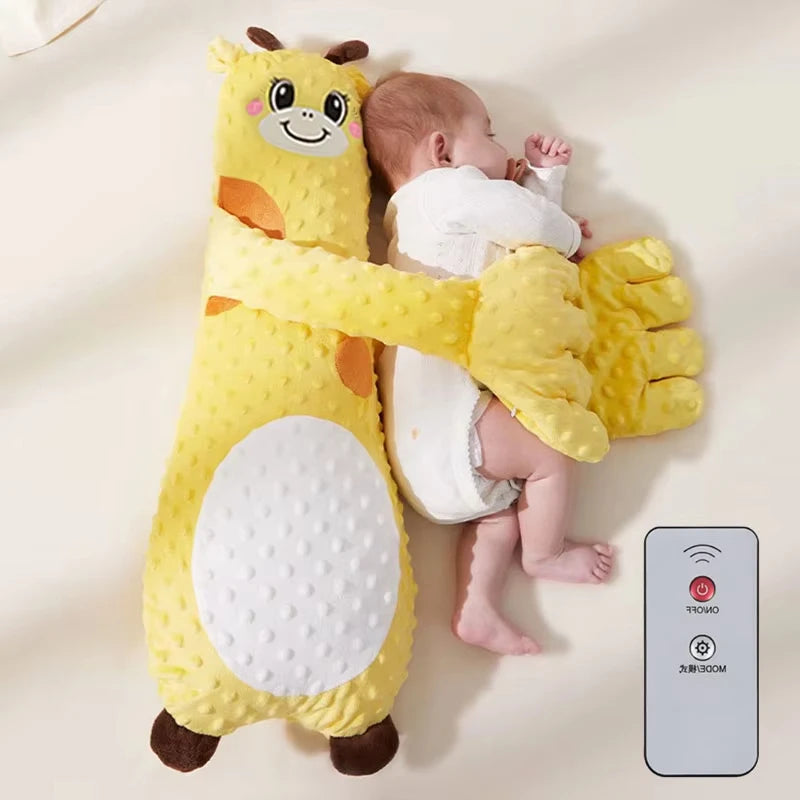
Infant keeps waking up less with consistent self soothing techniques — 💡 See it in action
Comparing Common Self-Soothing Options
| Option | Consistency | Parent Effort | Sleep Continuity |
|---|---|---|---|
| Manual rocking | Low | High | Short-term |
| White noise only | Medium | Low | Moderate |
| Rhythmic patting tools | High | Low | Longer stretches |
This comparison helps explain why parents seeking better infant sleep often choose rhythmic, touch-based solutions.
Real Parent Results and Sleep Improvements
Parents frequently report noticeable changes within the first week:
- Fewer full night wakings
- Shorter time to fall back asleep
- Less overtired fussiness during the day
One parent shared that after adding a gentle patting tool alongside their routine, their baby slept two additional hours uninterrupted.
Supportive products from Monitoring Devices and Temperature Tools can complement soothing methods by maintaining a stable sleep environment.
How to Use Self Soothing Tools Safely
Safety always comes first. Follow these guidelines:
- Place soothing tools securely, away from the face
- Use only during supervised sleep times
- Choose age-appropriate designs
- Maintain a clutter-free sleep space
Combining safe placement with predictable routines increases confidence for both parents and babies.
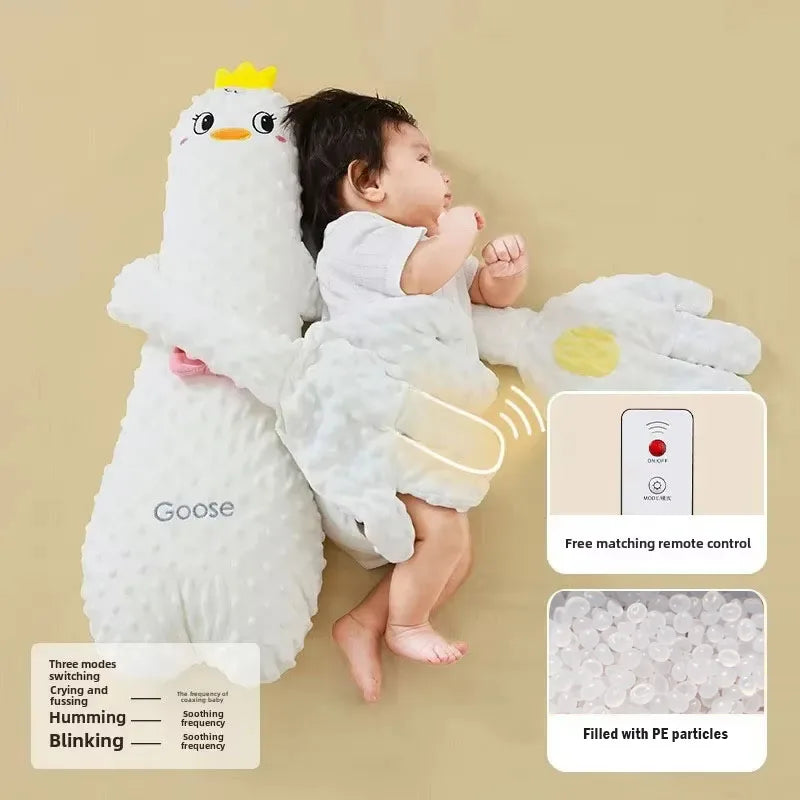
Infant bedtime routine examples that support better sleep — 💡 See it in action
Frequently Asked Questions
How long does it take for infant self soothing techniques to work?
Many parents notice improvement within a few nights, while consistent results typically appear after one to two weeks of regular routines.
Is self soothing safe for newborns?
Yes, when techniques are gentle, age-appropriate, and used in a safe sleep environment with supervision.
What if my infant keeps waking up despite routines?
Growth spurts and developmental changes can temporarily disrupt sleep. Maintaining consistency usually restores progress.
Do I need multiple tools to see results?
Not necessarily. One well-designed soothing feature, paired with a calm routine, is often enough.





