

Infant Sleep Disturbance: Comparing Top Solutions for Better Sleep
Does infant sleep disturbance have a real solution?
Infant sleep disturbance often improves when parents combine consistent routines with soothing tools that mimic comfort cues. Simple changes—like predictable bedtime steps, calming sensory input, and gentle sleep aids—can reduce night wakings, ease month old difficulty falling asleep, and support healthier rest patterns within days.
Infant Sleep Disturbance: Comparing Top Solutions for Better Sleep
⏱ 7 min read
Infant sleep disturbance can feel endless when nights blur together and naps never seem long enough. If you’re wondering why your baby fights sleep—or how other parents finally found calmer nights—you’re not alone. Below, you’ll find clear newborn sleep recommendations, real infant bedtime routine examples, and a side-by-side look at solutions parents trust.

Infant sleep disturbance solutions in action — calming comfort that supports better rest. 💡 See it in action
Why infant sleep gets disrupted so easily
Infant sleep disturbance often starts with immature sleep cycles. Newborns wake frequently, struggle to self-soothe, and react strongly to noise or light. Growth spurts, gas, and overstimulation can all lead to month old difficulty falling asleep, even when babies seem tired.
- Short sleep cycles cause frequent waking
- Overstimulation late in the day
- Inconsistent bedtime cues
- Environmental discomfort
Many parents try multiple fixes at once, which can increase confusion instead of comfort.
Newborn sleep recommendations parents trust
Newborn sleep recommendations focus on predictability and comfort. Babies feel safest when cues repeat nightly and sensations remain gentle.
- Keep bedtime within the same 30-minute window
- Use soft lighting and white noise
- Introduce calming touch or rhythmic motion
- Create a familiar sleep environment
Products from Sleep & Comfort and Sensory Toys collections often support these steps by reinforcing soothing signals.
Infant bedtime routine examples that reduce night wakings
Infant bedtime routine examples don’t need to be complicated. The key is consistency and emotional reassurance.
- Warm bath → quiet feeding → gentle patting
- Dim lights → soft sound → familiar object
- Short cuddle → place baby down drowsy
- Repeat the same order nightly
Parents often pair routines with tools from Baby Care Essentials to keep steps simple and repeatable.
Comparing top baby sleep solutions
| Solution | Pros | Cons |
|---|---|---|
| White noise machines | Blocks sudden sounds | No physical comfort |
| Swaddling | Reduces startle reflex | Limited as baby grows |
| Rocking bassinets | Gentle motion | Bulky, expensive |
| Patting comfort dolls | Mimics parental touch | Needs safe placement |
Many families combine two approaches for better results.
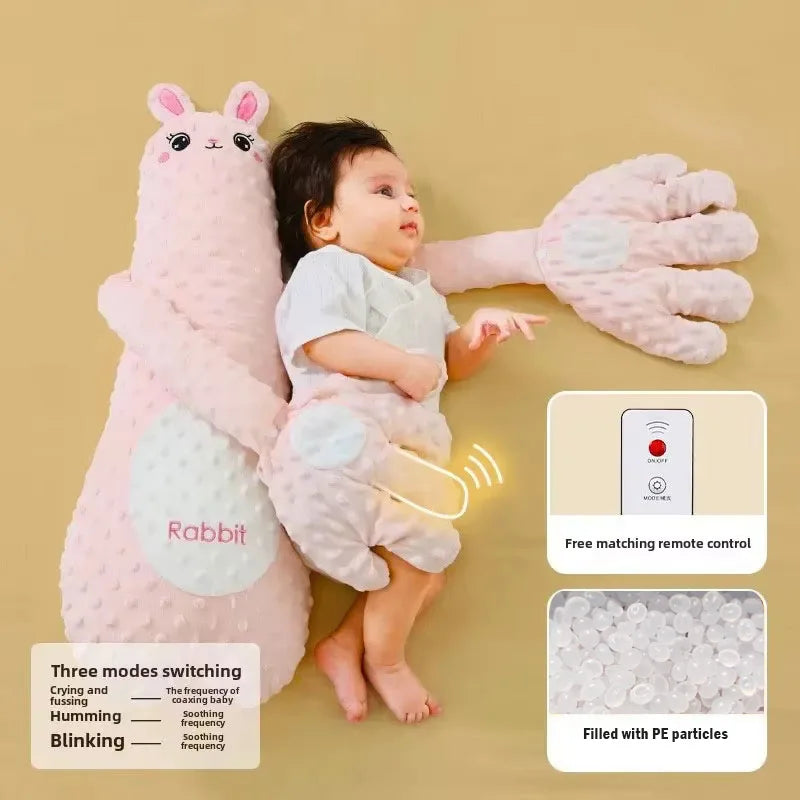
Supporting newborn sleep recommendations with calming tools. 💡 See it in action
Why the Baby Sleeping Patting Doll stands out
Infant sleep disturbance improves when babies feel secure. The Baby Sleeping Patting Doll gently recreates rhythmic touch, helping babies relax faster and stay asleep longer without overstimulation.
This tool stands out because it combines simplicity with emotional reassurance—something many devices overlook.
- Soft, calming patting motion
- Lightweight and travel-friendly
- Complements existing routines
- Easy for new parents to use
Explore it directly here: Baby Sleeping Patting Doll.
Real parent stories and measurable results
Parents report noticeable changes within the first week. One family shared that night wakings dropped from five to two after adding gentle patting to their routine. Another noted easier bedtime transitions during growth spurts.
When paired with items from Massage & Relaxation or Monitoring Devices, families felt more confident tracking improvements.

Real infant bedtime routine examples bringing calmer nights. 💡 See it in action
Frequently Asked Questions
How long does infant sleep disturbance usually last?
It varies, but many babies show improvement as routines stabilize and soothing cues become familiar.
Can a month old difficulty falling asleep be normal?
Yes. Short sleep cycles and growth spurts often cause temporary struggles.
Are comfort tools safe for newborns?
When used as directed and combined with safe sleep practices, many parents find them helpful.
Should routines change as babies grow?
Minor adjustments help, but keeping core steps consistent supports better sleep long-term.
Related Guide: Infant Sleeping Issues: In-Depth Brand Review and Comparison





