

Infant Sleep Problems: Matching Solutions to Your Baby’s Needs
Infant Sleeping Issues: In-Depth Brand Review and Comparison
Do infant sleeping issues really improve with the right sleep support product?
Infant sleeping issues often improve when parents use consistent routines and supportive tools designed for comfort and soothing. For babies who keep waking up, experience restless infant sleep problems, or struggle because a newborn won’t sleep alone, the right sleep aid can help infants settle faster, feel secure, and stay asleep longer through gentle sensory reassurance.
⏱ 8 min read
Infant sleeping issues can quickly turn nights into long, exhausting hours filled with second-guessing every decision. If your infant keeps waking up just minutes after being laid down, or you’re dealing with restless infant sleep problems that leave everyone overtired, you’re not alone. Many parents quietly worry, “my newborn won’t sleep alone—am I doing something wrong?” The truth is, sleep challenges are common, but the right solution can make a meaningful difference.
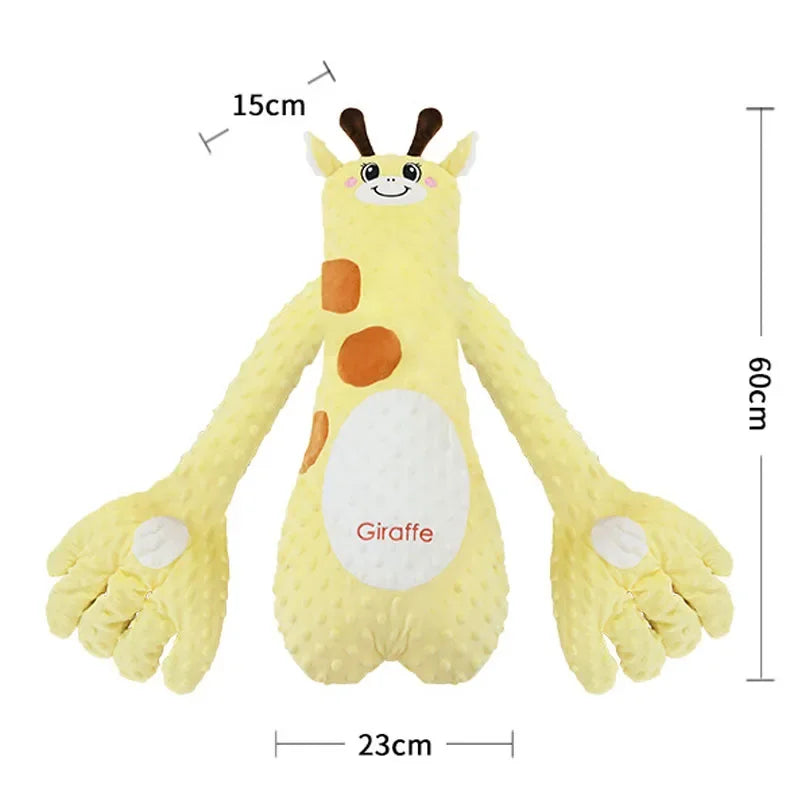
A gentle solution for infant sleeping issues when your newborn won’t sleep alone 💡 See it in action
Wondering which baby sleep solution truly fits your family’s needs? Read on to see how leading options compare and why one approach stands out for comfort, safety, and real-world results.
👉 Explore calming sleep tools inside Sleep & Comfort
Why Infants Keep Waking Up at Night
Infant sleeping issues rarely have a single cause. Newborns are adjusting to life outside the womb, and their sleep cycles are much shorter than adults. This means frequent waking is normal—but certain triggers can make it worse.
- Immature sleep rhythms that cause light sleep stages
- Startle reflexes that wake babies shortly after falling asleep
- Need for reassurance when transitioning between sleep cycles
- Environmental changes like light, noise, or temperature
When an infant keeps waking up, parents often try rocking, feeding, or co-sleeping. While these can help short-term, many families look for tools that encourage independent soothing without distress.
Comparing Popular Infant Sleep Support Brands
Parents today face an overwhelming number of sleep aids, each promising better rest. Below is a clear comparison of common categories to help narrow down what truly addresses restless infant sleep problems.
| Type | Main Benefit | Limitations |
|---|---|---|
| White Noise Machines | Blocks sudden sounds | No physical reassurance |
| Swaddles | Reduces startle reflex | Limited use as baby grows |
| Rocking Bassinets | Mimics motion | Bulky, not portable |
| Soothing Dolls | Gentle touch and rhythm | Quality varies by brand |
For families saying “my newborn won’t sleep alone,” options that combine gentle motion with comforting presence often feel more natural and less disruptive.
Hands-On Review: Baby Sleeping Patting Doll
Infant sleeping issues improve most when babies feel safe and soothed without constant parental intervention. The Baby Sleeping Patting Doll is designed to mimic a calming hand rhythm, offering reassurance during light sleep stages.
This product focuses on subtle, repetitive patting that helps infants transition between sleep cycles without fully waking.
👉 See the full product details here: Baby Sleeping Patting Doll
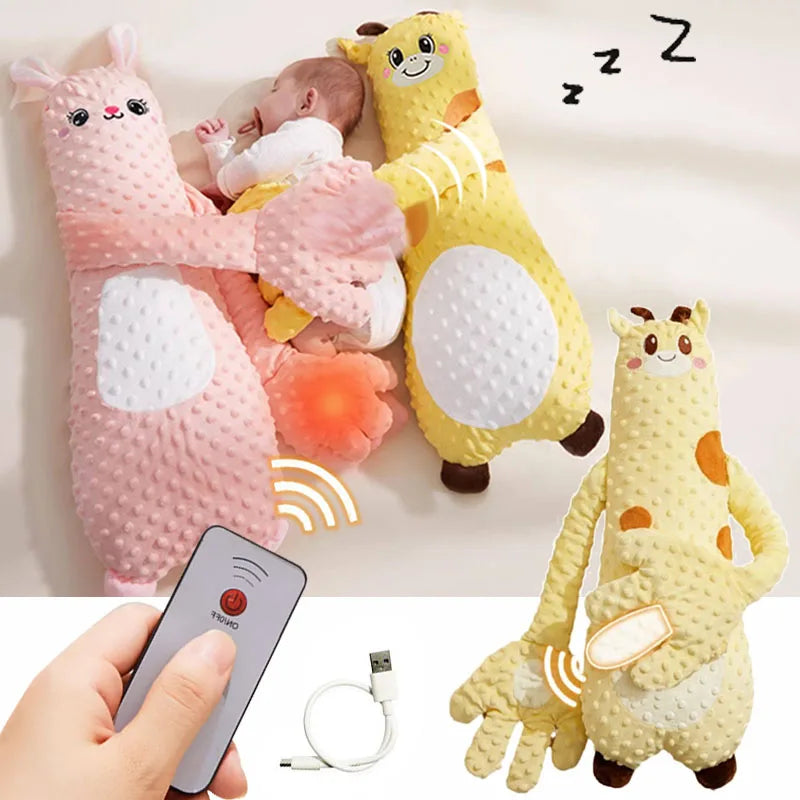
A closer look at how this tool supports restless infant sleep problems 💡 See it in action
Why This Approach Stands Out
Infant sleeping issues often worsen when babies wake and don’t feel immediate comfort. Unlike sound-only devices, this solution adds a physical soothing element that many infants respond to instinctively.
- Consistent, gentle patting rhythm
- Soft materials designed for infant comfort
- Helps reduce dependence on constant holding
- Portable for naps and nighttime use
👉 Discover more calming essentials in Baby Care Essentials
Features That Matter for Restless Infant Sleep
When evaluating sleep tools, parents should look beyond promises and focus on features that align with how babies actually sleep.
Comfort and Safety First
Products designed for infant sleeping issues should prioritize gentle stimulation and safe materials. Harsh vibrations or loud sounds can overstimulate rather than soothe.
Supports Independent Sleep
For parents worried because a newborn won’t sleep alone, supportive tools can bridge the gap between full dependence and independent rest.
👉 Learn about safe sleep routines inside Baby Care Tips & Advice
Real Parent Experiences and Results
Many families report noticeable improvements within the first week of consistent use. Parents describe fewer full wake-ups and smoother transitions back to sleep.
“Our infant keeps waking up less often, and when she does, she settles back down without crying. It’s been a game changer for our nights.” — Amanda, mom of a 3-month-old
“I used to think my newborn won’t sleep alone no matter what. This gave him just enough comfort to feel secure.” — Jason, first-time dad
Who This Solution Works Best For
This approach is especially helpful for:
- Parents dealing with frequent night wakings
- Infants sensitive to sudden silence or stillness
- Families transitioning away from constant rocking
- Caregivers seeking gentle, non-disruptive sleep support
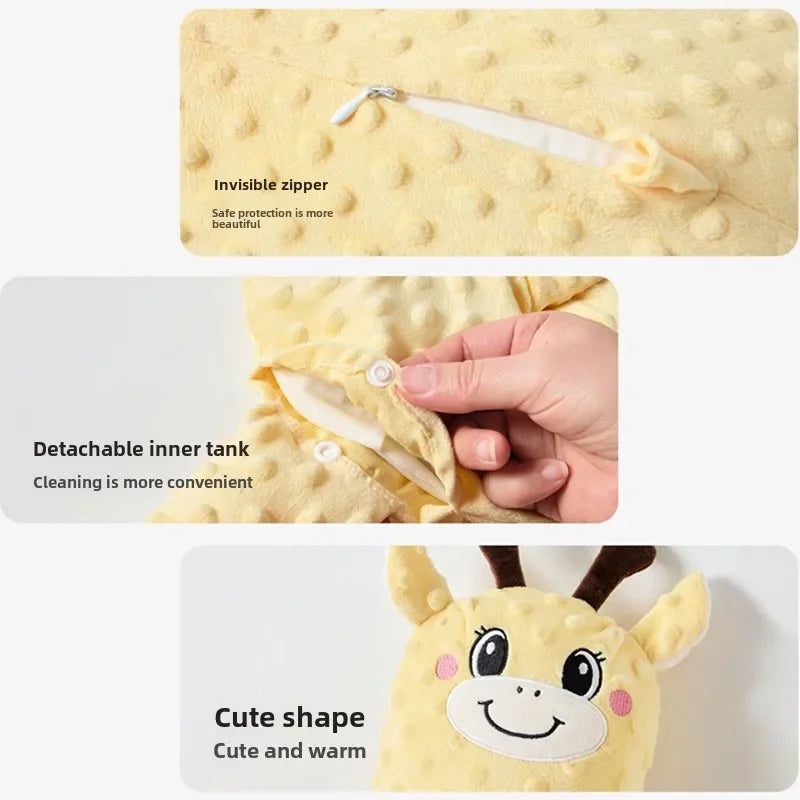
Helping infants settle faster and sleep longer 💡 See it in action
👉 Create a calmer bedtime routine with Sleep & Comfort
Frequently Asked Questions
Can this help if my infant keeps waking up every hour?
Yes. Many parents find that gentle, consistent soothing helps infants transition between sleep cycles more smoothly, reducing frequent full wake-ups over time.
Is it suitable if my newborn won’t sleep alone?
This type of sleep support is designed to provide reassurance without overstimulation, making it easier for newborns to feel secure in their own sleep space.
How long before results are noticeable?
Some families notice improvements within a few nights, while others see gradual changes over one to two weeks as routines become consistent.





