

Infant Sleep Training Tips: Top Methods Compared for Better Rest
Does infant sleep training really help my baby sleep better?
Infant sleep training tips can transform your newborn's nights, helping your baby sleep longer and more peacefully while reducing episodes of restless infant sleep problems. Using structured routines and the right sleep aids like infant sleep wraps or interactive sleep toys for infants, parents can establish a consistent bedtime rhythm and improve overall comfort.
Infant Sleep Training Tips: Top Methods Compared for Better Rest
Infant sleeping devices can transform your baby's nights, from cozy infant sleep wraps to interactive sleep toys for infants, helping you navigate the newborn sleep incline vs flat debate while ensuring comfort and safety—are you ready to discover which solution fits your little one best?
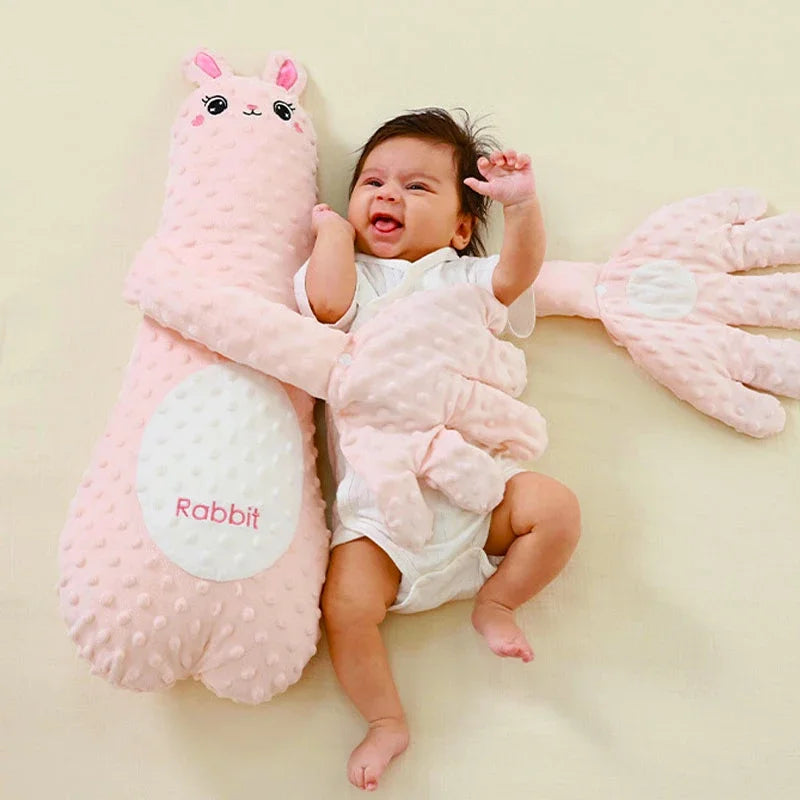
💡 Infant keeps waking up crying? Discover how infant sleep training tips help your baby rest peacefully.
Why Infant Sleep Training Matters
Many parents face sleepless nights as their infant keeps waking up crying. Establishing effective infant sleep training tips early can reduce stress for both parents and baby, improve mood, and help your infant develop healthy sleep cycles. Consistent methods encourage a smoother transition between sleep stages, minimizing restless infant sleep problems.
Top Sleep Training Methods Compared
Choosing the right approach depends on your baby's temperament and your parenting style. Here's a side-by-side comparison:
| Method | Pros | Cons | Best For |
|---|---|---|---|
| Ferber / Graduated Extinction | Encourages self-soothing, improves sleep quickly | Can be stressful initially, requires patience | Parents comfortable with scheduled checks |
| Chair Method | Gradual reassurance, supportive transition | Time-intensive, slower results | Anxious babies needing close parental presence |
| No Tears Method | Gentle, reduces crying, emotionally reassuring | Slower progress, may require extended effort | Parents preferring minimal distress approach |
| Pick Up / Put Down | Responsive, builds trust and comfort | Frequent handling, potentially exhausting | Infants sensitive to separation |
Key Tip:
Regardless of method, combining consistent bedtime routines with infant sleep aids enhances effectiveness and reduces restless infant sleep problems.
Establishing Bedtime Routines for Better Sleep
Infant bedtime routine examples are crucial to signal your baby it's time to sleep. A predictable pattern supports self-soothing and reduces crying episodes.
- Dim the lights and reduce noise 30 minutes before bed
- Give a warm bath using gentle baby bath accessories
- Read a short story or sing a lullaby
- Swaddle your baby in a comfortable infant sleep wrap
- Offer a pacifier or calming sensory toy for infants
Sleeping Device Options for Comfort and Safety
Using the right sleeping device is key to addressing newborn sleep incline vs flat concerns and keeping your baby safe. Below are popular solutions:
- Infant Sleep Wraps: Provide gentle pressure to mimic womb comfort, supporting longer sleep cycles.
- Inclined Sleepers: Can reduce reflux symptoms; always follow safe sleep guidelines.
- Flat Crib Mattresses: Recommended for most newborns to reduce SIDS risk.
- Sleep Toys for Infants: Offer soothing sounds or gentle motion to help babies self-soothe without over-stimulation.
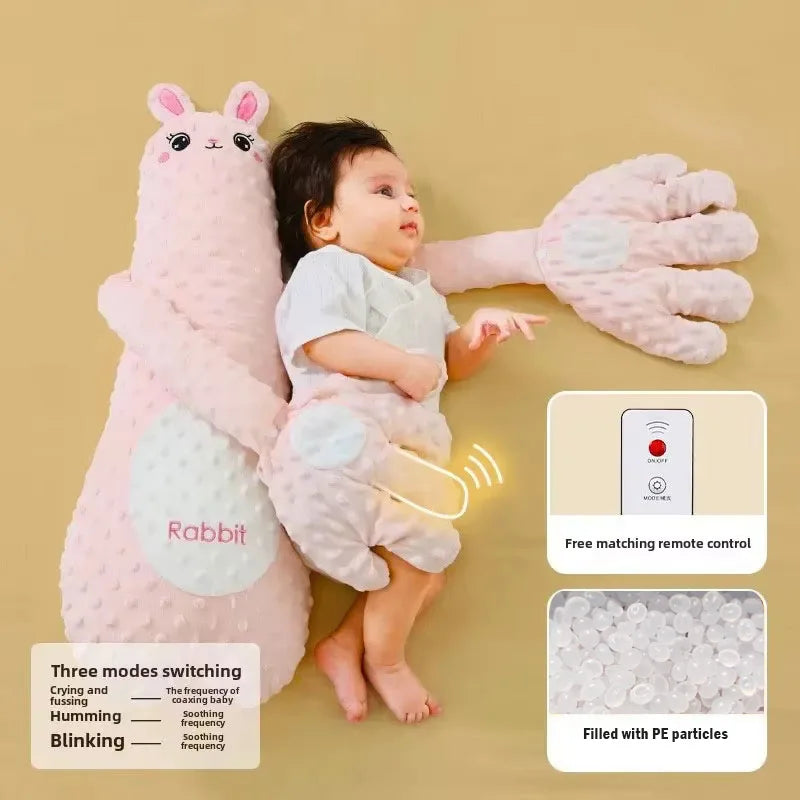
💡 Explore infant sleep wraps and sleep toys for infants to improve bedtime comfort.
Pros and Cons Overview:
| Device | Pros | Cons |
|---|---|---|
| Infant Sleep Wrap | Promotes secure sleep, reduces crying | May require supervision, not suitable for rolling babies |
| Inclined Sleeper | Helps reflux, gentle incline | Flat is safer for long-term use, not recommended unsupervised |
| Sleep Toys | Soothing sounds, interactive comfort | Can over-stimulate if used excessively |
Common Problems and Solutions
Even with structured sleep training, issues can arise:
- Infant keeps waking up crying: Check room temperature, hunger cues, and ensure a consistent routine.
- Restless infant sleep problems: Use soothing sensory toys and swaddles to calm movement.
- Difficulty transitioning between devices: Introduce new sleepers gradually, pairing with familiar items.
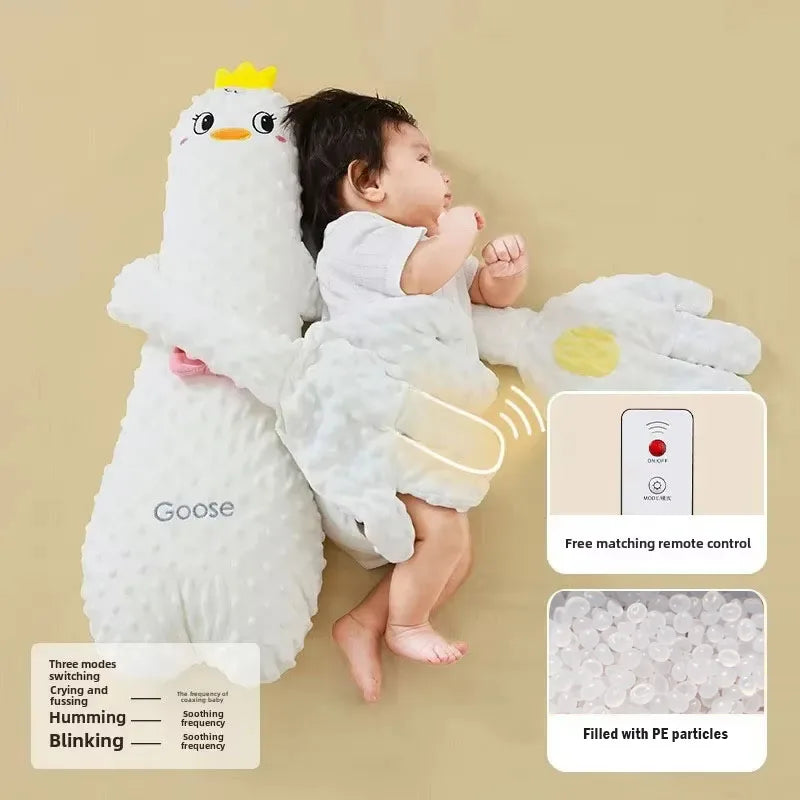
💡 Struggling with restless infant sleep problems? Try a combination of sleep wraps and gentle routines for better rest.
Mini FAQ
-
How long does it take for infant sleep training to work?
Results vary, but most infants show improved sleep within 1–2 weeks of consistent routines and using supportive sleep aids.
-
Are inclined sleepers safe for newborns?
Inclined sleepers can help with reflux, but flat sleep surfaces are safest for overnight use. Always supervise and follow safe sleep guidelines.
-
Can sleep toys replace swaddling?
Sleep toys complement but do not replace swaddling. Combining both can help soothe infants and encourage longer sleep stretches.





