

Infant Soothing Techniques: Step-by-Step Guide for Calm Babies
Do infant soothing techniques really work?
Infant soothing techniques help calm babies by matching gentle sensory cues—rhythm, touch, sound, and timing—to a baby’s developing nervous system. When applied step by step, these methods can reduce crying, support sleep, and build emotional security. Many parents see calmer responses within minutes when soothing an infant consistently.
Infant Soothing Techniques: Step-by-Step Guide for Calm Babies
⏱ 9 min read
Infant soothing techniques can turn stressful moments into calm routines for new parents. This step-by-step approach reveals science-backed ways to soothe a crying infant, from gentle sensory cues to calming plush toys that support sleep and emotional security. You will learn how rhythm, touch, and timing work together when soothing an infant, plus small adjustments that prevent meltdowns before they start. Ready to see which method works fastest for your baby?
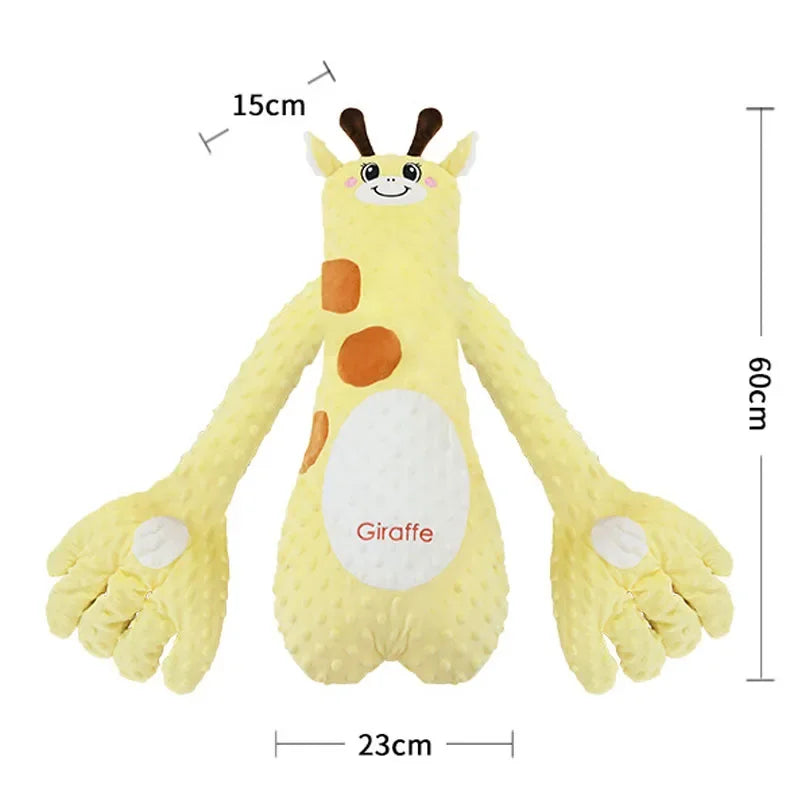
Infant soothing techniques in action—simple ways to soothe a crying infant 💡 See it in action
Why Babies Cry and What They Need
Babies cry to communicate. Hunger, discomfort, overstimulation, or the need for connection can all trigger tears. Understanding this helps parents respond with confidence instead of frustration.
- Physical needs: hunger, gas, temperature discomfort.
- Sensory overload: bright lights, loud sounds, too much handling.
- Emotional comfort: desire for closeness and reassurance.
Meeting these needs quickly builds trust and reduces prolonged crying over time.
What are the most effective infant soothing techniques?
Infant soothing techniques work best when they combine predictable rhythm, gentle touch, and familiar cues. These methods support self-regulation and help babies feel safe, especially during transitions like bedtime or after feeding.
- Soft rhythmic motion
- Consistent sounds or white noise
- Warm, gentle touch
- Familiar comfort objects
Parents often explore helpful items within Sleep & Comfort or Sensory Toys to support these techniques.
Step-by-Step: How to Soothe a Crying Infant
Infant soothing techniques are most effective when applied in a clear order. This step-by-step approach helps you respond calmly and consistently.
- Check basic needs: Ensure feeding, diaper, and temperature are comfortable.
- Reduce stimulation: Dim lights and lower noise.
- Use gentle motion: Rocking or slow walking provides rhythm.
- Add soothing sound: Soft humming or white noise.
- Offer comfort tools: A calming plush toy can help.
Why rhythm and timing matter
Babies respond to predictable patterns. Repeating the same sequence each time helps them recognize cues for calmness and sleep.
Tools That Make Soothing Easier for Parents
While hands-on care is essential, thoughtfully designed tools can make soothing an infant easier, especially during late nights.
- Gentle motion aids from Massage & Relaxation
- Comfort-focused items in Baby Care Essentials
- Soft textures and sounds from Sensory Toys
One popular option parents mention is the baby sleeping patting doll, designed to provide consistent, gentle comfort.
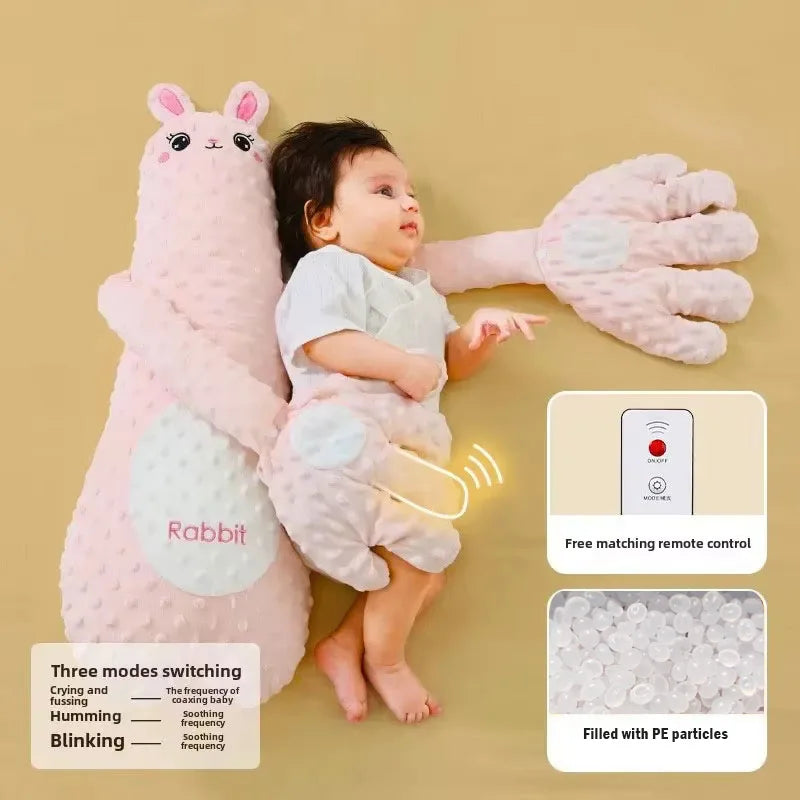
Calming plush toys and infant soothing techniques working together 💡 See it in action
How Building a Calm Routine Prevents Meltdowns
Consistency is one of the most powerful ways to soothe a crying infant before tears begin. Predictable routines help babies anticipate what comes next.
- Same bedtime sequence each night
- Consistent feeding cues from Feeding & Nursing
- Safe sleep environment guided by Health & Safety
Parents report fewer disruptions and easier settling when routines stay consistent.
Troubleshooting Common Soothing Challenges
Not every method works instantly. When soothing an infant feels difficult, small adjustments help.
| Challenge | Simple Adjustment |
|---|---|
| Baby resists being held | Try gentle patting with consistent rhythm |
| Overstimulation | Move to a quieter, darker space |
| Short naps | Introduce a familiar calming object |
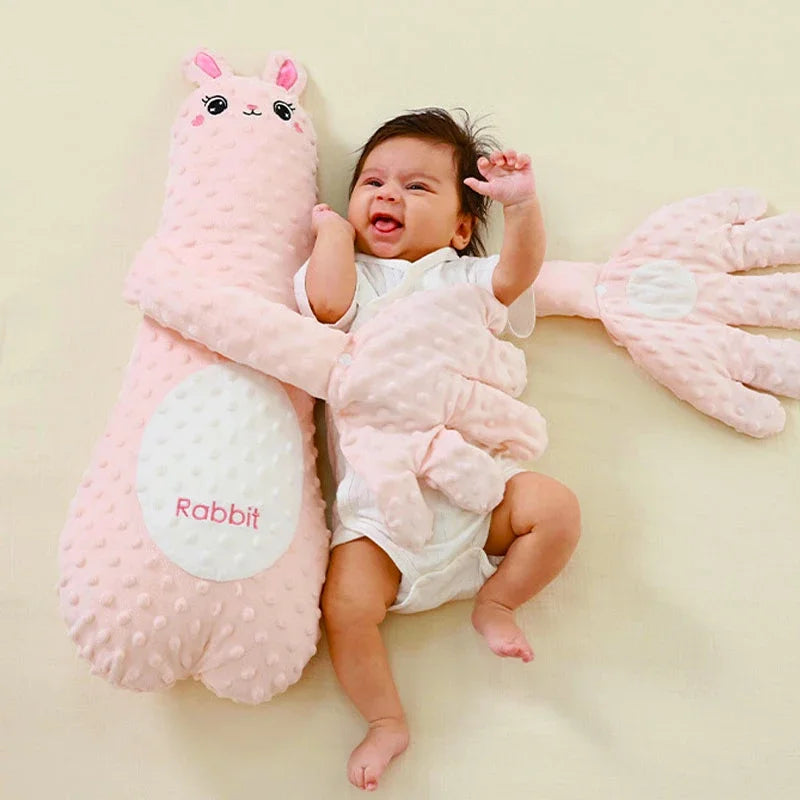
Soothing an infant with calm routines and supportive tools 💡 See it in action
Mini FAQ
How long does it take for infant soothing techniques to work?
Many parents notice calming responses within minutes, especially when techniques are applied consistently.
Are calming plush toys safe for newborns?
When used as directed and supervised, calming plush toys designed for infants can support comfort.
Can routines really reduce crying?
Yes. Predictable routines help babies feel secure, often reducing the frequency and intensity of crying.





