

Baby Monitor Night Vision Comparison: Which Looks Clearest?
Which Baby Monitor Has the Clearest Night Vision?
The baby monitor with the clearest night vision is one that combines a high-quality image sensor, strong infrared illumination, low image noise, and a sharp display. In a baby monitor night vision comparison, infrared models with automatic IR switching typically provide the most reliable overnight visibility because they can show your baby clearly in complete darkness without turning on nursery lights.
For most families, the best night vision performance comes from monitors that offer:
- Clear infrared baby monitor imaging in total darkness
- Balanced brightness without washed-out details
- Wide viewing angles for full crib coverage
- Smooth motion tracking during sleep movements
- Low-latency video for quick nighttime checks
Infrared Camera Night Vision Monitors Compared for Clear Sleep Views
Infrared camera night vision helps parents see what happens after bedtime, but not every baby monitor delivers the same clarity. This baby monitor night vision comparison clearest guide explains how infrared sensors work, what affects image quality, and which features matter most when checking on your baby at 3 a.m. From infrared range and display resolution to safety concerns and real nursery performance, these insights help you choose a monitor that provides dependable overnight visibility.
⏱ 8 min read
When the house becomes quiet and the nursery lights go off, a reliable monitor can make nighttime parenting easier. A blurry screen, delayed video, or unclear shadows can create unnecessary worry. Understanding how infrared baby monitors perform in real darkness helps you choose a system that gives a clearer view without disturbing your baby's sleep.
Infrared camera night vision clarity in real nursery conditions See it in action
How We Tested Night Vision Quality
To compare baby monitor night vision performance fairly, testing should focus on real nursery conditions instead of only manufacturer specifications. A strong infrared camera system should maintain clear visibility when rooms are completely dark, not just during evening lighting.
Testing environment
Night vision quality was evaluated in a controlled nursery-style setup with identical low-light conditions. Each monitor was reviewed for how well it displayed common nighttime situations, including sleeping positions, movement, and changing distances.
Scoring criteria
- Image sharpness: Ability to see facial details, blankets, and movement clearly
- Brightness and contrast: Balanced visibility without excessive glare
- Infrared performance: Consistent illumination in complete darkness
- Motion handling: Smooth video without distracting delays
- Display quality: How accurately the screen shows captured details
Distance and lighting conditions
Testing included close crib viewing, medium room distances, and larger nursery layouts. This helps reveal whether an infrared baby monitor maintains clarity beyond the ideal viewing range.
Night Vision Comparison Table: Tested Side by Side
A baby monitor night vision comparison clearest review should consider more than resolution numbers. Infrared range, sensor quality, and screen performance all influence what parents actually see overnight.
| Monitor Type | Night Image Sharpness | Infrared Range | Best Use | Main Limitation |
|---|---|---|---|---|
| Infrared LED Baby Monitor | High contrast black-and-white image | Strong for overnight viewing | Complete darkness and daily sleep checks | No color image at night |
| Low-Light Enhanced Camera | Moderate clarity | Limited without extra light | Dim bedrooms | Less reliable in full darkness |
| Standard Baby Camera | Good daytime image | Minimal night visibility | Daytime monitoring | Poor overnight performance |
For most parents, infrared baby monitor technology remains the most practical choice because it provides consistent visibility from bedtime until morning.
How Infrared Baby Monitor Night Vision Works
An infrared baby monitor uses invisible infrared LEDs and a sensitive camera sensor to create images when visible light is unavailable. The LEDs illuminate the area with infrared wavelengths, and the sensor captures the reflected light to produce a clear nighttime image.
- Infrared LEDs: Provide invisible illumination without turning on room lights
- Image sensors: Convert reflected infrared light into visible video
- Automatic IR switching: Changes between daytime color mode and nighttime infrared mode
- Black-and-white imaging: Improves contrast when color information is limited
This technology allows parents browsing Monitoring Devices to monitor sleep without interrupting natural sleep cycles.
Are Infrared Baby Monitors Safe for Babies?
Infrared baby monitors are generally considered safe when designed for normal household use. The infrared LEDs used in baby monitors emit low levels of invisible light, and the camera does not produce visible brightness that would normally disturb sleep.
Can babies see infrared light?
No. Babies cannot see infrared light because it is outside the range of human vision. The faint glow sometimes visible from a camera is usually from infrared LEDs operating near the visible spectrum, not from the infrared light itself.
Is infrared camera harmful to babies?
Parents often worry about infrared exposure, but properly designed baby monitors use very low-intensity infrared illumination intended for continuous monitoring. Positioning the camera according to manufacturer instructions helps maintain comfortable viewing conditions.
- Infrared light does not appear as normal room lighting
- Babies typically do not notice infrared operation
- Night vision helps avoid turning on disruptive lights
- Proper placement improves both safety and image quality
For additional comfort, parents often combine monitoring devices with calming nursery setups from Sleep & Comfort.
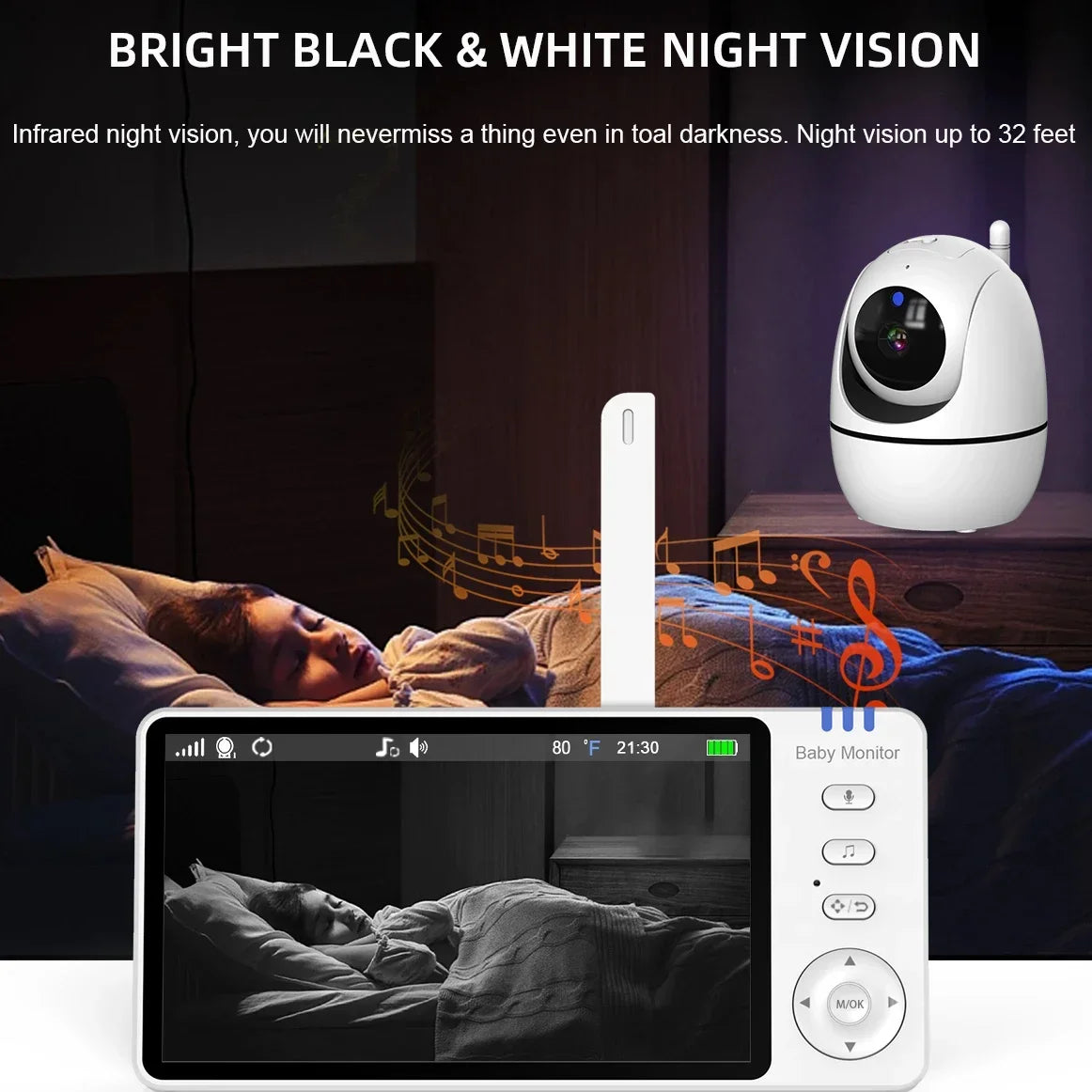
Infrared LED night vision camera showing safe nighttime operation See it in action
Best Baby Monitors Ranked by Night Vision Clarity
The best baby monitor for light sleepers depends on room size, viewing needs, and how much nighttime detail you want to see. These categories help match different family situations.
Best overall
An infrared baby monitor with HD video, strong IR illumination, and responsive controls offers the best balance of clarity, reliability, and everyday convenience.
Best for light sleepers
The best monitor for light sleepers should provide quiet operation, smooth video, and clear night images without requiring parents to enter the nursery for frequent checks.
Best budget
Affordable infrared monitors can still provide dependable overnight viewing when they include automatic night mode switching and adequate sensor quality.
Best for large rooms
Larger nurseries benefit from wide-angle lenses, stronger infrared range, and flexible camera movement to cover more sleeping space.
Best for twins
Parents monitoring two sleeping areas should prioritize wide viewing angles, stable video connections, and cameras with detailed night performance.
What Affects Night Vision Image Quality?
Several technical factors determine how clear an infrared camera night vision image appears. A higher megapixel number alone does not guarantee better nighttime viewing.
- Sensor size: Larger sensors usually capture more available light and detail
- Display resolution: A sharper screen helps parents notice smaller movements
- Digital zoom: Excessive zoom can reduce image clarity
- IR LED placement: Even illumination prevents dark corners and washed-out areas
- Field of view: Wider angles help monitor more of the crib area
Real Nursery Performance at Different Distances
A baby monitor night vision comparison review clearest infrared test should include different room layouts because distance affects image quality.
- Close-range viewing: Most monitors show the strongest details when positioned near the crib while maintaining safe placement.
- Mid-room performance: Quality infrared systems should still show clear movement and sleeping positions.
- Large-room visibility: Stronger IR range and wide lenses help reduce dark areas.
- Motion smoothness: Faster processing improves the ability to follow movement without delays.
Which Night Vision Baby Monitor Should You Buy?
The right choice depends on your nursery setup and priorities:
- For most families: Choose an infrared baby monitor with clear HD viewing and reliable overnight performance.
- For smaller budgets: Prioritize infrared capability over unnecessary smart features.
- For larger rooms: Look for wide viewing angles and strong infrared coverage.
- For light sleepers: Select a quiet monitor with low-latency video.
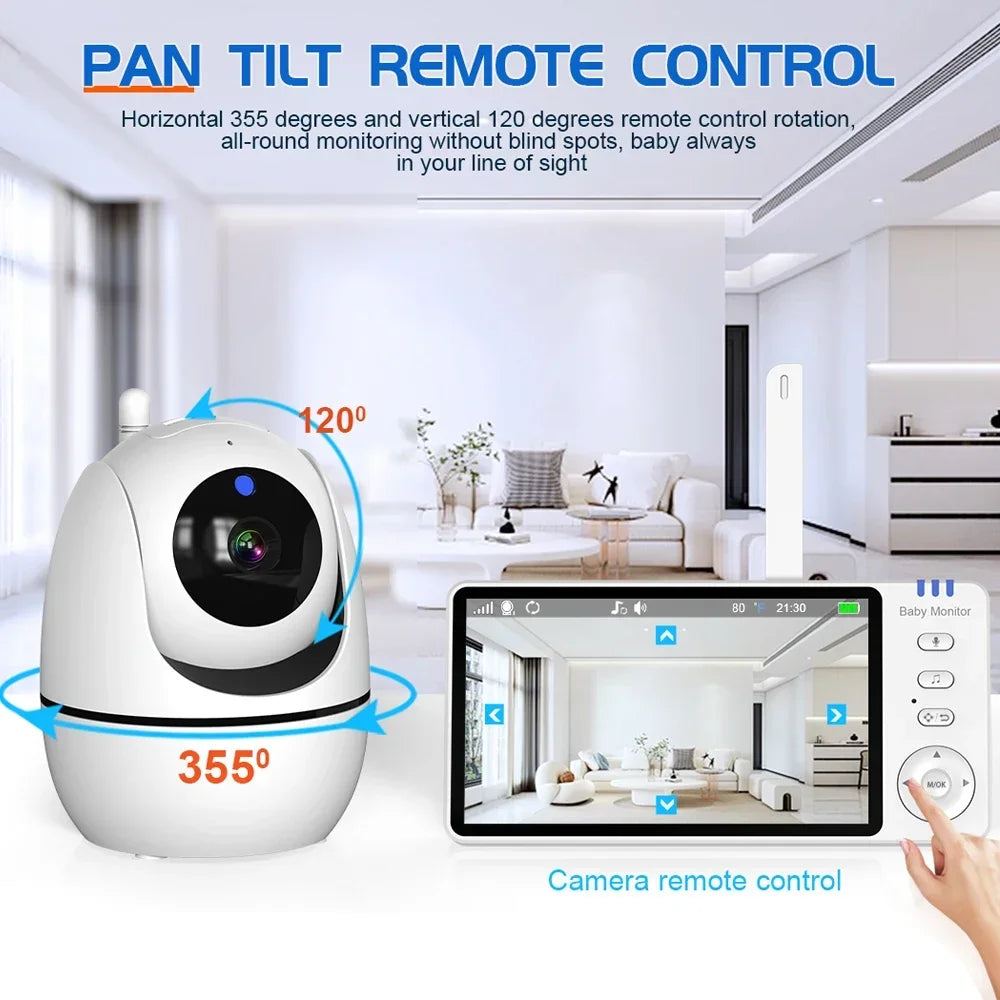
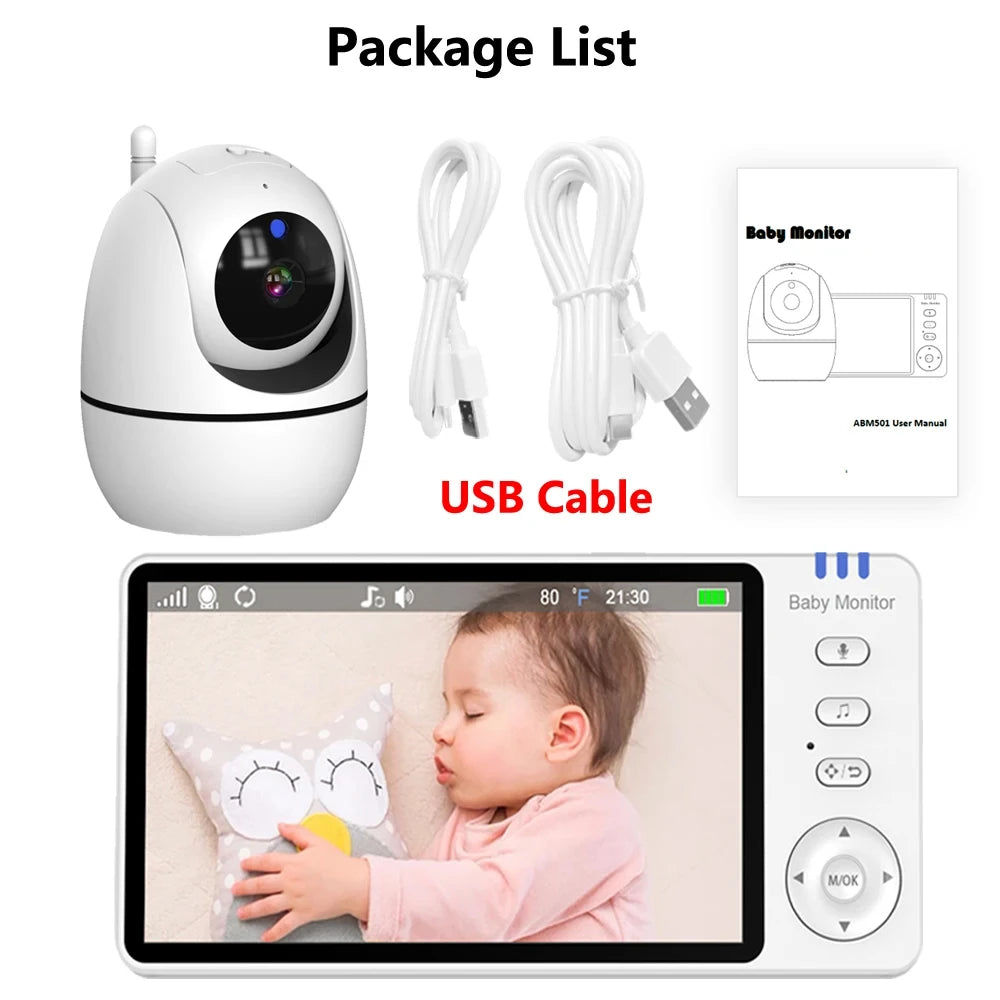
One option designed for dependable overnight monitoring is the 5-Inch Video Baby Monitor PTZ HD, offering smooth pan-tilt control and clear infrared viewing for full nursery coverage.
Infrared camera night vision clarity during deep sleep monitoring See it in action
Frequently Asked Questions
Are infrared baby monitors safe for babies?
Yes. Infrared baby monitors use low-level invisible illumination designed for normal overnight monitoring. Proper placement and following manufacturer instructions help ensure comfortable use.
Can babies see infrared light from a baby monitor?
No. Babies cannot see infrared light because it is outside the visible spectrum. The infrared system works without creating normal visible lighting in the nursery.
Why do baby monitors switch to black-and-white at night?
Baby monitors switch to black-and-white because infrared sensors capture better contrast in darkness without enough visible light for color imaging.
Does digital zoom reduce night vision clarity?
Yes. Digital zoom enlarges existing pixels, which can make nighttime images appear softer. Optical quality and sensor performance usually matter more.
How far can infrared night vision see?
Infrared range varies by monitor model. Stronger systems can cover larger rooms, but actual clarity depends on sensor quality, lens design, and room conditions.
Which baby monitor has the clearest night vision?
The clearest baby monitor night vision comes from models with strong infrared LEDs, quality image sensors, low image noise, and a sharp display. The best choice depends on your room size and monitoring needs.
Related Guide: Best Non WiFi Baby Monitors Compared for Secure Sleep





