

Is a Humidifier Good for Skin? Who Benefits Most and Why
Is a humidifier good for skin?
Is a humidifier good for skin? Yes. A humidifier helps maintain healthy moisture levels in indoor air, which supports skin hydration, reduces dryness, and eases irritation caused by dry environments. When dry air pulls moisture from the skin, especially during winter dry air months, a humidifier can help protect the skin barrier and improve comfort.
Is a Humidifier Good for Skin? Who Benefits Most and Why
⏱ 8 min read
If your skin feels tight, flaky, or irritated no matter how many creams you apply, the problem may not be your skincare routine at all. Indoor air, especially during colder months, quietly affects how your skin looks and feels every single day. Understanding whether a humidifier fits into your home and lifestyle can make a noticeable difference for comfort, confidence, and overall skin health.
Is a humidifier good for skin when dryness, tightness, or irritation just will not go away? Many families are surprised to learn how much dry air causing skin irritation impacts adults, babies, and even toddlers. Before changing products again, it may help to look at the air you breathe.
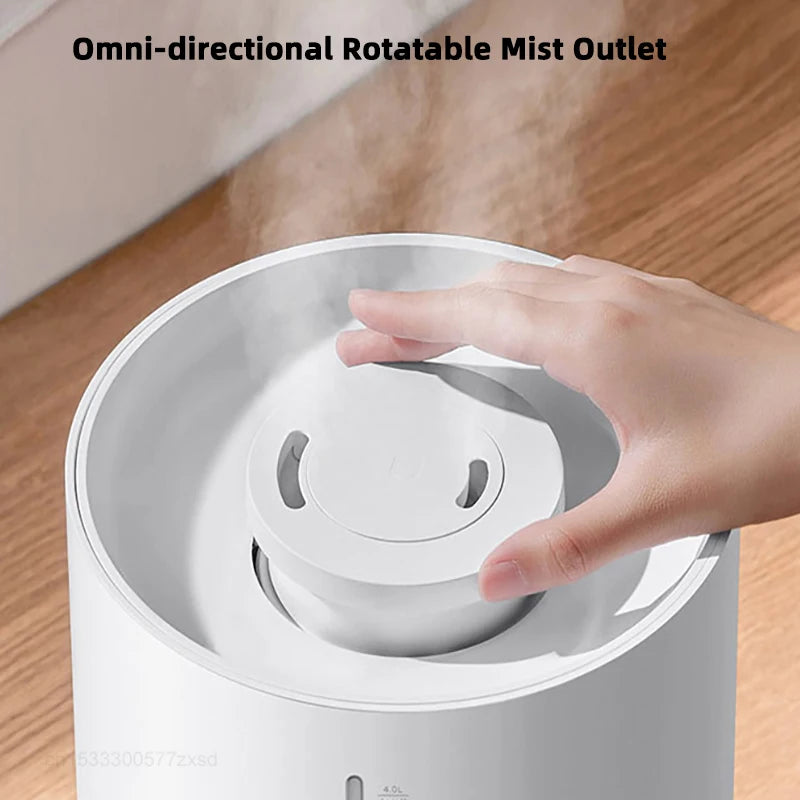
Humidifier benefits for skin during winter dry air — 💡 See it in action
Why Dry Air Causes Skin Problems
Dry air causing skin irritation is one of the most overlooked reasons people struggle with persistent dryness. Indoor heating systems lower humidity levels, pulling moisture from the environment and from your skin.
- Skin loses water faster in low humidity
- The natural skin barrier weakens
- Redness, itching, and flaking become more common
- Sensitive skin reacts more easily
For parents, this often shows up as rough patches on a baby’s cheeks, irritated hands from frequent washing, or tight skin after bedtime routines. Supporting indoor air quality can help reduce these everyday frustrations.
How a Humidifier Supports Skin Health
Is a humidifier good for skin? In controlled indoor environments, yes. By adding moisture back into the air, humidifiers help slow down moisture loss from the skin’s surface.
Maintaining balanced humidity can support:
- Better skin hydration throughout the day
- Smoother texture and reduced flaking
- Calmer skin for those prone to irritation
- Improved comfort during sleep
Many families pair a humidifier with gentle routines from Beauty & Wellness to create a more supportive environment for skin recovery.
Who Benefits Most From a Humidifier
People With Dry or Sensitive Skin
Those with naturally dry skin often notice faster relief when indoor air feels more comfortable. Moist air reduces the tight, stretched feeling that often appears by afternoon.
Babies and Young Children
Baby skin is thinner and more delicate. Dry air can quickly lead to redness or roughness. Many parents already explore solutions from Baby Care Essentials to support daily comfort.
Families Living in Cold or Dry Climates
Winter dry air is especially harsh. Heating systems run longer, and humidity drops further. A humidifier can be part of a simple seasonal adjustment that supports everyone at home.
People With Nighttime Skin Discomfort
Waking up with itchy or tight skin often signals dry air overnight. Supporting moisture during sleep may improve both skin comfort and rest quality.
Why Winter Dry Air Is Hard on Skin
Winter dry air strips moisture from skin faster than any other season. Cold outdoor air holds less moisture, and indoor heating lowers humidity even further.
| Season | Indoor Humidity | Skin Impact |
|---|---|---|
| Summer | Moderate to High | Skin retains moisture more easily |
| Winter | Low | Increased dryness and irritation |
This is why many people notice worsening skin issues during colder months, even when using the same skincare products year-round.
How to Use a Humidifier Safely and Effectively
Using a humidifier properly ensures benefits without introducing new issues.
- Keep indoor humidity between 40–50%
- Clean the humidifier regularly
- Use clean water
- Place it safely away from direct contact
Parents often place humidifiers near sleep areas alongside items from Sleep & Comfort to support restful nights.
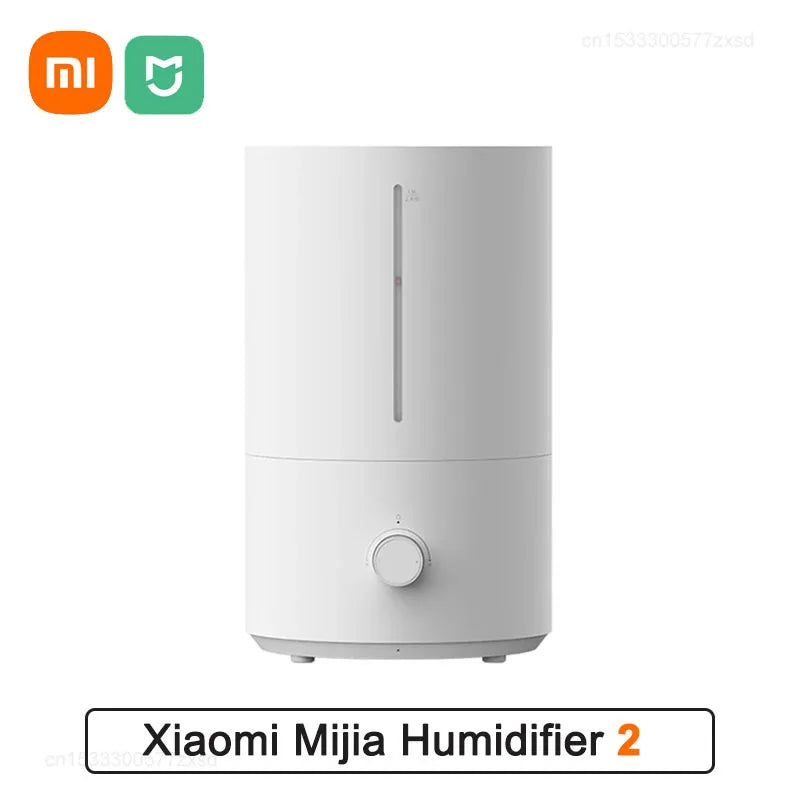
Dry air causing skin irritation at night — 💡 See it in action
Choosing the Right Humidifier for Your Needs
Different households have different needs. A quiet, steady humidifier works well for bedrooms, while larger rooms may need higher capacity.
- Low-noise operation for sleep
- Easy cleaning design
- Consistent mist output
- Safe for family environments
Many families explore supportive home solutions alongside items from Health & Safety to maintain a balanced indoor environment.
For those looking for a reliable option, the ultrasonic humidifier offers steady moisture with minimal disruption.
Real Family Experiences
Parents often share that skin routines feel more effective once indoor air is balanced. One mom noted her child’s cheeks looked calmer within days of adjusting humidity.
Another family found fewer nighttime wake-ups once dryness was reduced. While results vary, these stories highlight how environmental support can complement skincare habits.
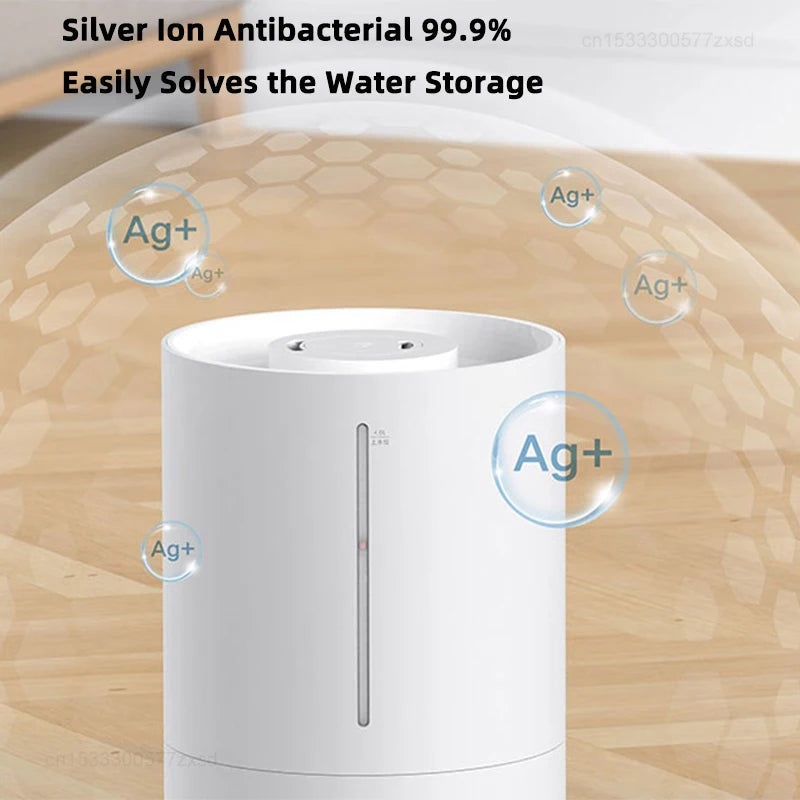
Humidifier benefits for skin at home — 💡 See it in action
Mini FAQ
Can a humidifier replace skincare products?
No. A humidifier supports the environment but works best alongside a consistent skincare routine.
Is a humidifier safe for babies?
When used properly and cleaned regularly, humidifiers are commonly used in family homes.
How long does it take to see results?
Some people notice improved comfort within days, especially during winter dry air months.
Does humidity affect sleep too?
Balanced humidity can support easier breathing and more comfortable sleep for many people.





