

Living Room Furniture Small Spaces: Choosing Right for Your Lifestyle
Does living room furniture small spaces really improve daily comfort and functionality?
Living room furniture small spaces works by combining compact proportions, flexible layouts, and multifunctional design to maximize comfort without crowding. The right pieces provide seating, storage, and relaxation in one footprint, helping urban homes feel open, organized, and tailored to real-life routines.
Living Room Furniture Small Spaces: Choosing Right for Your Lifestyle
⏱ 6 min read
Living room furniture small spaces can feel limiting, especially when your home needs to support work, rest, family time, and self-care. If your living room feels cramped, cluttered, or underused, you’re not alone. The good news? Thoughtful furniture choices can reshape how you live, relax, and connect—without sacrificing comfort or style.
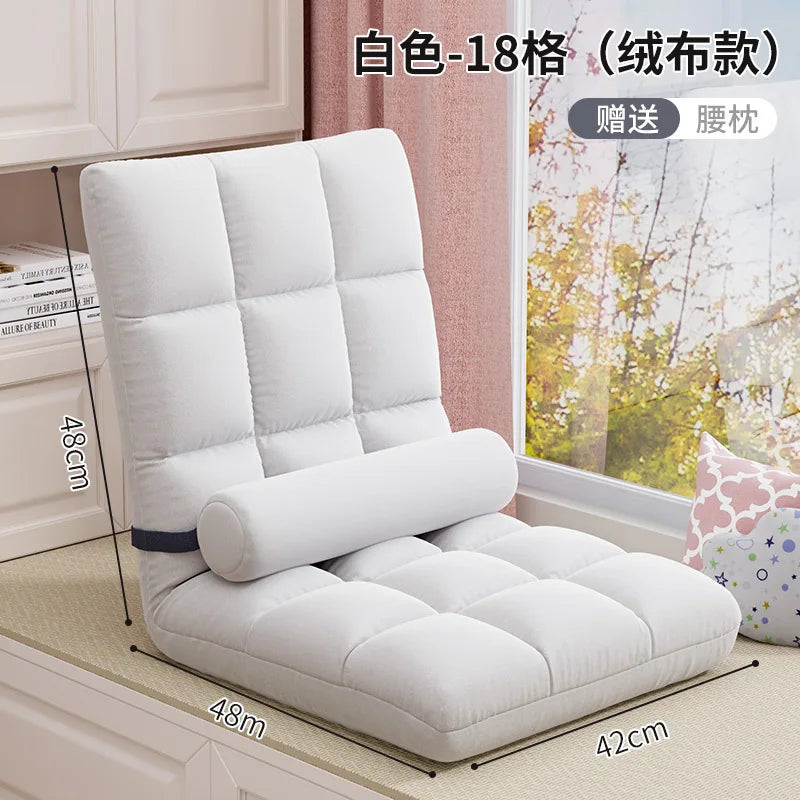
Living room furniture small spaces meets modern minimalist home furniture — 💡 See it in action
Why Small Living Rooms Need Smarter Furniture Choices
Small living rooms aren’t just scaled-down versions of larger spaces. They carry more responsibility. One room may need to function as a lounge, reading nook, guest bed, meditation area, or family play zone—all within a limited footprint.
Common frustrations include:
- Furniture that overwhelms the room visually
- Limited storage leading to clutter
- Rigid seating that doesn’t adapt to daily needs
- Lack of comfort for rest or relaxation
Choosing living room furniture small spaces is about matching furniture to real life, not just floor plans.
How to Choose Living Room Furniture Small Spaces
Living room furniture small spaces should prioritize flexibility, scale, and comfort without visual heaviness. The best choices adapt to daily routines, offer multiple functions, and maintain clear walking paths. Lightweight forms, neutral tones, and modular designs help small rooms feel open while still supporting relaxation, family time, and personal wellness.
- Measure usable space, not just wall-to-wall size
- Choose furniture with more than one purpose
- Keep sightlines open with low-profile designs
- Prioritize comfort where you spend the most time
Which piece of furniture do you actually use every single day? Start there.
Why Small Space Multifunctional Furniture Changes Everything
Small space multifunctional furniture solves multiple pain points at once. Instead of adding more pieces, one well-designed item can replace two or three bulky ones.
- Seating that doubles as a resting or nap area
- Furniture that shifts between daytime and evening use
- Compact designs that support relaxation without clutter
- Easy reconfiguration for guests or family time
Parents, caregivers, and wellness-focused households often find multifunctional furniture reduces daily stress by simplifying routines.
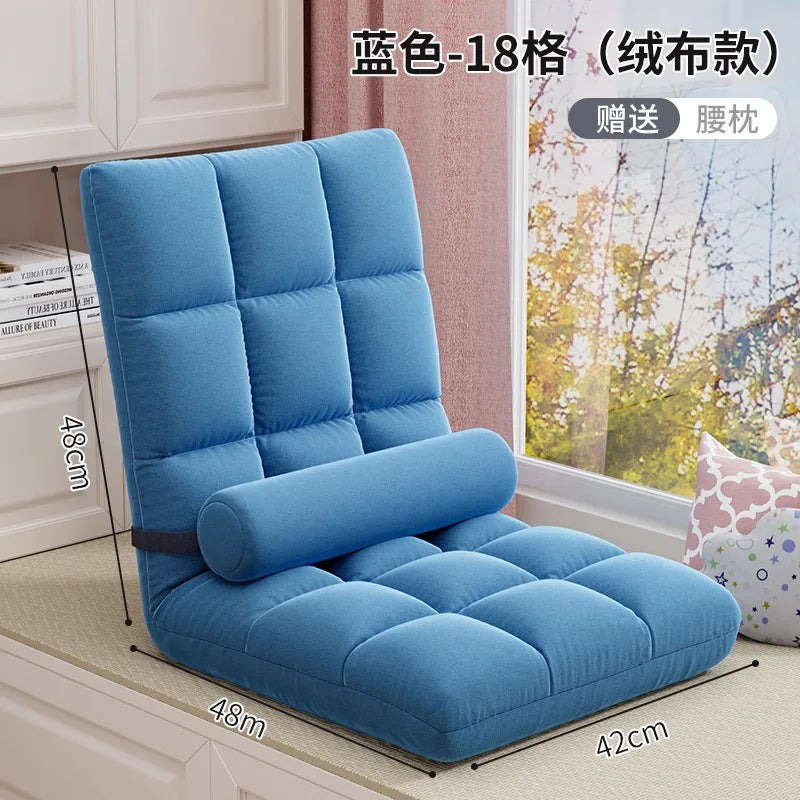
Small space multifunctional furniture designed for comfort and flexibility — 💡 See it in action
Furniture Ideas for Small Rooms Based on Your Lifestyle
For Parents Who Need Calm and Comfort
Living rooms often become shared family zones. Soft, adaptable seating supports story time, soothing moments, or quiet evenings once kids are asleep. Pairing your layout with items from Sleep & Comfort can help reinforce a calming environment.
For Wellness-Focused Urban Living
If your living room doubles as a space for stretching, mindfulness, or relaxation, minimal furniture that can be moved or folded away matters. Compact seating works well alongside products from Massage & Relaxation for intentional downtime.
For Work-From-Home Flexibility
Furniture ideas for small rooms should support posture during the day and relaxation at night. Pieces that transition from upright seating to lounging keep your space functional without feeling like an office.
A Flexible Seating Solution for Compact Living
Living room furniture small spaces benefits most from adaptable seating that fits changing needs. A low-profile, foldable sofa-chair hybrid offers support for sitting, lounging, reading, or resting—without dominating the room.
Many families appreciate options like the lazy sofa tatami chair bed because it adapts effortlessly throughout the day.
- Morning coffee seating
- Afternoon relaxation or reading
- Evening lounging or guest use
- Compact storage when not in use
Parents often mention how flexible seating helps maintain comfort during long days while keeping the living room visually calm.
Modern Minimalist Home Furniture Layout Tips
Modern minimalist home furniture emphasizes breathing room. In small living rooms, layout matters just as much as furniture choice.
- Float furniture away from walls when possible
- Use fewer, better pieces instead of many small ones
- Stick to consistent textures and tones
- Allow negative space to remain visible
This approach supports emotional ease, especially for households balancing parenting, work, and personal wellness.
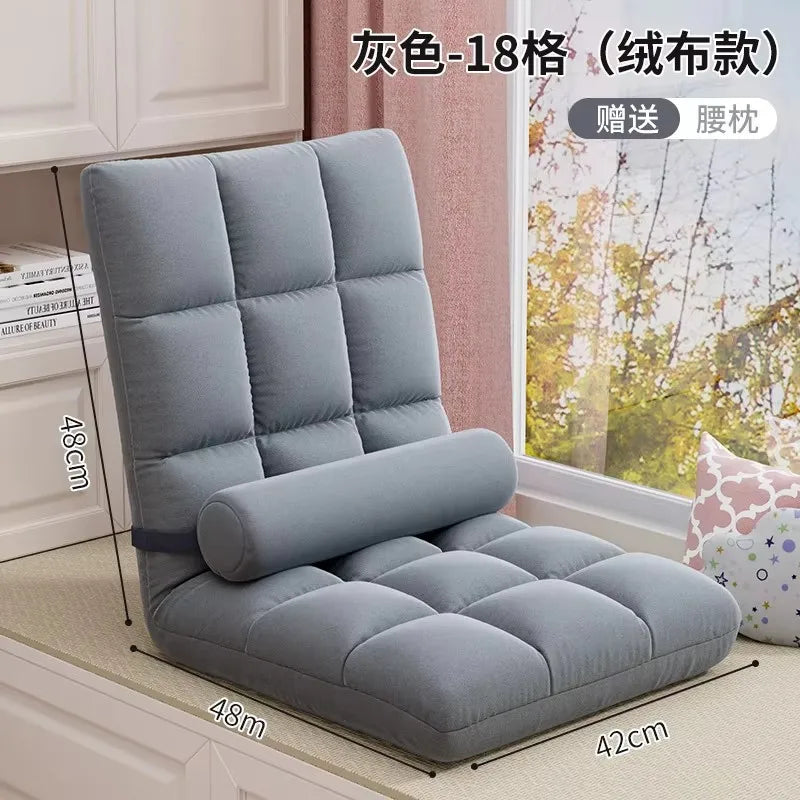
Modern minimalist home furniture for compact living rooms — 💡 See it in action
Quick Comparison: Traditional vs Space-Saving Furniture
| Feature | Traditional Furniture | Small Space Multifunctional Furniture |
|---|---|---|
| Footprint | Large, fixed | Compact, adaptable |
| Function | Single-use | Multi-use |
| Storage | Often separate | Integrated or flexible |
| Visual Impact | Heavy | Light and minimal |
Mini FAQ
What type of sofa works best for living room furniture small spaces?
Low-profile, modular, or foldable seating works best because it maintains comfort while allowing flexible layouts.
Is multifunctional furniture durable enough for daily use?
Quality multifunctional furniture is designed for frequent transitions and supports daily routines when chosen thoughtfully.
How do I keep a small living room from feeling cluttered?
Limit furniture count, choose pieces with multiple uses, and maintain clear walking paths to preserve openness.
Can modern minimalist home furniture still feel cozy?
Yes. Soft textures, warm lighting, and adaptable seating add comfort without visual heaviness.
Related Guide: Dorm Room Furnishings: Best Picks for Every Student Need





