

Loud Music While Pregnant: Risks, Safe Limits, and Expert Advice
Is Loud Music While Pregnant Safe? What the Evidence Says
Loud music while pregnant is usually not harmful when exposure is occasional and kept at reasonable volume levels. Everyday listening, gentle music, and short periods around louder sounds are generally considered safe. However, repeated exposure to very loud environments, especially above recommended noise levels for long periods, may increase concerns about fetal hearing development and maternal stress.
Key takeaways:
- Occasional exposure to loud music during pregnancy is unlikely to cause harm.
- Long, repeated exposure to very loud sounds may increase risks and should be limited.
- Comfortable volume levels, shorter listening sessions, and distance from speakers are practical ways to reduce exposure.
- Your baby is naturally protected by the uterus and amniotic fluid, which reduce outside sound intensity.
Loud Music During Pregnancy: Safe Levels Compared
Loud music during pregnancy is a common concern for parents who enjoy concerts, headphones, or daily playlists but want to support their baby’s healthy development. Understanding how sound travels through the womb, what volume levels are considered safer, and when loud noise exposure may become a concern can help you make confident choices throughout pregnancy.
⏱ 8 min read
Many parents wonder whether loud music and pregnancy can affect a baby’s hearing, stress levels, or development. The reassuring news is that most normal listening habits are safe. The main concern is prolonged exposure to very high sound levels rather than occasional music experiences.
Loud music during pregnancy explained with safe sound levels for infants — See it in action
How Sound Reaches Your Baby in the Womb
Sound reaches your baby differently during pregnancy because it passes through your body, uterus, and amniotic fluid before being detected. The womb naturally reduces some outside sound intensity, making most environmental noise softer than it sounds to you.
How loud is it in the womb?
The womb is not completely silent. Your baby hears a combination of internal sounds, including your heartbeat, breathing, digestion, and voice. External sounds are filtered, especially higher-frequency noises.
- Amniotic fluid helps cushion and soften outside sounds.
- Rhythm and vibration may be easier for babies to detect than sharp sounds.
- Your voice is one of the most familiar sounds because it travels internally through your body.
- External pregnancy noise becomes more noticeable as hearing develops.
When can babies hear during pregnancy?
Fetal hearing develops gradually. Early in pregnancy, the structures needed for hearing begin forming, while the ability to respond to sounds becomes stronger during the second and third trimesters.
- First trimester: Hearing structures begin developing, but sound perception is limited.
- Second trimester: The baby begins detecting sounds from inside and outside the womb.
- Third trimester: Responses to familiar voices, rhythms, and repeated sounds become more noticeable.
What Decibel Level Is Safe for Pregnancy?
When considering what decibel level is safe for pregnancy, both volume and duration matter. Short exposure to louder sounds is different from spending hours in a very noisy environment.
| Sound Source | Approx. Decibels | Pregnancy Consideration |
|---|---|---|
| Soft conversation | 50–60 dB | Generally safe |
| Relaxing music at home | 60–65 dB | Comfortable listening range |
| Vacuum cleaner or busy household noise | 70–75 dB | Limit prolonged exposure |
| Live concert or nightclub | 100+ dB | Avoid extended exposure near speakers |
Everyday noise examples
Most daily activities do not create dangerous sound exposure. Normal conversations, household sounds, and moderate music are typically not a concern.
Workplace and event exposure
People who regularly work around loud machinery, construction equipment, or industrial noise may need additional protection. Consistent workplace exposure to high sound levels should be discussed with an employer or healthcare provider.
Can Loud Music Harm Your Baby's Hearing or Development?
Many parents ask, “Is loud music bad for a fetus?” Current understanding suggests that occasional loud music exposure is unlikely to harm a developing baby. The greater concern is repeated, high-intensity noise exposure over long periods.
What research shows
Research on loud music and pregnancy focuses mainly on prolonged occupational noise exposure and very loud environments. Babies are protected by layers of tissue and fluid, but extreme or constant noise may create additional stress on the developing auditory system.
When risk may increase
Potential concerns are more likely when exposure involves:
- Very loud sounds for many hours at a time
- Frequent attendance at high-volume venues close to speakers
- Work environments with constant loud machinery
- Physical discomfort, stress, or ringing ears after exposure
For most parents, realistic risk assessment means focusing on reducing repeated high-volume exposure rather than avoiding all music.
Are Concerts, Festivals, and Headphones Safe During Pregnancy?
Many people ask, “Can you listen to loud music while pregnant?” In many cases, the answer depends on how loud the environment is, how long you stay, and how close you are to the sound source.
Concerts and clubs
Occasional concerts may be enjoyable during pregnancy, but practical precautions help reduce exposure:
- Stand farther away from large speakers.
- Take breaks in quieter areas.
- Leave if the volume feels physically uncomfortable.
- Avoid spending long periods in extremely loud environments.
Car speakers and home audio
Listening to music at home or in a vehicle is usually easier to control. Keep the volume comfortable rather than maximizing bass or intensity.
Headphones on your belly
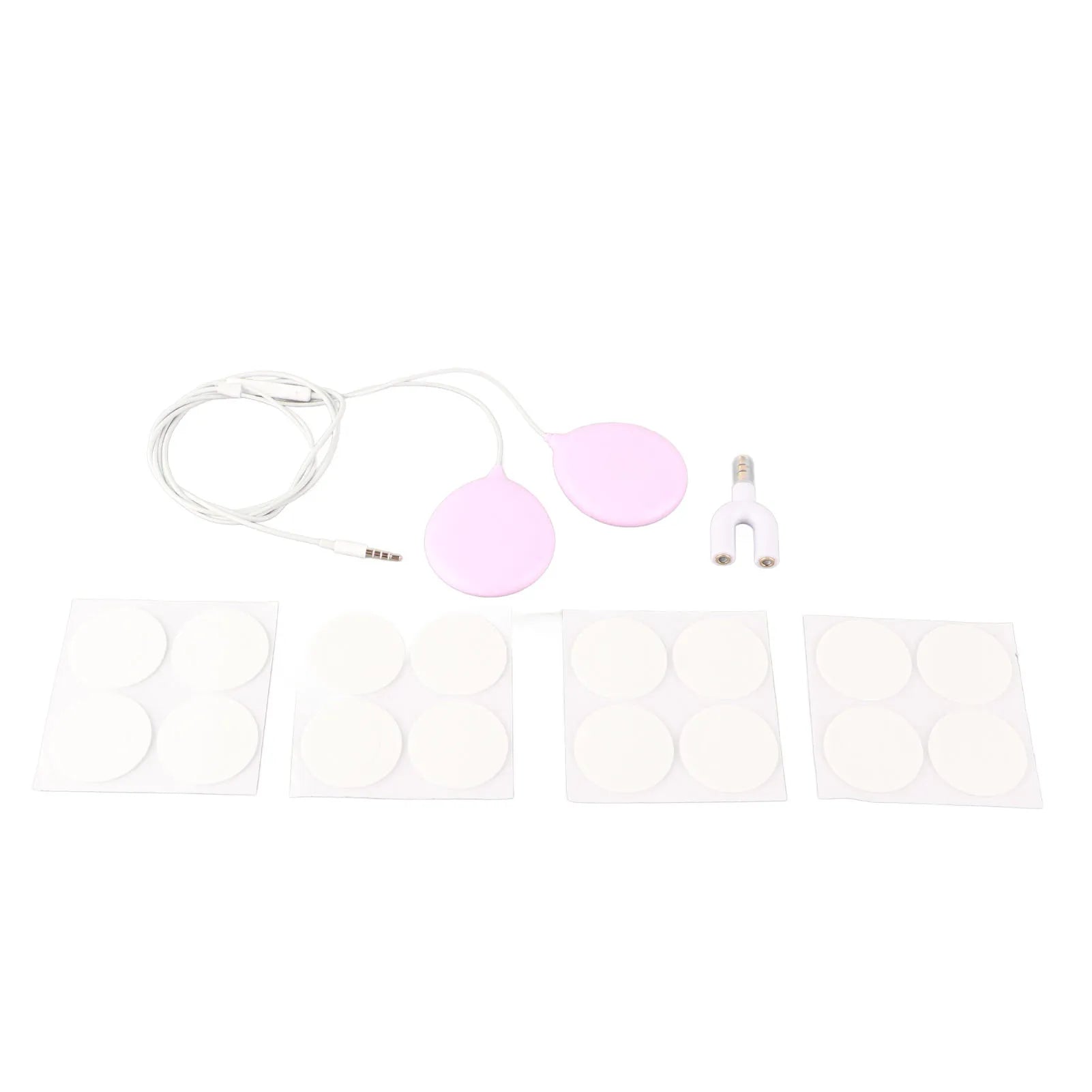
Specialized pregnancy belly headphones are designed for gentle listening, but volume should remain moderate. Direct sound close to the abdomen does not mean louder is better.
See how pregnancy belly headphones are used for gentle listening
Does the Risk Change by Trimester?
First trimester
During early pregnancy, the baby’s hearing system is still developing. General precautions focus on maintaining a healthy environment and avoiding unnecessary extreme noise exposure.
Second trimester
As hearing development progresses, babies begin responding more to sounds. Moderate music and familiar voices can become part of bonding routines.
Third trimester
During late pregnancy, loud noises during pregnancy third trimester concerns are usually related to repeated, intense exposure rather than normal music listening. Staying away from prolonged high-volume environments remains the best approach.
Listening to Music While Pregnant: Benefits and Safe Habits
Listening to music while pregnant can be a positive part of a relaxation routine. While music does not guarantee specific developmental outcomes, it can support a calmer environment for both parent and baby.
- Encourages maternal relaxation and stress reduction
- Creates bonding moments during pregnancy
- Supports calming bedtime routines
- Provides enjoyable sensory experiences
Choosing comfortable volume
A simple rule is to keep music at a level where you can comfortably hold a conversation. If the sound feels overwhelming, painful, or causes ringing in your ears, it is likely too loud.
How long to listen
Short, enjoyable sessions are often more practical than long periods of continuous playback. Many parents choose 10–20 minutes during quiet routines, relaxation time, or before sleep.
Parents may also explore related resources about fetal hearing development during pregnancy , stress management during pregnancy , and pregnancy sleep tips for additional comfort strategies.
Safe listening habits during pregnancy and gentle prenatal routines — See it in action
Frequently Asked Questions
Can you listen to loud music while pregnant?
Yes, occasional loud music exposure is usually not considered harmful. However, avoid prolonged exposure to very high volumes and move away from speakers when possible.
Is loud music bad for a fetus?
Occasional music is unlikely to harm a fetus. The main concern is repeated exposure to extremely loud sounds over extended periods.
What decibel level is considered safe during pregnancy?
Moderate listening levels around 60–65 dB are generally more comfortable for everyday use. Higher levels should be limited, especially when exposure lasts a long time.
Can going to a concert while pregnant hurt my baby?
A single concert is unlikely to cause harm, especially when precautions are taken. Avoid standing directly beside speakers and take breaks from loud areas.
Are loud noises more dangerous in the third trimester?
The third trimester is when hearing is more developed, so avoiding prolonged high-volume noise remains important. Normal daily sounds and moderate music are generally not a concern.
How loud is it inside the womb?
The womb reduces many outside sounds, making them softer than they are externally. Your baby mainly experiences a mix of internal body sounds and filtered external noise.
Can headphones placed on the belly affect the baby?
Headphones designed for pregnancy use can be used at moderate volume. The goal is gentle listening, not increasing sound intensity.
When does a baby start hearing sounds during pregnancy?
Hearing develops gradually, with sound awareness becoming stronger during the second trimester and continuing to mature before birth.
What should I do after accidental exposure to very loud noise?
Move away from the noise source, rest in a quieter environment, and monitor how you feel. Occasional accidental exposure is usually not a reason for panic.
When should I contact your healthcare provider about noise exposure?
Contact your healthcare provider if you have concerns after repeated extreme noise exposure, experience unusual symptoms, or want personalized guidance about your pregnancy situation. You can also review guidance on when to call your healthcare provider during pregnancy .
When approached thoughtfully, loud music during pregnancy does not need to be avoided completely. Understanding safe listening habits, limiting prolonged loud noise exposure, and choosing comfortable music routines can help you enjoy sound while supporting your baby’s developing world.
Related Guide: Prenatal Music Headphones Compared: Which Is Safest?





