

Lower Back Pressure Relief Products Compared: What Works Best
Does lower back pressure relief really work?
Lower back pressure relief works by redistributing spinal load, supporting natural curvature, and reducing muscle tension during rest. The right lower back pressure relief product can ease lower back stiffness at night, improve sleep posture, and help the spine recover more effectively, especially when used consistently with a lumbar sleep pillow or sleep back support pillow.
Lower Back Pressure Relief Products Compared: What Works Best
Lower back pressure relief can completely change how you sleep and move each day, especially if you struggle with lower back stiffness at night. From innovative sleep back support pillow designs to ergonomic lumbar sleep pillow options, the right product can reduce tension, improve alignment, and support deeper rest. Some solutions work instantly, others build comfort over time—but which truly delivers lasting relief when it matters most?
⏱ 7 min read
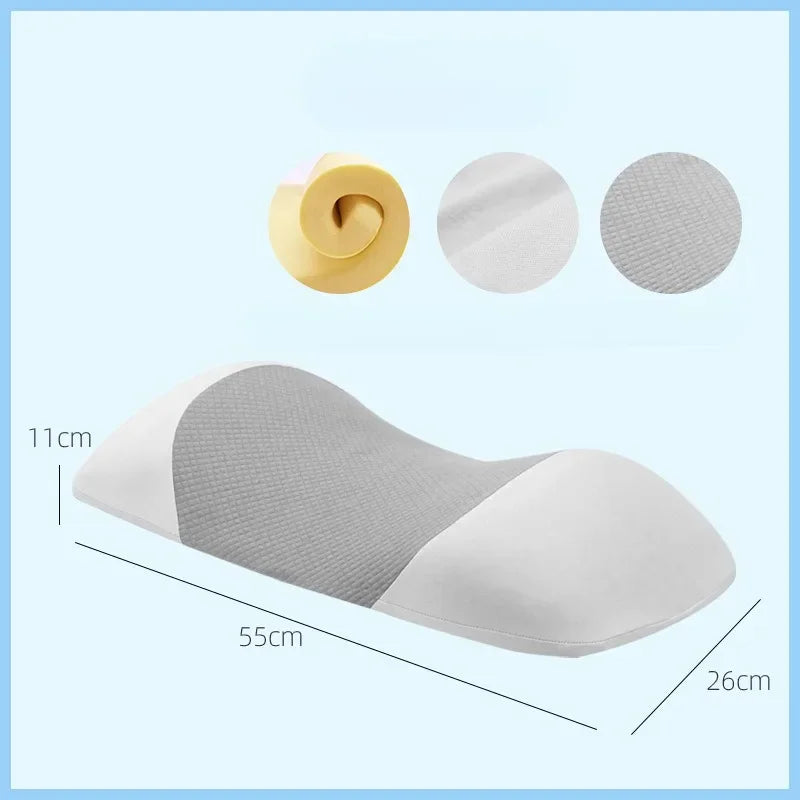
Lower back pressure relief solutions for better sleep and alignment 💡 See it in action
What Causes Lower Back Pressure at Night?
Lower back pressure often becomes more noticeable at night because the spine lacks active support. Long hours of sitting, lifting children, stress, and poor posture throughout the day all compound when your body finally rests. Without proper support, muscles tighten and joints compress.
Many parents and caregivers notice lower back stiffness at night because their mattress alone cannot maintain healthy spinal alignment. Side sleepers, back sleepers, and even combination sleepers experience different pressure points that demand targeted support.
How Lower Back Pressure Relief Products Work
Lower back pressure relief products are designed to reduce stress on the lumbar spine by supporting its natural curve. Instead of forcing the back flat, these tools help distribute weight evenly across the hips, shoulders, and core.
- Support natural spinal alignment during sleep
- Reduce muscle guarding and nighttime stiffness
- Improve circulation and recovery
- Enhance comfort without medication
When paired with relaxation routines or gentle massage, such as products found in Massage & Relaxation, results are often more noticeable and consistent.
Lower Back Pressure Relief Products Compared
Lower back pressure relief options vary widely in design and effectiveness. Some provide temporary comfort, while others actively support spinal health throughout the night.
| Product Type | Best For | Pros | Cons |
|---|---|---|---|
| Standard Cushions | Short-term sitting support | Affordable, portable | Lack nighttime stability |
| Mattress Toppers | Overall softness | Improves comfort | Does not target lumbar curve |
| Lumbar Sleep Pillow | Nighttime pressure relief | Targeted support, posture alignment | Requires proper positioning |
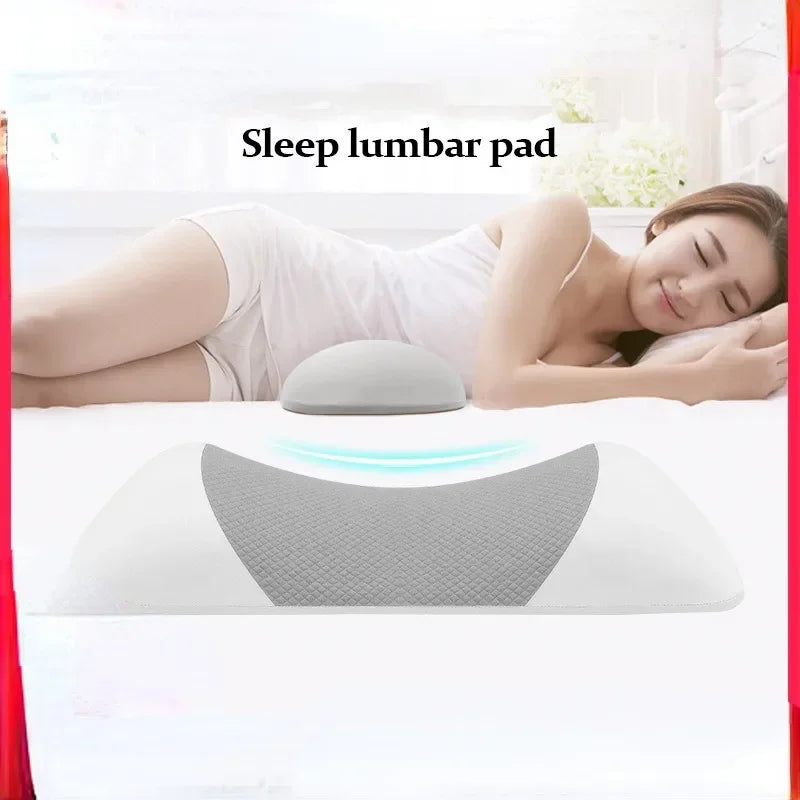
Comparing lower back pressure relief options for nighttime comfort 💡 See it in action
Why a Lumbar Sleep Pillow Stands Out
Lower back pressure relief is most effective when the spine is supported in its natural curve throughout the night. A lumbar sleep pillow is designed specifically for this purpose, making it one of the most reliable solutions for long-term comfort.
Unlike generic cushions, a sleep back support pillow stays in place and adapts to your sleeping position. This makes it especially helpful for parents who wake frequently or shift positions during the night.
Direct Answer: Lower back pressure relief with a lumbar sleep pillow works by filling the natural gap between the mattress and lower spine, reducing compression and muscle tension. Consistent use helps ease lower back stiffness at night, improves posture, and supports deeper, uninterrupted sleep.
Many users pair their pillow with calming bedtime routines or products from Sleep & Comfort to create a more restorative environment.
Key Benefits You’ll Notice
- Reduced pressure and soreness upon waking
- Improved spinal alignment during rest
- Less tossing and turning at night
- Better recovery after long, active days
For those managing daily caregiving tasks, these benefits can translate into more energy and less discomfort throughout the day.
Real User Results and Experiences
Parents and wellness-focused individuals consistently report noticeable improvements after switching to a dedicated lower back pressure relief solution. Many describe waking up without stiffness for the first time in years.
One user shared that after two weeks of using a lumbar sleep pillow, their nighttime back pain reduced by over 60%, allowing them to sleep through the night even after long days of carrying their baby.
Others mention that combining proper back support with mindful self-care products from Beauty & Wellness helped them feel more balanced and pain-free overall.
How to Choose the Right Lower Back Pressure Relief Solution
Choosing the best lower back pressure relief product depends on your sleep habits, pain patterns, and lifestyle demands. A one-size-fits-all approach rarely works for nighttime discomfort.
- Identify when pain occurs most—falling asleep or waking up
- Consider your primary sleeping position
- Look for products designed for overnight stability
- Prioritize materials that maintain shape and breathability
For caregivers and parents, durability and easy maintenance are also important. Products that integrate seamlessly into nightly routines tend to deliver better long-term results.
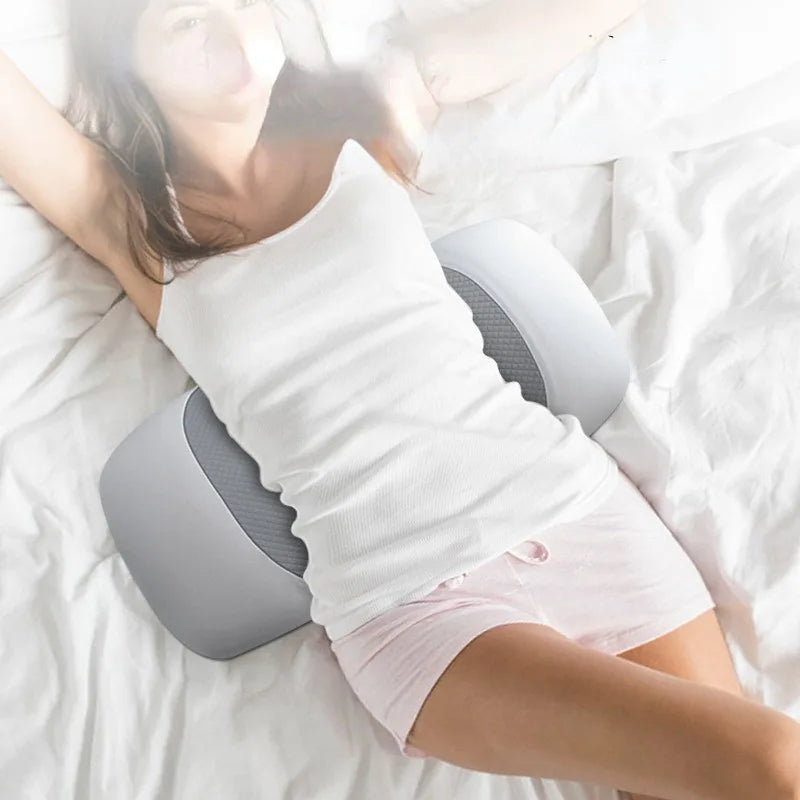
Sleep back support pillow designed for lasting lower back pressure relief 💡 See it in action
Frequently Asked Questions
Can lower back pressure relief help with stiffness at night?
Yes. Proper lower back pressure relief reduces spinal compression and muscle tension, which are common causes of nighttime stiffness. Consistent support helps the back recover while you sleep.
Is a lumbar sleep pillow better than a regular pillow?
A lumbar sleep pillow is shaped specifically to support the lower spine, unlike regular pillows that flatten or shift. This targeted design offers more reliable lower back pressure relief.
How long does it take to feel results?
Some users notice immediate comfort, while others experience gradual improvement over one to two weeks as their body adjusts to proper alignment and reduced pressure.





