

Maintain Healthy Indoor Humidity: A Step-by-Step Home Guide
How can you maintain healthy indoor humidity year-round?
Maintain healthy indoor humidity by keeping levels between 40–60%, using simple moisture-boosting habits, and choosing tools that support continuous humidity control. This balance reduces dry skin, eases breathing, improves sleep, and protects furniture—making your home feel more comfortable and healthier every day.
Maintain Healthy Indoor Humidity: A Step-by-Step Home Guide
⏱ 12 min read
Want to maintain healthy indoor humidity without gadget overload? This friendly guide shows how to increase indoor humidity naturally, set up continuous humidity control, find the optimal humidity level for bedroom comfort, and choose the right humidifier for air conditioned room setups—boosting sleep, skin, and energy fast. Ready to feel the difference tonight?
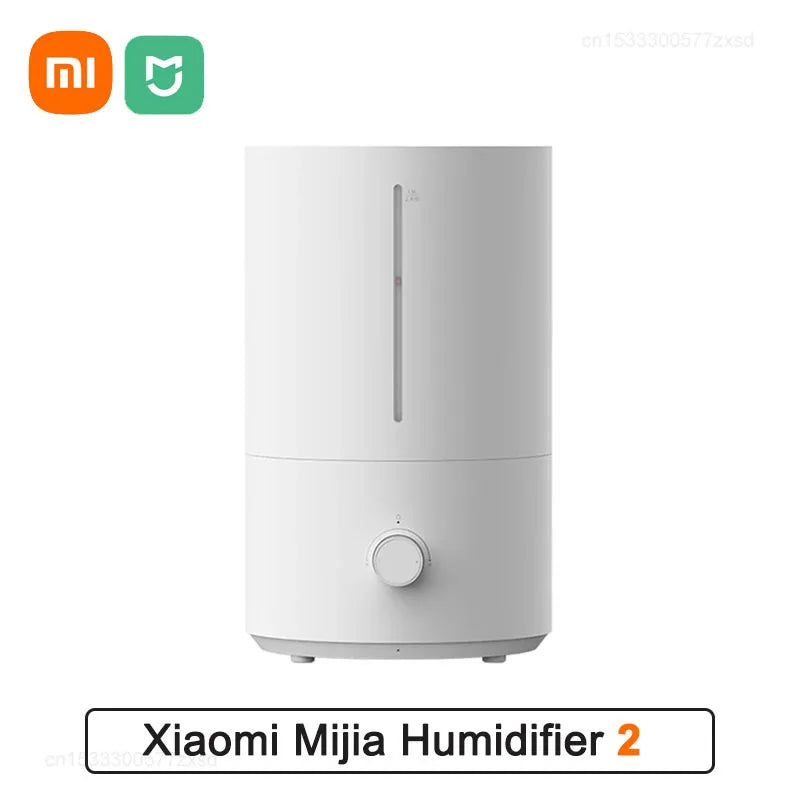
Maintain healthy indoor humidity with simple routines and smart tools. 💡 See it in action
Why Humidity Matters for Everyday Comfort
Air that’s too dry can quietly sabotage your comfort. You may wake with a scratchy throat, itchy skin, or static-filled hair. Your baby’s nose might seem stuffy. Wood floors can creak. Even houseplants can droop.
Balanced humidity acts like a soft blanket for your home. It helps your skin hold moisture, keeps nasal passages from drying out, and supports easier breathing—especially during colder months when heaters run nonstop.
What Is a Healthy Indoor Humidity Level?
Maintain healthy indoor humidity by keeping your home between 40% and 60% relative humidity. This range supports easier breathing, reduces static, protects wood surfaces, and helps skin retain moisture—without encouraging mold or dust mites.
- Below 30%: Dry air—can irritate skin, lips, and sinuses.
- 40–60%: Comfortable zone for most homes.
- Above 60%: Risk of condensation and mold.
For families, especially with newborns, staying in that middle range can make a noticeable difference in sleep quality and overall comfort.
Common Signs Your Home Is Too Dry
- Dry, itchy skin or cracked lips
- Frequent static shocks
- Scratchy throat in the morning
- More nosebleeds than usual
- Wood furniture cracking
If you’ve nodded to more than two, it’s time to take action.
How to Increase Indoor Humidity Naturally
Before adding devices, try these low-effort habits:
- Simmer water: A small pot on the stove adds moisture quickly.
- Air-dry laundry: Place a rack near a sunny window.
- Group houseplants: They release moisture naturally.
- Leave the bathroom door open: After showers, let steam travel.
These methods help, but they’re inconsistent. That’s where continuous humidity control becomes a game changer.
How to Set Up Continuous Humidity Control
Maintain healthy indoor humidity by combining consistent moisture sources with real-time monitoring. Continuous humidity control means your air stays balanced without daily guesswork.
Start with a digital hygrometer. Many families find it helpful to pair this with smart tools from Monitoring Devices to track changes throughout the day.
Optimal Humidity Level for Bedroom Sleep
The optimal humidity level for bedroom comfort sits between 45% and 55%. This range keeps nasal passages moist, reduces snoring, and supports deeper sleep.
Parents often notice babies sleep longer stretches when the air feels gentle and hydrated—especially during winter or in homes with strong air conditioning.
Nighttime Tips
- Close doors to keep humidity stable
- Use breathable bedding
- Place your humidifier away from walls
Choosing a Humidifier for an Air Conditioned Room
Air conditioning strips moisture from the air. A humidifier for air conditioned room setups should be quiet, adjustable, and easy to clean.
Look for:
- Whisper-quiet operation
- Large water tank
- Auto shut-off
- Cool mist output
Many families also explore gentle comfort add-ons from Massage & Relaxation to enhance bedtime routines.
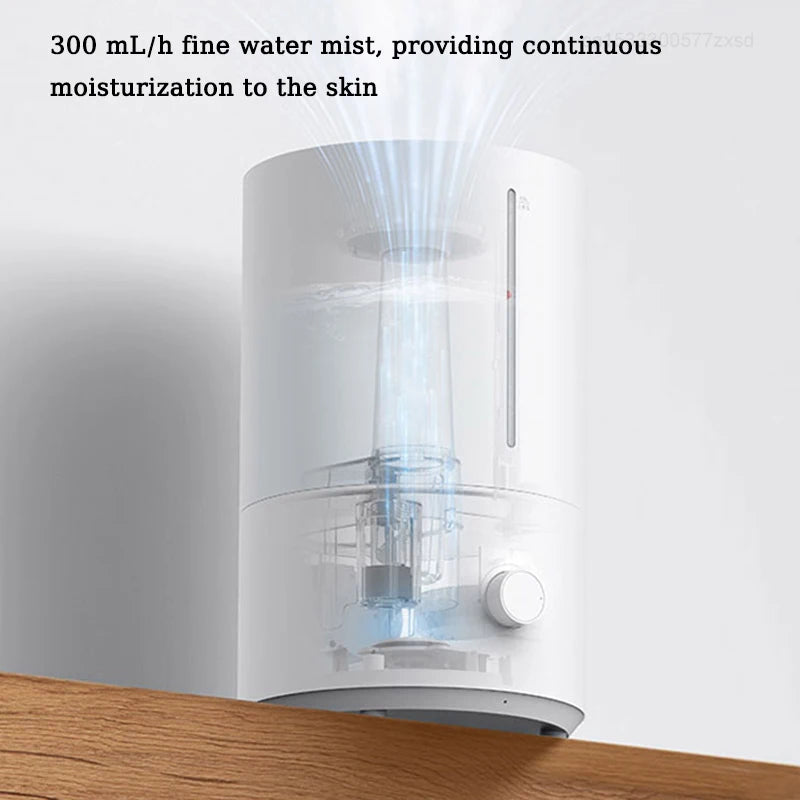
How to increase indoor humidity effortlessly—see the difference in real homes. 💡 See it in action
Your 7-Day Humidity Reset Plan
- Measure your baseline humidity
- Introduce natural moisture habits
- Adjust bedroom setup
- Add a humidifier if needed
- Track changes morning and night
- Fine-tune placement
- Enjoy balanced comfort
Families often pair this with comfort tools from Sleep & Comfort for better rest.
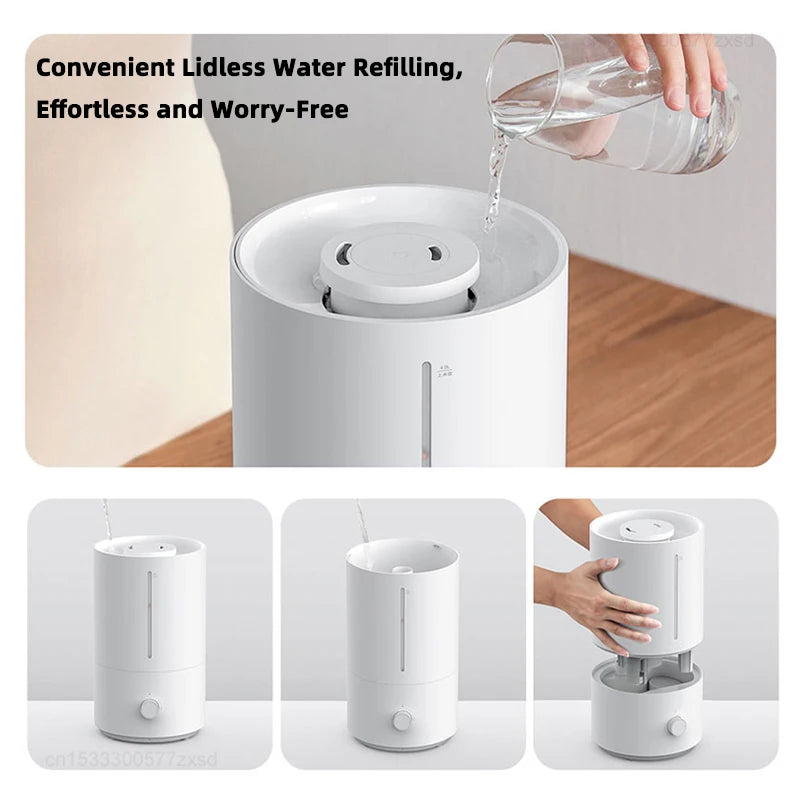
Continuous humidity control for calmer nights and happier mornings. 💡 See it in action
Common Mistakes to Avoid
- Over-humidifying
- Placing humidifiers near walls
- Ignoring cleaning routines
- Not measuring humidity
Mini FAQ
How often should I check my indoor humidity?
Once in the morning and once at night is enough for most homes.
Can too much humidity be harmful?
Yes. Levels above 60% can encourage mold and dust mites.
Is bedroom humidity different from living areas?
Bedrooms benefit from slightly higher humidity for easier breathing.
Do babies need special humidity levels?
Babies thrive around 45–55% for gentle breathing and skin comfort.





