

Maternal Fetal Bonding Tools: What Makes Audio More Effective
Do maternal fetal bonding tools really work?
Maternal fetal bonding tools work by delivering clear, consistent sound that supports prenatal stimulation and recognition. Research suggests babies can respond to familiar rhythms and voices before birth, making fetal stimulation music and structured prenatal bonding activities more effective than touch alone when audio is used safely and regularly.
⏱ 7 min read
Maternal Fetal Bonding Tools: What Makes Audio More Effective
Maternal fetal bonding tools are reshaping how parents connect before birth, using sound to turn quiet moments into meaningful prenatal stimulation. From calming routines to familiar voices, audio creates a shared ritual that fits busy lives while supporting early emotional connection. But why does sound work so well—and how can you use it safely to build stronger bonds?
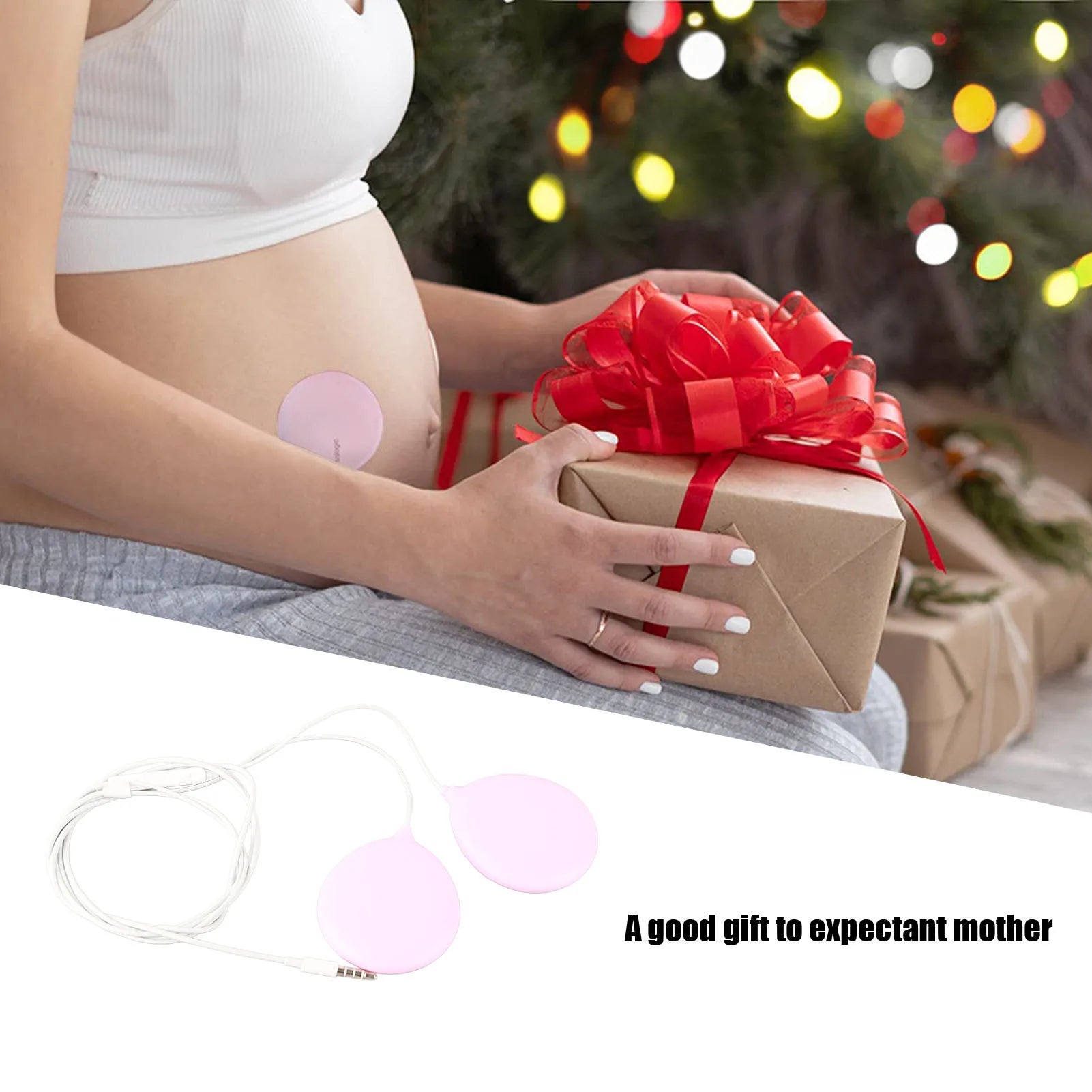
Maternal fetal bonding tools with prenatal stimulation and fetal stimulation music 💡 See it in action
Why Audio Builds a Stronger Prenatal Connection
Sound travels efficiently through the womb, making it one of the earliest senses a baby can experience. Unlike sporadic touch, audio can be repeated with the same tone, rhythm, and volume—helping babies recognize patterns and feel secure.
- Consistent rhythms support familiarity
- Voices become recognizable over time
- Music can calm both parent and baby
- Easy to integrate into daily routines
What Are Maternal Fetal Bonding Tools?
Maternal fetal bonding tools are devices or methods designed to support prenatal bonding activities through sound, movement, or gentle interaction. Audio-based tools stand out because they deliver controlled, close-range sound without relying on external speakers.
These tools often include wearable speakers or belly headphones that play fetal stimulation music, spoken words, or soothing sounds directly to the womb.
Direct Answer
Maternal fetal bonding tools using audio provide consistent prenatal stimulation by delivering music or voice close to the womb. This clarity helps babies recognize familiar sounds, supporting early emotional bonding and making prenatal bonding activities easier to repeat and maintain.
How Audio Reaches Baby Clearly and Safely
One challenge with external music is sound loss. Audio bonding tools are designed to reduce interference, delivering gentle vibrations and sound at safe levels.
- Sound is placed closer to the womb
- Lower volume reduces stress
- Consistent placement improves recognition
- Short sessions fit daily schedules
Parents exploring Health & Safety solutions often prioritize tools that balance clarity with comfort.
Audio vs. Touch: Which Works Better?
| Method | Strengths | Limitations |
|---|---|---|
| Touch | Immediate physical connection | Inconsistent response |
| Audio | Repeatable, recognizable patterns | Requires safe volume control |
Many parents combine both, but audio often becomes the anchor ritual due to its consistency.
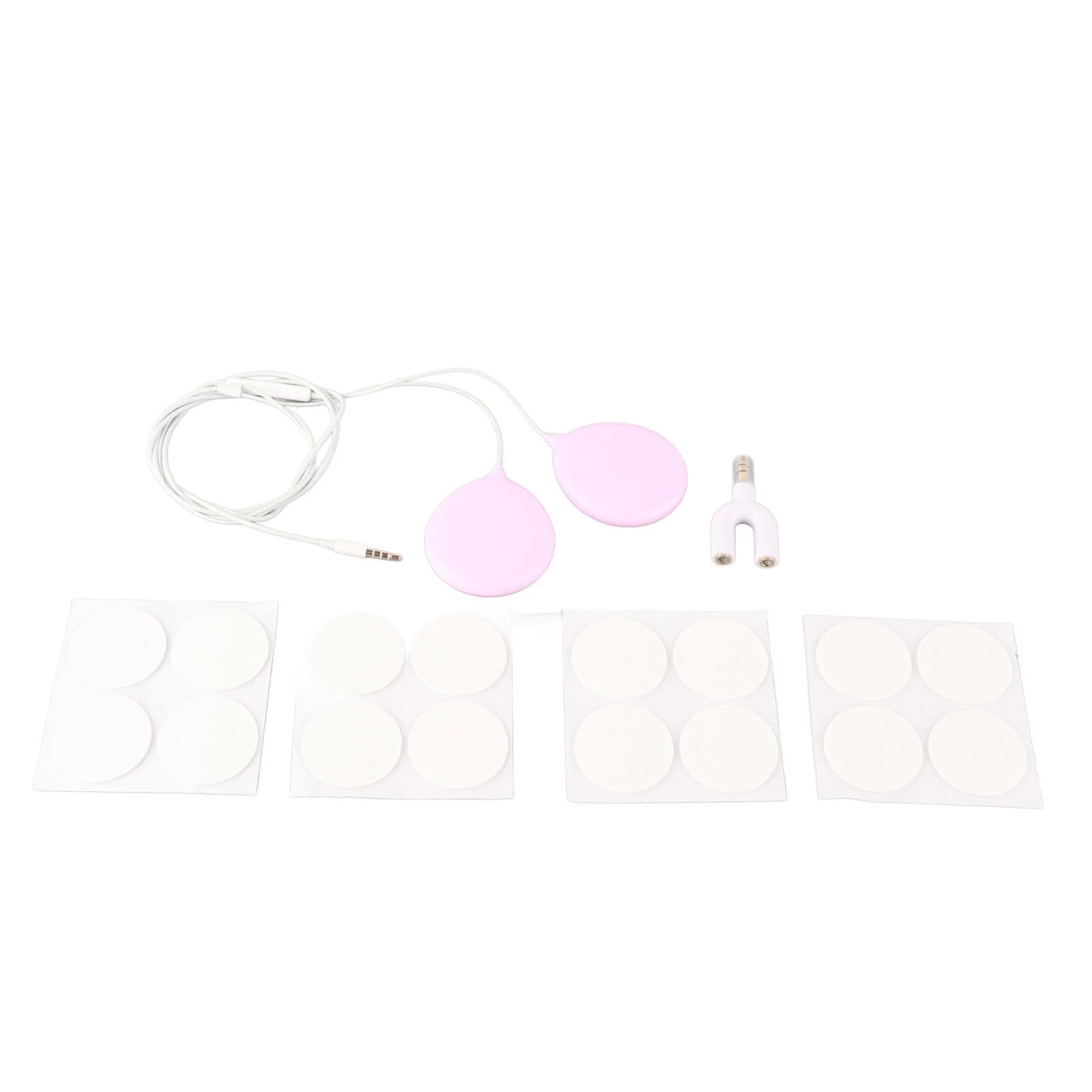
Fetal stimulation music and prenatal bonding activities 💡 See it in action
Real-Life Benefits Parents Notice
Parents frequently report calmer routines, easier relaxation, and a stronger sense of connection. Familiar sounds can become part of bedtime rituals even after birth.
- Calmer pregnancy moments
- Shared routines with partners
- Early sound recognition after birth
- Reduced stress during rest time
Exploring complementary categories like Massage & Relaxation can further support soothing routines.
How to Choose the Right Audio Bonding Tool
Comparison-focused parents often look for comfort, safety, and ease of use. The best tools fit securely, limit volume, and support repeat use without setup stress.
- Soft, adjustable materials
- Clear sound without distortion
- Simple controls
- Portable design
Many parents pair audio tools with resources from Baby Growth & Learning to support long-term development.
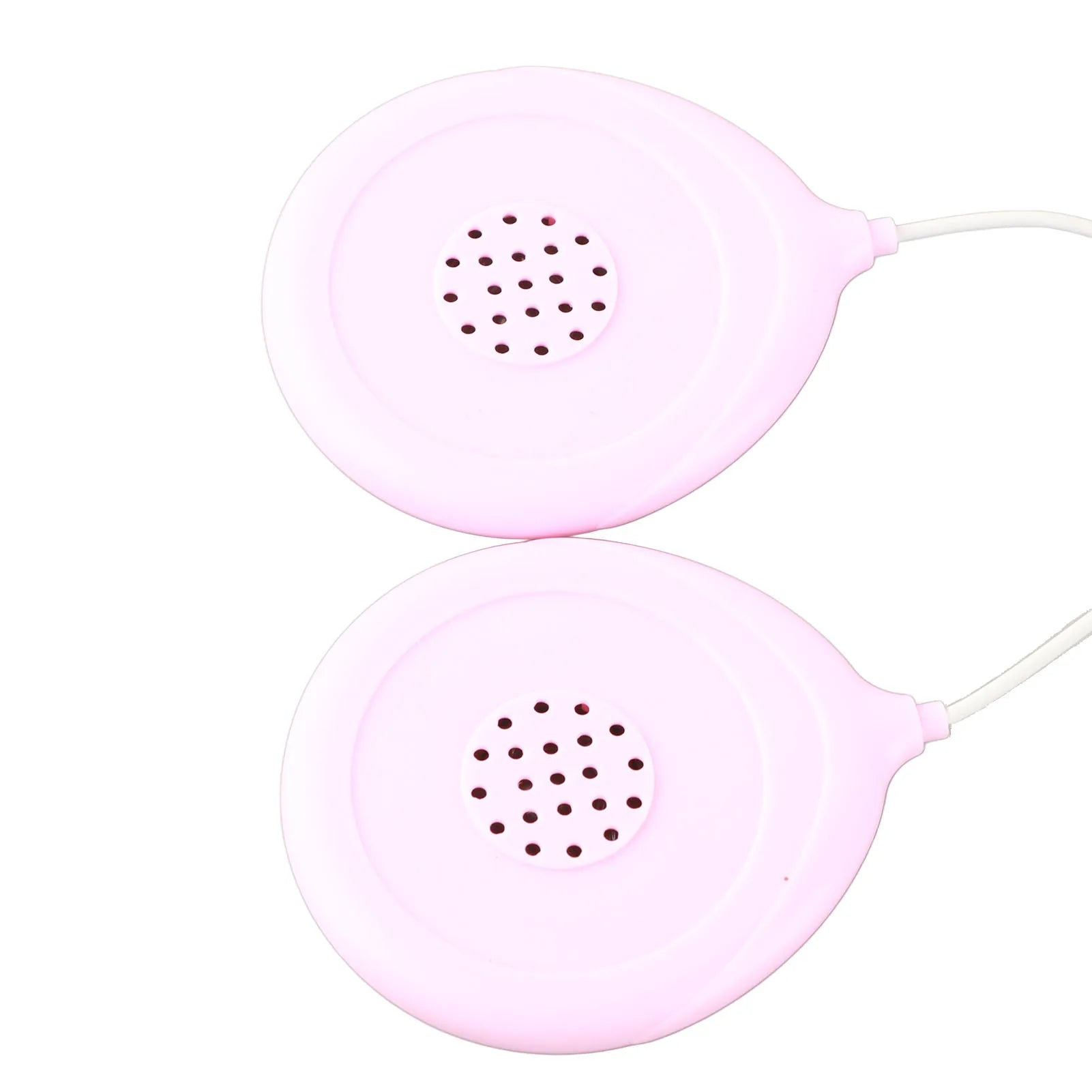
Music in utero with maternal fetal bonding tools 💡 See it in action
Safe Use Guidelines for Music in Utero
Safety comes from moderation and awareness. Short sessions at low volume help ensure comfort for both parent and baby.
- Limit sessions to 10–20 minutes
- Use low, steady volume
- Choose calming sounds or voices
- Stop if discomfort occurs
Parents often explore Sleep & Comfort solutions to align audio routines with rest.
Frequently Asked Questions
Can babies recognize sounds before birth?
Yes, studies suggest babies can respond to familiar voices and rhythms during pregnancy, especially when sounds are repeated consistently.
Is fetal stimulation music safe?
When played at low volume for short periods, fetal stimulation music is generally considered safe and calming.
When should I start prenatal bonding activities?
Many parents begin in the second trimester, when hearing development becomes more responsive to sound.
Related Guide: Pregnancy Bonding Audio System Features That Improve Connection





