

Memory Foam Pillow Back Sleeper Benefits: Comfort Meets Alignment
Does a memory foam pillow back sleeper really improve comfort and alignment?
Yes. A memory foam pillow back sleeper supports the natural curve of the neck and upper spine, helping maintain proper spinal alignment while sleeping. By evenly distributing pressure and adapting to head weight, it reduces strain, eases neck tension, and promotes a more stable sleep posture through the night.
Memory Foam Pillow Back Sleeper Benefits: Comfort Meets Alignment
A good night’s sleep isn’t just about how long you rest—it’s about how well your body is supported. For back sleepers, the right pillow can mean the difference between waking refreshed or waking sore. A memory foam pillow back sleeper is designed to balance comfort with alignment, helping your head, neck, and spine stay in harmony while you sleep.
⏱ 6 min read
Have you ever woken up feeling like your neck did all the work overnight? Back sleepers often struggle to find a pillow that doesn’t push the head forward or leave a gap under the neck. The solution often comes down to material and design—and that’s where memory foam stands out.
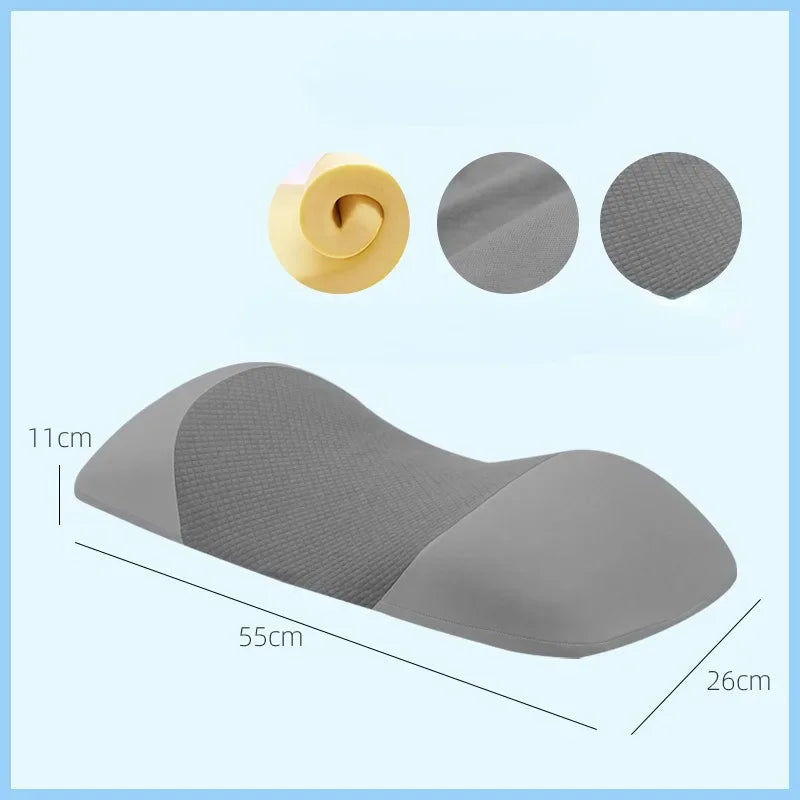
Memory foam pillow back sleeper design supporting proper spinal alignment while sleeping 💡 See it in action
Why Back Sleepers Need Targeted Support
Sleeping on your back is often considered one of the healthiest positions, but only when your spine stays neutral. Without the right pillow, the neck may tilt too far forward or backward, creating tension that builds up over hours of rest.
- Too-high pillows push the head forward, straining the neck.
- Too-flat pillows let the head fall back, stressing muscles.
- Uneven fill shifts overnight, breaking alignment.
- Lack of lumbar support can arch the lower back.
This is why many back sleepers look for a pillow that acts like a gentle sleep posture corrector—supportive without forcing the body into stiff positions.
What Makes Memory Foam Different?
Memory foam responds to heat and pressure, molding itself to your unique shape. Unlike traditional stuffing, it doesn’t bunch or flatten unpredictably. This adaptive quality is what allows a memory foam pillow back sleeper to maintain consistent support from bedtime to morning.
Adaptive Contouring That Stays Put
The foam compresses where your head rests and supports where your neck needs lift. This balance helps keep your airway open and your spine aligned.
Pressure Distribution for Deeper Rest
By spreading weight evenly, memory foam reduces pressure points that can cause tossing and turning. Less movement often means deeper, more restorative sleep.
Key Benefits You Feel Night After Night
A memory foam pillow back sleeper isn’t just about comfort in the moment—it’s about how you feel when you wake up. Many users notice changes within the first few nights.
- Better neck positioning that supports natural curvature.
- Proper spinal alignment while sleeping from head to shoulders.
- Reduced morning stiffness thanks to even pressure support.
- Consistent shape that doesn’t collapse over time.
Memory Foam vs Other Pillow Types
| Pillow Type | Support Consistency | Neck Alignment | Durability |
|---|---|---|---|
| Memory Foam | High | Excellent | Long-lasting |
| Polyfill | Low | Inconsistent | Short-term |
| Feather/Down | Medium | Variable | Medium |
| Latex | High | Good | Long-lasting |
This comparison helps explain why back sleepers often prefer memory foam: it combines stability with comfort in a way few materials can match.
Pairing With Lower Back Support
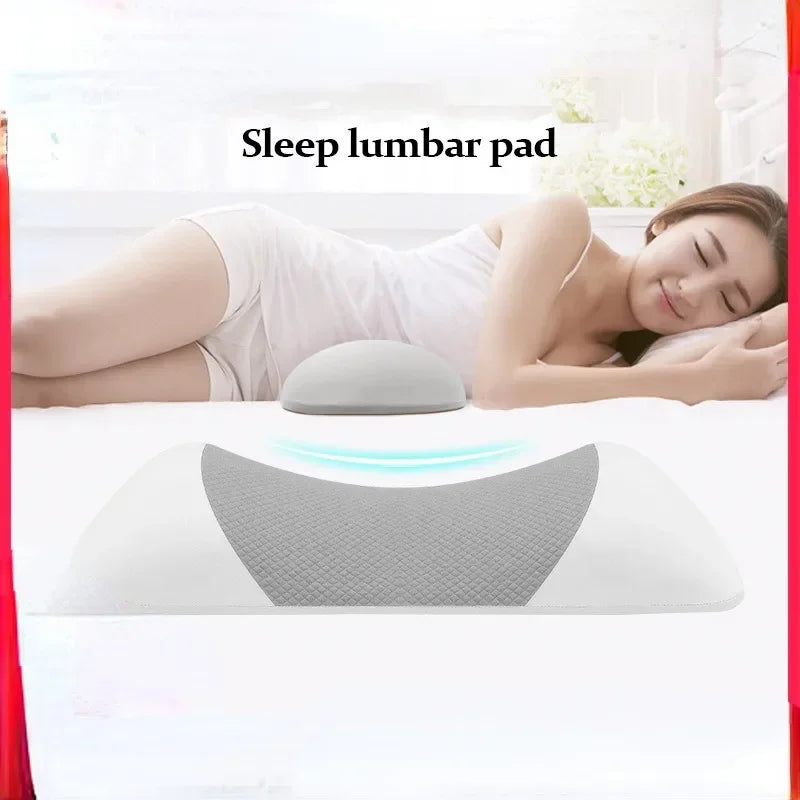
Even with the perfect pillow, some back sleepers feel tension in the lower spine. Adding a cushion for lower back support can help maintain a neutral curve throughout the body.
Using a lumbar pillow like this lower back support option under the knees or lower back can reduce pressure and prevent over-arching.
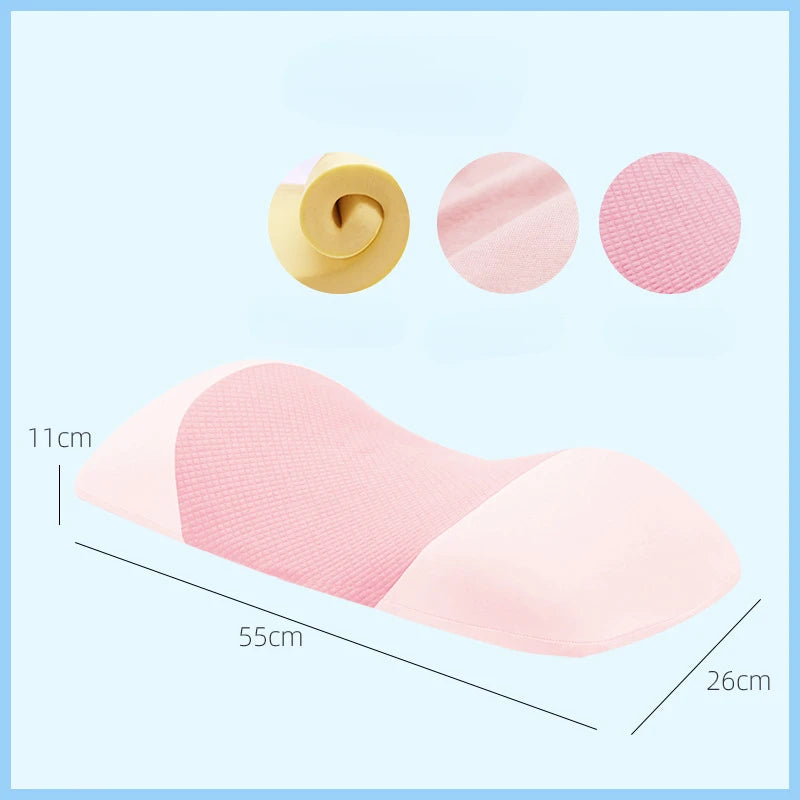
Combining a memory foam pillow back sleeper with a cushion for lower back support 💡 See it in action
Real-Life Results From Back Sleepers
Many back sleepers report noticeable improvements after switching to memory foam:
- Waking with fewer neck aches after one week.
- Less tossing and turning during the night.
- Improved comfort when transitioning from side to back.
- More consistent sleep routines.
One common theme is how the pillow feels supportive without feeling firm or restrictive.
How to Choose the Right Pillow Height
Not all memory foam pillows are the same. Height and firmness matter, especially for back sleepers.
- Low to medium loft keeps the head from tilting forward.
- Medium firmness supports without pressure.
- Contoured designs offer targeted neck support.
- Breathable covers help regulate temperature.
Choosing the right combination helps the pillow function as a true sleep posture corrector rather than just a soft cushion.
Ergonomic memory foam pillow back sleeper setup for proper spinal alignment while sleeping 💡 See it in action
Quick Questions Back Sleepers Ask
Can a memory foam pillow back sleeper help with neck pain?
Yes. By cradling the neck and maintaining neutral alignment, it can reduce muscle strain that often leads to morning discomfort.
How long does it take to adjust to memory foam?
Most people adapt within a few nights. The foam softens slightly with body heat, becoming more comfortable over time.
Should I use lower back support with a back sleeper pillow?
Many back sleepers benefit from added lumbar support. Pairing your pillow with a supportive cushion can enhance full-body alignment.
Considering a complete sleep setup? Explore calming essentials designed for rest and recovery in Sleep & Comfort.
Related Guide: Pressure Relieving Pillow Features: How It Supports Back Health





