

Morning Stiffness Back Solutions for Side Sleepers Over 30
Morning Stiffness Back Solutions for Side Sleepers Over 30
Why do side sleepers over 30 wake up with morning stiffness back?
Morning stiffness back often happens because side sleepers lose proper sleep spine alignment overnight. When hips and shoulders sink unevenly, muscles tighten to protect the spine. Improving pillow height and adopting an ergonomic sleep position can reduce stiffness after sleeping and restore easier movement by morning.
⏱ 7 min read
Morning stiffness back can quietly drain your energy before the day even begins. If you’re over 30 and sleep on your side, that tight, achy feeling may not be about aging at all—it’s often about how your spine is supported overnight. What if small sleep tweaks could help you wake up moving freely again?
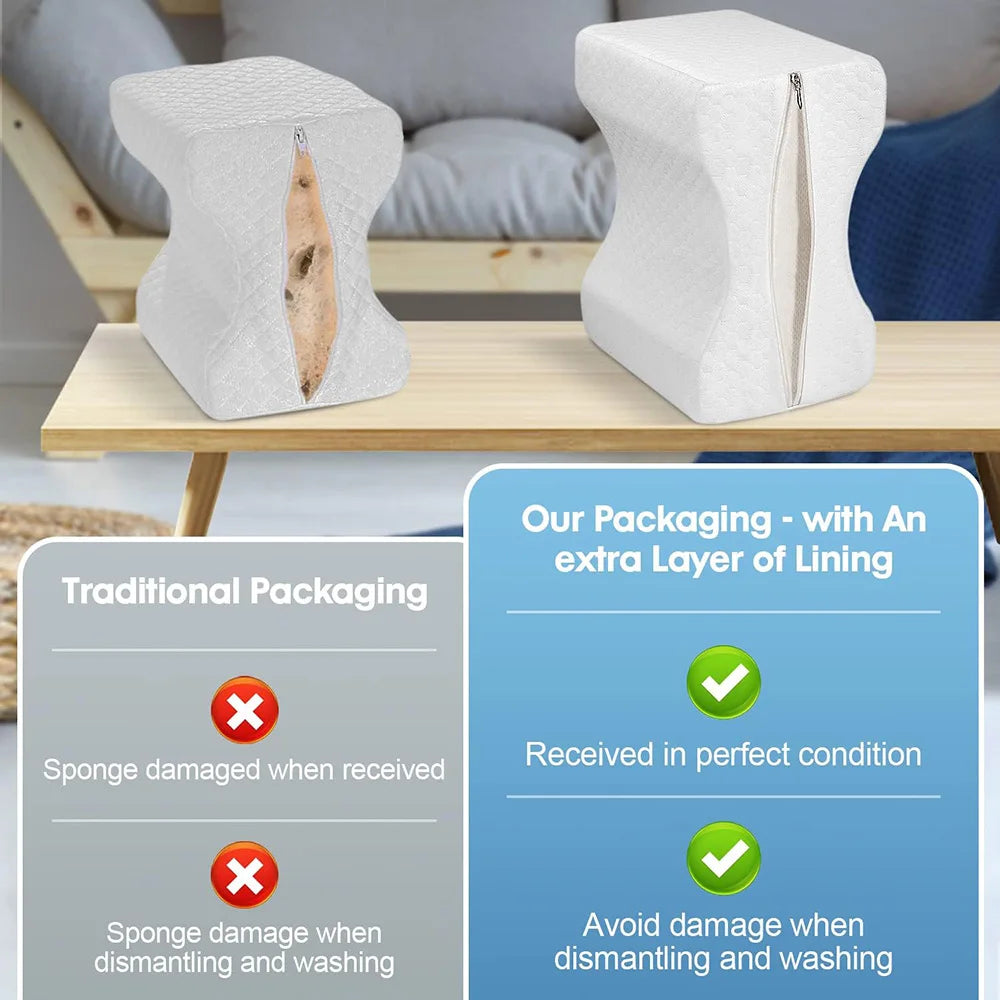
Morning stiffness back relief starts with better sleep spine alignment 💡 See it in action
Why Morning Stiffness Back Gets Worse After 30
Morning stiffness back becomes more noticeable in your 30s because muscles recover more slowly and joints respond faster to poor positioning. Hours spent in a twisted posture can create stiffness after sleeping, even if you felt fine before bed.
- Reduced muscle elasticity with age
- Longer recovery time from nightly compression
- Increased sensitivity to misalignment
- Stress and daily sitting habits carrying into sleep
These factors don’t mean pain is inevitable—they mean support matters more than ever.
How Side Sleeping Disrupts Sleep Spine Alignment
Side sleeping is popular for comfort, but without proper support it can pull the spine out of alignment. When the top leg drops forward, the pelvis rotates and the lower back absorbs the strain.
Common Side Sleeper Mistakes
- Stacking pillows too high under the head
- Letting knees collapse together
- Twisting shoulders forward
- Using a mattress that sinks unevenly
This combination is a leading cause of stiffness after sleeping, especially for adults juggling work, family, and recovery.
What Is the Fastest Fix for Morning Stiffness Back?
Morning stiffness back improves fastest when the spine stays neutral overnight. For side sleepers, that means keeping hips, knees, and shoulders aligned so muscles can relax instead of bracing all night.
- Adjust pillow height so neck stays level
- Support knees to prevent hip rotation
- Keep shoulders stacked, not rolled forward
- Use consistent support every night
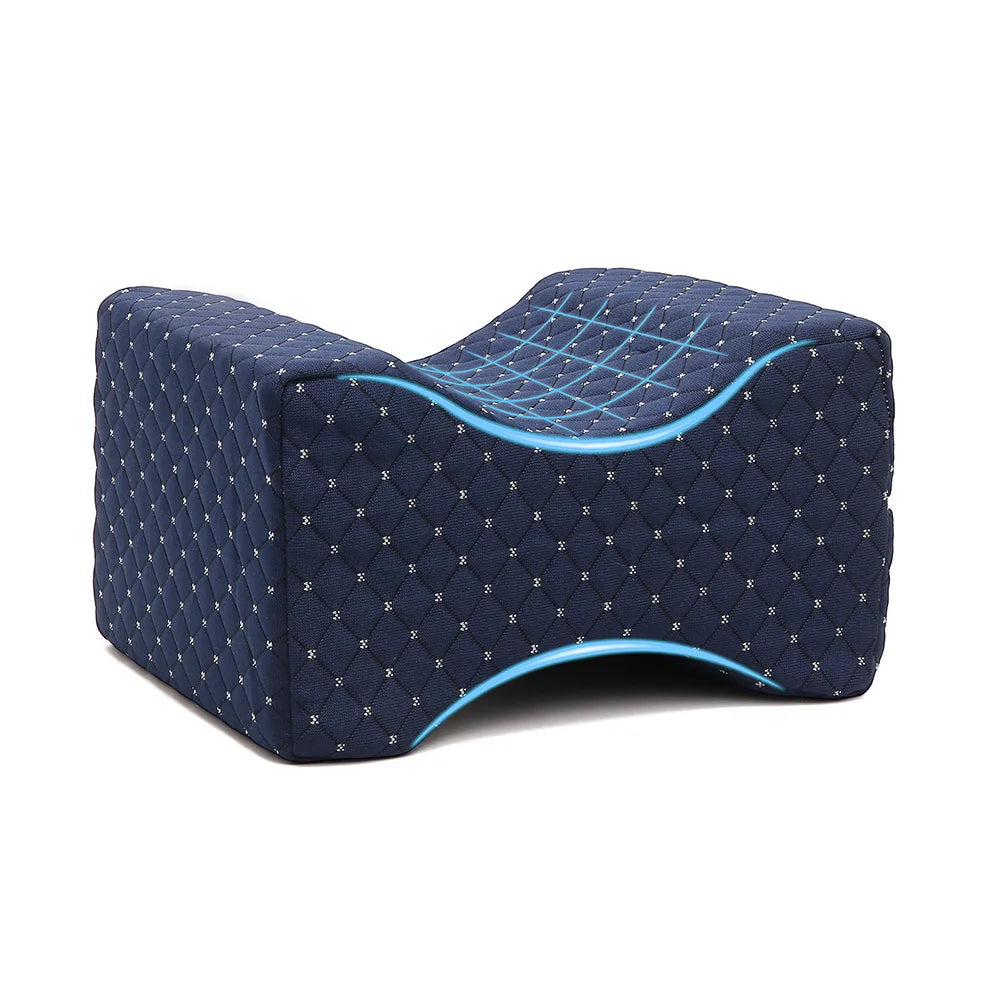
Reduce stiffness after sleeping with a simple ergonomic sleep position 💡 See it in action
How to Build an Ergonomic Sleep Position That Lasts All Night
An ergonomic sleep position doesn’t require complicated gear. It’s about consistent, gentle support that keeps your body from collapsing into strain while you rest.
Key Alignment Checkpoints
- Head aligned with spine, not tilted
- Shoulders stacked vertically
- Hips level, not rolling forward
- Knees separated and supported
Many adults find that combining sleep adjustments with calming bedtime routines from Massage & Relaxation or supportive sleep tools from Sleep & Comfort helps muscles release tension faster.
Why a Leg Pillow Can Reduce Stiffness After Sleeping
Placing a supportive pillow between the knees keeps the pelvis neutral and reduces torque on the lower back. This small change often leads to noticeable improvement in morning stiffness back within days.
Benefits Side Sleepers Notice
- Less lower-back tightness on waking
- Improved hip comfort
- Reduced shoulder strain
- More consistent sleep posture
Products like the memory foam leg pillow for pain relief are designed specifically for this need, offering stable support without overheating or flattening overnight.
Real Experiences From Side Sleepers Over 30
Many adults balancing work and family routines report similar patterns: tight backs in the morning, stiffness after sleeping, and frustration with stretching alone.
“I thought my morning stiffness back was just part of getting older. After adjusting my sleep position and using knee support, I noticed improvement within a week.” — Amanda, 38
“As a mom, I needed something simple. Supporting my hips at night made mornings easier without adding time to my routine.” — Jessica, 42
These stories echo a common theme: consistent alignment beats temporary fixes.
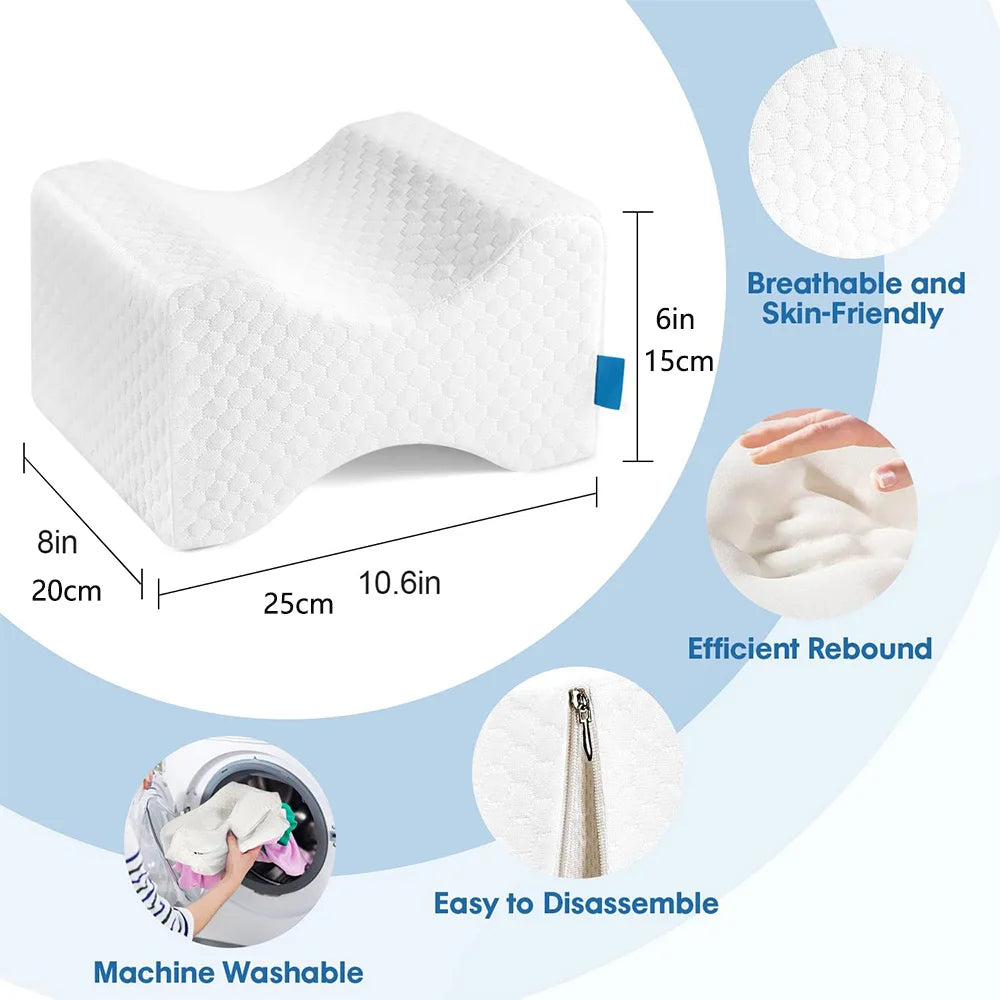
Wake up with less morning stiffness back by protecting alignment overnight 💡 See it in action
Frequently Asked Questions
Is morning stiffness back normal for side sleepers?
Yes, but it’s often linked to poor sleep spine alignment rather than age. Side sleepers are more prone to hip rotation and muscle tightening overnight.
How long does it take to feel improvement?
Many people notice reduced stiffness after sleeping within 3–7 nights once alignment is consistently supported.
Do I need to change my mattress?
Not always. Improving pillow height and adding knee support can significantly reduce morning stiffness back even on an existing mattress.
Can better sleep posture help long-term back health?
Yes. Maintaining an ergonomic sleep position reduces nightly strain, helping muscles recover and supporting daily mobility over time.
Related Guide: Joint Hip Pain Relief for Side Sleepers Who Wake Up Sore





