

Most Calming Light Color Explained: Key Benefits and Uses
What is the most calming light color?
The most calming light color is soft warm blue or amber-toned light, which helps the body relax by reducing visual strain and supporting natural melatonin rhythms. Choosing the most calming light color can lower stress, improve sleep quality, and create a soothing atmosphere for winding down at night.
⏱ 6 min read
Most Calming Light Color Explained: Key Benefits and Uses
If evenings feel restless, sleep comes slowly, or your bedroom never quite feels peaceful, lighting may be the missing piece. The most calming light color can quietly reshape how your body and mind unwind at night. With the right glow, your space becomes an ambient bedroom that feels safe, cozy, and ready for rest—without complicated routines or harsh brightness.
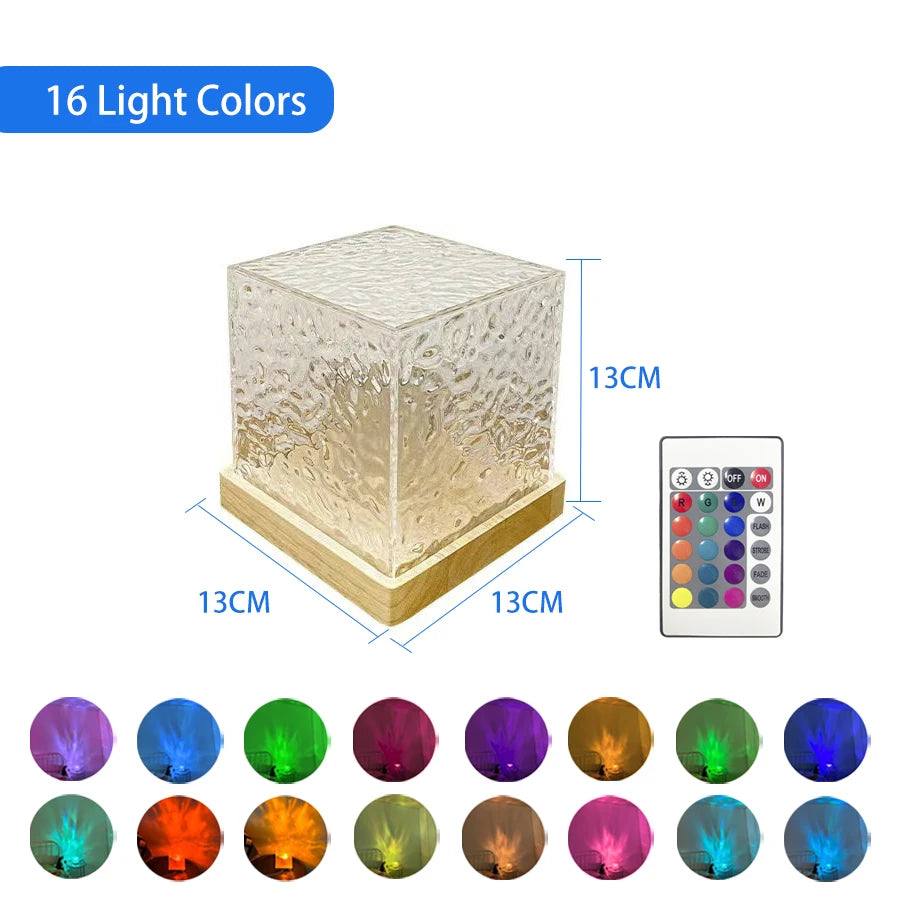
Soft hues show why the most calming light color supports a cozy lighting for bedroom setup 💡 See it in action
Ever notice how bright white light keeps your mind racing? A calmer glow does the opposite. Many parents and wellness-focused adults are now rethinking nighttime lighting to reduce overstimulation, especially after long days filled with screens, noise, and stress.
👉 Curious how gentle lighting can change your nights? Explore calming tools designed to support rest and comfort in the Sleep & Comfort collection.
Why Light Color Matters for Calm and Sleep
Light color affects how your brain reads “day” or “night.” Cool, bright tones signal alertness. Softer hues signal safety and rest. This is why the most calming light color feels instantly soothing—it aligns better with natural circadian rhythms.
- Reduces eye strain after dark
- Helps the body prepare for rest
- Creates emotional comfort and security
- Supports consistent bedtime routines
For families, especially those with young children, gentle lighting can ease transitions from busy evenings to calmer nights.
Which Is the Most Calming Light Color?
The most calming light color is typically a warm blue-green, amber, or soft teal tone that avoids harsh brightness while still offering visual comfort. These colors feel cool and soothing without suppressing melatonin as strongly as bright white or blue light.
Compared with stark LEDs, these tones encourage relaxation while keeping spaces usable for reading, feeding, or quiet activities.
Why these tones work better
- Lower contrast reduces mental stimulation
- Softer wavelengths feel natural to the eyes
- Creates depth and movement instead of glare
- Makes rooms feel warmer and more inviting
Benefits of a Calming Light Color for Sleep
Using a calming light color for sleep doesn’t just feel good—it changes how your body responds before bedtime. Over time, consistent exposure helps reinforce healthy evening cues.
- Faster relaxation before bed
- Less nighttime restlessness
- Reduced dependence on overhead lights
- More peaceful nighttime routines
Many parents report smoother bedtime transitions when replacing bright lamps with softer accent lighting, especially during late-night check-ins.
How to Create an Ambient Bedroom That Feels Calm
An ambient bedroom isn’t about darkness—it’s about balance. The most calming light color works best when layered thoughtfully.
- Turn off overhead lights after sunset
- Use low-position accent lighting
- Choose warm-toned, diffused light sources
- Limit sharp shadows and glare
For added relaxation, pair lighting changes with gentle routines like stretching or quiet reading.
👉 Learn simple ways to improve nighttime comfort with tools from the Massage & Relaxation collection.
Why Water Ripple Lighting Feels More Relaxing
Unlike static lamps, moving light patterns gently engage the senses without overstimulation. A water ripple effect mimics natural reflections found near oceans or lakes—environments the brain associates with calm.
This is why many people prefer ripple-style lamps over standard bulbs for winding down.

Flowing patterns highlight how a calming light color for sleep transforms an ambient bedroom 💡 See it in action
The Water Ripple Projector Lamp combines the most calming light color with gentle motion, creating a peaceful focal point that replaces harsh lighting.
What makes it stand out
- Soft diffusion without sharp beams
- Dynamic movement that feels natural
- Low brightness suitable for nighttime use
- Versatile for bedrooms, nurseries, or quiet spaces
Calming Light Colors Compared
| Light Color | Calming Effect | Best Use |
|---|---|---|
| Warm Amber | Very High | Pre-sleep relaxation |
| Soft Blue-Green | High | Ambient bedroom lighting |
| Bright White | Low | Daytime tasks only |
This comparison shows why many households transition away from bright bulbs at night in favor of softer hues.
Using Cozy Lighting for Bedroom Routines
Cozy lighting for bedroom spaces works best when used consistently. Over time, your body begins to associate the glow with rest.
- Switch on calming light an hour before bed
- Keep brightness low and indirect
- Use the same tone nightly for consistency
- Pair with calming activities
Parents often use soft lighting during nighttime feedings or check-ins to avoid fully waking children. Helpful nighttime tools can be found in Baby Care Essentials and Mom Essentials.
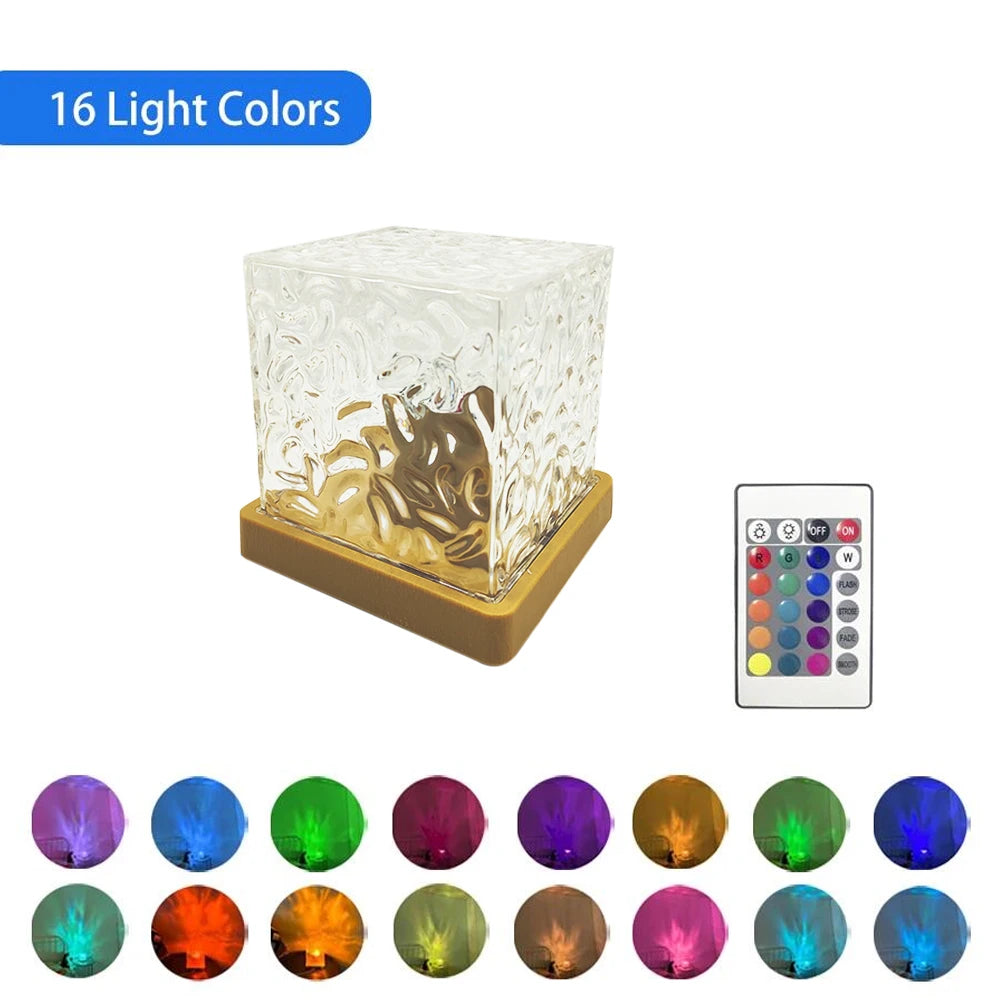
A real-life view of cozy lighting for bedroom comfort using the most calming light color 💡 See it in action
Many users note that replacing one lamp with the Water Ripple Projector Lamp made their room feel instantly calmer without changing furniture or décor.
👉 Ready to upgrade your nighttime atmosphere? Explore soothing additions in the Beauty & Wellness collection.
Quick FAQ
Does the most calming light color really improve sleep?
Yes. Softer, warmer tones reduce stimulation and help signal the body that it’s time to rest, making it easier to relax before sleep.
Is calming light only useful at bedtime?
No. Many people use calming lighting for meditation, reading, or stress relief during evenings and quiet moments.
Can one lamp replace multiple bedroom lights?
In many cases, yes. A well-placed ambient light source can reduce the need for harsh overhead lighting while still providing enough visibility.
Related Guide: Ripple Effect of Water Features: Benefits for Relaxation and Sleep





