

Most Relaxing Light Color for Sleep: Expert Comparisons and Tips
What is the most relaxing light color for sleep?
The most relaxing light color for sleep is warm amber or soft red light, which supports melatonin release and reduces eye strain. Using the most relaxing light color for sleep helps calm the nervous system before bed, improves before bed relaxation, and creates a soothing environment for deeper, more consistent rest.
Most Relaxing Light Color for Sleep: Expert Comparisons and Tips
Choosing the right light before bedtime can quietly change how your body unwinds. Parents, caregivers, and anyone struggling to fall asleep often overlook lighting, yet it plays a powerful role in calming the mind, protecting circadian rhythm, and easing nightly routines. Understanding the most relaxing light color for sleep helps turn bedrooms into spaces that truly support rest.
⏱ 6 min read

Most relaxing light color for sleep using calming tones for before bed relaxation 💡 See it in action
Why Light Color Matters for Better Sleep
Light tells your brain when to stay alert and when to wind down. Bright, cool lighting signals daytime, while warmer tones signal rest. For adults and children alike, exposure to harsh light late at night can delay sleep onset and increase restlessness.
Parents often notice that bedtime routines feel smoother in rooms with softer lighting. Dimming intensity helps, but color temperature matters just as much. Warm hues reduce stimulation, making it easier to relax mentally and physically.
Best Light Colors Compared for Nighttime Use
The most relaxing light color for sleep is typically found on the warmer end of the spectrum. Below is a simple comparison to help you decide which option fits your needs best.
| Light Color | How It Feels | Best Use Case |
|---|---|---|
| Amber | Soft, cozy, calming | Bedrooms, nurseries, night routines |
| Red | Very gentle, low stimulation | Night lights, late-night feeds |
| Warm White | Comfortable but brighter | Reading before bed |
| Blue/Cool White | Alerting, energizing | Avoid before sleep |
Why Amber Light Is Often the Most Relaxing Choice
The most relaxing light color for sleep is amber because it closely mimics natural sunset light. Amber tones reduce visual stimulation, encourage melatonin production, and help the body transition smoothly into rest mode without sudden darkness.
Amber lighting works well for shared spaces where total darkness is impractical. Many families use amber bedside lamps or projectors to create a cozy bedroom ambience while keeping enough visibility for safety.
- Supports natural sleep rhythms
- Reduces eye strain before bed
- Creates emotional comfort and warmth
- Pairs well with soft eye masks for sleeping
Red Light vs Blue Light at Night
Red light is gentle and minimally disruptive, while blue light is stimulating and suppresses sleep hormones. This contrast explains why screens feel energizing at night and why red night lights are often recommended for nurseries.
For parents managing nighttime check-ins, red or amber light allows visibility without fully waking the brain. Blue light, even at low brightness, can make falling back asleep more difficult.
Lighting Setups That Encourage Before Bed Relaxation
Creating a calming environment is less about one fixture and more about layering light thoughtfully. Indirect lighting helps avoid harsh glare and builds a sense of safety and calm.
- Bedside lamps with warm bulbs
- LED strip lights behind headboards
- Soft projectors for ambient bedroom glow
- Low-level night lights for pathways
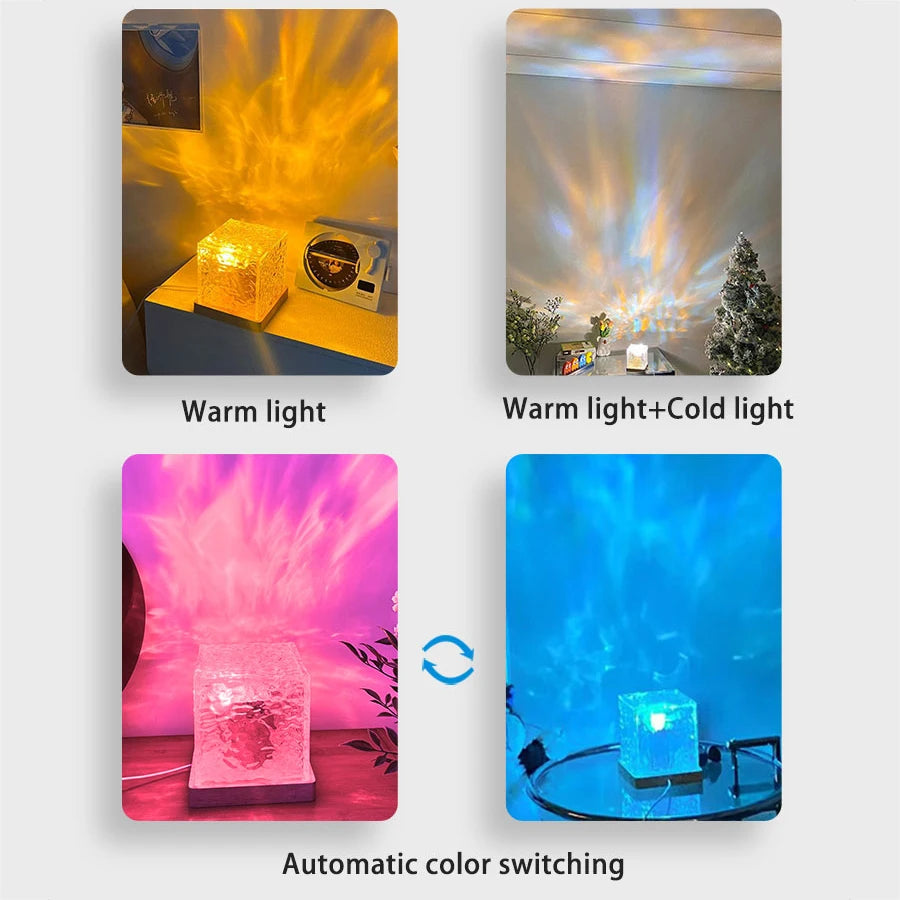
Calming light color for sleep paired with ambient lighting for room 💡 See it in action
Products like a gentle ripple-style projector can add movement and warmth without brightness overload. Used with the right color, these lights transform routine bedtime moments into calming rituals. Many families integrate a water ripple projector lamp to soften the room and signal wind-down time.
How Lighting Fits Into a Relaxing Bedtime Routine
Lighting works best when combined with consistent habits. Dimming lights at the same time each evening trains the body to anticipate rest, especially for children.
- Lower overhead lights after dinner
- Switch to calming light color for sleep
- Reduce screen exposure
- Add comfort tools like blankets or eye masks
Families focused on wellness often explore supportive products from Beauty & Wellness or nighttime essentials from Sleep & Comfort to reinforce healthy routines.
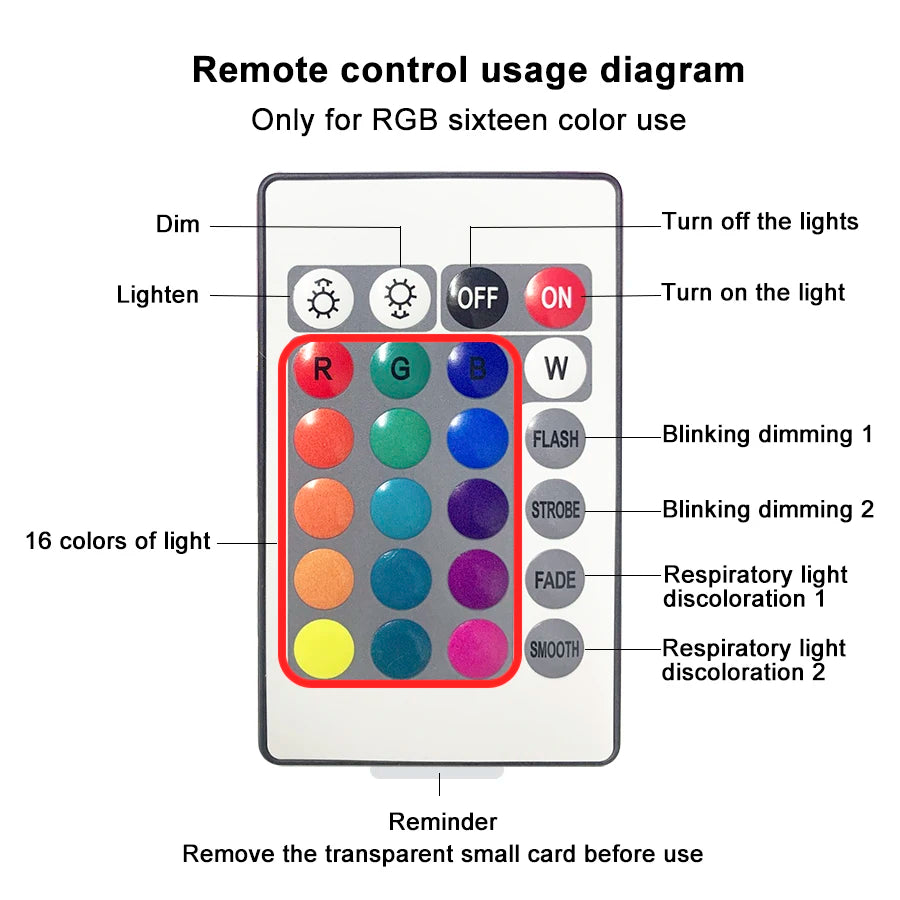
Most relaxing light color for sleep creating cozy bedroom ambience 💡 See it in action
Mini FAQ: Light Color and Sleep
Is warm white light okay before bed?
Warm white is better than cool light, but amber or red tones are usually more relaxing and less stimulating.
Can children benefit from calming light colors?
Yes. Soft, warm lighting helps children feel secure and reduces resistance during bedtime routines.
Do soft eye masks for sleeping help with light sensitivity?
They can block excess light and pair well with dim, warm lighting for deeper rest.
Related Guide: Bedroom Mood Lighting Comparison: Which Style Suits You Best





