

Muscle Tension Stress and Anxiety: Who Benefits Most
Does muscle tension stress and anxiety affect everyone?
Muscle tension stress and anxiety can affect people of all ages, especially those juggling work, parenting, and daily responsibilities. When muscle tension due to stress becomes frequent, it may turn into chronic stress muscle tension that impacts sleep, mood, and focus. Simple neck relaxation techniques and consistent relief habits can help break this cycle and restore balance.
Muscle Tension Stress and Anxiety: Who Benefits Most
Muscle tension stress and anxiety affect more people than they realize, often showing up as tight shoulders, jaw discomfort, or constant fatigue. For parents, caregivers, and busy adults, these sensations can quietly build until daily life feels harder than it should. Understanding who benefits most from targeted relief—and why—can help you choose calmer, healthier routines that support both body and mind.
⏱ 7 min read
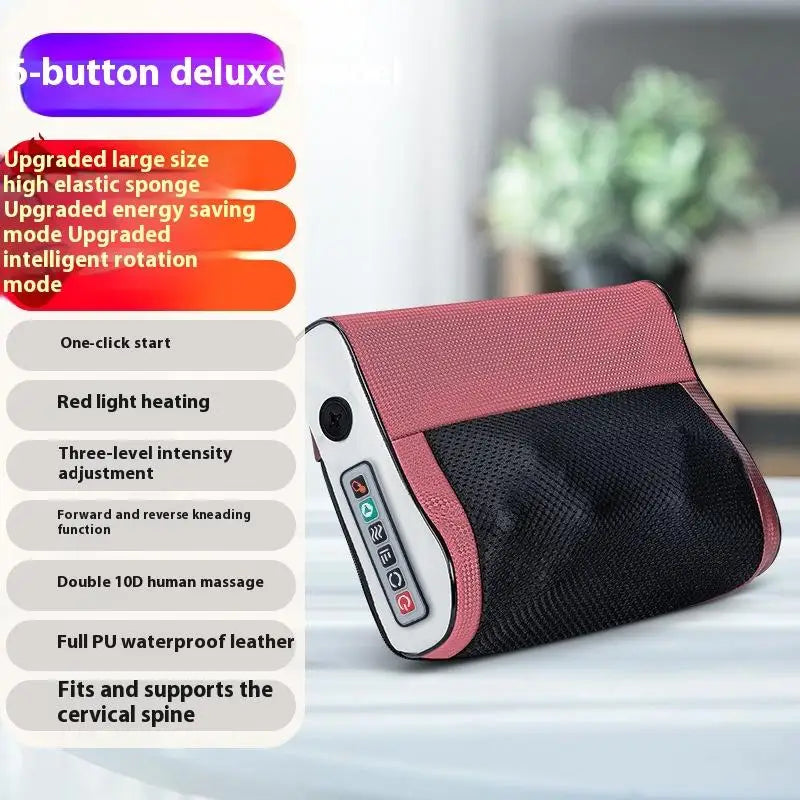
Muscle tension stress and anxiety often start in the neck and shoulders — 💡 See it in action
Why Your Body Holds Onto Stress
Stress triggers a natural protective response in the body. Muscles tighten to prepare for action, but when stress becomes constant, those muscles may never fully relax. This is how muscle tension due to stress slowly turns into chronic stress muscle tension.
For parents, stress can come from interrupted sleep, multitasking, and emotional load. Over time, the neck and shoulders become common storage areas for tension, leading to stiffness and reduced mobility.
- Emotional pressure signals muscles to stay alert
- Poor posture increases neck strain
- Lack of recovery time prevents relaxation
- Repetitive tasks compound tightness
Who Benefits Most From Muscle Tension Relief?
Muscle tension stress and anxiety are most noticeable in people balancing multiple responsibilities. Relief tools and techniques are especially helpful for those who feel physical discomfort alongside emotional stress.
Parents and Caregivers
Lifting children, bending frequently, and carrying bags place extra strain on the upper body. When paired with emotional stress, this often leads to neck and shoulder discomfort.
People With Desk-Based Routines
Long hours at a desk can encourage poor posture, making muscle tension due to stress worse by the end of the day.
Those Experiencing Anxiety-Related Discomfort
Anxiety muscle pain often feels persistent and dull. Gentle relaxation helps interrupt this pattern and signals the body to calm down.
Signs of Chronic Stress Muscle Tension
Chronic stress muscle tension doesn’t always feel dramatic. Many people ignore early signs until discomfort becomes part of daily life.
| Common Sign | What It Feels Like |
|---|---|
| Neck stiffness | Limited movement or soreness |
| Jaw tightness | Clenching or headaches |
| Shoulder fatigue | Heaviness by evening |
| Sleep discomfort | Trouble getting comfortable |
Neck Relaxation Techniques That Support Calm
Muscle tension stress and anxiety often concentrate in the neck. Simple neck relaxation techniques can provide noticeable relief when practiced consistently.
- Slow neck rolls to release stiffness
- Warmth to encourage blood flow
- Gentle pressure along shoulder muscles
- Mindful breathing during relaxation
Many people pair these techniques with tools from the Massage & Relaxation collection to make relaxation easier at home.
Daily Relief for Busy Parents
Parents often put their own comfort last. Short, intentional moments of relief can make a big difference in how the body responds to stress.
Using calming routines before bed, during quiet moments, or after long days helps reset the nervous system. Many parents also explore supportive wellness items from Beauty & Wellness to maintain balance.
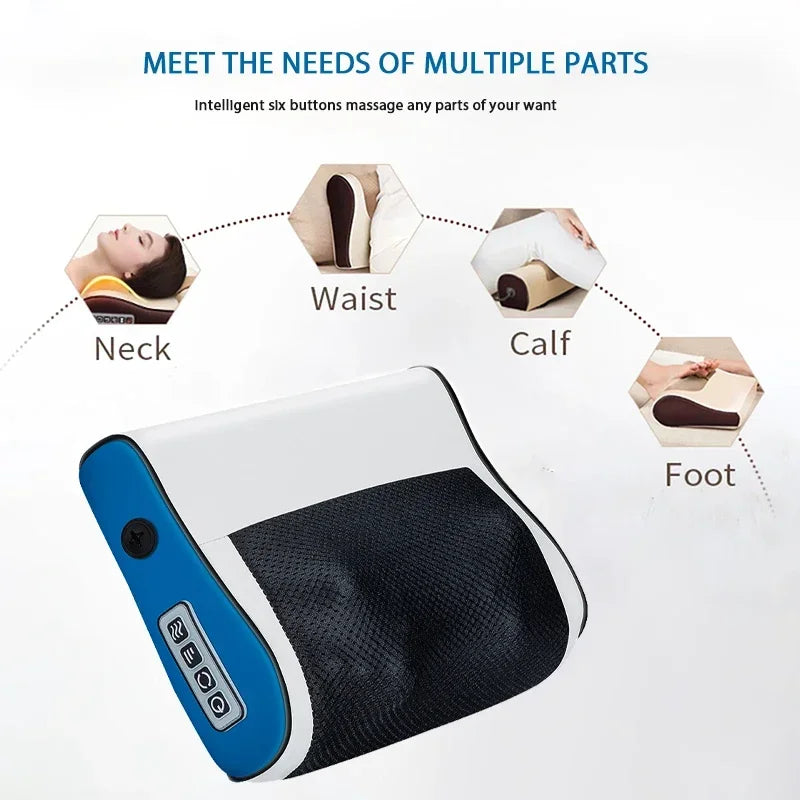
Muscle tension due to stress can ease with consistent care — 💡 See it in action
Using Massage Tools for Consistent Comfort
Massage tools designed for the neck and shoulders can help release muscle tension stress and anxiety when manual techniques aren’t enough.
A popular option is a heated neck and shoulder massager, which combines warmth and motion to support relaxation. You can find one example here, often used during evening wind-down routines.
- Heat supports circulation
- Targeted pressure reduces tight spots
- Hands-free use fits busy schedules
- Encourages regular self-care
These tools are frequently paired with calming spaces at home, such as quiet corners or bedtime routines, similar to products in the Sleep & Comfort collection.
Real-Life Experiences With Stress Relief
Many users report feeling lighter and more relaxed after consistent use of neck relaxation techniques and supportive tools.
“After long days balancing work and kids, my shoulders used to ache constantly. Adding a short massage routine helped me sleep better and feel calmer.” — Parent of two
“I didn’t realize how much anxiety showed up in my neck until I focused on relaxing it. The difference was noticeable within a week.” — Remote worker
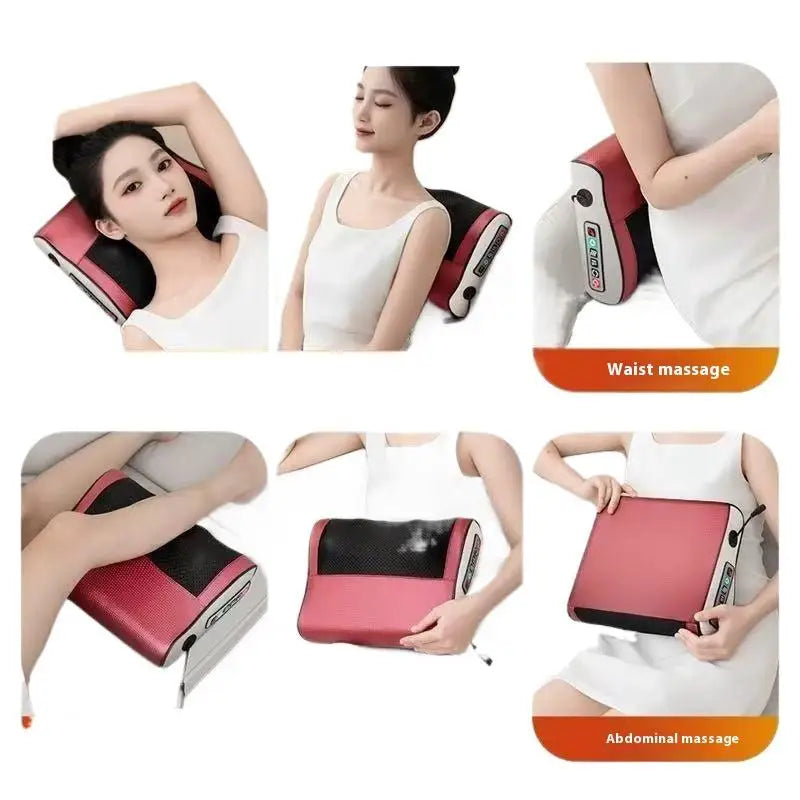
Chronic stress muscle tension can improve with the right routine — 💡 See it in action
Frequently Asked Questions
Who is most affected by muscle tension stress and anxiety?
People balancing emotional pressure, physical tasks, and limited rest—such as parents and caregivers—often experience muscle tension stress and anxiety more intensely.
Can muscle tension due to stress affect sleep?
Yes. Tight muscles can make it difficult to relax fully, leading to discomfort at night and reduced sleep quality.
Are neck relaxation techniques safe to do daily?
Gentle neck relaxation techniques are generally safe when done slowly and without force, making them suitable for daily routines.





