

Neck and Shoulder Massage With Heat: Worth the Relief?
Do neck and shoulder massagers with heat really work?
Yes. A neck and shoulder massager with heat can provide temporary relief from muscle stiffness, stress-related tension, and everyday aches by combining massage pressure with gentle warmth. While it won't cure the underlying cause of chronic pain, regular use may improve comfort, reduce muscle tightness, and help you recover faster between workdays or workouts.
Neck and Shoulder Massager With Heat: Worth It?
⏱ 7 min read
Whether you spend hours at a computer, commute daily, exercise regularly, or simply carry the stress of a busy lifestyle in your shoulders, muscle tension can quickly become part of everyday life. A neck and shoulder massager with heat offers a convenient way to enjoy relaxing massage sessions at home—but choosing the right one and knowing what results to expect makes all the difference.
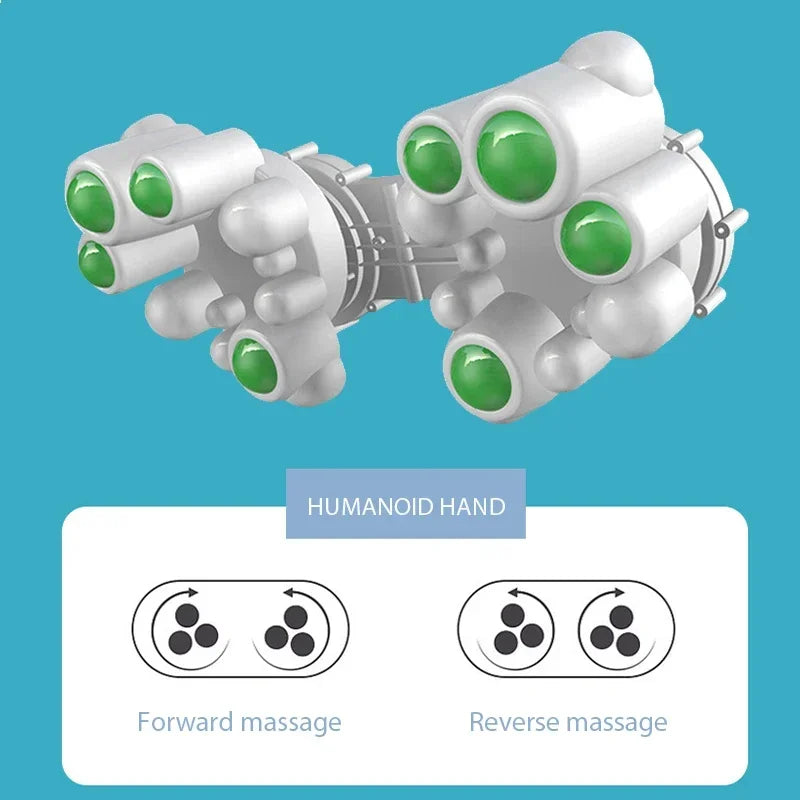
Neck and shoulder massager with heat for daily tension relief — See it in action
Best Neck and Shoulder Massagers With Heat (Top Picks Compared)
| Category | Best For | Standout Feature | Potential Drawback |
|---|---|---|---|
| Best Overall | Everyday home use | Balanced kneading massage with consistent heat | Usually requires a power adapter |
| Best for Deep Tissue Relief | Persistent muscle tightness | Stronger shiatsu massage nodes | May feel intense for sensitive users |
| Best Budget Option | Occasional tension relief | Affordable heat and vibration functions | Fewer massage modes |
| Best Cordless Option | Travel and office use | Rechargeable battery with portable design | Limited runtime per charge |
The best neck and shoulder massage with heat depends less on price and more on how you plan to use it. Frequent users often benefit from stronger kneading mechanisms, adjustable heat, and ergonomic designs that comfortably wrap around the shoulders.
Why Neck and Shoulder Tension Is So Common
Modern routines quietly punish the upper body. Hours at a laptop, carrying children, driving, poor posture, repetitive lifting, and emotional stress all overload the muscles that support your neck and shoulders.
- Forward head posture increases strain on neck muscles.
- Stress encourages unconscious muscle tightening.
- Poor sleeping positions reduce overnight recovery.
- Repeated lifting creates cumulative muscle fatigue.
Without regular movement or stretching, this tension gradually builds until everyday activities begin to feel uncomfortable.
How Heat Helps Muscle Relaxation
Heat therapy has long been used to ease muscle stiffness because warmth encourages blood circulation, improves tissue flexibility, and helps reduce the sensation of pain. When combined with massage, these effects often become more noticeable.
People searching for how heat helps muscle relaxation are usually looking for a safe way to ease everyday muscle tightness rather than treat a medical condition. Gentle heat works best for chronic stiffness, stress-related tension, and post-exercise soreness rather than fresh injuries accompanied by swelling.
That's why therapists frequently combine massage with a massage hot compress during treatment sessions.
Why warmth feels so relieving
- Improves circulation to tired muscles.
- Helps muscle fibers relax before stretching.
- Reduces stiffness and improves flexibility.
- Provides a calming effect that encourages relaxation.
How Heated Neck and Shoulder Massagers Work
Modern heated neck and shoulder massagers combine several technologies to simulate different massage techniques while delivering consistent warmth.
Shiatsu
Rotating massage nodes imitate thumb pressure, helping reach deeper muscle layers commonly affected by long hours of sitting.
Kneading
Kneading movements compress and release muscles rhythmically, helping reduce tightness across the neck, shoulders, and upper back.
Vibration
Vibration provides lighter stimulation that promotes relaxation and may feel more comfortable for users who prefer gentler pressure.
Heat therapy
Integrated heating elements gently warm muscles throughout the massage session, allowing tissues to relax more quickly while improving overall comfort.
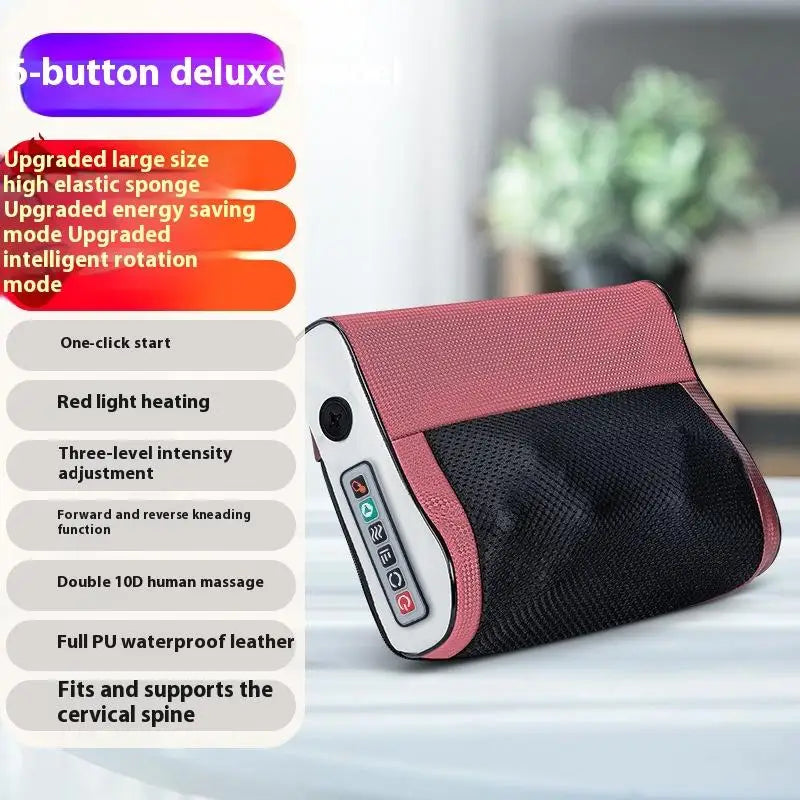
Massage hot compress comfort in action — Feel the difference
Heat vs Non-Heated Massage: Which Is Better?
| Feature | Heated Massage | Non-Heated Massage |
|---|---|---|
| Comfort | Warm and soothing | Pressure only |
| Muscle relaxation | Typically faster | Depends on massage intensity |
| Stress reduction | Excellent | Good |
| Best for chronic stiffness | Often preferred | Helpful but less relaxing |
| Recovery after long workdays | Highly effective | Moderately effective |
Neither option replaces professional medical treatment, but heat and massage together often feel more relaxing and may encourage longer-lasting comfort after each session.
How to Choose the Best Heated Neck Massager
Heat settings
Look for adjustable temperatures rather than a single heat level. Moderate warmth is usually sufficient for daily muscle relaxation.
Massage modes
Models offering shiatsu, kneading, and vibration provide greater flexibility depending on how sore your muscles feel.
Corded vs cordless
Corded units deliver uninterrupted sessions at home, while cordless models are ideal for commuting, traveling, or office breaks.
Fit and portability
A comfortable ergonomic design ensures the massage nodes stay in contact with your neck and shoulders without constant repositioning.
Pros, Cons, and Safety Considerations
| Advantages | Limitations |
|---|---|
| Convenient home therapy | Provides temporary rather than permanent relief |
| Heat improves relaxation | Not suitable for acute injuries with swelling |
| May reduce muscle stiffness | Requires consistent use |
| Can help reduce everyday stress | Massage intensity varies between models |
Possible side effects
Using excessive heat or applying massage for too long may cause skin irritation, temporary soreness, or discomfort. Always follow the manufacturer's recommended session length.
Who should avoid heated massage
People with reduced heat sensitivity, severe circulatory disorders, open wounds, or recent injuries should consult a healthcare professional before using heated massage devices.
Who Should Buy a Heated Neck and Shoulder Massager
A heated neck and shoulder massager is especially useful for:
- Office workers dealing with computer-related muscle tension.
- Frequent travelers who experience stiffness after long journeys.
- Athletes recovering from training sessions.
- Older adults seeking gentle daily comfort.
- Parents and caregivers managing repetitive lifting.
It also pairs well with calming routines and other comfort tools from Beauty & Wellness and Sleep & Comfort .
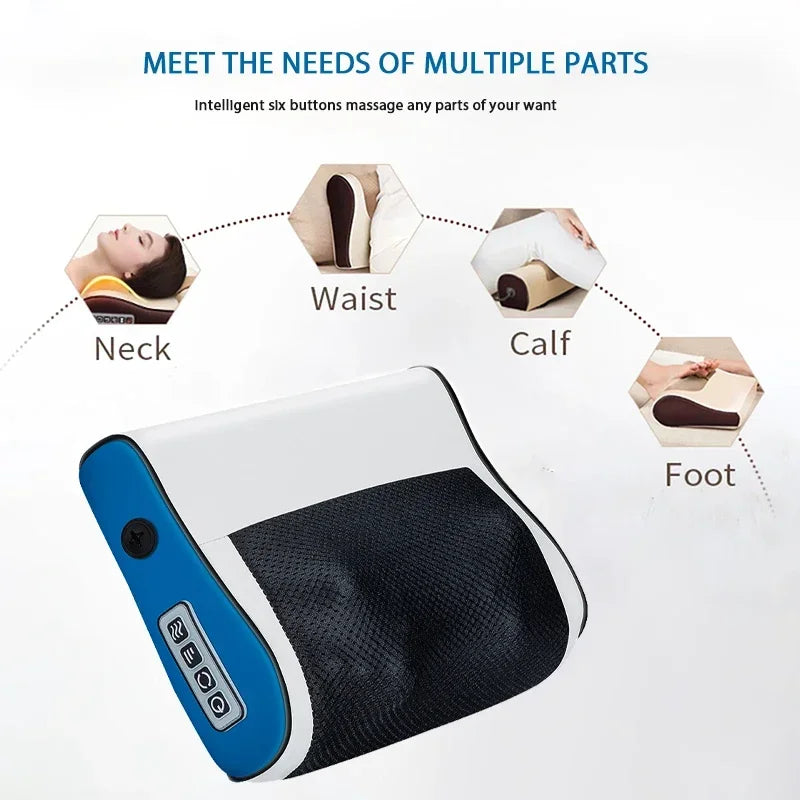
Heated neck and shoulder massage designed to support tired muscles after a long day
Frequently Asked Questions
How often should I use a heated neck massager?
Most adults can safely use a heated neck massager for about 10–20 minutes once or twice daily, provided they follow the manufacturer's instructions and stop if discomfort occurs.
What heat setting is best for a neck and shoulder massager?
A moderate heat setting is usually the most comfortable. The goal is to warm the muscles—not create excessive heat or skin irritation.
Can a heated neck massager help chronic neck pain?
It may help relieve muscle-related discomfort and stiffness associated with chronic tension, but it should not replace medical evaluation or treatment for persistent or worsening pain.
Can I fall asleep using one?
It's generally not recommended. Using a heated massage device while sleeping may increase the risk of prolonged heat exposure or pressure on sensitive areas.
Curious to explore more supportive wellness solutions? Browse the Health & Safety collection for everyday comfort tools.
Related Guide: Best Massage for Sore Muscles: Top Options Compared





