

Newborn Insert vs Toddler Extension Baby Carrier Comparison
Newborn to Toddler Carrier Comparison: One Purchase or Two
⏱ 7 min read
Newborn to toddler carrier choices often feel like a trap—buy one for now, another later, and hope each stage goes smoothly. Parents want safety for tiny bodies, comfort for long days, and gear that doesn’t gather dust after a few months. This comparison breaks down how different systems evolve with your child and whether one adaptable option can truly replace two separate carriers.
View the adaptable carrier solution
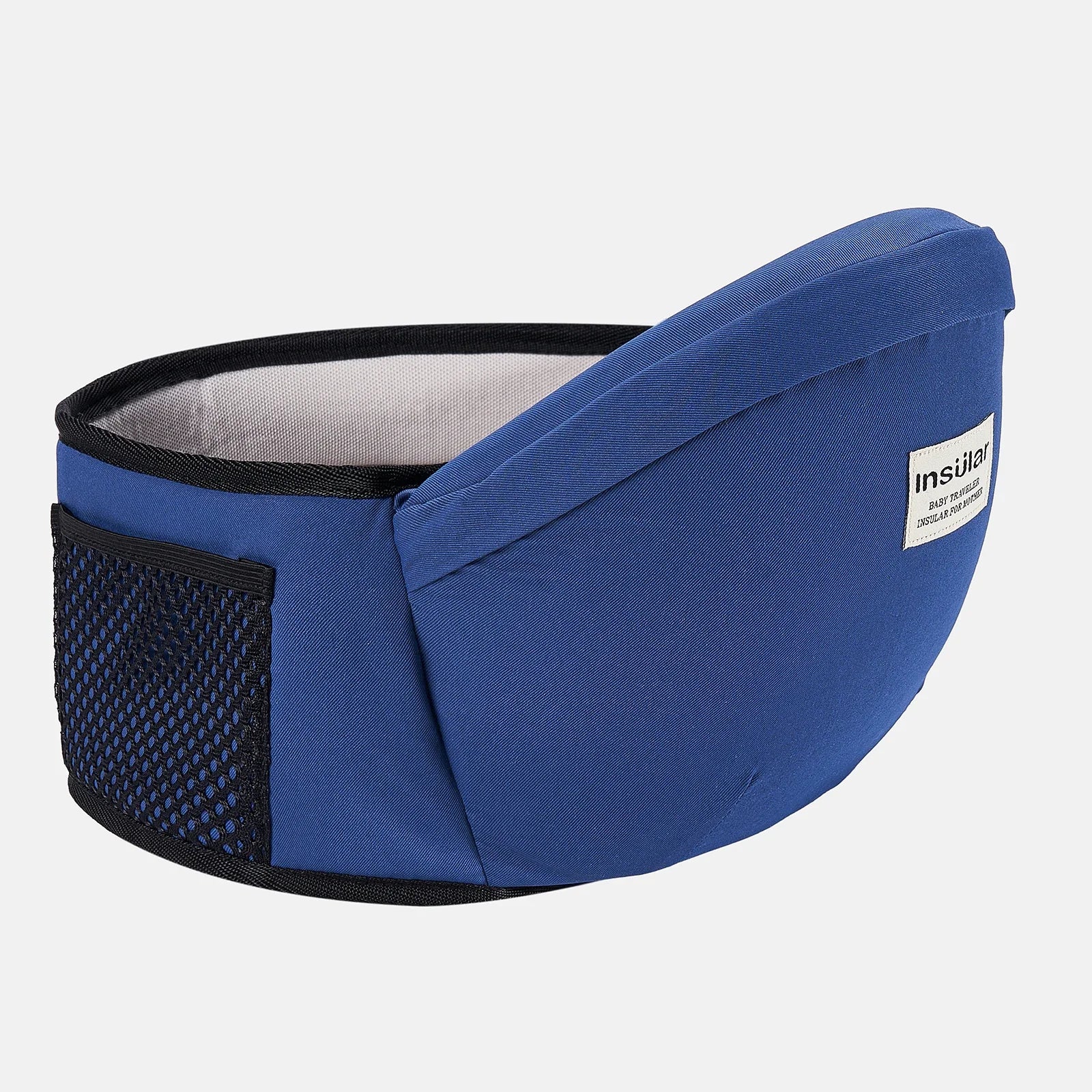
Newborn to toddler carrier support with infant carrier safety in mind — See it in action
Newborn Insert vs Toddler Extension Baby Carrier Comparison
A newborn insert vs toddler extension baby carrier comparison helps clarify how “all-in-one” carriers actually work.
Newborn inserts are designed to safely position small babies inside a structured carrier by raising their height, supporting their head, and maintaining proper hip alignment.
Toddler extensions expand the carrier’s seat width or height to support larger children, improving weight distribution and comfort.
Key difference: Inserts adapt the carrier for smaller bodies, while extensions adapt it for larger ones.
- Newborn insert = early-stage support
- Toddler extension = late-stage comfort
- Convertible carriers combine both functions
This distinction sets expectations: not all “newborn to toddler” carriers are equal—some rely on accessories, while others integrate adjustability directly.
Why This Decision Matters for Everyday Parents
Carrier That Grows With My Baby
Parents searching for a carrier that grows with my baby want more than convenience—they want long-term value. A well-designed baby carrier for newborn to toddler use adapts to changing body proportions, reducing the need for multiple purchases.
Choosing Based on Your Baby's Growth Timeline
Your baby’s development directly affects how a carrier performs. Early months require closeness and structure, while later stages demand flexibility and weight support. Choosing an all in one baby carrier newborn to toddler option means planning for both.
Parents browsing Baby Care Essentials often look for solutions that reduce clutter while still supporting each stage properly.
One Carrier vs Two: What Changes as Your Baby Grows?
Newborn Stage: Why Inserts Matter
Newborns need a snug, supported position with proper head and neck alignment. Inserts help fill extra space inside structured carriers, ensuring a safe and ergonomic fit.
Toddler Stage: Why Extensions Matter
As your child grows heavier, the carrier must distribute weight across your hips and shoulders. Toddler extensions widen the seat, supporting longer legs and improving comfort.
4 Month Old vs 2 Year Old Feature Comparison
- 4 months: Needs head support, narrow seat, soft structure
- 2 years: Needs wide seat, strong waist support, quick on/off access
- Adjustable carriers: Bridge both stages with modular features
How Infant to Toddler Carrier Safety Changes by Stage
Hip Position and Airway Safety
Direct answer: Infant to toddler carrier safety depends on maintaining a clear airway and proper hip positioning. Babies should sit in an “M” shape with knees higher than hips and face visible at all times.
When You Can Stop Using a Newborn Insert
Most babies outgrow inserts once they have strong head control and fill the carrier seat naturally—typically around 3–4 months. At this stage, adjustable panels or seat settings replace the need for inserts.
- Newborns: require snug positioning and head support
- Older babies: transition to wider seating
- Toddlers: need reinforced waist and shoulder support
Parents focused on safety often explore Health & Safety for deeper comparisons.
Age and Weight Progression Timeline
Birth to 3 Months
Focus on closeness and support. Newborn inserts or adjustable panels are essential. Carrying sessions are frequent but shorter.
4 to 12 Months
Babies gain head control and begin exploring. Carriers shift to wider seats and stronger waist support. This is the transition phase.
Toddler Years
Carriers prioritize weight distribution and quick usability. Hip seats or extensions become valuable for frequent up-and-down movement.

Infant support transitions into toddler comfort — See it in action
Side-by-Side Comparison Table
| Feature | Newborn Insert System | Toddler Extension System | Convertible Carrier |
|---|---|---|---|
| Primary Use Stage | 0–4 months | 12+ months | Birth to toddler |
| Adjustment Type | Internal padding | Seat expansion | Integrated adjustments |
| Ease of Use | Moderate | Easy | High once learned |
| Comfort Over Time | Limited lifespan | High for toddlers | Consistent across stages |
| Best For | Newborn support | Heavy toddlers | Long-term value |
Real-Life Parent Scenarios
Daily Walks
Short neighborhood walks benefit from a lightweight, adjustable system that adapts quickly without reconfiguring multiple parts.
Travel
Airports and road trips favor compact, all-in-one carriers that eliminate packing multiple items.
Multiple Children
Parents juggling siblings often prefer carriers that switch between newborn and toddler use without extra setup.
Families browsing Mobility & Training often prioritize flexibility for unpredictable routines.
Cost, Comfort, and Convenience Trade-Offs
Convertible baby carrier comparison often comes down to long-term value. While inserts and extensions may be sold separately, integrated designs simplify both cost and usage.
- One system reduces total spending
- Fewer accessories to manage
- More consistent comfort for both parent and child
See how this carrier adapts over time
How to Choose Between a Newborn Insert and a Toddler Extension
Direct answer: Choose based on your baby’s age, how often you plan to use the carrier, and whether you prefer modular accessories or built-in adjustability.
- Newborn-focused: prioritize insert support
- Toddler-focused: prioritize extension comfort
- Frequent use: choose fully adjustable carriers
- Occasional use: accessories may be sufficient
Fit, ease of adjustment, and long-term comfort matter more than marketing labels.
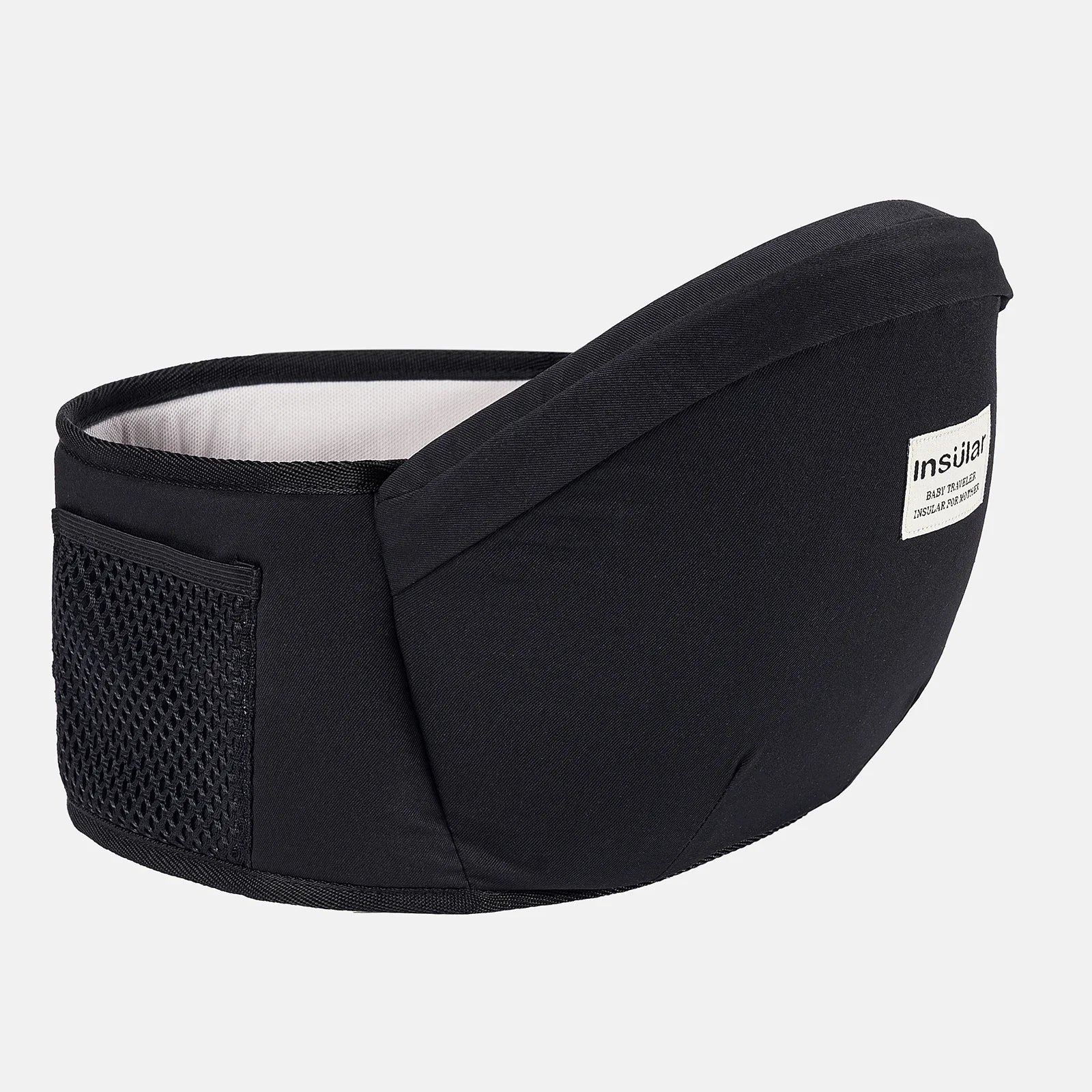
A carrier that adapts through every stage — See it in action
Get the all-in-one carrier parents rely on
Quick Parent FAQs
Is a newborn insert safe for long walks?
Yes, if properly fitted. Ensure airway visibility, correct hip positioning, and frequent checks during extended use.
Can you skip the insert with adjustable carriers?
Some adjustable carriers eliminate the need for inserts by using adjustable panels designed for newborn sizing.
When should I switch to a toddler extension?
Typically when your child outgrows the seat width and needs more leg support—often after 12 months.
Can one carrier really last from newborn to toddler?
Yes, if it includes proper adjustment systems for both small and large body stages.
Which option offers better long-term value?
Convertible carriers with built-in adjustability often provide the best balance of cost, comfort, and convenience.
Related Guide: :contentReference[oaicite:0]{index=0}





