

Newborn Uncomfortable in Heat? Cooling Solutions That Help
Is a newborn uncomfortable in heat, and what actually helps?
Newborn uncomfortable in heat is common because babies can’t regulate body temperature well. In warm rooms or newborn in 80 degree weather, subtle signs like restlessness or warm skin may appear before crying. Simple steps—lighter layers, airflow, and a portable quiet fan—can improve comfort without chilling.
Newborn Uncomfortable in Heat? Cooling Solutions That Help
⏱ 7 min read
Newborn uncomfortable in heat moments can feel stressful—especially during naps, feeds, or summer outings. If you’ve wondered whether newborn in 80 degree weather is too warm or will newborn cry if too hot, you’re not alone. The good news: small, safe cooling changes can make a big difference in comfort and sleep.
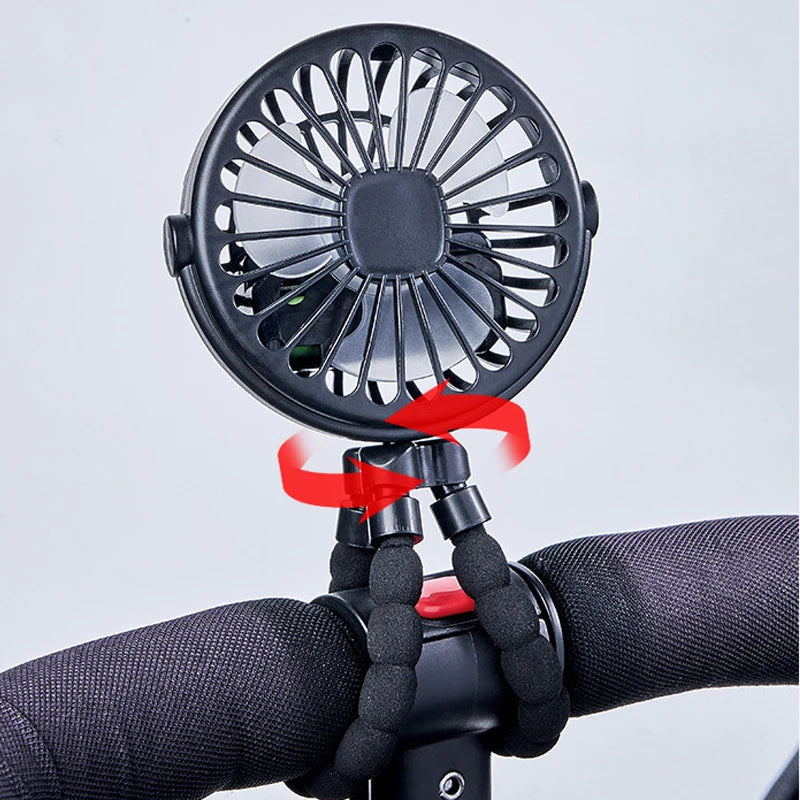
Newborn uncomfortable in heat during summer naps? 💡 See it in action
Why Heat Affects Newborns More Than Adults
Newborn uncomfortable in heat situations happen because babies lose and gain heat faster than adults. Their sweat glands are immature, and they rely on caregivers to adjust their environment.
- Limited ability to sweat efficiently
- Higher surface-area-to-body-weight ratio
- Dependence on room airflow and clothing choices
- Sleep disrupted easily by warmth
That’s why warm rooms, strollers, and car rides can quickly feel overwhelming without obvious warning signs.
Will Newborn Cry If Too Hot? Subtle Signs Come First
Newborn uncomfortable in heat doesn’t always start with crying. Many babies show quiet cues before becoming upset.
Direct answer: Newborn uncomfortable in heat may not cry right away. Early signs include flushed skin, faster breathing, restlessness, and warm chest or neck. Crying often comes later, once discomfort builds.
- Warm or damp hairline
- Fidgeting during feeds
- Shorter naps
- Clammy hands or feet
Recognizing these signs early helps prevent overheating and unnecessary distress.
Is Newborn in 80 Degree Weather Too Warm?
Newborn in 80 degree weather can be comfortable or uncomfortable depending on airflow, humidity, and clothing.
Direct answer: Newborn uncomfortable in heat often appears around 80°F indoors if air is still. With breathable clothing and gentle circulation, many babies remain calm. Without airflow, heat can build quickly and disrupt sleep.
| Environment | Comfort Level |
|---|---|
| 80°F, no airflow | Often uncomfortable |
| 80°F, gentle airflow | Usually tolerable |
| 78°F, breathable clothing | Comfortable for most |
Checking baby’s chest temperature is more reliable than hands or feet.
Cooling Solutions That Actually Help (Without Overcooling)
Parents often try turning the thermostat down, but targeted solutions are safer and more flexible.
- Dress baby in lightweight, breathable fabrics
- Reduce layers during sleep and feeds
- Encourage air circulation instead of cold blasts
- Monitor room temperature and baby cues
Products designed for airflow and comfort pair well with routines found in Sleep & Comfort and Temperature Tools.
Why a Portable Quiet Fan Helps Heat-Sensitive Newborns
Newborn uncomfortable in heat often improves with gentle, consistent airflow—especially during naps and stroller time.
Direct answer: A portable quiet fan supports newborn uncomfortable in heat by improving airflow without loud noise or direct cold air. Parents report longer naps, calmer feeds, and fewer restless moments in warm rooms or outdoor strolls.
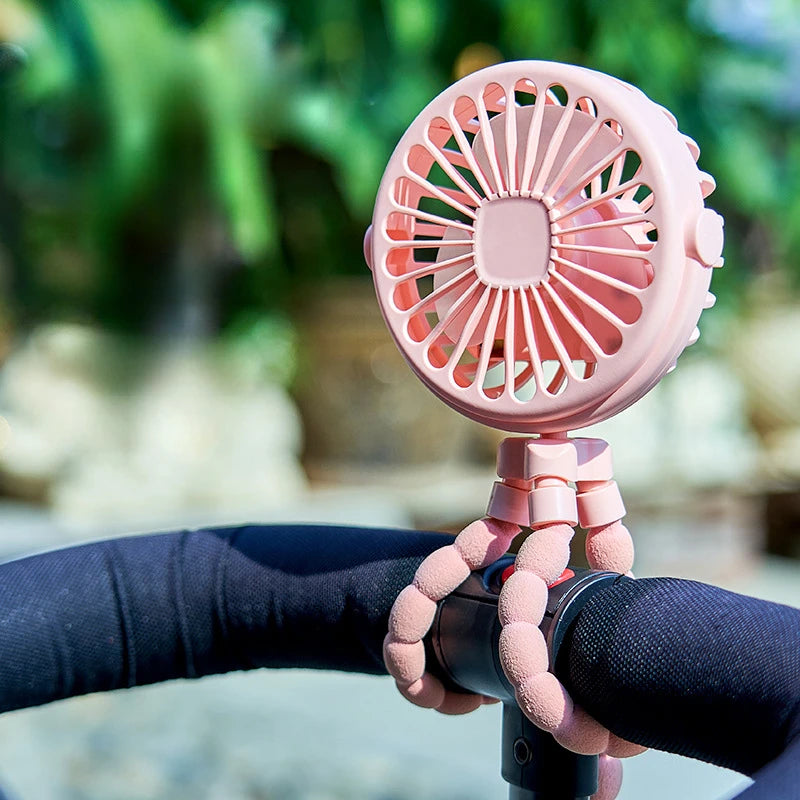
Newborn in 80 degree weather comfort made easier 💡 See it in action
- Quiet motor won’t disturb sleep
- Portable for crib-side, stroller, or car seat (supervised)
- Helps reduce overheating risk
- Supports calmer routines
This solution fits naturally alongside items in Baby Care Essentials and Health & Safety.
How to Use a Fan Safely Around Newborns
Safety matters as much as comfort when cooling a newborn.
- Never point airflow directly at baby’s face
- Use indirect circulation across the room
- Secure fan out of reach
- Check baby’s chest and neck regularly
Many parents combine airflow with breathable sleepwear from Sleep & Comfort for balanced cooling.
What Real Parents Notice After Improving Airflow
Parents often share similar experiences once airflow improves:
- “Longer naps even during heat waves.”
- “Fewer wake-ups and less fussing.”
- “Easier feeds without sweaty discomfort.”
One parent noted that stroller walks became enjoyable again once airflow was added—especially helpful during newborn in 80 degree weather outings.
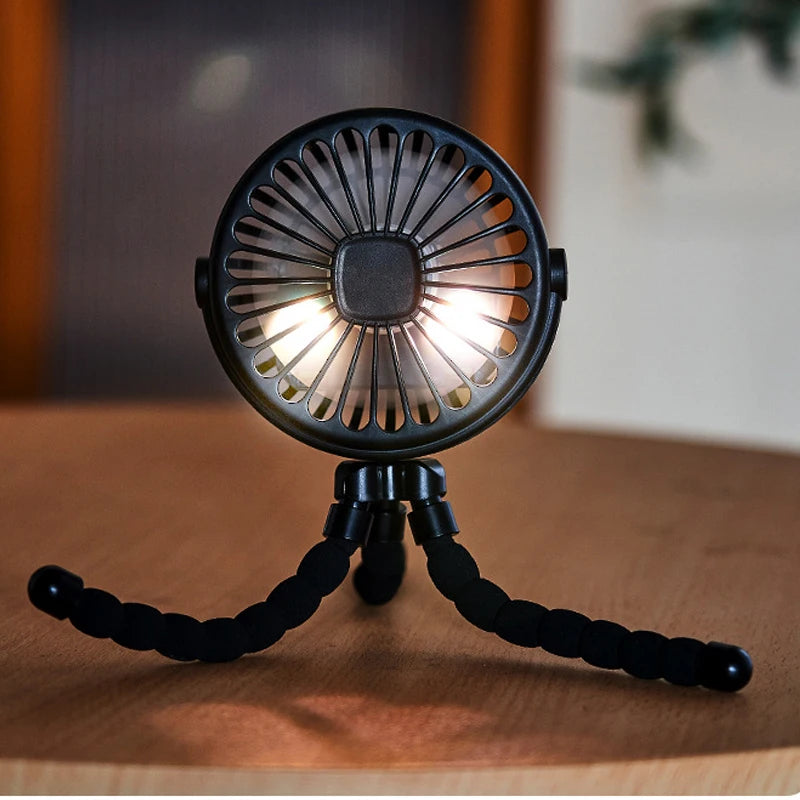
Will newborn cry if too hot? Gentle airflow helps prevent discomfort 💡 See it in action
Quick Parent FAQs
How do I know if my newborn is overheating?
Check the chest or back of the neck. If it feels hot or sweaty and baby is restless, cooling adjustments are needed.
Can a fan replace air conditioning for newborns?
A fan doesn’t cool air temperature but improves circulation, which often eases newborn uncomfortable in heat without overcooling.
Is airflow safe during sleep?
Yes, when indirect and gentle. Avoid direct drafts and always supervise placement.
What else helps during hot nights?
Light sleepwear, breathable bedding, and pairing airflow with tools from Smart Baby Gadgets can improve comfort.
Related Guide: Travel-Friendly Stroller Fan for Newborns in Hot Weather





