

Noisy Humidifier Sleep Disruption Explained for Light Sleepers
Does a noisy humidifier really disrupt sleep for light sleepers?
Yes. Noisy humidifier sleep disruption is a real concern for many light sleepers, although the impact varies from person to person. Even when an ultrasonic humidifier measures a relatively low decibel level, intermittent humming, vibrations, water movement, or brief motor cycling can trigger micro-awakenings. These brief interruptions may not fully wake you, but they can fragment sleep cycles, reduce restorative deep sleep, and leave you feeling less refreshed the next morning.
The difference between measurable noise and perceived noise is important. A humidifier may be considered "quiet" in laboratory testing, yet still sound distracting in a silent bedroom where subtle changes become much more noticeable. For people who naturally wake easily, minimizing unnecessary nighttime sound is often just as important as maintaining comfortable humidity levels.
Noisy Humidifier Sleep Disruption for Light Sleepers Explained
⏱ 6 min read
Noisy humidifier sleep disruption can quietly undo your best bedtime habits. You dim the lights, fluff the pillows, and switch on a humidifier expecting greater comfort—yet you still wake up groggy. For light sleepers, even faint ultrasonic humidifier noise may interrupt deep sleep and create a stressful bedroom environment. Understanding where these sounds come from, why your brain notices them, and how to choose a quieter model can make a meaningful difference to your nightly rest.
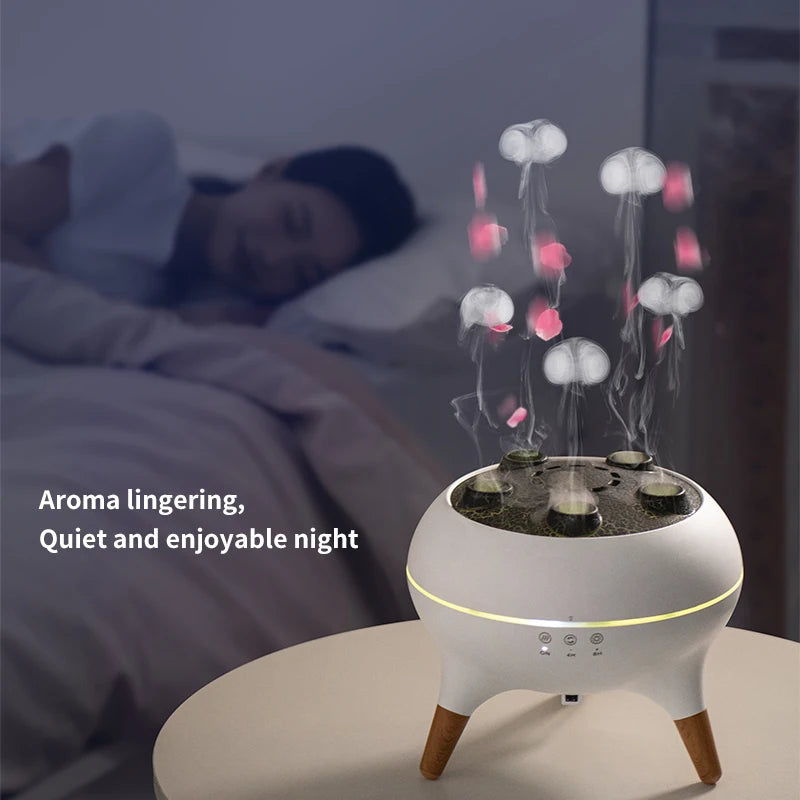
Noisy humidifier sleep disruption from hidden ultrasonic humidifier noise — See it in action
Why Light Sleepers Notice Humidifier Noise First
Light sleepers process environmental sounds differently during sleep. Instead of filtering out consistent background noise, the brain remains more responsive to unexpected changes. A gentle vibration, water drip, or brief change in motor speed may be enough to interrupt a sleep cycle without creating a full awakening.
These interruptions often occur during lighter sleep stages, making it harder to reach or maintain restorative deep sleep.
- Greater sensitivity to high-frequency sounds
- More frequent micro-awakenings throughout the night
- Longer time needed to return to deeper sleep stages
- Morning fatigue despite spending enough hours in bed
Age, stress levels, caffeine intake, and naturally lighter sleep patterns all influence how noticeable humidifier sounds become. Parents, caregivers, and wellness-focused adults often introduce humidifiers for better comfort without realizing that poor acoustic design may offset some of those benefits.
The Hidden Sounds Inside Ultrasonic Humidifiers
Ultrasonic humidifier noise is often described as nearly silent, but several internal components can create sounds that become surprisingly noticeable in a quiet bedroom. While average decibel ratings provide useful comparisons, they rarely capture occasional clicks, resonance, or changing vibration patterns that disturb sensitive sleepers.
Common sound sources
- High-frequency ultrasonic vibrations that produce mist
- Water movement inside the reservoir during operation
- Internal fan or motor cycling as humidity output changes
- Plastic housing amplifying vibration through furniture
- Loose components that begin rattling after extended use
- Mineral buildup causing irregular water flow or vibration
How to identify each noise type
Different sounds often point to different causes:
- High-pitched humming: Usually comes from the ultrasonic transducer.
- Buzzing or vibration: Often results from the unit sitting on a hollow nightstand or uneven surface.
- Gurgling or dripping: Common as water moves through the internal reservoir.
- Clicking during operation: May occur when the humidifier cycles on and off automatically.
- Increasing noise over time: Frequently indicates mineral deposits or components that need cleaning.
Placed close to the bed, these subtle noises become easier to detect because nighttime ambient sound levels are much lower. For households already focused on calm routines—like those browsing Sleep & Comfort solutions—even small improvements in acoustic comfort can make a noticeable difference.
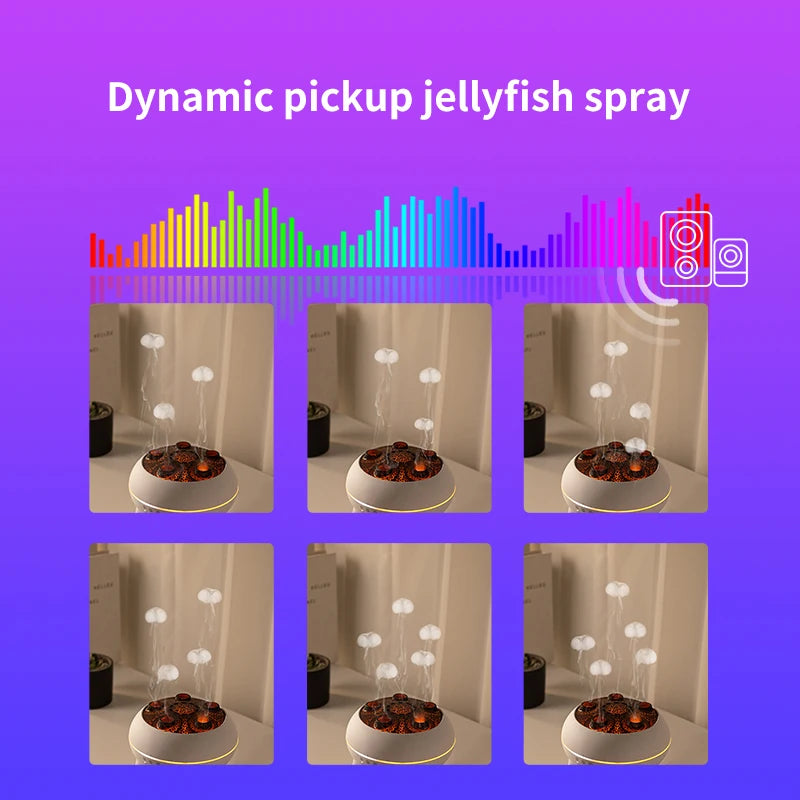
Ultrasonic humidifier noise contributing to stressful bedroom environment sleep — See it in action
How Bedroom Noise Becomes a Stress Signal
Noisy humidifier sleep disruption isn't simply about volume. During sleep, the brain continuously monitors the environment for unexpected changes. Irregular sounds can be interpreted as potential disturbances, causing subtle activation of the nervous system even when you remain asleep.
Over time, repeated sleep fragmentation may reduce overall sleep quality and make bedtime feel less restorative.
This stressful bedroom environment may contribute to:
- Shallower breathing patterns during sleep
- Reduced time spent in REM and deep sleep
- More frequent overnight awakenings
- Morning grogginess and irritability
That's why many nighttime wellness routines combine proper humidity management with calming tools from Massage & Relaxation collections to support both physical comfort and relaxation before bed.
What to Look for in the Quietest Humidifier for Bedroom Use
The quietest humidifier for bedroom use depends on more than a published decibel rating. Design quality, maintenance, placement flexibility, and vibration control all contribute to how quiet a humidifier actually feels throughout the night.
- Stable base: Limits vibration transfer into bedside furniture.
- Consistent mist output: Reduces frequent on-and-off cycling noises.
- Well-insulated housing: Helps dampen internal resonance.
- Compact, balanced water tank: Minimizes sloshing and water movement.
- Easy-to-clean components: Regular maintenance prevents mineral buildup that can increase operating noise.
- Flexible placement: Longer power cords or compact designs allow positioning farther from the bed while maintaining effective humidity.
Parents shopping within Baby Care Essentials often prioritize quiet nursery equipment. The same considerations—steady operation, low vibration, and simple maintenance—also benefit adult bedrooms and shared sleeping spaces.
Matching the Right Humidifier to Your Sleep Style
If you wake easily, your humidifier should blend into the background rather than draw attention. Consider your bedroom size, preferred humidity level, and personal sensitivity to sound before choosing a model.
A compact bedside option like the Jellyfish Air Humidifier is designed for smaller sleeping spaces where quiet operation and gentle continuous mist are priorities.
It may suit light sleepers because it offers:
- Low ultrasonic humidifier noise during continuous use
- Gentle, steady mist instead of sudden output bursts
- Soft night light that avoids excessive brightness
- Compact design that helps reduce furniture resonance
This type of humidifier works especially well in bedrooms where maintaining a calm nighttime environment is just as important as increasing humidity. It also complements routines built around Beauty & Wellness products that promote relaxation and recovery.
What Real Light Sleepers Say After Switching
Many light sleepers report noticeable improvements after replacing louder humidifiers with quieter models. Common experiences include falling asleep more quickly, fewer overnight awakenings, and feeling more refreshed in the morning.
Some users describe finally noticing a bedroom that feels consistently peaceful instead of filled with subtle humming or vibration. Others find that relocating the humidifier or cleaning it regularly provides almost as much benefit as purchasing a new model.
Not every concern disappears completely, however. Extremely sensitive sleepers may still notice occasional water movement or automatic cycling sounds, making realistic expectations important when shopping for a humidifier.
Parents managing nighttime feedings—many of whom browse Mom Essentials—also appreciate reducing unnecessary background noise during already interrupted sleep schedules.
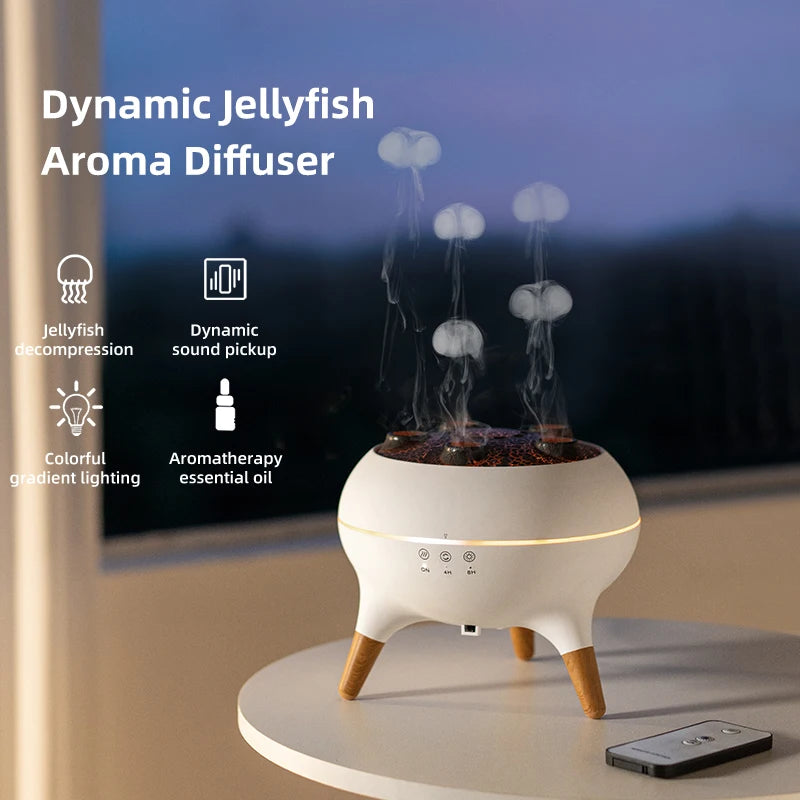
Quietest humidifier for bedroom comfort reducing noisy humidifier sleep disruption — See it in action
Quick FAQ
Is ultrasonic humidifier noise always noticeable?
No. Many people barely notice ultrasonic humidifiers, but light sleepers are more sensitive to high-frequency sounds, vibration, and intermittent operating noises in otherwise quiet bedrooms.
Can humidifier placement reduce sleep disruption?
Yes. Positioning the humidifier on a sturdy surface several feet away from the bed and away from hollow furniture can reduce both vibration and perceived noise.
Does a quieter humidifier really improve sleep quality?
For many light sleepers, reducing unnecessary nighttime noise helps minimize sleep interruptions and supports more consistent deep sleep, especially when combined with a comfortable humidity level.
Why does my humidifier become louder over time?
Mineral deposits, low water levels, worn components, or loose internal parts can all increase operating noise. Regular cleaning and following the manufacturer's maintenance schedule often restore quieter performance.
Should I use white noise with a humidifier?
Some light sleepers benefit from steady white noise because it masks irregular sounds from the humidifier. Others prefer eliminating the noise source altogether. The best approach depends on your personal sensitivity and sleep preferences.
Related Guide: Stress Relief Home Humidifier for Sensitive Sleepers





