

Nursery Temperature Safety Concerns for Newborns and Light Sleepers
What are nursery temperature safety concerns for newborns?
Nursery temperature safety concerns focus on keeping a baby’s room within a safe, stable range to support breathing, sleep quality, and comfort. Using nursery temperature monitoring and aiming for the optimal nursery temperature for newborns helps reduce overheating or chills, improving sleep patterns and supporting parents peace of mind monitoring.
Nursery Temperature Safety Concerns for Newborns and Light Sleepers
⏱ 6 min read
New parents often spend nights wondering if the nursery is too warm or too cool. A single degree can affect sleep, breathing, and overall comfort. Understanding nursery temperature safety concerns and using simple monitoring tools can turn restless nights into calmer, more predictable sleep—for babies and parents alike.
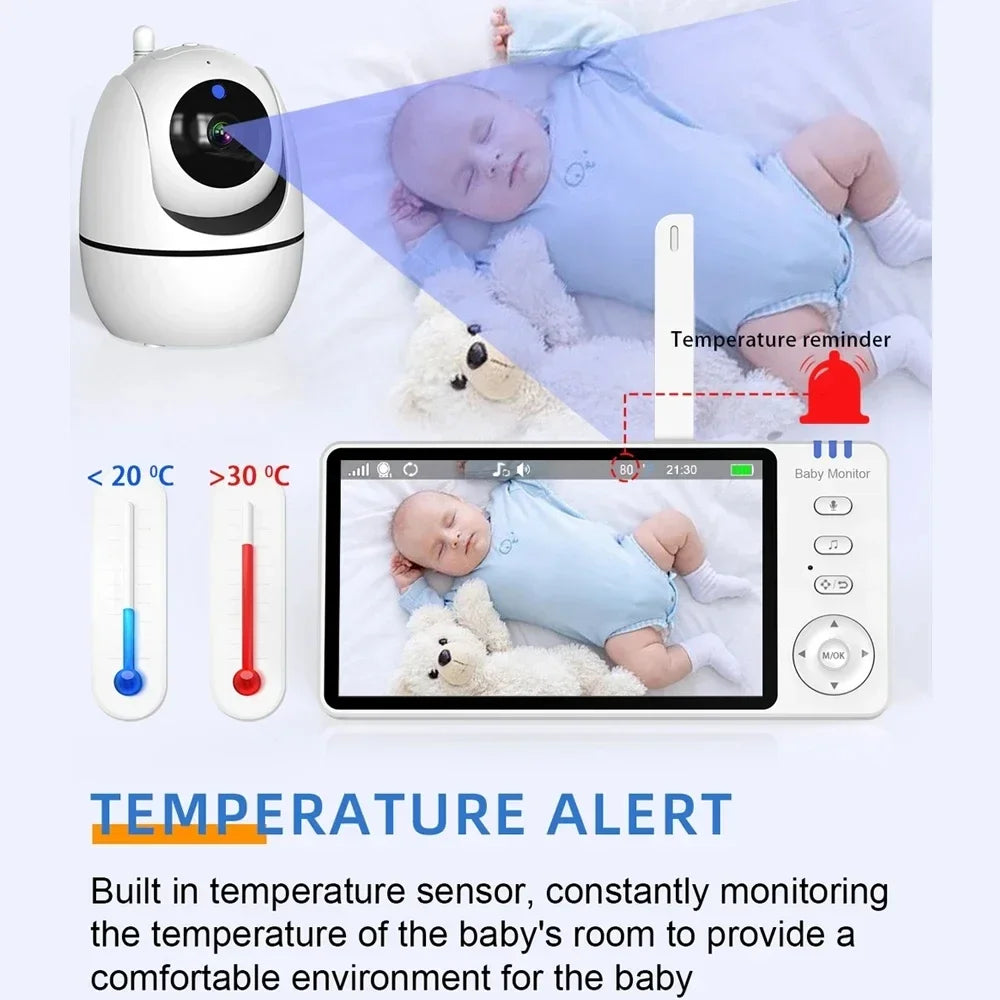
Nursery temperature safety concerns explained with smart nursery temperature monitoring 💡 See it in action
Why Nursery Temperature Matters for Sleep and Safety
Babies cannot regulate body temperature as efficiently as adults. When a room is too warm, the risk of overheating increases. When it is too cool, babies may wake frequently or struggle to stay asleep. These nursery temperature safety concerns often show up as frequent night wakings or shallow sleep.
- Overheating can lead to discomfort and restless sleep.
- Cool drafts may cause frequent waking.
- Stable temperatures support deeper, longer sleep cycles.
- Consistent monitoring reassures caregivers during the night.
Many families pair safe sleep practices with tools from Health & Safety and Sleep & Comfort collections to create a balanced nursery environment.
What Is the Optimal Nursery Temperature for Newborns?
The optimal nursery temperature for newborns generally falls between 68°F and 72°F. This range supports comfortable breathing, reduces overheating risk, and aligns with pediatric sleep guidance. Maintaining this range consistently is key to addressing nursery temperature safety concerns without constant manual checks.
| Temperature Range | Effect on Newborn Sleep |
|---|---|
| Below 68°F | Possible chills, frequent waking |
| 68–72°F | Comfortable, stable sleep |
| Above 72°F | Risk of overheating, restlessness |
Which range feels hardest to maintain in your home? Many parents find overnight fluctuations are the biggest challenge.
How Nursery Temperature Monitoring Supports Parents Peace of Mind
Nursery temperature monitoring allows caregivers to check conditions without entering the room and disturbing sleep. Modern monitors combine video and temperature readings, helping families respond quickly if the room becomes uncomfortable.
- Track real-time temperature changes.
- Spot patterns during naps and nighttime sleep.
- Adjust heating or cooling before discomfort sets in.
- Sleep easier knowing conditions are visible at a glance.
Many parents explore options within Monitoring Devices and Temperature Tools to find setups that fit their routines.
Nursery temperature monitoring in real homes for optimal nursery temperature for newborn comfort 💡 See it in action
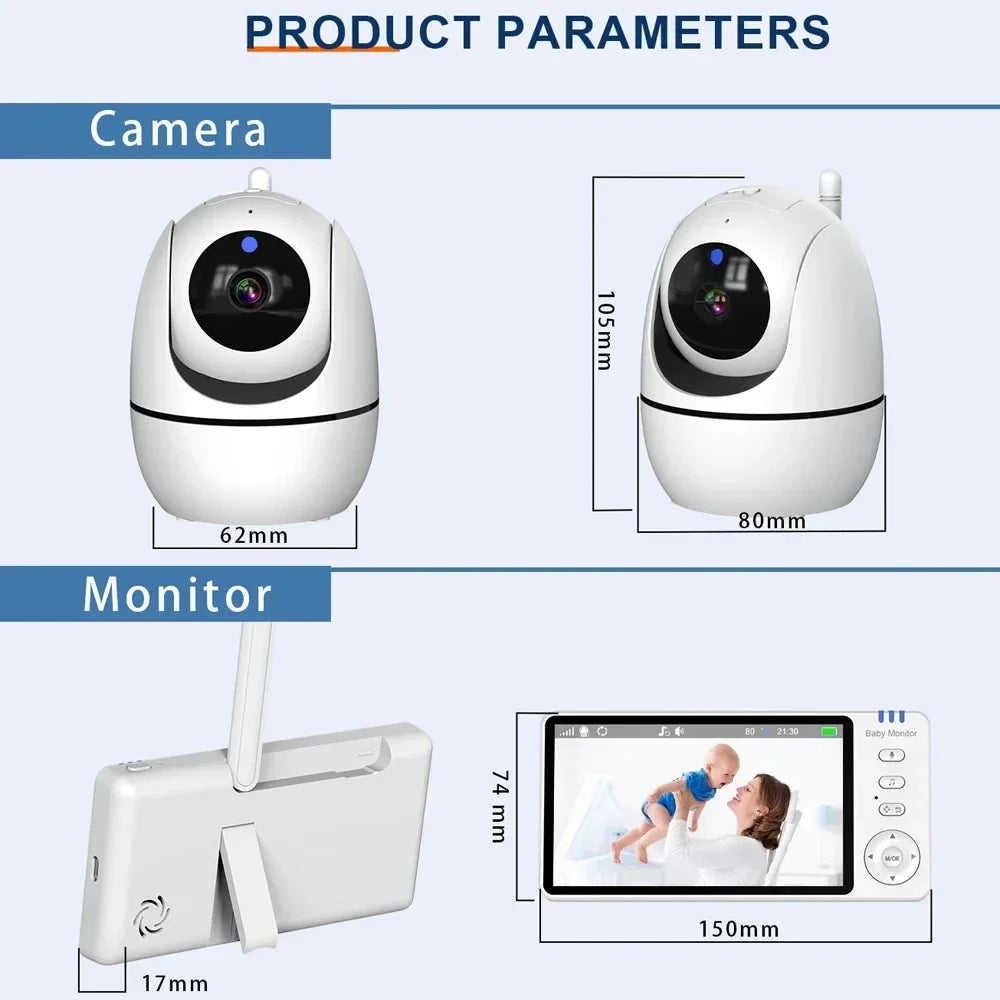
For families who want both visuals and data, a video monitor with built-in temperature tracking—like the 5-Inch Video Baby Monitor PTZ HD—can simplify overnight checks and reduce guesswork.
Real Parent Experiences: Small Changes, Better Sleep
One parent shared that after noticing the nursery warmed up by just two degrees overnight, they adjusted the thermostat and saw longer sleep stretches within days. Another family used monitoring alerts to catch a faulty heater before it disrupted their baby’s routine.
- “We stopped second-guessing every night.”
- “Seeing the temperature helped us relax.”
- “Our baby slept longer once we stabilized the room.”
Stories like these highlight how addressing nursery temperature safety concerns can improve sleep quality and emotional well-being.
Practical Tips to Maintain a Safer Nursery Temperature
Creating a stable environment does not require complex systems. Simple habits and the right tools can make a noticeable difference.
- Place the crib away from vents or windows.
- Use breathable sleepwear appropriate for the season.
- Check temperature at crib level, not just the doorway.
- Pair monitoring tools with consistent bedtime routines.
Many caregivers combine guidance from Baby Care Essentials with smart options from Smart Baby Gadgets for a balanced approach.

Parents peace of mind monitoring starts with understanding nursery temperature safety concerns 💡 See it in action
Quick FAQs About Nursery Temperature Safety
How often should I check nursery temperature?
With nursery temperature monitoring, a quick glance before bedtime and during overnight wake-ups is usually enough. Automated displays reduce the need for frequent manual checks.
Can temperature changes really affect sleep cycles?
Yes. Even small shifts can influence comfort and breathing, making stable temperature an important part of newborn sleep safety.
Is monitoring useful beyond the newborn stage?
Many families continue monitoring as babies grow, especially for light sleepers or during seasonal changes.
Related Guide: Five Inch Video Baby Monitor for Small Nurseries and Apartments





