

Scalp Massage Oil: Which One Fits Your Hair Needs?
Does oil for scalp massage really work?
Scalp massage oil can support a healthier-looking scalp by reducing dryness, improving comfort, and helping distribute nourishing ingredients evenly across the roots. While oils alone cannot guarantee hair growth, combining a quality scalp massage oil with gentle massage techniques may help create a better scalp environment, reduce tension, and improve the overall appearance of hair.
Oil for Scalp Massage: Best Options for Healthy Hair
Choosing the right oil for scalp massage can transform a simple self-care routine into a relaxing hair care ritual. The best scalp massage oil depends on your hair type, scalp condition, and goals—whether you want lightweight hydration, support for dry skin, or a soothing massage experience.
⏱ 8 min read
Explore self-care essentials designed to make everyday hair care more comfortable.
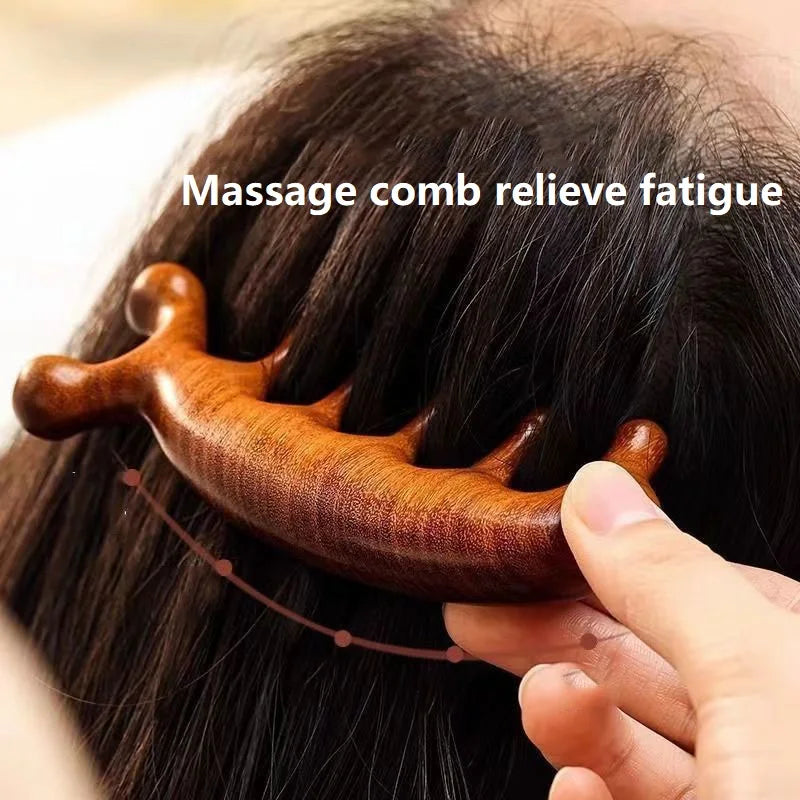
Oil for scalp massage paired with gentle tools for a relaxing home routine
Best Scalp Massage Oil: 10 Top Picks for Every Hair Type and Scalp Concern
The best scalp massage oil should match your scalp needs, absorb comfortably, and provide ingredients that support moisture and relaxation. Below are popular options selected for texture, versatility, and common hair concerns.
Quick comparison table
| Scalp Massage Oil | Best For | Key Ingredients | Pros | Cons |
|---|---|---|---|---|
| Rosemary Oil | Hair thinning concerns | Rosemary extract, botanical compounds | Popular for scalp care routines, refreshing scent | Usually needs dilution with a carrier oil |
| Coconut Oil | Dry scalp and coarse hair | Fatty acids | Deep moisture, easy to find | May feel heavy on fine hair |
| Castor Oil | Dry or fragile-looking hair | Ricinoleic acid | Rich texture, long-lasting moisture | Very thick and difficult to spread |
| Jojoba Oil | Oily or sensitive scalp | Wax esters similar to natural oils | Lightweight, comfortable finish | Less intensive hydration |
| Argan Oil | Frizz and damaged-looking hair | Vitamin E, fatty acids | Smooth finish without heavy residue | Higher price point |
| Peppermint Oil | Refreshing scalp massage | Menthol compounds | Cooling sensation | Can irritate sensitive skin if undiluted |
| Tea Tree Oil | Oily or buildup-prone scalp | Terpinen-4-ol | Fresh, clarifying feel | Requires careful dilution |
| Almond Oil | Normal to dry hair | Vitamin-rich oils | Softens hair texture | Can be too rich for oily scalps |
| Avocado Oil | Thick or textured hair | Monounsaturated fats | Nourishing and smoothing | Heavier consistency |
| Grapeseed Oil | Fine hair | Lightweight fatty acids | Fast absorbing | Less protective for very dry hair |
How we tested and selected the oils
When comparing scalp massage oils, consider absorption, texture, ingredient quality, scalp compatibility, and ease of use. A good best oil for scalp massage option should spread easily, avoid excessive buildup, and feel comfortable during a 5–10 minute massage.
Do Scalp Massage Oils Really Work?
Scalp massage oils can improve the feel and condition of the scalp, but results depend on expectations and consistency. Oils mainly support moisture balance, reduce friction, and make massage movements smoother.
What research says
Some studies suggest that regular scalp massage may influence scalp comfort and circulation. However, increased blood flow does not automatically mean faster hair growth. Hair growth is affected by many factors, including genetics, hormones, nutrition, and overall health.
How massage and oil work together
- Oil reduces friction, allowing gentler massage movements.
- Massage helps spread oil evenly across the scalp.
- Relaxation may reduce the feeling of scalp tension caused by stress.
- Consistent care supports a cleaner, more balanced scalp routine.
A scalp massage oil for hair growth routine should be viewed as supportive care rather than a guaranteed solution for thinning hair.
How to Choose the Best Oil for Scalp Massage
Knowing what oil to use for scalp massage depends on your scalp condition, hair texture, and personal preference.
Best ingredients by scalp concern
| Scalp Concern | Recommended Oils |
|---|---|
| Dry scalp | Coconut oil, argan oil, avocado oil |
| Oily scalp | Jojoba oil, grapeseed oil |
| Sensitive scalp | Jojoba oil, lightweight carrier oils |
| Hair breakage concerns | Castor oil blends, argan oil |
Carrier oils vs essential oils
Carrier oils such as jojoba, coconut, and argan oil can usually be applied more directly. Essential oils like rosemary, peppermint, and tea tree oil are concentrated and should generally be diluted before applying to the scalp.
What to avoid
- Applying undiluted essential oils directly to the scalp
- Using excessive amounts that create heavy buildup
- Ignoring irritation, redness, or itching after use
- Choosing oils that do not match your scalp type
Best Scalp Massage Oils by Ingredient
Rosemary oil
Rosemary oil is one of the most discussed ingredients in scalp care routines. It is commonly used with carrier oils for massage because of its refreshing scent and traditional use in hair care.
Best for: People exploring scalp massage oil routines for thinning hair concerns.
Potential drawback: Requires dilution and patch testing.
Castor oil
Castor oil has a thick texture that helps lock in moisture. It works well for dry areas but may require mixing with lighter oils for easier application.
Coconut oil
Coconut oil is a popular hair oil for scalp massage because it is affordable and moisturizing. It is especially suitable for dry, thick, or textured hair.
Jojoba and argan oil
Jojoba and argan oils are lightweight choices for people who prefer a smoother finish without a greasy feeling.
Peppermint and tea tree oil
These essential oils provide a refreshing sensation but should be diluted properly. They may not suit people with highly sensitive scalps.
How to Use Hair Oil for Scalp Massage Effectively
The best results from a hair massage oil routine come from using the right amount and applying gentle pressure.
Step-by-step massage routine
- Start with dry hair or slightly damp hair depending on your preference.
- Warm 1–2 teaspoons of oil between your palms.
- Apply oil directly to scalp sections rather than soaking the entire hair length.
- Massage with fingertips using slow circular motions for 5–10 minutes.
- Leave the oil on for 20 minutes or longer if your scalp tolerates it.
- Wash thoroughly to remove excess oil.
How much oil to use
More oil does not mean better results. Fine hair may need only a few drops, while thicker hair may require more coverage.
How often to massage
Most people can use scalp massage oil two to three times per week. Adjust frequency if your scalp becomes oily or irritated.
Common mistakes
- Scratching the scalp instead of massaging gently
- Using too much product
- Leaving heavy oils on too long when prone to buildup
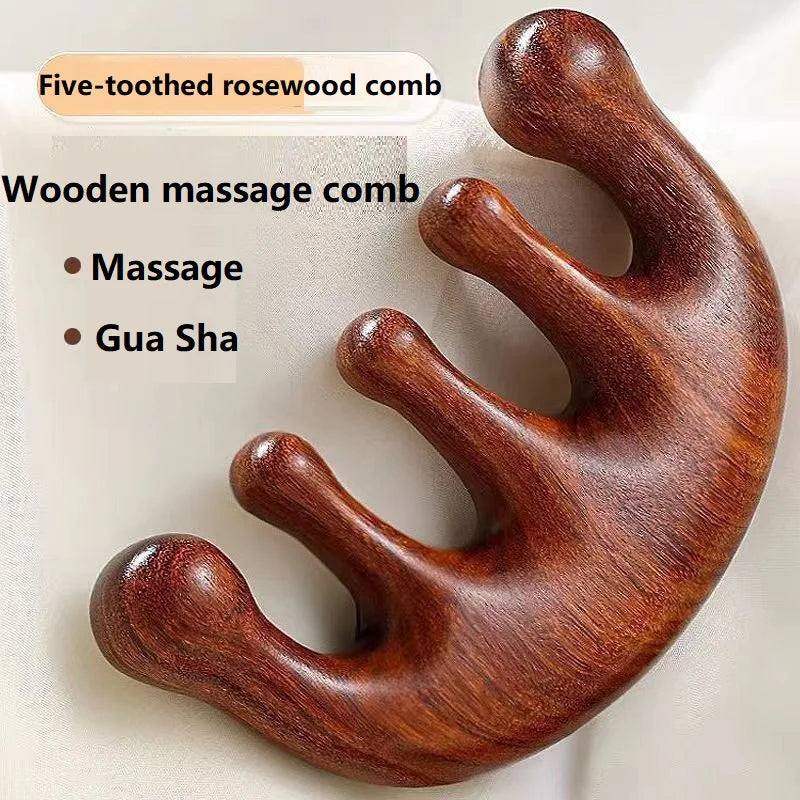
Hair oil for scalp massage with simple at-home techniques
Which Scalp Massage Oil Is Best for Your Hair Type?
Dry scalp
Choose richer oils such as coconut, argan, or avocado oil to support moisture and reduce tight, dry sensations.
Dandruff-prone scalp
Light oils such as jojoba may feel more comfortable. Avoid heavy application that can increase buildup.
Thinning hair
People interested in scalp massage oil for hair growth often choose rosemary oil blends or lightweight carrier oils as part of a broader hair care routine.
Oily scalp
Jojoba and grapeseed oils are better choices because they feel lighter and absorb quickly.
Curly and textured hair
Thicker oils like coconut and avocado oil can help support softness and reduce dryness in textured hair.
What Results Can You Expect?
After one use
You may notice softer hair, easier detangling, and a more relaxed scalp feeling after a single session.
After 4 to 8 weeks
With consistent use, some people notice improved scalp comfort, less dryness, and a more manageable hair routine. Visible hair growth changes depend on individual factors.
When to see a dermatologist
Consult a healthcare professional if you experience sudden hair loss, painful scalp irritation, persistent itching, or signs of infection.
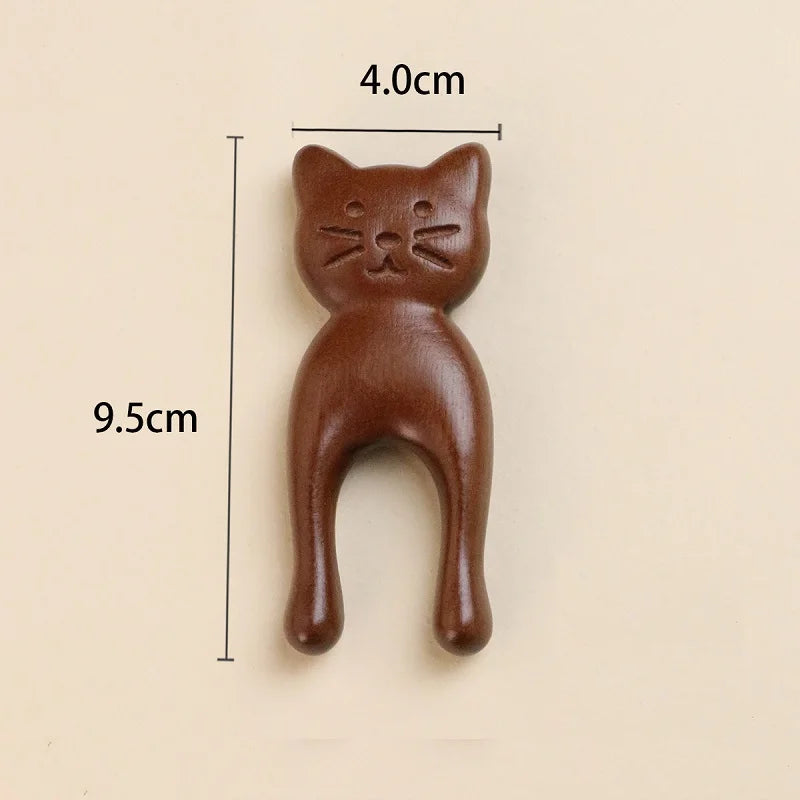
Simple scalp massage techniques for a balanced self-care routine
For a more consistent massage experience, pairing oil with a wooden scalp massager comb can help create comfortable pressure while spreading products evenly.
Frequently Asked Questions
What is the best oil for scalp massage?
The best oil depends on your scalp type. Jojoba oil is lightweight, coconut oil suits dry hair, and rosemary oil blends are popular for scalp-focused routines.
Which oil is best for hair massage and hair growth?
No oil guarantees hair growth, but rosemary oil blends and nourishing carrier oils are commonly used in scalp massage routines that support healthy scalp care.
Can scalp massage oil help with thinning hair?
Scalp massage oil may improve scalp condition and relaxation, but thinning hair often requires identifying underlying causes.
How often should I use scalp massage oil?
Two to three times weekly is a common routine. Reduce frequency if your scalp becomes greasy or irritated.
Should I apply scalp massage oil to wet or dry hair?
Many people prefer dry hair because oil spreads more easily, but slightly damp hair can also work depending on the product.
Can I leave scalp massage oil on overnight?
Some people leave lightweight oils overnight, but wash thoroughly afterward and stop if irritation occurs.
Do I need to wash my hair after using scalp massage oil?
Yes, especially when using heavier oils. Cleansing removes excess residue and prevents buildup.
Which oils are best for dandruff or dry scalp?
Lightweight oils such as jojoba may suit dandruff-prone scalps, while coconut and argan oils are often preferred for dryness.
Try a wooden scalp massager comb and create a calmer, more consistent hair care habit.
Related Guide: Home Remedies for Dry Scalp: Top Solutions Compared





