

Best Belly Band for Pregnancy Back Pain That Stays Comfortable
Does maternity back support really relieve pregnancy back pain better than belly bands?
Yes. For many pregnant women experiencing moderate to severe lower back pain, a structured maternity back support belt provides more effective relief than a standard belly band. By redistributing abdominal weight, supporting the lumbar spine, and encouraging better posture, it helps reduce strain on the muscles and joints that work harder as pregnancy progresses. Belly bands primarily provide gentle abdominal lift, making them better suited to mild discomfort or early pregnancy rather than ongoing back pain.
Maternity Back Support vs Belly Bands: What Relieves Pain Better?
Choosing between a maternity back support belt and a belly band can significantly affect your daily comfort during pregnancy. While both are designed to support your growing bump, they serve different purposes. A maternity back support belt delivers targeted lumbar support and pelvic stability for women experiencing persistent pain, whereas belly bands offer lightweight support for everyday comfort. Understanding these differences helps you choose the right option for your symptoms, activity level, and stage of pregnancy.
⏱ 7 min read
Back pain, hip pressure, pelvic discomfort, and posture fatigue become increasingly common during the second and third trimesters. If standing, walking, shopping, or working leaves your lower back aching by the end of the day, selecting the right pregnancy support can make everyday movement noticeably easier.
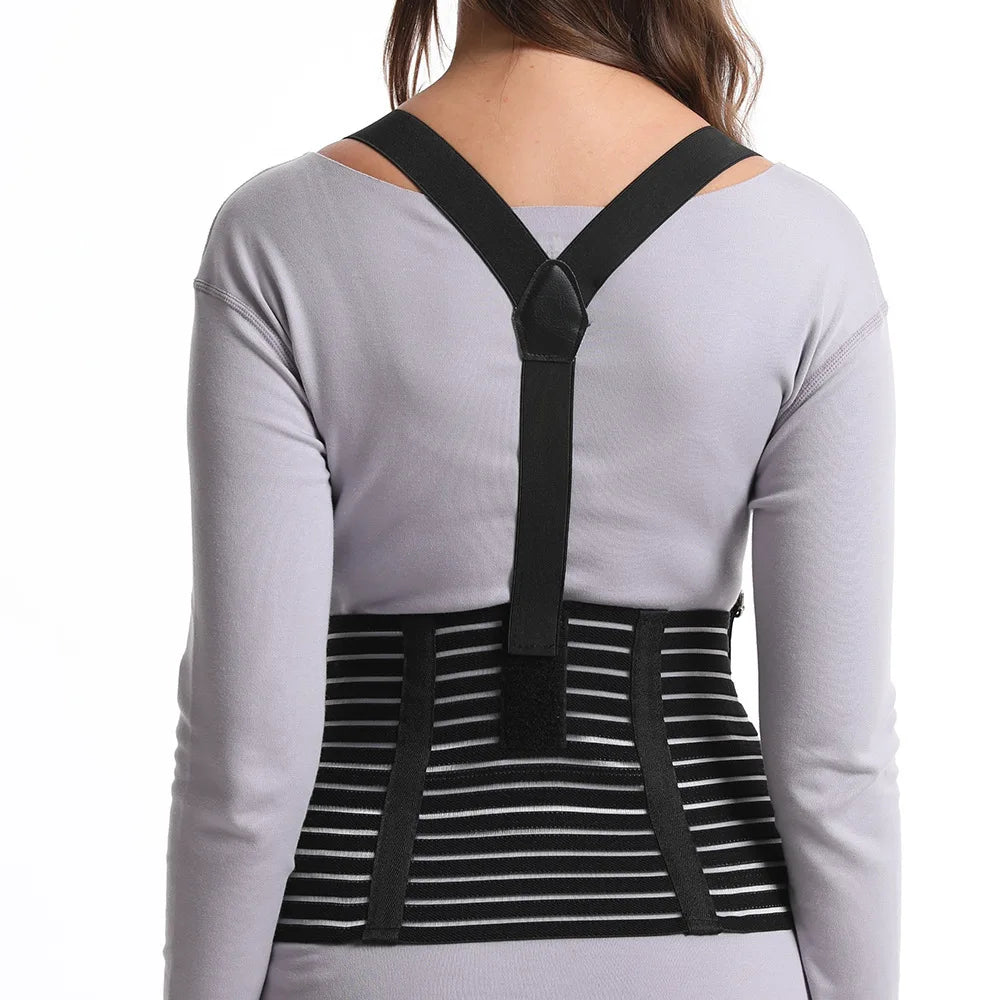
Maternity back support belt for posture and lumbar support during pregnancy — See it in action
What is maternity back support?
Maternity back support is a wearable support system designed to reduce the physical strain of pregnancy by stabilizing the lower back, supporting the pelvis, and redistributing the weight of a growing abdomen. Unlike basic stretch bands, a maternity back support belt typically combines reinforced lumbar panels with adjustable straps to deliver targeted support where it is needed most.
Its structured design helps maintain better posture during walking, standing, household tasks, and other daily activities. Because the fit can usually be adjusted throughout pregnancy, many women continue using the same support belt as their body changes from trimester to trimester.
- Provides targeted support for the lower back and lumbar region.
- Helps improve posture by reducing forward pulling from the growing belly.
- Supports the pelvis to lessen pressure on hips and sacroiliac joints.
- Adjustable design accommodates changing body shape throughout pregnancy.
- Often offers greater stability than lightweight belly bands during prolonged activity.
Many expecting moms pair back support with gentle recovery tools from Massage & Relaxation collections to help ease muscle tension after long days on their feet.
How belly bands work and where they help
A pregnancy belly support band is designed to provide gentle lift and everyday comfort by supporting the weight of the growing belly. Unlike structured maternity back support belts, belly bands are usually made from flexible, stretchable materials that wrap around the abdomen to reduce pulling sensations and improve comfort during daily activities.
Belly bands can be a practical choice for women who need light support without the firmer structure of a full maternity support belt. They are especially useful when discomfort is mild, clothing support is needed, or extra belly stability is preferred during movement.
Belly bands may help with:
- Reducing mild abdominal heaviness and pulling sensations
- Providing gentle lift as the belly grows
- Improving comfort during walking, errands, and light activities
- Supporting maternity clothing fit by creating a smoother layer underneath outfits
- Offering flexible support for women who prefer less compression
However, a standard belly band may not provide enough targeted support for ongoing lower back pain, significant pelvic pressure, or posture-related discomfort. As pregnancy progresses and abdominal weight increases, many women need stronger lumbar support from a maternity back support belt to maintain comfort during longer periods of activity.
Maternity back support vs belly bands: side-by-side comparison
When comparing a maternity belt vs belly band, the biggest difference is the level of targeted support. Belly bands focus on gentle abdominal support, while maternity back support belts are designed to stabilize the lower back, improve posture, and distribute pregnancy-related weight more evenly.
| Feature | Maternity Back Support | Belly Band |
|---|---|---|
| Support level | Moderate to high support for back, hips, and pelvis | Light support focused on belly lift and comfort |
| Lumbar support pregnancy focus | Yes, with targeted lower back reinforcement | Minimal or no dedicated lumbar support |
| Pain relief potential | Better suited for moderate pregnancy back pain and posture strain | Best for mild discomfort and abdominal heaviness |
| Posture support | Helps encourage improved alignment during movement | Provides limited posture assistance |
| Adjustability | High with adjustable straps and structured fitting | Usually simple stretch or wrap adjustment |
| Best pregnancy stage | Often preferred during the second and third trimesters | Commonly used during early pregnancy through early second trimester |
| Best for | Women needing stronger pregnancy back support during daily activities | Women seeking lightweight comfort and gentle belly support |
For women comparing a belly band vs belly belt, the right choice depends on the type of discomfort you experience. A flexible belly band may be enough for mild support needs, while a structured maternity belt is usually the better option when back pain, pelvic pressure, or long periods of standing are involved.
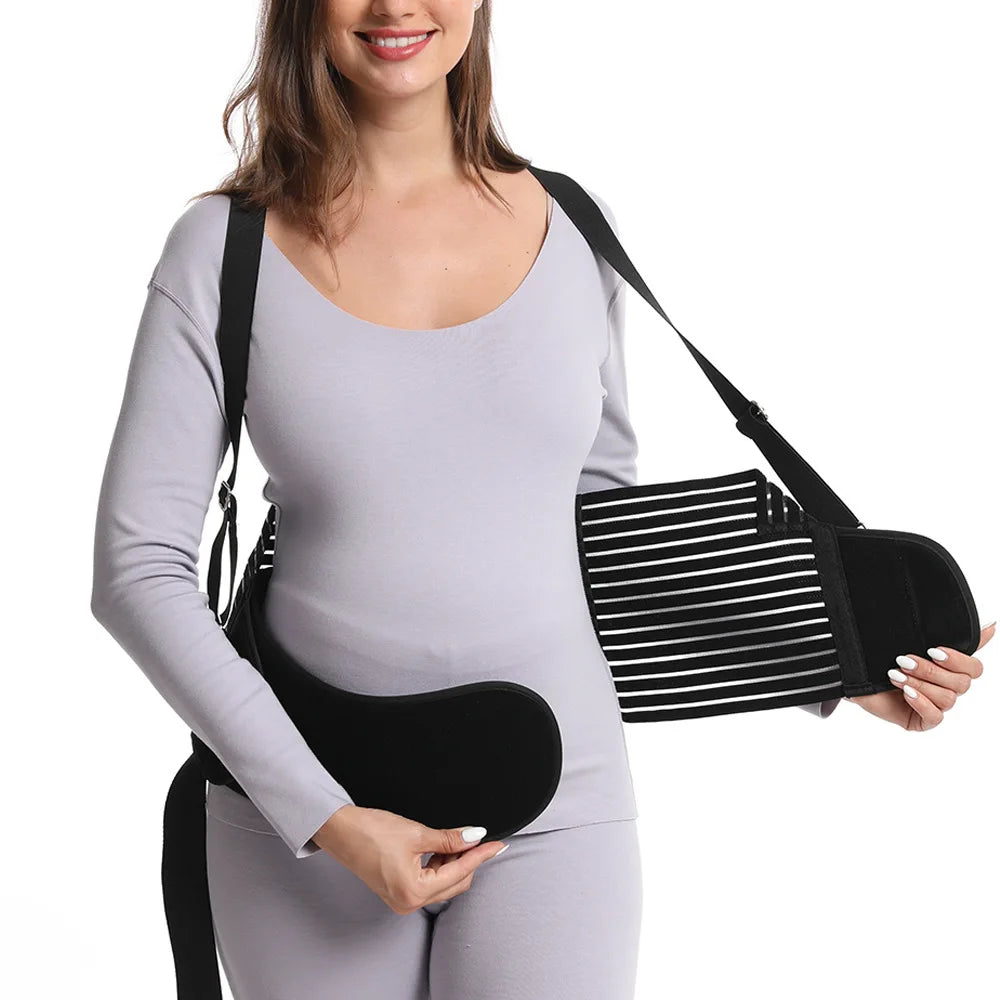
Back support belt for pregnancy with lumbar support pregnancy design — See it in action
How to choose the right option for your pregnancy needs
Choosing between a maternity back support belt and a belly band depends on your symptoms, activity level, and the type of support your body needs. The best pregnancy back support option should match your daily routine while providing enough stability without feeling restrictive.
Before choosing a support garment, consider these factors:
- Type of discomfort: If your main issue is lower back pain, pelvic pressure, or posture strain, a structured maternity back support belt is usually the better choice. For mild belly heaviness or clothing support, a flexible belly band may be enough.
- Daily activity level: Women who walk frequently, work on their feet, or complete active household tasks often benefit from stronger support and adjustable features.
- Comfort and fit: Look for breathable materials, secure adjustment options, and a design that stays comfortable during extended wear.
- Pregnancy stage: Support needs often change as the belly grows, so an adjustable pregnancy belly support band or maternity belt can provide better long-term value.
Many moms combine supportive wear with comfort-focused essentials from Mom Essentials to maintain mobility and comfort throughout pregnancy.
How to choose the right pregnancy belly band or maternity support belt
The best belly support for pregnancy depends on where you feel discomfort, how active you are each day, and how your support needs change throughout pregnancy. A comfortable support option should provide enough stability to reduce strain while allowing natural movement.
Consider these factors before choosing a pregnancy support:
- Identify your main discomfort: Belly heaviness and mild pulling may respond well to a flexible pregnancy belly support band, while lower back pain, pelvic pressure, and posture fatigue often require more structured support.
- Match support to your routine: If you spend hours standing, walking, exercising, or completing daily tasks, look for a design that provides reliable support during extended wear.
- Prioritize comfort features: Breathable materials, adjustable straps, and a secure fit help prevent slipping, pressure points, or discomfort throughout the day.
- Consider trimester changes: Your body continues to change during pregnancy, so adjustable support can help maintain comfort as your belly grows.
For moms prioritizing posture and spinal comfort, a well-designed maternity back support belt can provide targeted lumbar support and become a reliable part of a daily pregnancy comfort routine.
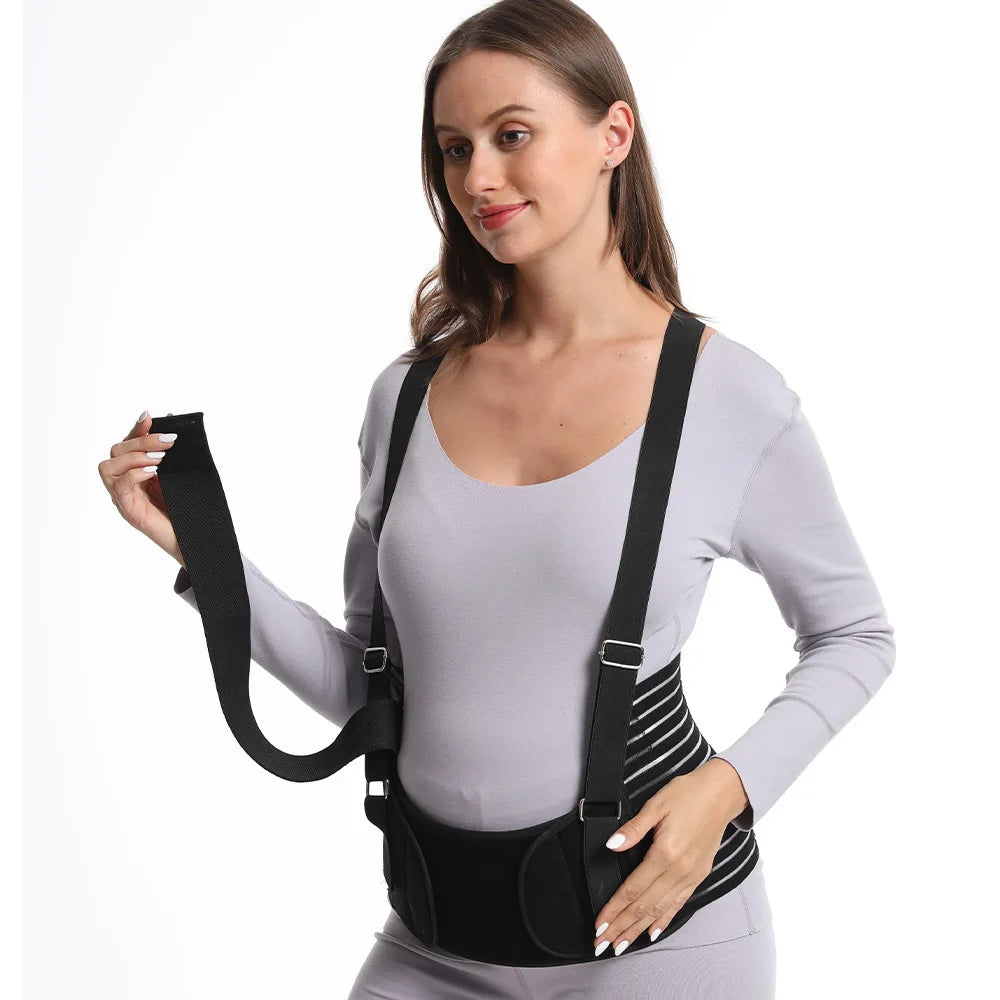
Maternity back support belt vs belly band comfort comparison — See it in action
Frequently Asked Questions
What is the best belly band for pregnancy back pain?
The best belly band for pregnancy back pain depends on the level and location of discomfort. For mild belly heaviness or gentle support, a flexible pregnancy belly support band may be enough. For persistent lower back pain, posture strain, or pelvic pressure, a structured maternity back support belt with lumbar support is often the better choice because it provides more targeted stability.
Is it safe to wear a pregnancy belly band every day?
Yes, a pregnancy belly band can usually be worn daily when it fits correctly and does not create excessive pressure. The support should feel comfortable and secure while still allowing normal movement and circulation. Remove the band if you experience discomfort, numbness, irritation, or increased pressure.
Can you sleep in a maternity belly band?
Most pregnancy support bands are designed for daytime use rather than overnight wear. Sleeping in a maternity belly band is generally not necessary unless your healthcare provider recommends it. For nighttime comfort, many moms prefer pregnancy sleep support products that are designed specifically for resting positions.
Can you exercise while wearing a pregnancy support belt?
Some women wear a pregnancy support belt during low-impact activities such as walking or prenatal exercise routines because it can provide extra stability. Choose a breathable, flexible design and avoid wearing it too tightly. If you are following a specific prenatal exercise program, discuss support options with your healthcare provider.
When should I start wearing a maternity support belt?
Many women begin using a maternity support belt during the second trimester when abdominal weight increases and posture changes become more noticeable. However, the right time depends on your comfort level, activity needs, and symptoms. Starting earlier may help if you experience strain during daily movement.
What's the difference between a belly band and a maternity belt?
The main difference between a belly band and a maternity belt is the level of support they provide. A belly band offers gentle abdominal lift and lightweight comfort, while a maternity belt typically includes stronger straps and lumbar support designed to reduce back strain. When comparing maternity belt vs belly band options, consider whether you need simple belly support or more targeted posture assistance.
How tight should a pregnancy belly band be?
A pregnancy belly band should feel supportive without restricting movement, breathing, or circulation. It should hold the belly comfortably rather than squeeze it. A proper fit allows you to move naturally and wear the support during daily activities without creating pressure points.
What size belly band should I get?
Choose a belly band size based on your current measurements and the manufacturer's sizing guide rather than automatically choosing your pre-pregnancy size. Measure around the widest part of your belly or follow the product instructions to ensure the support stays comfortable as your body changes.
Can a belly band help with pelvic girdle pain?
A belly band may provide some comfort by reducing the feeling of abdominal weight pulling downward, but women with pelvic girdle pain often need more structured support and guidance from a healthcare professional. A maternity support belt designed for stability may provide more targeted assistance for pelvic and lower back discomfort.





