

When to Start Wearing a Maternity Support Belt by Trimester
Does a prenatal belly support belt really work?
A prenatal belly support belt can help reduce back, hip, and pelvic discomfort by gently lifting the growing abdomen and improving pregnancy weight distribution support. Research and clinical guidance suggest that properly fitted maternity support belts may improve comfort during walking, standing, and daily activities, although they are designed to relieve symptoms rather than treat underlying conditions.
⏱ 7 min read
Prenatal Belly Support Belt: When to Start and How to Wear
If your lower back aches, your hips feel tight, or standing up suddenly feels heavier than it used to, you're not alone. As your baby grows, your center of gravity shifts forward, placing additional stress on your lower back, abdominal muscles, and pelvis. A prenatal belly support belt can help redistribute that weight, improve posture, and make everyday movement more comfortable. Knowing when to start wearing one—and how to wear it correctly—can help you get the greatest benefit throughout pregnancy.
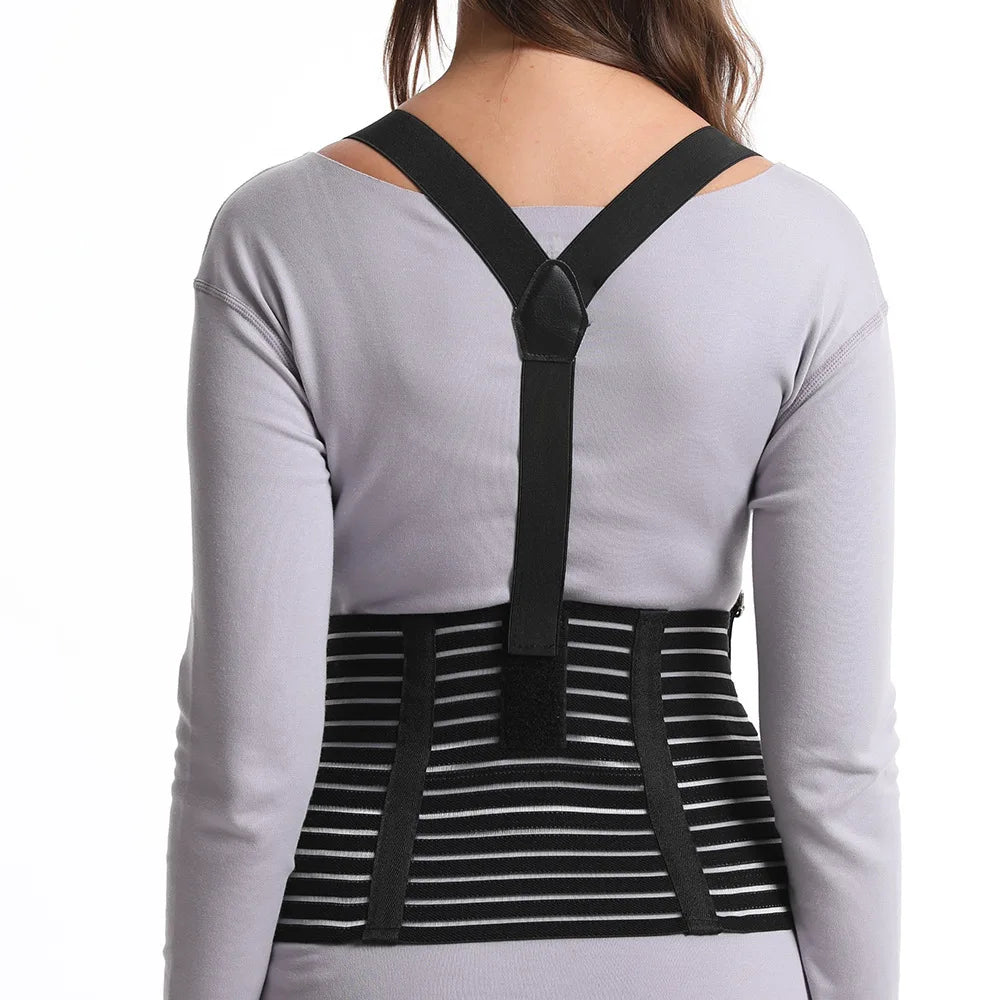
Prenatal belly support belt for daily comfort and pregnancy weight distribution support — See it in action
Quick thought: Are you supporting your growing bump—or asking your back to carry all the extra weight? A properly fitted support belt may help restore balance.
What Is a Prenatal Belly Support Belt?
A prenatal belly support belt, sometimes called a maternity belly support belt, is an adjustable garment designed to support the weight of your growing abdomen. It wraps around the hips and beneath the belly to provide gentle upward lift while reducing stress on the lower back and pelvis.
How it works
Instead of compressing your abdomen, the belt redistributes pregnancy weight more evenly across your hips and lower back. This extra support can make walking, standing, climbing stairs, and completing household tasks feel easier.
- Supports pregnancy weight distribution
- Reduces pressure on the lower back and pelvis
- Encourages better posture during movement
- Provides added stability while standing or walking
Support belt vs belly band vs pregnancy shapewear
| Product | Main Purpose | Best For |
|---|---|---|
| Prenatal support belt | Structured lifting support | Back, pelvic, and hip discomfort |
| Belly band during pregnancy | Light abdominal support | Daily comfort and clothing support |
| Pregnancy shapewear | Gentle smoothing and compression | Appearance rather than pain relief |
Many moms describe a maternity support belt as feeling like an extra pair of supportive hands that gently lift the bump without restricting movement.
When Should You Start Wearing a Maternity Support Belt?
Quick answer
For most pregnancies, the recommended time to start wearing a maternity support belt is during the second trimester , usually between weeks 14 and 20. However, the right time depends more on your symptoms than on a specific week of pregnancy.
First trimester
Most people do not need a prenatal belly support belt early in pregnancy because the uterus remains relatively small. If you have existing back issues or are carrying multiples, your healthcare provider may recommend earlier support.
Second trimester (recommended for most pregnancies)
This is when many pregnant women first notice changes in posture, increasing abdominal weight, and mild back or pelvic discomfort. Wearing a support belt during active parts of the day may reduce strain before symptoms become more noticeable.
Third trimester
As the baby grows, the additional support often becomes even more valuable. Many women find a maternity support belt especially helpful during shopping, work, walking, or standing for extended periods.
Signs it's time to start wearing one
- Lower back pain after standing
- Pelvic pressure or discomfort while walking
- Round ligament discomfort during movement
- Feeling unstable as your center of gravity shifts
- Daily activities becoming more physically demanding
If discomfort continues despite rest or becomes severe, speak with your healthcare provider to rule out other causes.
Does a Prenatal Belly Support Belt Really Work?
Yes—for many pregnant women, a prenatal belly support belt can provide meaningful symptom relief. While it does not prevent every pregnancy-related ache or replace medical care, studies suggest support garments may reduce lower back pain, improve pelvic stability, and make daily movement more comfortable.
- Helps decrease stress on the lower back
- May improve walking comfort
- Supports better posture during standing
- Can reduce feelings of heaviness as the bump grows
Results vary between individuals, and the belt works best when combined with healthy movement, posture awareness, and appropriate prenatal exercise.
Who Benefits Most—and Who Should Avoid One?
Who may benefit
A maternity belly support belt may be especially helpful if you:
- Stand or walk for long periods at work
- Experience lower back or pelvic discomfort
- Carry your bump prominently toward the front
- Are expecting twins or multiples
- Want additional support during light exercise or errands
When to consult your healthcare provider
Before wearing a support belt, speak with your healthcare provider if you have high-risk pregnancy complications, significant abdominal pain, reduced fetal movement, or any medical condition requiring activity restrictions.
When a support belt is not recommended
A prenatal belly support belt should not be worn so tightly that it causes pain, difficulty breathing, numbness, or restricted circulation. It should also never replace professional evaluation when symptoms are severe or worsening.
Pairing supportive gear with everyday comfort finds from Mom Essentials can make routines feel more manageable.
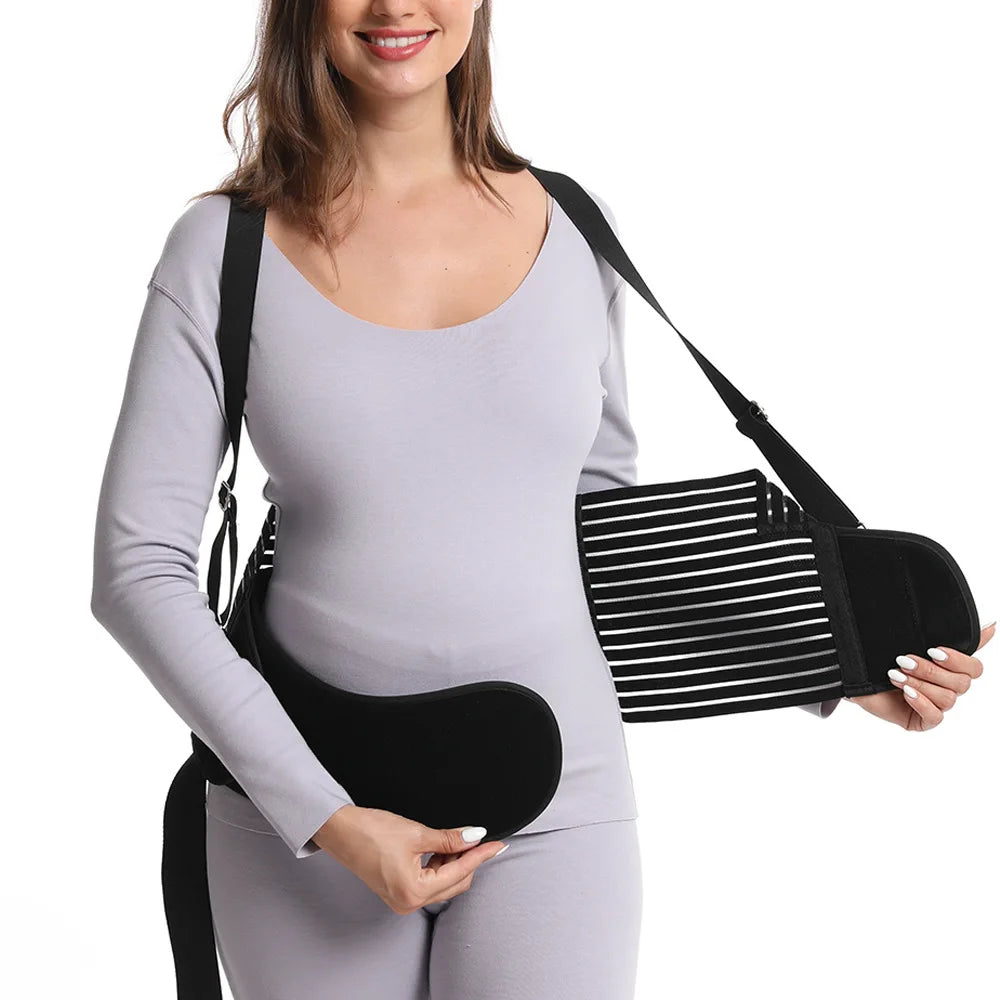
Belly band during pregnancy for posture and comfort — See it in action
How to Wear a Maternity Support Belt Correctly
How to put on a maternity belt
Stand upright before fastening the belt. Position the widest section beneath your abdomen so it gently lifts the bump rather than compressing it.
- Place the belt low beneath your belly.
- Wrap it around your hips.
- Secure the fastener until it feels supportive—not tight.
- Adjust while standing and walking to check comfort.
How to wear a maternity belly band
The belt should sit below the abdomen with even support across both hips. You should be able to breathe comfortably and move freely without pinching or rolling.
How long to wear a belly band during pregnancy
Most healthcare providers recommend wearing a maternity support belt during activities that increase discomfort, such as walking, shopping, household chores, or work. Rather than wearing it continuously all day, remove it periodically to allow your muscles to move naturally and avoid unnecessary pressure.
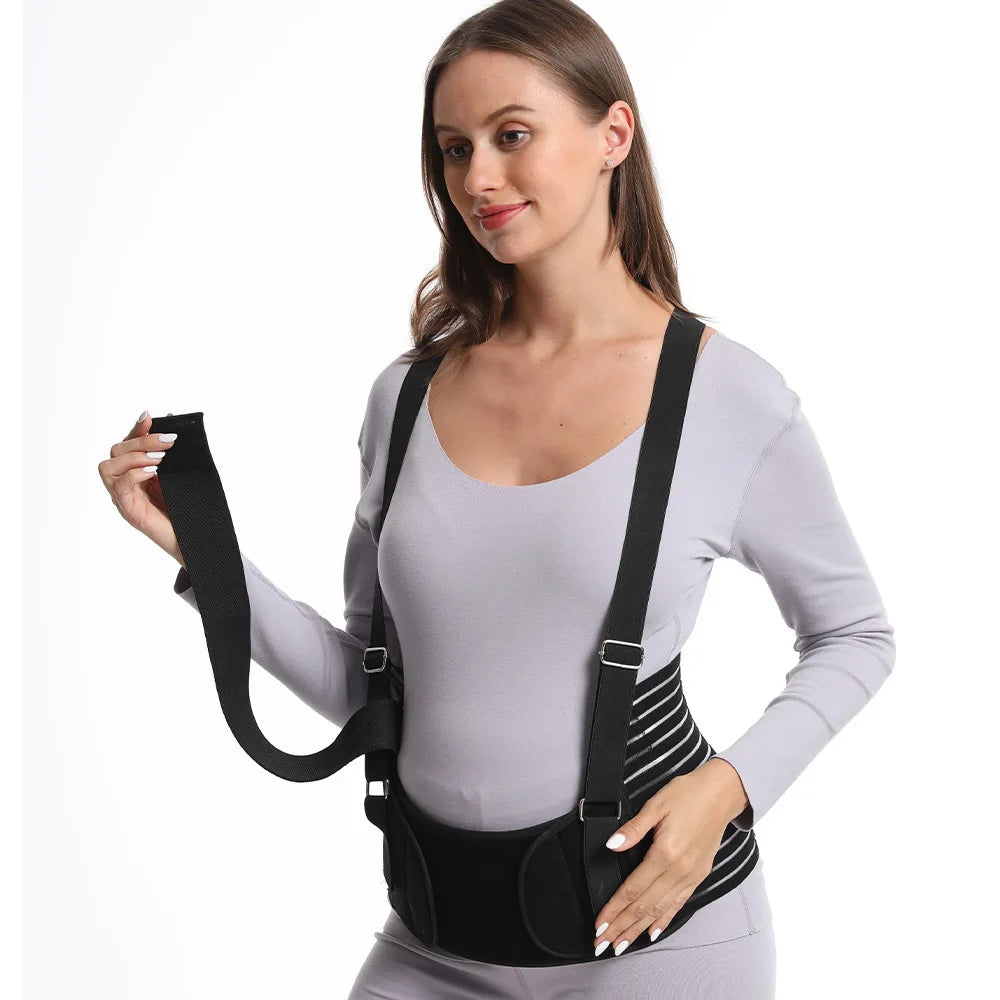
Maternity belly support belt positioning for everyday movement — See it in action
Daily Benefits You'll Notice With Consistent Use
Using a maternity belly support belt during active periods may help you feel more comfortable throughout the day.
- Reduced lower back fatigue
- Improved pelvic support while walking
- Better posture during standing
- Greater confidence during daily movement
For added relaxation and muscle relief, pairing support with gentle self-care from Massage & Relaxation can help soothe tight areas at the end of the day.
Common Wearing Mistakes to Avoid
Wearing too tightly
Extra tightness does not provide extra support. A properly fitted belt should lift the abdomen without squeezing it.
Wearing too long
Continuous use throughout the day may reduce comfort. Wear the belt during activities when support is most helpful, then remove it for breaks.
Incorrect placement
Positioning the belt across the middle of the belly instead of underneath limits its ability to provide upward support.
Using it instead of exercise
A prenatal belly support belt complements—not replaces—healthy prenatal movement, stretching, and good posture habits.
Belly Band During Pregnancy vs Maternity Support Belt
| Feature | Belly Band | Support Belt |
|---|---|---|
| Primary Use | Light everyday support | Targeted abdominal and back support |
| Adjustability | Moderate | High |
| Back Relief | Basic | Greater support |
| Best For | Mild discomfort | Moderate back or pelvic strain |
If back, hip, or pelvic discomfort is your primary concern, a prenatal belly support belt generally provides more structured support than a simple belly band.
When Should You Stop Wearing a Maternity Support Belt?
Late pregnancy
You can usually continue wearing a maternity support belt throughout pregnancy if it remains comfortable and your healthcare provider has no concerns.
After delivery
Most prenatal support belts are designed for pregnancy and are typically discontinued after birth unless the manufacturer specifically recommends postpartum use.
Postpartum recovery
If you would like additional abdominal support after delivery, ask your healthcare provider whether a postpartum recovery garment is more appropriate for your needs.
Frequently Asked Questions
Can I wear a prenatal belly support belt every day?
Yes. Many pregnant women wear one daily during activities that involve walking, standing, or household tasks. Taking regular breaks helps maintain comfort.
Is it safe to wear while sitting?
Short periods are generally fine, but loosening or removing the belt during extended sitting often feels more comfortable.
Does it replace exercise or stretching?
No. A maternity support belt works best alongside prenatal stretching, regular movement, and healthy posture.
Can I sleep while wearing a maternity support belt?
Sleeping in a maternity support belt is generally not recommended unless your healthcare provider specifically advises otherwise.
Can I start wearing one before the second trimester?
Some women begin earlier if they have existing back pain, are carrying multiples, or receive medical advice to do so. For most pregnancies, however, the second trimester is when support becomes most beneficial.
Can a maternity support belt help with round ligament pain?
It may reduce strain that contributes to round ligament discomfort during walking or sudden movements, although it will not eliminate every episode of pain.
For overall comfort and wellness routines, exploring calming options from Beauty & Wellness can support both body and mind during pregnancy.
Product Highlight: Discover balanced, adjustable support with the prenatal belly support belt designed to move with you and adapt as your bump grows.
Related Guide: Maternity Belly Support: How to Choose the Right Fit





