

Prenatal Music Bonding Benefits Explained by Sound Science
Do prenatal music bonding benefits really support fetal learning?
Prenatal music bonding benefits help parents connect emotionally while supporting fetal learning through rhythm, repetition, and calming sound patterns. Research shows prenatal music therapy can lower stress hormones, encourage bonding during pregnancy, and support music prenatal development linked to early memory and emotional familiarity.
Prenatal Music Bonding Benefits Explained by Sound Science
⏱ 6 min read
Prenatal music bonding benefits aren’t just about relaxation—they’re about shaping early connection and learning through sound. From rhythmic heartbeat-like melodies to intentional listening routines, sound science pregnancy research reveals how music prenatal development supports bonding during pregnancy and fetal learning in measurable ways.
Ever wonder if your baby can recognize your favorite song before birth? Many parents feel overwhelmed by advice during pregnancy, yet worry about missing simple moments that build connection. Sound offers one of the earliest bridges—easy, calming, and supported by science.
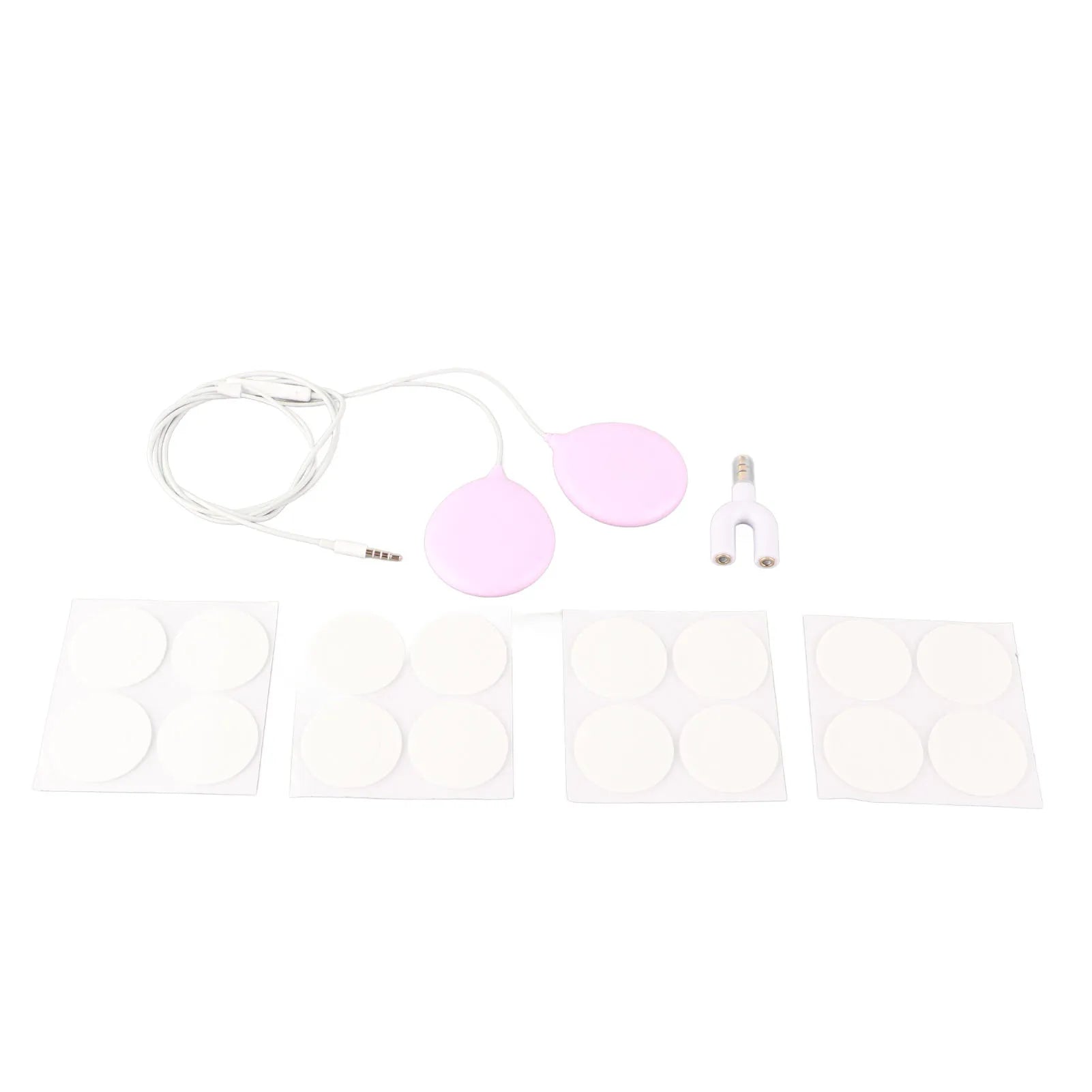
Prenatal music bonding benefits through gentle listening routines — 💡 See it in action
Explore prenatal music listening tools designed for comfort
Why Sound Matters Before Birth
Long before birth, a baby’s auditory system begins developing. By the second trimester, sound travels through amniotic fluid, allowing fetuses to perceive rhythm, pitch, and vibration. This makes music prenatal development uniquely powerful compared to visual or tactile stimulation.
- Sound reaches the fetus consistently and safely
- Rhythms mirror heartbeat and breathing patterns
- Repeated melodies build familiarity
- Calm sounds help regulate maternal stress
Lower stress during pregnancy supports overall wellness, which is why many parents pair music routines with gentle self-care from Massage & Relaxation collections.
How Prenatal Music Supports Bonding During Pregnancy
Prenatal music bonding benefits strengthen emotional connection by synchronizing parent and baby through shared sensory experience. Listening intentionally creates predictable moments of calm, reinforcing bonding during pregnancy.
When parents sing or play the same music regularly, babies begin associating those sounds with safety and comfort. This early familiarity often continues after birth.
Emotional Connection Through Repetition
Repetition matters. Playing the same melody daily can:
- Create emotional recognition before birth
- Encourage parents to slow down and connect
- Support consistent relaxation routines
- Lay groundwork for postnatal soothing
Many parents combine sound routines with calming environments from Sleep & Comfort to deepen relaxation.
What Does Science Say About Fetal Learning Through Music?
Prenatal music bonding benefits are supported by studies showing fetuses respond to familiar melodies with changes in movement and heart rate. This suggests early fetal learning and memory formation.
Memory and Recognition Before Birth
Babies exposed to consistent music prenatally often show:
- Calmer responses to familiar sounds after birth
- Improved attention to rhythmic patterns
- Emotional familiarity linked to bonding
This makes prenatal music therapy appealing for parents focused on baby brain development and early learning, often explored further through Baby Growth & Learning resources.
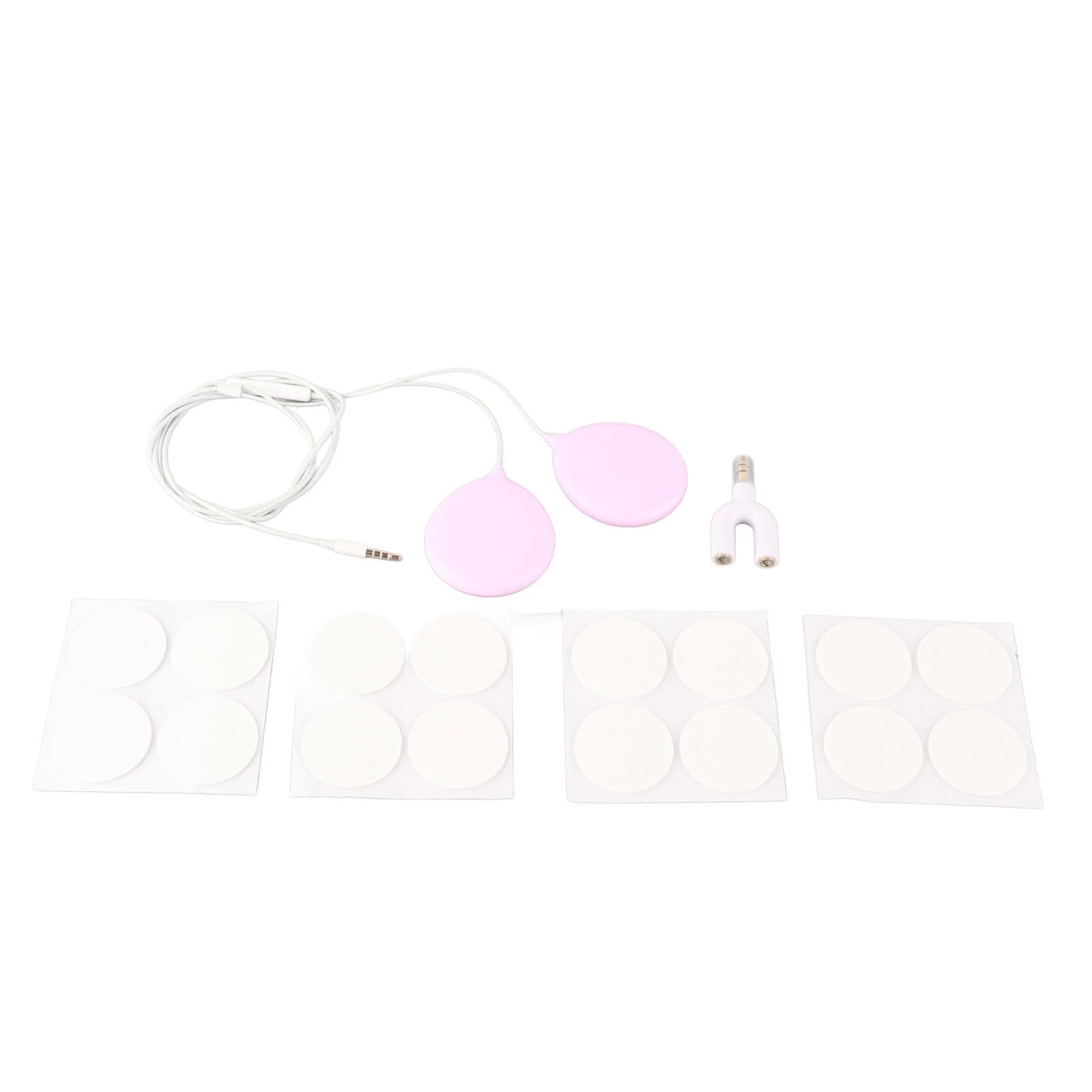
Music prenatal development supports fetal learning and bonding — 💡 See it in action
Learn how prenatal music tools fit into daily life
Why Specialized Prenatal Music Tools Work Better Than Alternatives
Playing music through open speakers can be inconsistent. Specialized prenatal listening tools are designed to deliver sound evenly and gently, improving prenatal music bonding benefits without overstimulation.
| Option | Sound Consistency | Comfort | Targeted Listening |
|---|---|---|---|
| Room Speakers | Low | Variable | No |
| Standard Headphones | Medium | Often uncomfortable | Indirect |
| Prenatal Belly Headphones | High | Designed for pregnancy | Yes |
Comfort-focused designs align with wellness needs often found in Mom Essentials.
How to Use Prenatal Music Safely and Effectively
Consistency matters more than volume. Short, intentional sessions help maximize prenatal music bonding benefits without overwhelming baby or parent.
- Choose calm, melodic music or gentle vocals
- Limit sessions to 10–20 minutes
- Keep volume moderate and comfortable
- Repeat the same selections regularly
Pairing music time with quiet moments or stretching can enhance relaxation, especially when supported by wellness items from Beauty & Wellness.
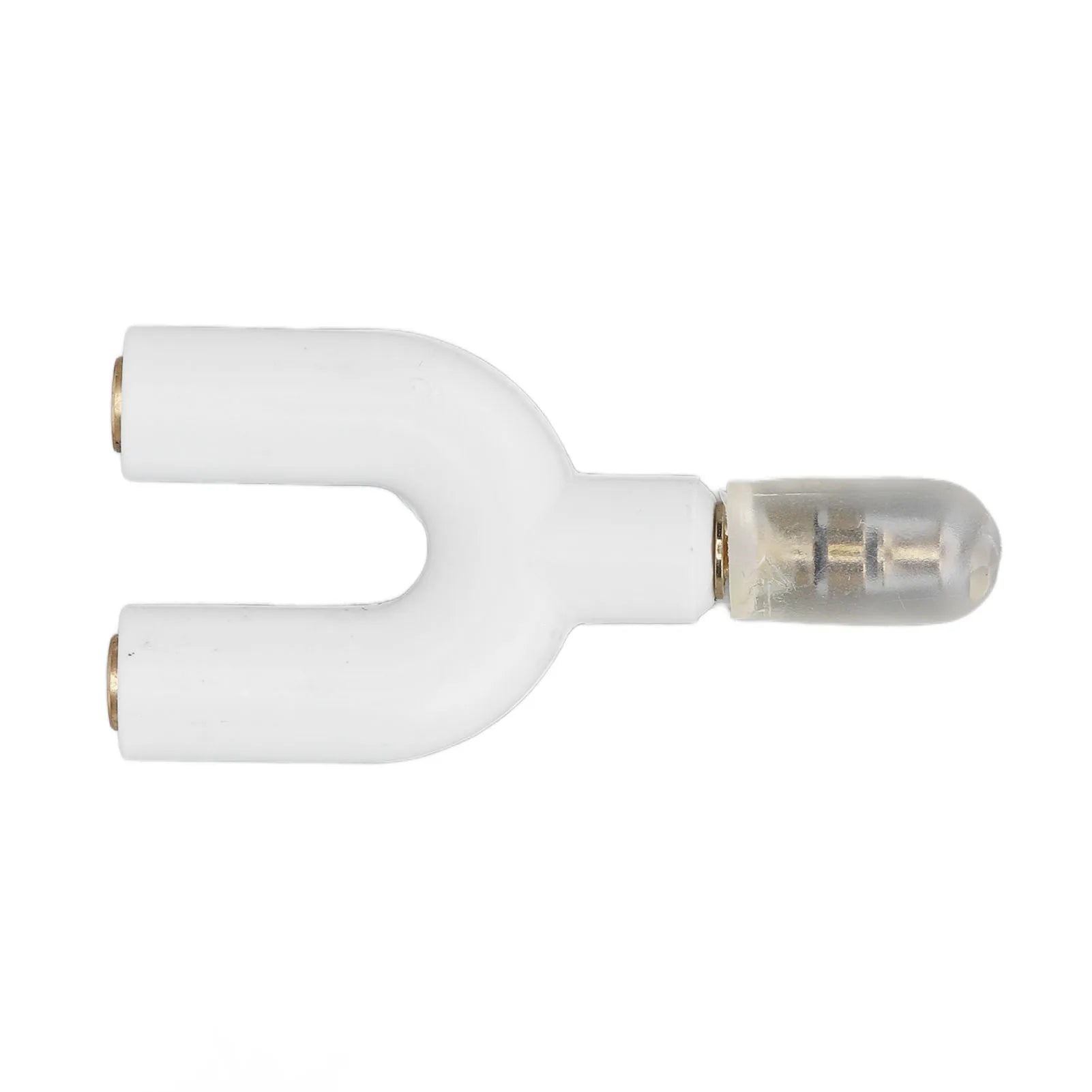
Bonding during pregnancy through prenatal music therapy — 💡 See it in action
Get started with a prenatal music solution designed for bonding
What Real Parents Notice Over Time
Parents often report babies calming faster to familiar prenatal songs after birth. Some notice smoother bedtime transitions, while others feel more emotionally connected during pregnancy.
- Babies respond to prenatal melodies post-birth
- Parents feel more confident and relaxed
- Daily routines feel more intentional
These experiences reinforce why prenatal music therapy is increasingly included in holistic pregnancy wellness approaches.
Frequently Asked Questions
When should I start prenatal music bonding?
Many parents begin around the second trimester when fetal hearing develops. Starting earlier can still support parental relaxation and routine building.
Is prenatal music therapy safe for daily use?
Yes, when volume is kept moderate and sessions are limited. Gentle, consistent listening supports bonding during pregnancy without overstimulation.
Can prenatal music help after birth?
Familiar melodies often soothe newborns, supporting emotional continuity and reinforcing prenatal music bonding benefits through early infancy.
Related Guide: Pregnancy Bonding Audio System Features That Improve Connection





