

Prenatal Sound Stimulation Results Parents Actually Notice
Does prenatal sound stimulation really work?
Prenatal sound stimulation helps many parents notice calmer pregnancies, stronger emotional bonding, and babies who respond more smoothly to routines after birth. By using gentle prenatal sound stimulation through fetal stimulation music and mindful music in utero, families often experience benefits aligned with prenatal music therapy in daily life.
⏱ 7 min read
Prenatal Sound Stimulation Results Parents Actually Notice
Pregnancy comes with excitement, questions, and quiet worries. Will my baby feel calm? Am I doing enough to support development? Prenatal sound stimulation has become a reassuring ritual for many parents seeking connection, comfort, and meaningful prenatal stimulation without stress or complexity.
Which gentle habit can support bonding before birth and still fit into real, busy days? Let’s explore what parents actually notice.
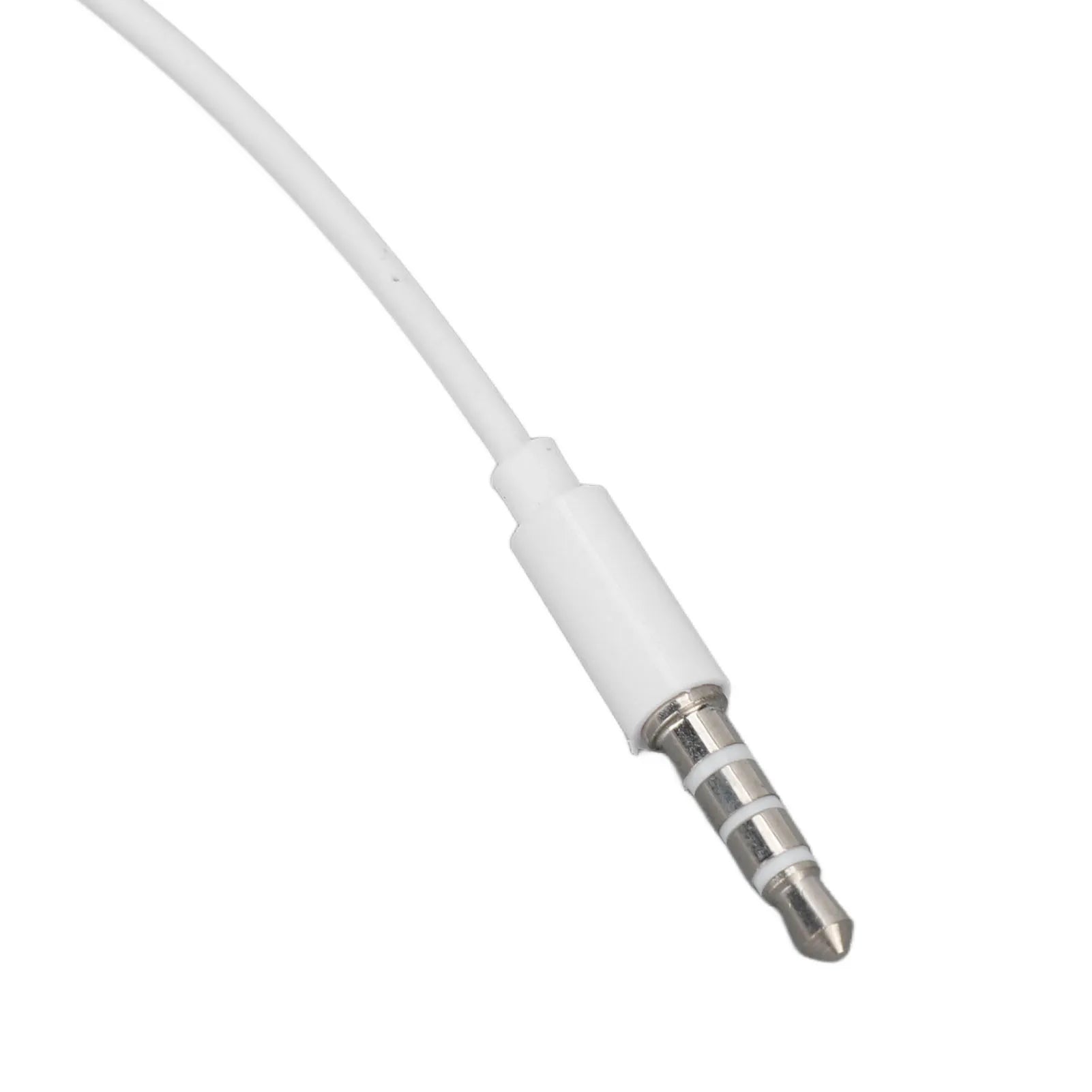
Prenatal sound stimulation with gentle fetal stimulation music 💡 See it in action
What Is Prenatal Sound Stimulation?
Prenatal sound stimulation is the practice of intentionally sharing gentle sounds, voices, or fetal stimulation music with a baby during pregnancy. Rooted in prenatal music therapy principles, it uses safe sound levels to create familiarity, comfort, and early sensory learning through music in utero.
- Soft melodies or white noise
- Parent voices, reading, or singing
- Short, consistent listening sessions
- Comfortable placement near the belly
Benefits Parents Notice First
Prenatal sound stimulation supports calm routines and emotional connection by introducing consistent, gentle auditory cues. Parents often describe feeling more relaxed themselves, which supports overall prenatal stimulation and bonding.
- Noticeably calmer moments during pregnancy
- Stronger sense of connection and routine
- Babies responding to familiar sounds after birth
- Simple daily ritual without added effort
Many families pair this habit with other supportive tools from Baby Growth & Learning or calming items found in Sleep & Comfort collections.
How It Feels in Daily Life
Parents often describe prenatal sound stimulation as grounding. Sitting down after work, placing headphones gently, and playing familiar fetal stimulation music becomes a pause that benefits both parent and baby.
- Choose a calm track or familiar voice recording
- Set volume at a low, comfortable level
- Limit sessions to 10–20 minutes
- Repeat at the same time daily for consistency
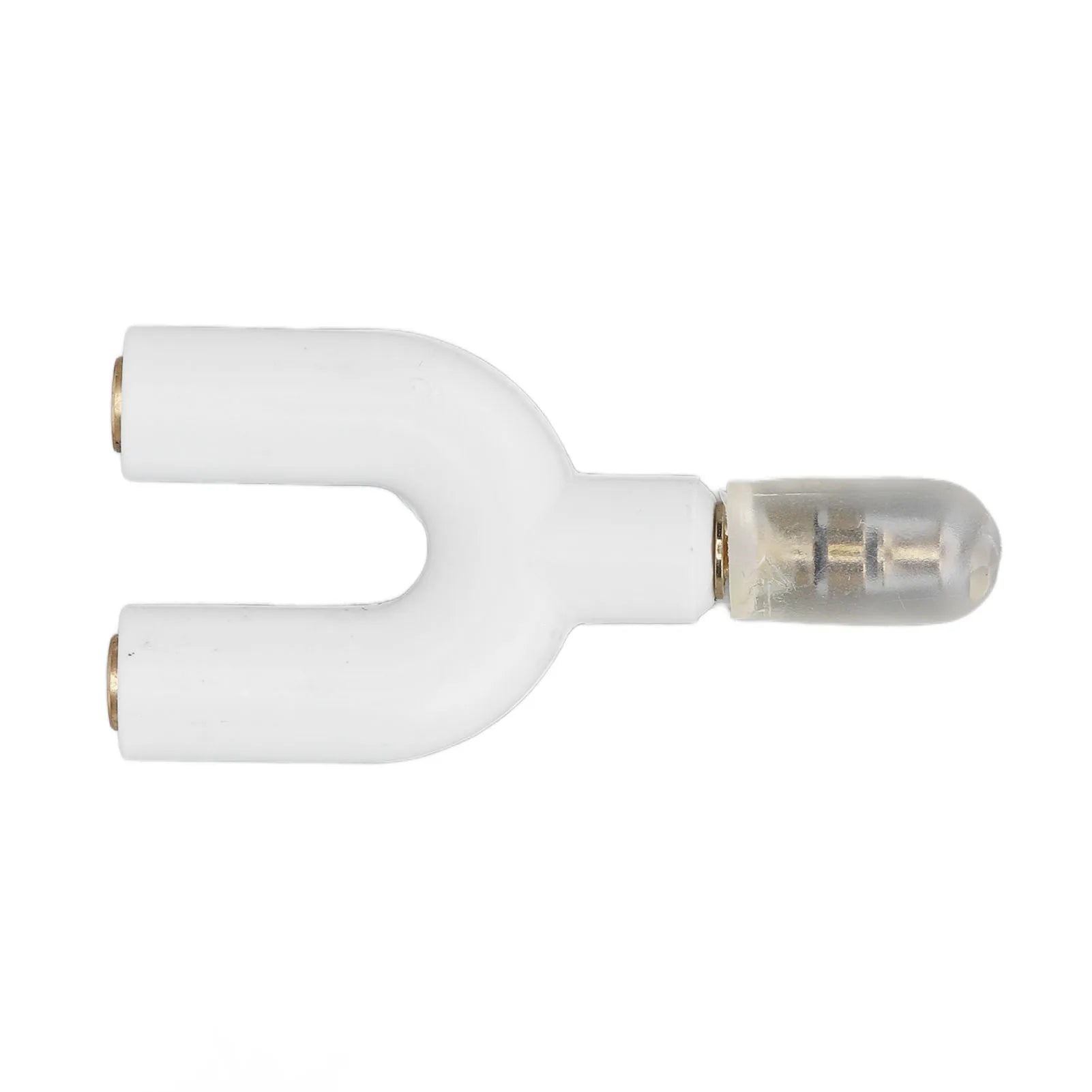
Music in utero as part of prenatal stimulation 💡 See it in action
Hands-On Review: Belly Headphones for Prenatal Music
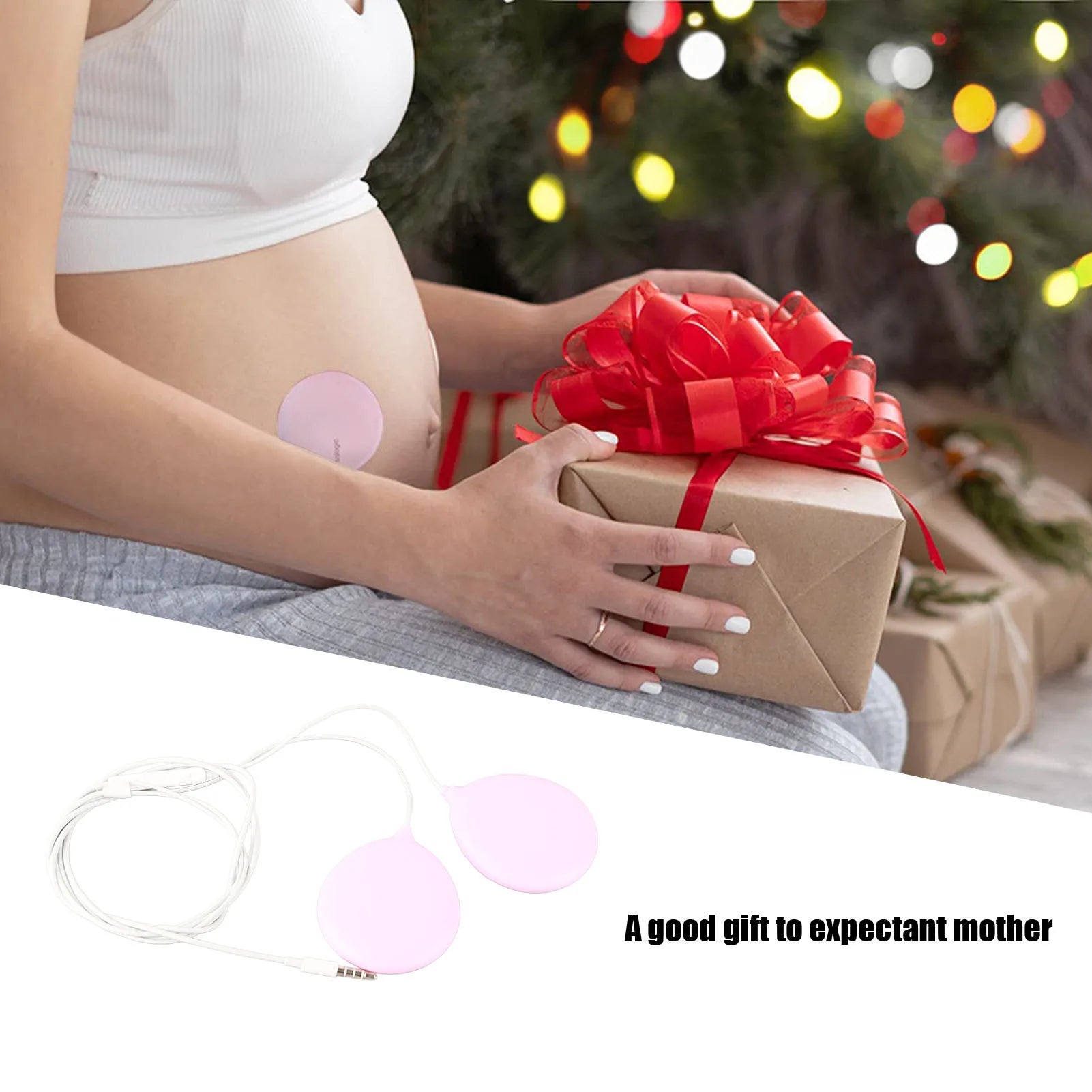
Prenatal sound stimulation works best when sound is delivered evenly and comfortably. Belly headphones designed for pregnancy help direct fetal stimulation music safely without disturbing others.
Parents who used pregnancy belly headphones for prenatal music often report improved consistency and ease compared to external speakers.
| Feature | What Parents Notice |
|---|---|
| Soft fabric speakers | No pressure or discomfort |
| Adjustable band | Fits throughout pregnancy |
| Clear, low-volume sound | Supports safe music in utero |
Many families combine this with wellness routines from Mom Essentials or relaxation aids found in Massage & Relaxation.
How It Compares to Other Methods
Compared to playing music aloud or using standard headphones, dedicated prenatal sound stimulation tools offer more control and comfort.
- More consistent sound delivery
- Less external noise disruption
- Designed for prenatal safety
- Encourages daily bonding rituals
Safety and Comfort Considerations
Safe prenatal sound stimulation focuses on moderation and comfort. Sound should always remain soft, never vibrating or loud.
- Keep volume below normal conversation level
- Limit session length
- Choose calming, simple sounds
- Stop if discomfort occurs
For added reassurance, parents often explore supportive items from Health & Safety collections.
Prenatal music therapy inspired routines 💡 See it in action
Frequently Asked Questions
When should prenatal sound stimulation begin?
Many parents start prenatal sound stimulation around the second trimester, when hearing develops, using short and gentle sessions.
What type of music works best?
Simple melodies, soft instrumental music, or familiar voices tend to work well for fetal stimulation music.
Can this help with bonding?
Yes. Parents often feel more connected through consistent prenatal stimulation rituals, supporting emotional bonding during pregnancy.
Related Guide: How to Bond Unborn Baby With This Prenatal Audio System





