

How to Carry Baby Without Back Pain (Posture Fixes)
How to Carry Baby Without Back Pain: Complete Ergonomic Babywearing Guide
Learning how to carry baby without back pain starts with proper weight distribution, posture, and carrier adjustment. An ergonomic babywearing guide focuses on keeping your spine neutral, positioning your baby close to your center of gravity, and using supportive designs that reduce pressure on your shoulders, neck, and lower back.
How to Carry Baby Without Back Pain: Ergonomic Babywearing Tips for Parents
⏱ 10 min read
Carrying your baby should feel comforting—not like a daily workout that leaves your back, shoulders, and hips exhausted. Many parents experience discomfort because of poor posture, incorrect carrier adjustments, or carrying positions that place too much pressure on certain muscles.
This complete guide explains baby carrier back pain prevention , correct babywearing posture, safe carrying positions, and how ergonomic designs such as a baby carrier waist stool can make everyday carrying more comfortable.
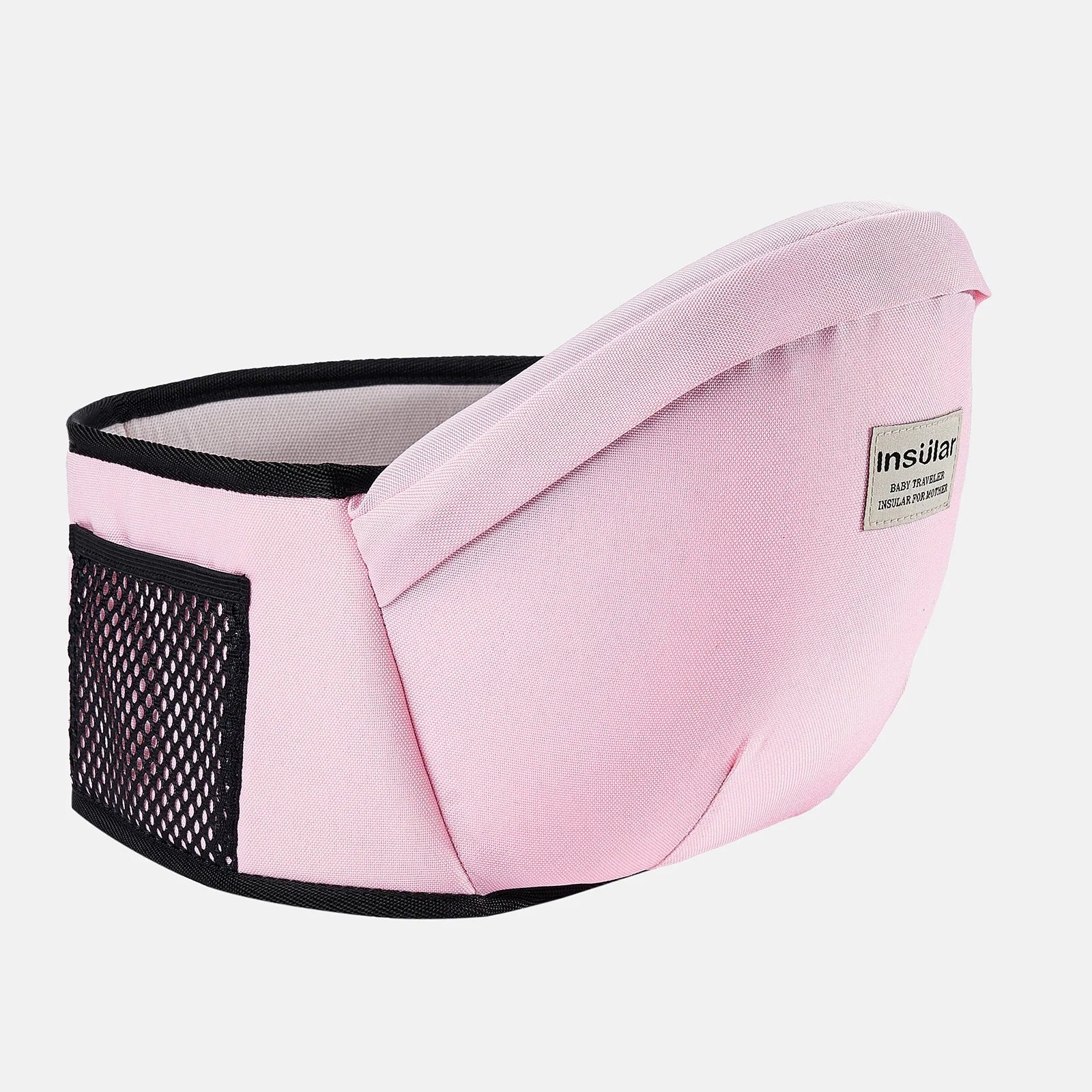
Baby carrier waist stool ergonomic comfort with infant hip seat support — See it in action
Why Carrying a Baby Can Cause Back Pain
Baby carrying can create back discomfort because your body is constantly adapting to an additional load. As babies grow heavier, parents often change their posture without realizing it, increasing stress on the spine, shoulders, and lower back.
Common Posture Mistakes Parents Make
Many babywearing posture problems come from small adjustments that happen naturally during daily activities:
- Leaning backward: Parents may arch their back to balance the baby's weight.
- Forward hunching: Looking down at the baby too often can round the shoulders.
- Uneven weight distribution: A poorly fitted carrier can place more pressure on one side.
- Carrying too low: A baby positioned too far from the body increases strain.
How Baby Weight Changes Your Body Mechanics
A baby's weight changes your center of gravity. Without proper support, your muscles must work harder to maintain balance, especially the lower back, abdominal muscles, and shoulders.
Using a carrier with proper baby carrier posture support helps move weight closer to your body, reducing unnecessary pulling forces on your spine.
Correct Babywearing Posture: Step-by-Step Technique
Correct babywearing posture helps prevent slouching and improves comfort during longer carrying sessions. The goal is to keep both parent and baby aligned while allowing natural movement.
Keep Your Spine Neutral
- Stand tall with shoulders relaxed.
- Avoid arching your lower back to compensate for baby weight.
- Engage your core gently while walking.
Adjust Shoulder and Hip Alignment
The carrier should support your body rather than force your body to support the carrier. Straps and waist belts should feel secure without creating pressure points.
Position Baby Close to Your Center of Gravity
A baby positioned close to your torso creates better balance and reduces the need to lean forward or backward. This is one reason ergonomic baby carriers are designed with structured support systems.
How to Use a Baby Carrier to Reduce Back Strain
Using a carrier correctly is just as important as choosing an ergonomic design. Proper fitting can significantly improve comfort and reduce unnecessary muscle fatigue.
Adjust Waist Belt and Shoulder Straps Correctly
The waist belt should sit firmly around your hips rather than loosely around your stomach. Shoulder straps should hold your baby securely without pulling your shoulders forward.
Choose the Right Baby Position by Age
Different ages require different levels of support. Younger babies need more head, neck, and hip support, while older babies may benefit from more flexible carrying positions.
Check Newborn Hip Positioning
A newborn hip positioning carrier should support natural hip flexion and keep the baby's legs comfortably positioned rather than hanging straight down.
Look for a seat design that supports the thighs and encourages a healthy seated posture.
Front Carry vs Hip Carry vs Back Carry: Which Is Best for Your Back?
| Carrying Position | Benefits | Limitations | Best For |
|---|---|---|---|
| Front Carry | Keeps baby close and improves visibility | Can feel heavier as baby grows | Newborns and younger babies |
| Hip Carry | Allows quick interaction and easy access | May create uneven loading if not adjusted properly | Short trips and frequent pick-ups |
| Back Carry | Distributes weight across the body | Requires proper age readiness and technique | Older babies and toddlers |
Front Carry Benefits and Limitations
Front carrying keeps your baby close and makes monitoring easier. However, as your baby becomes heavier, a poorly adjusted front carrier may increase shoulder pressure.
When Hip Carry Works Better
Hip carrying can be convenient for babies who frequently want to look around or be picked up briefly throughout the day.
When to Transition to Back Carry
Back carrying may improve comfort with heavier children because the weight is spread more evenly, but parents should follow carrier instructions for age and development readiness.
Baby Carrier Waist Stool Ergonomic Benefits Explained
A baby carrier waist stool uses a structured hip seat to support your baby’s weight through your hips and core instead of relying mainly on your shoulders.
How Hip Seat Designs Support Weight Distribution
The ergonomic advantage comes from creating a stable base between parent and baby. The seat helps reduce arm fatigue, improves balance, and supports a more natural carrying posture.
- Transfers weight toward the hips and core
- Reduces constant arm support during holding
- Makes repeated pick-ups easier throughout the day
- Supports better baby carrier back support
Many families exploring Mom Essentials choose structured babywearing tools because they combine convenience with everyday comfort.
Babywearing Mistakes That Increase Back Pain
Using Loose or Incorrectly Adjusted Straps
Loose straps allow your baby to move farther away from your body, increasing pressure on your back. Adjust the carrier so your baby stays secure and close.
Carrying Baby Too Low or Too Far Away
A low carrying position changes your posture and may encourage leaning backward. A higher, closer position usually improves balance.
Ignoring Your Own Body Signals
Discomfort is a sign that something may need adjustment. Take breaks, reposition the carrier, and avoid pushing through sharp or persistent pain.
Exercises and Stretches to Support Pain-Free Baby Carrying
Carrier adjustments help, but strengthening the muscles used during babywearing can also improve long-term comfort.
Core Strength Exercises for Parents
- Gentle abdominal strengthening
- Pelvic stability exercises
- Controlled squats for lifting mechanics
Back and Shoulder Mobility Stretches
- Chest-opening stretches
- Upper back mobility movements
- Gentle neck and shoulder stretches
These habits support better babywearing posture support during daily carrying.
Infant Carrier Posture Safety
Infant carrier posture safety depends on correct positioning, secure fastening, and regular adjustments as your baby grows.
- Ensure baby's face remains visible and airway is clear
- Check that buckles and straps are securely fastened
- Support the baby's hips and thighs properly
- Follow the manufacturer's age and weight guidelines
Parents comparing safety-focused products can explore resources like Health & Safety for practical family care guidance.
Waist Stool vs Traditional Baby Carriers
| Feature | Waist Stool Carrier | Traditional Sling |
|---|---|---|
| Weight Distribution | Through hips and core | Primarily shoulders/back |
| Infant Hip Seat | Structured support | Fabric-dependent |
| Ease of On/Off | Very quick | Requires wrapping |
| Best For | Frequent pick-ups and daily errands | Long stationary carries |
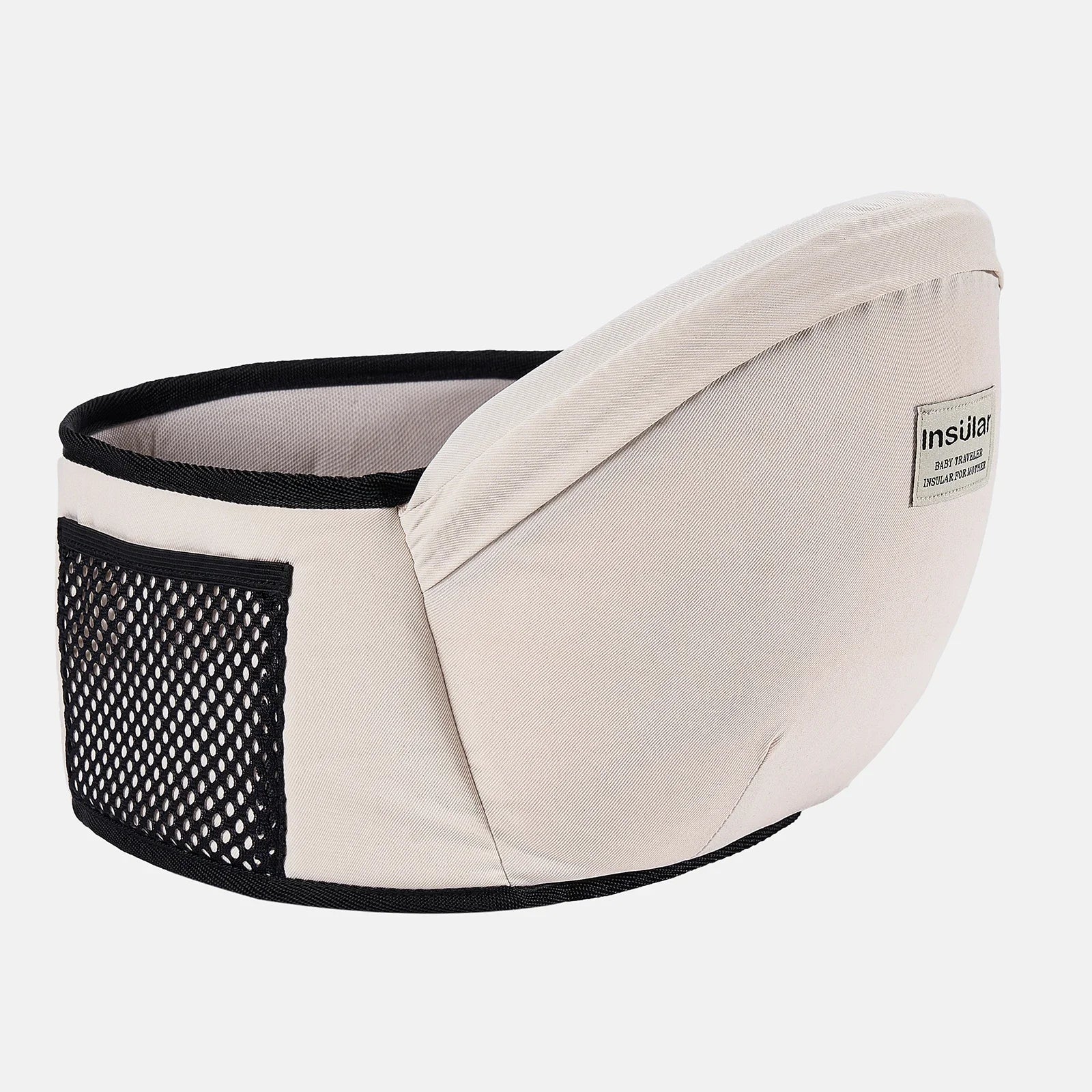
Infant carrier safety and newborn hip position support — See it in action
Real-Life Scenarios Parents Love
Ergonomic carriers are especially useful during everyday moments when parents need comfort and flexibility.
- School drop-offs with another child
- Quick neighborhood walks
- Travel and airport lines
- Comforting a baby during growth spurts
- Household tasks while keeping baby close
Parents browsing Baby Care Essentials often look for solutions that reduce daily strain while remaining simple to use.
How to Choose an Ergonomic Baby Carrier for Better Back Support
Important Carrier Support Features
- Wide waist support: Helps distribute weight through stronger areas of the body.
- Padded straps: Reduces pressure around shoulders.
- Adjustable fit: Allows different caregivers to use the carrier comfortably.
- Breathable materials: Improves comfort for parent and baby.
- Structured seat: Supports proper infant positioning.
Carrier Fit Checklist Before Use
- Baby sits close to your body
- Your shoulders remain relaxed
- The waist belt feels secure
- You can move naturally without leaning
For growing families, pairing carriers with items from Baby Growth & Learning helps support changing parenting needs.
Looking for a reliable option? The Baby Carrier Waist Stool is designed to support infant hip seat alignment, infant carrier safety, and comfortable daily carrying.
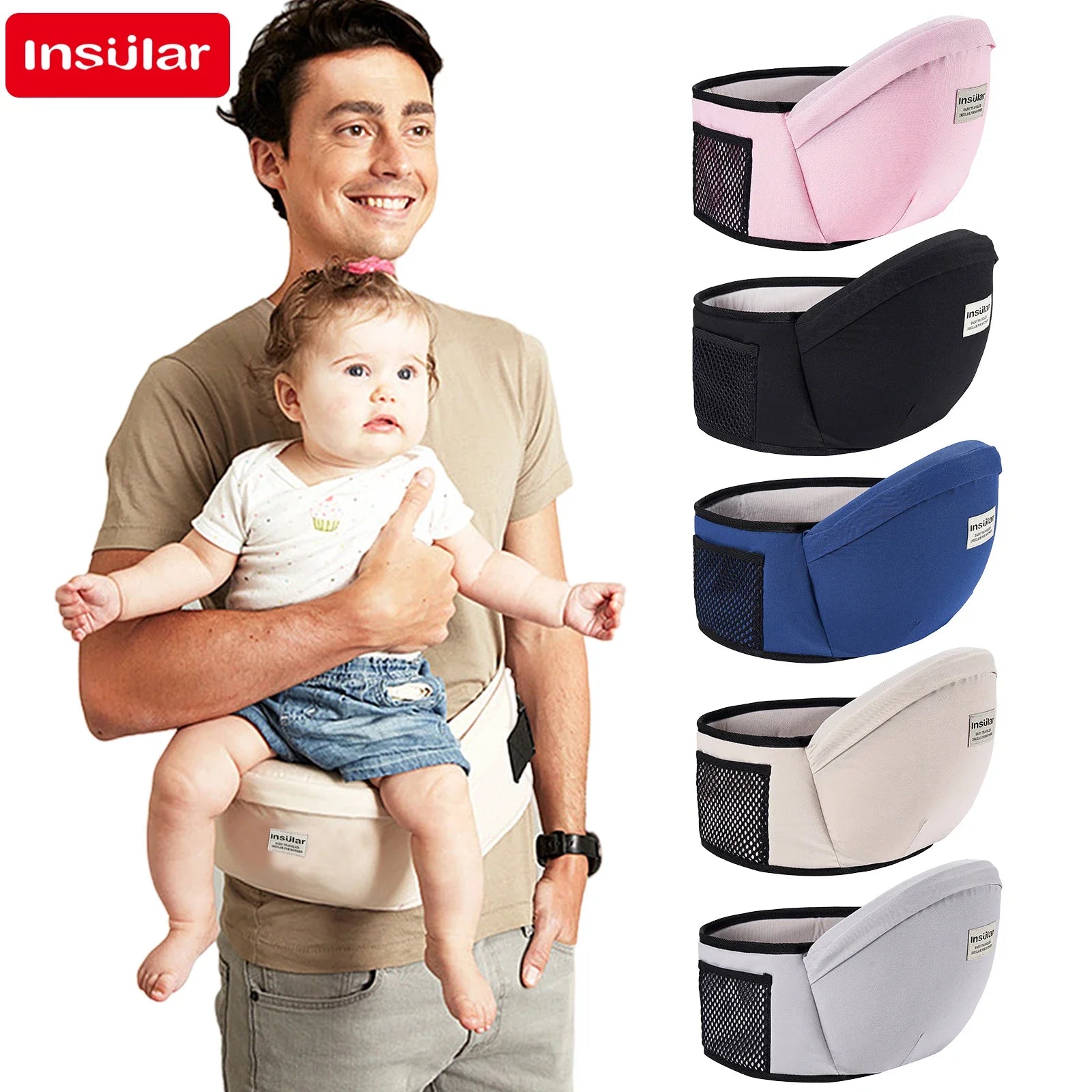
Baby carrier waist stool ergonomic design for hands-free parenting — See it in action
When Baby Carrying Pain Requires Extra Attention
Signs You Are Overstraining Your Back
- Persistent lower back discomfort
- Numbness or tingling sensations
- Increasing shoulder tension
- Pain that continues after removing the carrier
When to Adjust Your Carrying Routine
If carrying becomes uncomfortable, review your carrier fit, shorten carrying sessions, and consider changing positions throughout the day.
Frequently Asked Questions About Carrying Baby Without Back Pain
What is the best way to carry a baby without back pain?
The best approach is using proper posture, keeping your baby close to your center of gravity, adjusting the carrier correctly, and choosing a design that distributes weight evenly.
Does an ergonomic baby carrier prevent back pain?
An ergonomic baby carrier can help reduce strain by improving weight distribution and supporting better posture, although comfort also depends on correct adjustment and individual body mechanics.
How should a baby carrier fit to support posture?
A carrier should hold your baby close, keep the waist belt secure, prevent excessive pulling on your shoulders, and allow you to stand naturally without leaning.
What babywearing position is safest for newborns?
Newborns typically need a position that supports their head, neck, and hips while keeping their airway clear. Always follow the carrier manufacturer's newborn guidelines.
Can carrying a baby cause long-term back problems?
Improper carrying habits may contribute to repeated strain, but using proper posture, taking breaks, and choosing supportive equipment can help reduce discomfort.
Related Guide: How to Carry Baby Comfortably Step by Step for New Parents





