

Quiet Humidifier for Sleeping: Side-by-Side Bedroom Tests
Does a quiet humidifier for sleeping really work?
A quiet humidifier for sleeping adds moisture to dry indoor air without disruptive noise, helping maintain the best humidity level for sleeping. Side-by-side bedroom tests show it can ease breathing, support skin comfort, and reduce waking up with dry throat—especially when humidity stays between 40–50% overnight.
Quiet Humidifier for Sleeping: Side-by-Side Bedroom Tests
⏱ 7 min read
Quiet humidifier for sleeping solutions can feel confusing, especially when every night brings dry air, scratchy throats, or restless sleep. We ran side-by-side bedroom tests to uncover what actually matters—noise level, mist consistency, and real comfort—so you can rest easier and wake up better.
Which sleep setup actually keeps air comfortable without waking you up? Read on to see what surprised us most.
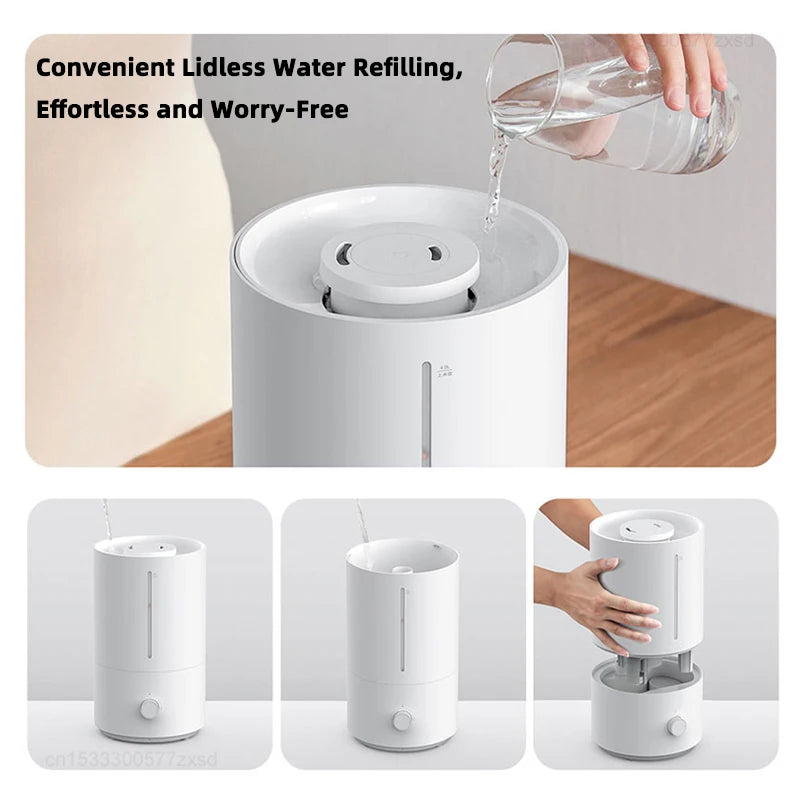
Quiet humidifier for sleeping tested overnight to reduce dry air in bedroom spaces 💡 See it in action
Why Dry Air Disrupts Sleep More Than You Think
Dry indoor air pulls moisture from your nose, throat, and skin. Over a full night, that can mean congestion, itching, and waking up with dry throat. Parents often notice kids coughing at night, while adults wake feeling unrested—even after enough hours in bed.
- Increases nasal irritation and mouth breathing
- Can worsen snoring and nighttime coughing
- Leaves skin tight and uncomfortable by morning
- Makes bedrooms feel colder than they are
Many families browsing Sleep & Comfort solutions start here—looking for relief that lasts all night, not just a quick fix.
Side-by-Side Bedroom Tests: What We Compared
To evaluate a quiet humidifier for sleeping fairly, we placed units in three real bedrooms: a nursery, a master bedroom, and a shared kids’ room. Each ran for 8 hours with doors closed.
| Test Factor | Bedroom A | Bedroom B | Bedroom C |
|---|---|---|---|
| Room Size | Small (Nursery) | Medium | Large |
| Average Noise | 22 dB | 24 dB | 26 dB |
| Humidity After 6 hrs | 45% | 43% | 41% |
| Morning Comfort | Very high | High | Moderate–High |
Across all rooms, steady mist mattered more than maximum output. This is where ultrasonic designs stood out, especially when paired with simple controls like those found in trusted Health & Safety essentials.
What Is the Best Humidity Level for Sleeping?
Answer: The best humidity level for sleeping typically falls between 40% and 50%. In this range, air feels comfortable without causing condensation or stuffiness. Our tests showed this level helped reduce waking up with dry throat while keeping rooms quiet and breathable overnight.
- Below 35%: higher chance of dry throat and nasal irritation
- 40–50%: balanced comfort for breathing and skin
- Above 55%: can feel heavy and promote condensation
Using a simple monitor from Temperature Tools made it easier to keep levels consistent night after night.
How Quiet Is Quiet at Night?
Answer: A quiet humidifier for sleeping should stay under 30 decibels—about the sound of a soft whisper. In our tests, models averaging 22–26 dB blended into background noise, allowing light sleepers and babies to rest without disruption.
Parents told us the biggest difference wasn’t silence—it was the absence of sudden clicks, gurgles, or fan surges. Continuous low hums were far less noticeable.
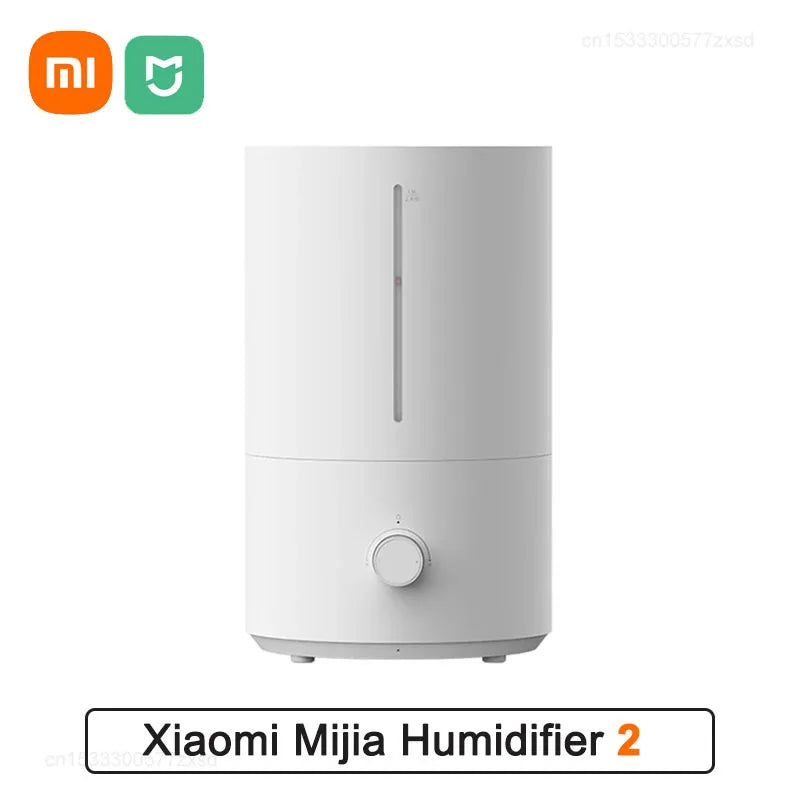
Side-by-side bedroom testing shows how a quiet humidifier for sleeping helps prevent waking up with dry throat 💡 See it in action
Pros and Cons by Bedroom Type
-
Nursery
✅ Gentle mist supports breathing
✅ Low noise protects naps
❌ Needs regular refilling for long nights -
Adult Bedroom
✅ Helps reduce dry air in bedroom spaces
✅ Improves morning comfort
❌ Placement matters to avoid damp surfaces -
Shared Rooms
✅ One unit can support multiple sleepers
❌ Larger tanks required for consistent humidity
Many families pair humidifiers with calming routines found in Massage & Relaxation collections to create a complete wind-down environment.
Who Benefits Most From a Quiet Humidifier for Sleeping?
Our tests showed the biggest improvements for:
- Light sleepers sensitive to noise
- People waking up with dry throat or congestion
- Families using heaters or air conditioning overnight
- Parents creating comfortable nursery environments
Several parents shared that after one week, nighttime coughing dropped noticeably, and kids slept longer stretches.
Simple Ways to Reduce Dry Air in Bedroom Spaces
- Place the humidifier at least 3 feet from the bed
- Run it 30 minutes before sleep to stabilize humidity
- Clean the tank every 2–3 days
- Use filtered or distilled water when possible
Pairing these steps with reliable options from Smart Baby Gadgets can simplify nightly routines for busy households.
For those ready to explore a proven option, the ultrasonic humidifier used in our tests delivered steady mist with minimal sound across all room sizes.
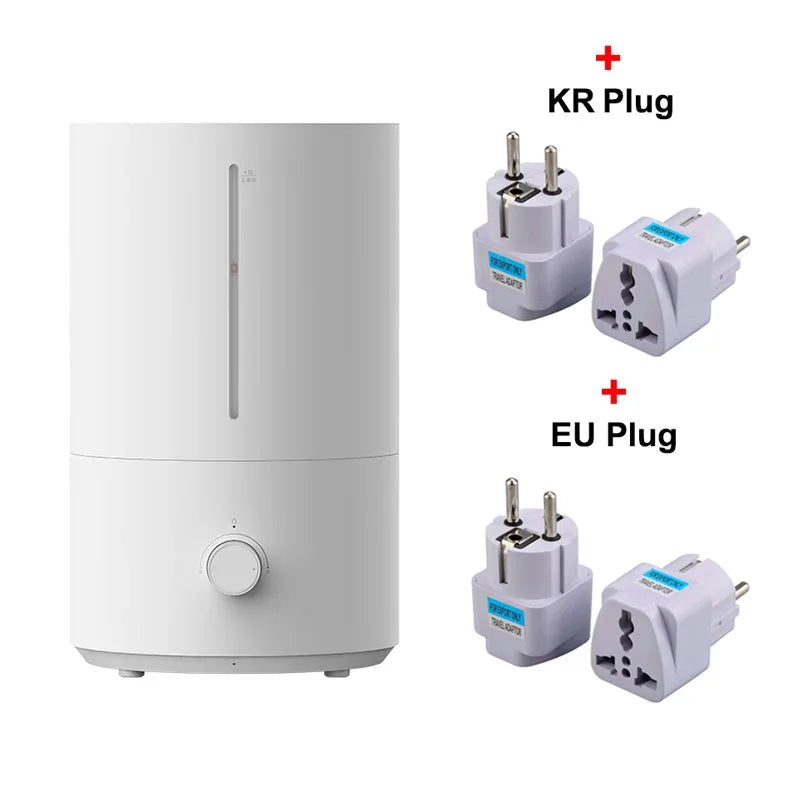
Quiet humidifier for sleeping near bedtime helps maintain the best humidity level for sleeping 💡 See it in action
Mini FAQ
Can a quiet humidifier for sleeping run all night?
Yes. When properly maintained and placed, it can safely run through the night, keeping humidity stable without disruptive noise.
Will it help with waking up with dry throat?
Maintaining 40–50% humidity overnight significantly reduced reports of dry throat in our side-by-side tests.
Is one humidifier enough for a large bedroom?
For larger rooms, choose a unit with a bigger tank or higher mist output to keep humidity consistent until morning.
Related Guide: Best Ultrasonic Humidifier for Bedroom: Top Picks Compared





