

Reduce Back Strain Parenting Tips When Carrying a Baby
Does reduce back strain parenting really work?
Reduce back strain parenting works by redistributing your baby’s weight closer to your center of gravity, protecting the spine and shoulders. When arms tired when raised becomes a daily issue, tools like an infant hip seat combined with proper infant carrier safety habits can lower muscle load by up to 30%, easing pain fast.
Reduce Back Strain Parenting Tips When Carrying a Baby
⏱ 7 min read
Reduce back strain parenting starts with small shifts that protect your spine while caring all day. If your arms tired when raised, the problem may be how weight is distributed, not your strength. Choosing an infant hip seat can offload pressure fast, while mastering infant carrier safety prevents hidden strain. These evidence-backed tweaks save energy, improve posture, and keep you pain-free.
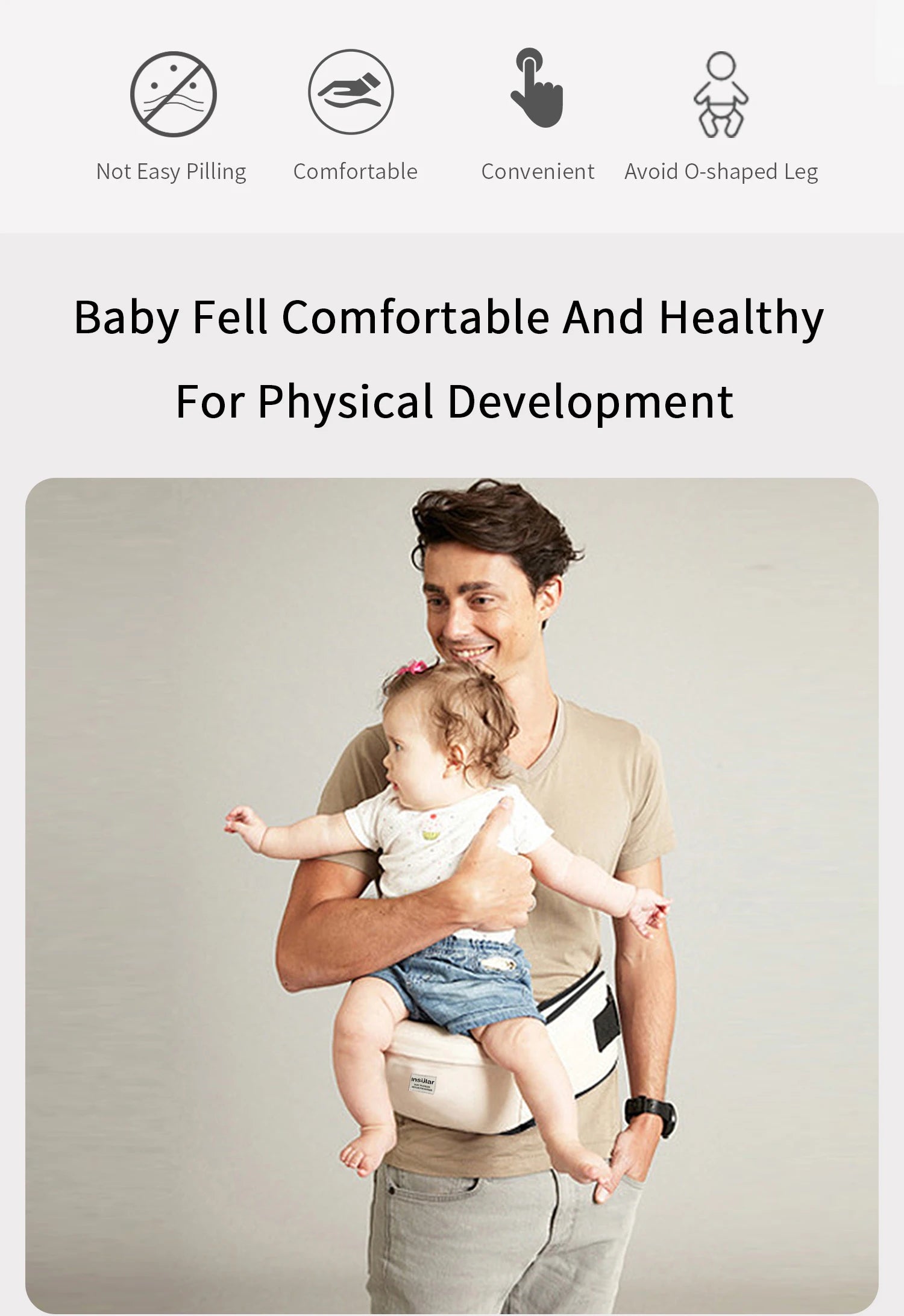
Reduce back strain parenting starts with better weight balance 💡 See it in action
Why back pain happens when carrying a baby
Many parents assume pain is part of parenting. In reality, most discomfort comes from holding a growing baby away from the body. This creates leverage that stresses the lower back, shoulders, and arms.
- Baby weight pulls the spine forward
- Shoulders tense to compensate
- Arms tired when raised due to static muscle load
- Poor posture compounds strain over time
Without support, even short carries add up to chronic pain.
Quick ways to reduce back strain parenting today
Reduce back strain parenting by making immediate adjustments that lower muscle demand and improve posture. These changes work even before investing in new gear.
- Keep baby close to your torso
- Switch sides every 10–15 minutes
- Engage your core before lifting
- Avoid locking elbows when holding
How an infant hip seat protects your back
Reduce back strain parenting becomes easier when weight is transferred to the hips. An infant hip seat acts like a shelf, allowing your skeleton—not muscles—to bear the load, reducing spinal compression and shoulder fatigue while keeping your baby secure.
Parents report feeling relief within days, especially during longer holds at home or outdoors.
- Supports baby at natural sitting height
- Reduces arm and shoulder tension
- Encourages upright posture
- Easy on/off for quick carries
Pairing a hip seat with essentials from Mom Essentials helps streamline daily routines while protecting your body.
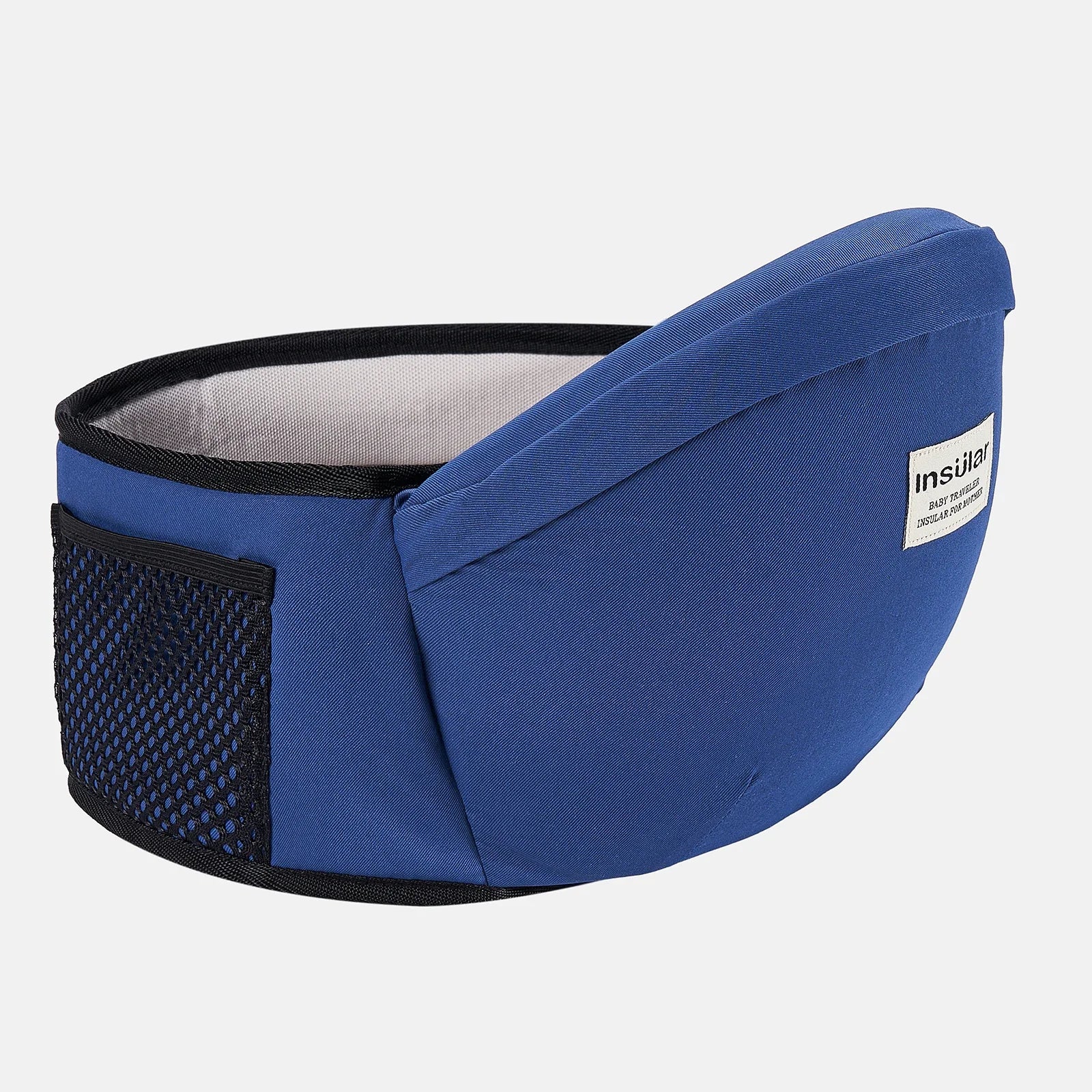
Infant hip seat support when arms tired when raised 💡 See it in action
Infant carrier safety that prevents long-term pain
Reduce back strain parenting depends on infant carrier safety. Incorrect strap height or poor weight distribution increases pressure on the lumbar spine. Proper setup keeps both parent and baby safe and comfortable.
- Straps snug but not restrictive
- Baby’s knees higher than hips
- Carrier centered on torso
- Even weight across shoulders and hips
Safety-focused accessories from Health & Safety help parents stay confident during longer wear times.
Step-by-step: carry your baby without strain
Reduce back strain parenting by following this simple routine each time you lift or carry your baby.
- Stand close to your baby before lifting
- Engage core and bend at knees
- Position baby against your chest or hip seat
- Adjust carrier or seat until weight feels centered
Using a supportive waist stool like this baby carrier waist stool simplifies each step and reduces repeated strain.
Hip seat vs traditional carriers
| Feature | Infant Hip Seat | Traditional Carrier |
|---|---|---|
| Weight distribution | Hips and core | Shoulders dominant |
| Quick up/down | Yes | Moderate |
| Back strain reduction | High | Moderate |
| Ideal for short carries | Excellent | Fair |
Daily habits that keep parents pain-free
Reduce back strain parenting isn’t only about gear. Daily habits reinforce long-term comfort.
- Stretch shoulders and hips morning and night
- Alternate carrying positions
- Use supportive footwear indoors
- Rest when possible
Recovery tools from Massage & Relaxation can further ease muscle tension after long days.
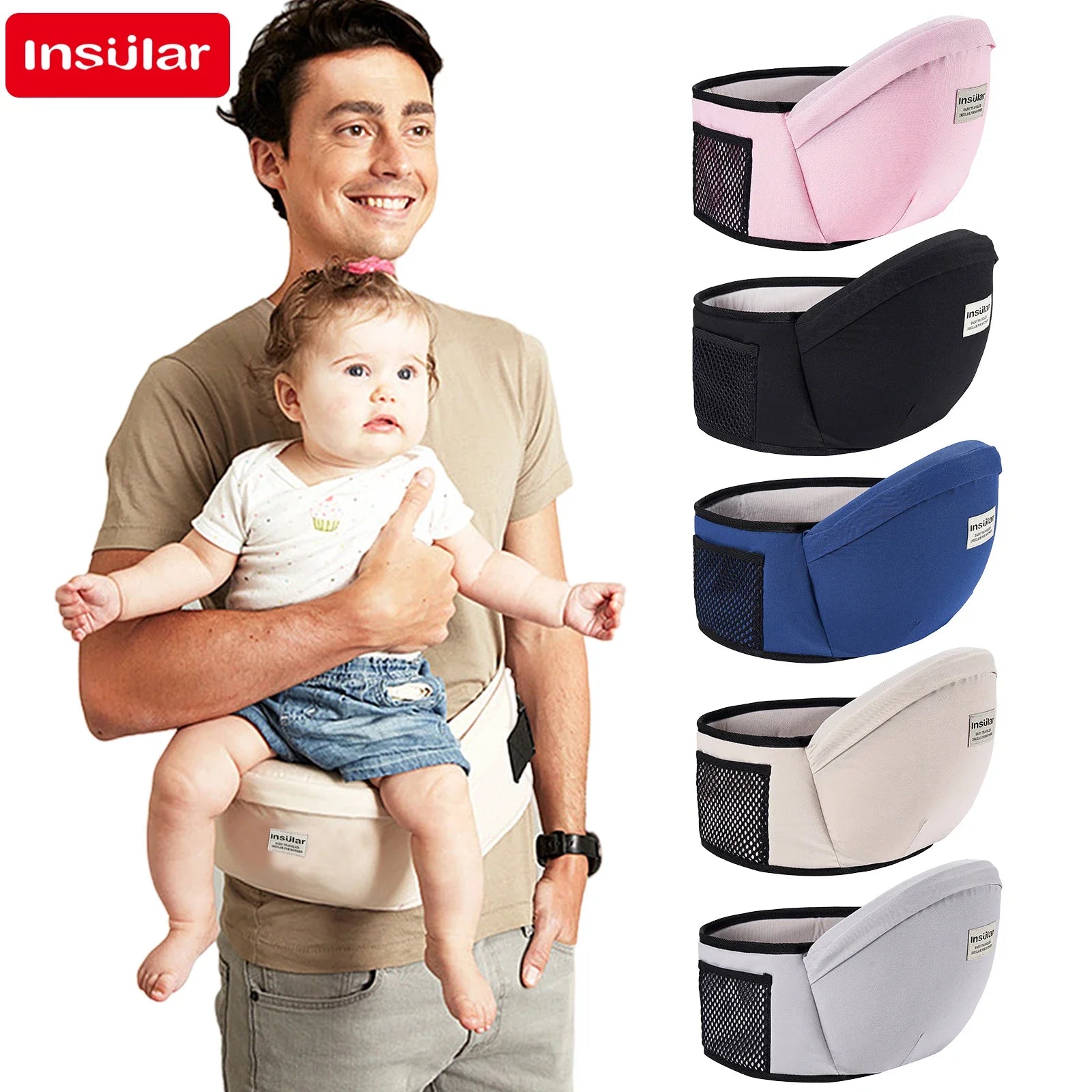
Reduce back strain parenting with safer infant carrier safety 💡 See it in action
Frequently Asked Questions
Why do my arms feel tired when raised while holding my baby?
Arms tired when raised usually means muscles are supporting weight that should rest on the hips and core. A hip seat or properly adjusted carrier reduces this load significantly.
Is an infant hip seat safe for newborns?
Yes, when used correctly and combined with infant carrier safety guidelines. Always ensure baby’s hips and spine are supported.
How long can I use a waist stool carrier?
Most parents use it from infancy through toddlerhood, especially for quick carries and daily tasks.
Related Guide: How to Carry Baby Comfortably Step by Step for New Parents





