

Room Temperature Too Cold Sleeping? Adjust It the Right Way
Is room temperature too cold sleeping bad for your rest?
Room temperature too cold sleeping can disrupt deep sleep by forcing your body to work harder to stay warm. When the room drops below a comfortable range, muscles tense and micro-awakenings increase. Using layered warmth, like heated bedding, helps maintain the best room temperature for sleeping without overheating.
⏱ 6 min read
Room Temperature Too Cold Sleeping? Adjust It the Right Way
If you’ve ever woken up shivering at night or struggled to fall asleep because your bedroom feels icy, you’re not alone. Many parents and caregivers keep rooms cool for comfort or energy savings, only to realize that sleep quality suffers. Let’s walk through practical, safe ways to fix a room temperature too cold sleeping situation—without cranking up the thermostat.
👉 Curious how families create cozy sleep without overheating the whole house?
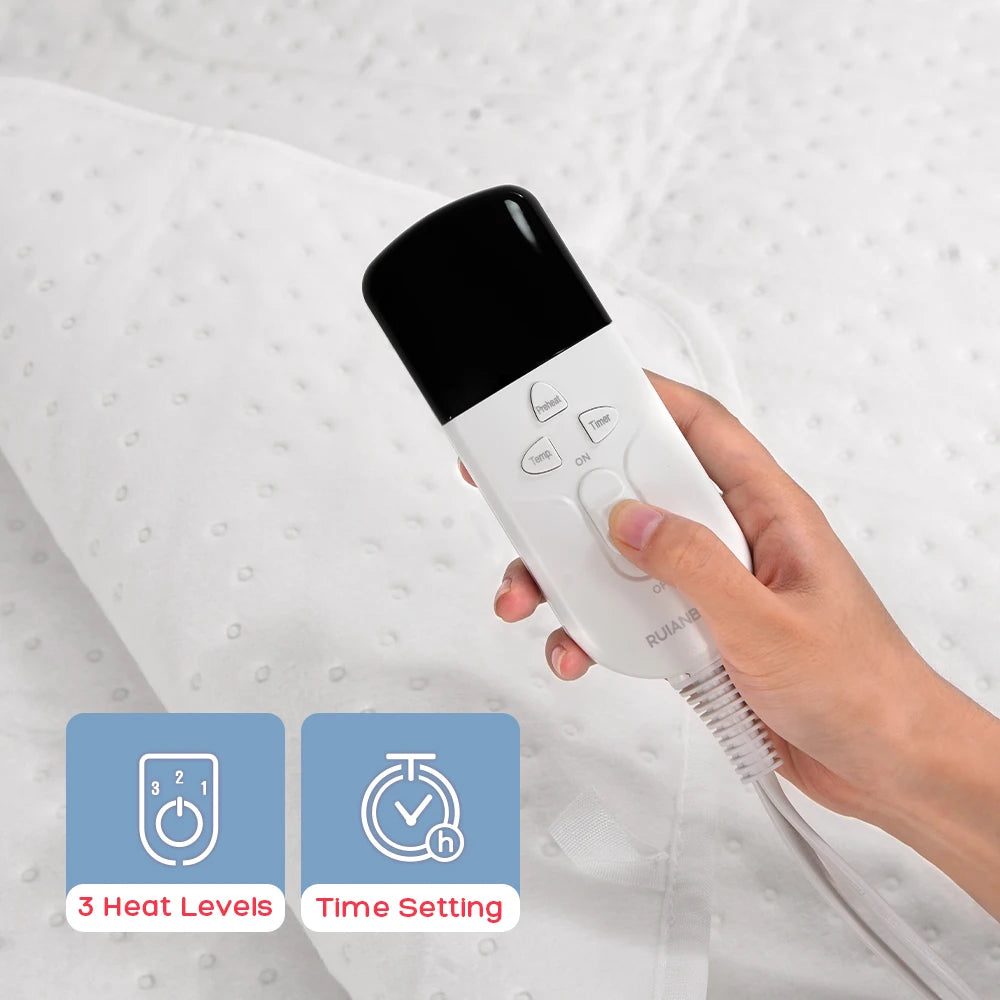
Balancing room temperature too cold sleeping with layered warmth 💡 See it in action
Why Cold Rooms Affect Sleep Quality
When your bedroom is too cold, your body spends energy trying to stay warm instead of resting. This can lead to shallow sleep, frequent wake-ups, and morning fatigue. For parents, this often means less patience, lower focus, and harder mornings.
- Cold air tightens muscles and joints
- Hands and feet struggle to warm up
- Deep sleep cycles shorten
- Children and babies wake more easily
That’s why many families look beyond thermostat changes and focus on personal sleep comfort instead.
What Is the Best Room Temperature for Sleeping?
The best room temperature for sleeping generally falls between 60–67°F (15–19°C) for adults. However, comfort varies by age, health, and bedding. Babies, for example, often need slightly warmer environments combined with breathable layers.
Instead of heating the entire home, adjusting what touches your body is often more effective and energy-conscious.
How to Adjust a Cold Room Step by Step
Room temperature too cold sleeping issues don’t require drastic changes. Follow these practical steps to improve comfort right away.
- Seal drafts: Close gaps around windows and doors.
- Layer bedding: Use breathable sheets with insulating top layers.
- Warm the body, not the air: Focus on localized warmth.
- Check humidity: Dry air feels colder than it is.
- Choose washable heated bedding: Easy care matters for busy households.
Families browsing Sleep & Comfort often find layered solutions more practical than space heaters.
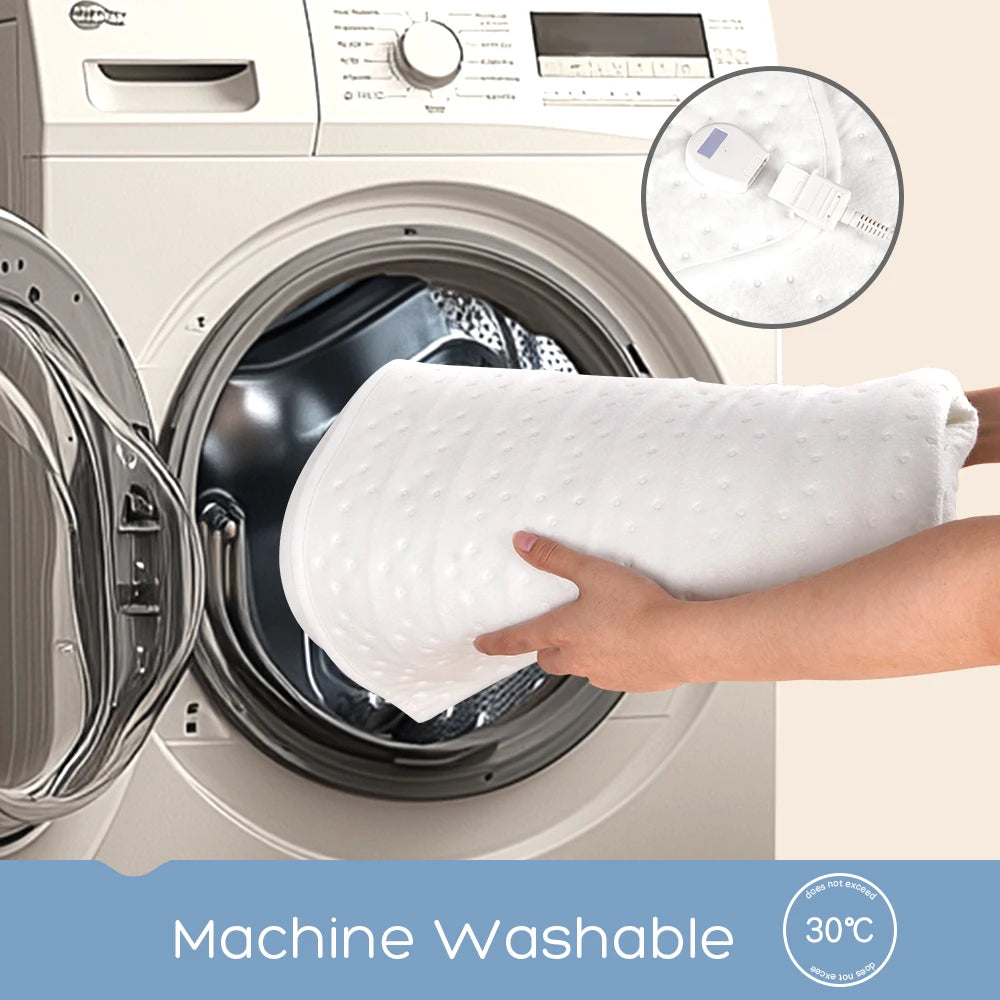
Best room temperature for sleeping supported by cozy layers 💡 See it in action
Smarter Solutions for Sleeping in a Cold Room
Sleeping in a cold room doesn’t have to mean discomfort. The key is consistent warmth without bulk or overheating.
- Heated bedding delivers even warmth
- Dual-layer designs prevent cold spots
- Soft flannel surfaces feel gentle on skin
- Timers add peace of mind overnight
Many caregivers also explore relaxation tools from Massage & Relaxation to ease tension caused by cold stiffness.
How a Dual Layer Heated Blanket Helps
Room temperature too cold sleeping becomes manageable when warmth is controlled at the source. A dual layer heated blanket combines insulation and gentle heat to maintain optimal room temp for sleeping—without raising energy bills.
Parents appreciate features like:
- Soft flannel heated blanket texture
- Washable electric heating blanket design
- Even heat distribution for shared beds
- Timer settings for overnight safety
👉 Learn how families simplify winter nights with this heated blanket.
Cold Room Fixes Compared
| Solution | Comfort Level | Energy Use | Ease for Parents |
|---|---|---|---|
| Raising Thermostat | Moderate | High | Low |
| Extra Blankets | Uneven | Low | Moderate |
| Dual Layer Heated Blanket | High | Low | High |
Real-Life Sleep Scenarios
New parents: Late-night feeds feel harder when the room is freezing. Targeted warmth keeps caregivers comfortable without disturbing babies.
Light sleepers: Cold feet cause frequent wake-ups. Gentle heat helps maintain steady sleep cycles.
Energy-conscious homes: Zoned warmth reduces the need to heat unused rooms.
Many families already shopping in Mom Essentials or Health & Safety appreciate solutions that balance comfort with peace of mind.
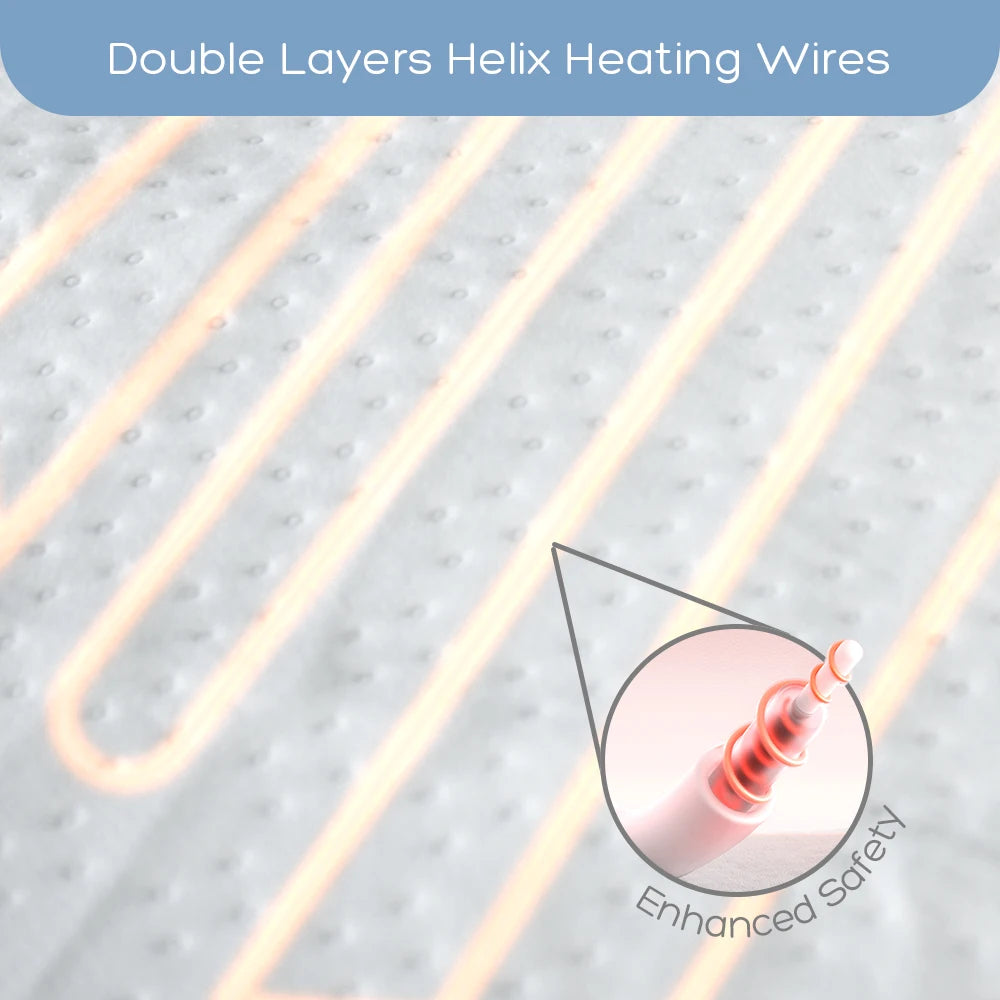
Optimal room temp for sleeping with layered warmth 💡 See it in action
👉 Ready to improve winter sleep tonight? Explore the comfort of a dual layer heated blanket.
Quick Questions Parents Ask
Is sleeping in a cold room unhealthy?
Sleeping in a cold room isn’t harmful by itself, but discomfort can interrupt rest. Consistent warmth helps the body relax and maintain deeper sleep stages.
How can I stay warm without overheating my baby?
Focus on adult bedding solutions and breathable baby sleepwear. Avoid space heaters near cribs.
Can heated blankets be used every night?
Yes, when designed for daily use with timers and washable materials, heated blankets fit easily into regular routines.
Related Guide: How to Stay Warm Sleeping Through Cold Nights





