

Safe Infant Carrying Methods Every Parent Should Know
What are the safest infant carrying methods for newborns?
Safe infant carrying methods focus on proper support of the baby’s head, spine, and hips while keeping the caregiver comfortable and balanced. When done correctly, safe infant carrying methods reduce strain, support healthy newborn hip position, and improve infant carrier safety during daily routines at home or outdoors.
Safe Infant Carrying Methods Every Parent Should Know
⏱ 6 min read
Carrying a newborn looks natural—until your arms ache, your baby squirms, or you start worrying if you’re holding them the right way. Many parents struggle with handling infants safely, especially in the first months when babies need constant support. The good news? A few proven techniques and the right tools can make carrying safer, calmer, and far more comfortable for both of you.
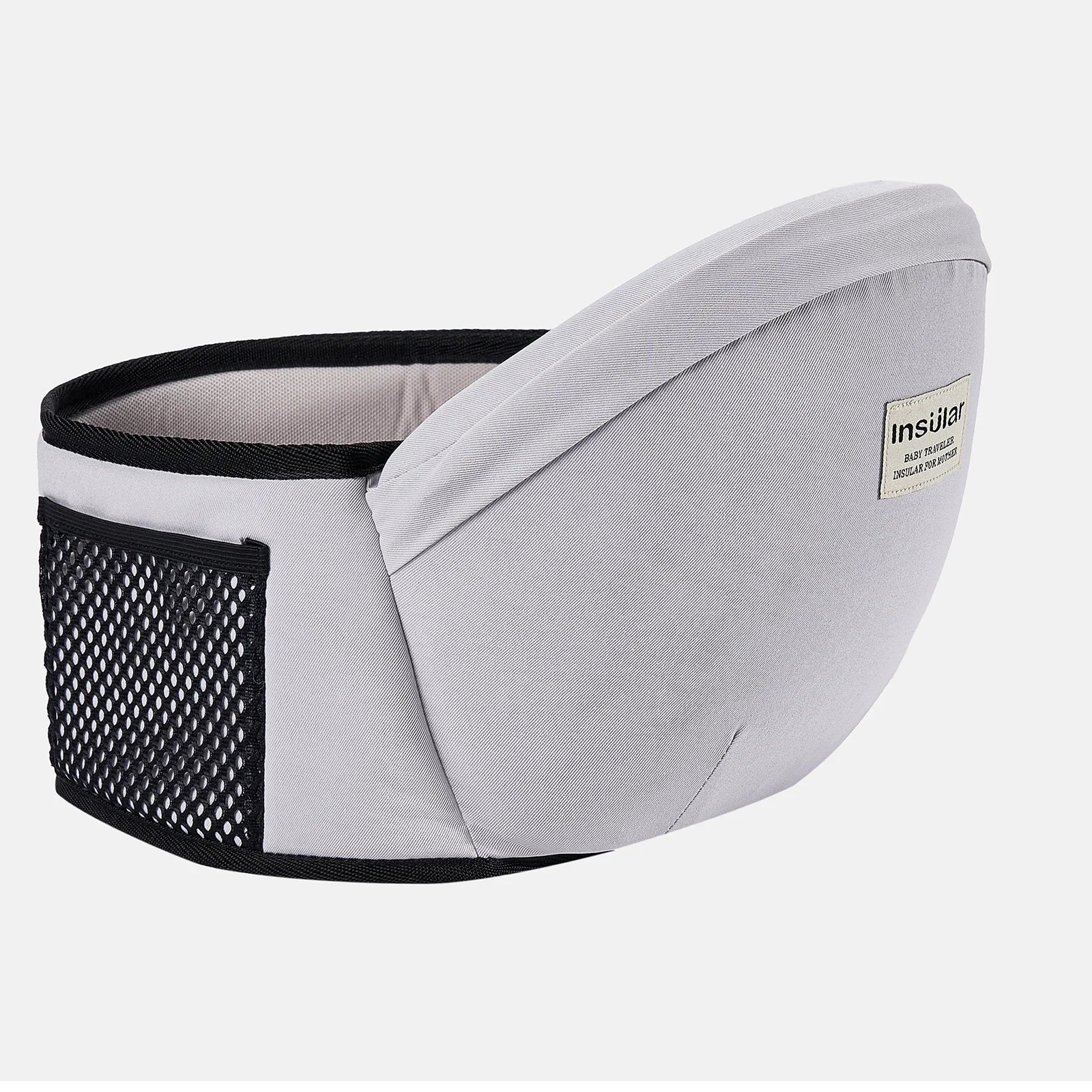
Safe infant carrying methods and infant carrier safety in everyday use 💡 See it in action
Why Safe Infant Carrying Matters More Than You Think
Safe infant carrying methods aren’t just about comfort. They directly affect your baby’s physical development and your own well-being. Poor handling infants techniques can lead to fussiness, uneven hip positioning, and caregiver back or shoulder pain.
Parents often notice better sleep and calmer behavior when babies are carried correctly. Proper support creates a sense of security, especially during transitions like errands, soothing before naps, or bonding time.
Core Principles of Safe Infant Carrying Methods
Safe infant carrying methods rely on a few simple principles that apply whether you’re using your arms or a carrier.
- Head and neck support: Newborns need full support until they gain control.
- Neutral spine: A gentle curve, not stiff or slouched.
- Healthy hip spread: Thighs supported, knees higher than the bottom.
- Caregiver balance: Weight close to your center reduces strain.
Common Carrying Mistakes Parents Make
Even attentive parents can fall into habits that reduce infant carrier safety.
| ❌ Risky Habit | ✅ Safer Alternative |
|---|---|
| Letting legs dangle straight down | Support thighs in a natural “M” shape |
| Holding baby far from the body | Keep baby close to your chest |
| Ignoring your own posture | Stand tall, shoulders relaxed |
Step-by-Step Guide to Handling Infants Safely
Safe infant carrying methods become second nature when broken into simple steps.
- Place one hand under your baby’s bottom and thighs.
- Support the head and neck with your opposite arm.
- Bring baby close so their chest rests against yours.
- Adjust your stance to keep weight evenly distributed.
For longer carrying sessions, many parents turn to supportive tools like a waist-based carrier to maintain comfort without compromising safety. Options like a supportive waist stool can reduce arm fatigue while preserving correct newborn hip position.
Explore supportive daily-care solutions in Baby Care Essentials to build a safer routine.
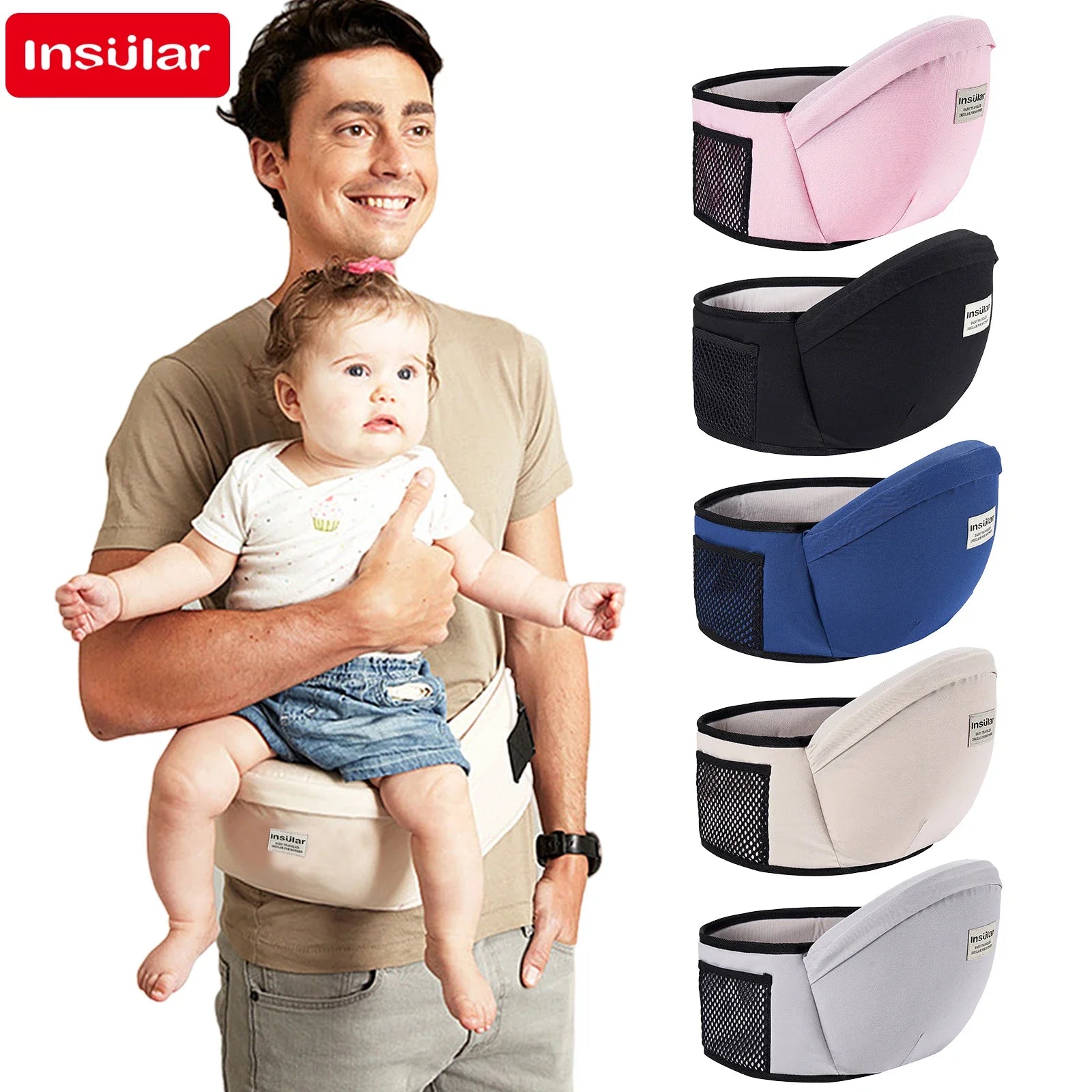
Handling infants with proper newborn hip position 💡 See it in action
How Infant Carrier Safety Supports Daily Life
Infant carrier safety matters most during long walks, shopping trips, or chores at home. A well-designed carrier keeps your baby secure while freeing your hands.
Parents often report less back pain and improved confidence when using a stable waist-supported option like this baby carrier waist stool, especially during growth spurts.
For more protective gear and peace of mind, visit Health & Safety.
Why Newborn Hip Position Is So Important
Safe infant carrying methods emphasize newborn hip position because early hip alignment supports natural joint development. Babies should sit with knees slightly higher than the bottom, thighs supported, and hips gently spread.
This position mimics how infants naturally curl when held correctly and reduces pressure points that can cause discomfort.
Parents focused on comfort and bonding often pair safe carrying with calming routines from Sleep & Comfort.
Real-Life Carrying Scenarios and Solutions
Quick errands: Keep baby close with a waist-supported carrier to avoid arm strain.
Soothing a fussy newborn: Gentle movement with proper support often calms babies faster.
At home chores: Safe infant carrying methods let you move freely while maintaining eye contact and connection.
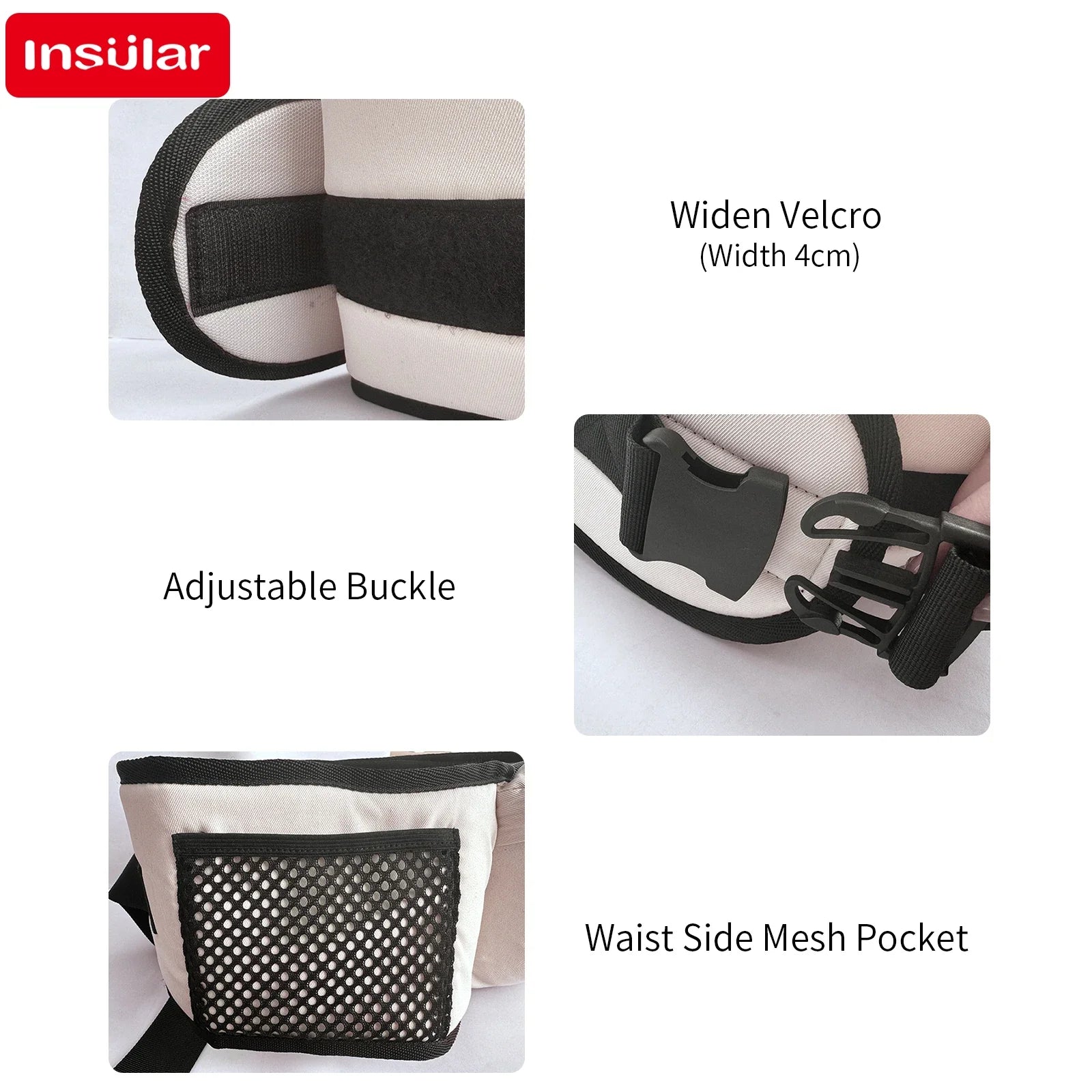
Infant carrier safety for everyday parenting 💡 See it in action
Quick FAQ for Confident Carrying
How long can I carry my newborn?
With safe infant carrying methods and proper support, short sessions can extend comfortably as long as both baby and caregiver remain relaxed.
Do carriers replace holding with arms?
No. They complement each other. Carriers help during longer periods, while arm carrying builds closeness and responsiveness.
What’s the biggest sign my baby is positioned correctly?
A calm baby with supported thighs, a relaxed spine, and easy breathing is usually a good indicator.
Related Guide: How to Carry Baby Comfortably Step by Step for New Parents





