

Safe Seat Belt for Pregnancy: Step-by-Step Setup Guide
Does a safe seat belt for pregnancy really work?
Yes, a safe seat belt for pregnancy is designed to reduce pressure on the abdomen, guide the belt away from the belly, and improve comfort and stability while riding or driving. When used correctly, it supports pregnancy seat belt safety and helps a pregnant woman driving feel more secure without restricting movement.
Safe Seat Belt for Pregnancy: Step-by-Step Setup Guide
⏱ 8 min read
Worried about how your seat belt presses against your belly? You’re not alone. Many moms-to-be struggle with discomfort, awkward positioning, and fear of doing something wrong while driving or riding. This guide shows exactly how a safe seat belt for pregnancy works, how to set it up in minutes, and how to stay comfortable and confident on every trip.
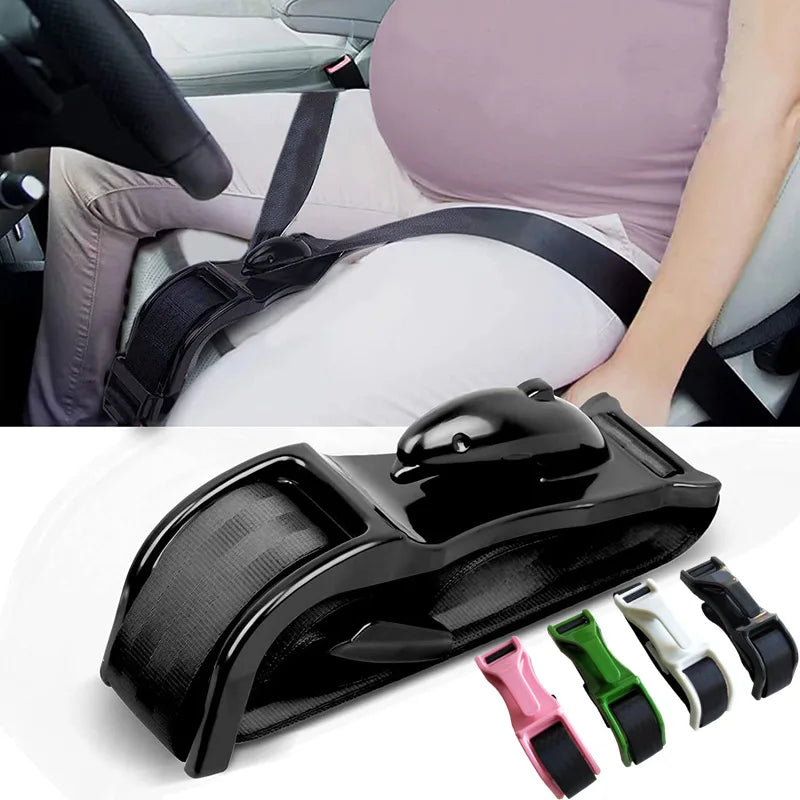
Safe seat belt for pregnancy setup for daily comfort and confidence — 💡 See it in action
What Is a Safe Seat Belt for Pregnancy?
A safe seat belt for pregnancy is a specialized system or adjuster that helps reposition the lap belt away from the belly and toward the hips and thighs. It reduces pressure on sensitive areas while maintaining proper restraint.
Unlike standard seat belts, these adjusters guide the belt under the bump instead of across it, helping improve pregnancy seat belt safety and comfort.
Why Proper Seat Belt Use in Pregnancy Matters
Correct seat belt use in pregnancy protects both mom and baby. It minimizes the risk of abdominal pressure, reduces strain on the lower back, and improves posture during long drives.
- Reduces belly pressure
- Supports natural posture
- Improves confidence while driving
- Helps avoid belt slippage
Many moms pair this with wellness-focused routines like those found in Health & Safety and Mom Essentials collections for a complete comfort solution.
How to Set Up a Safe Seat Belt for Pregnancy (Step-by-Step)
A safe seat belt for pregnancy should guide the lap belt below the belly, reduce tension across sensitive areas, and maintain proper restraint. Follow these simple steps to ensure pregnancy seat belt safety and maximum comfort.
- Sit comfortably: Adjust your seat so your hips are fully supported.
- Position the lap belt: It should rest low across your thighs, never across the belly.
- Attach the adjuster: Secure it according to the manufacturer’s instructions.
- Check tension: The belt should be snug, not tight.
- Test movement: You should be able to breathe and move easily.
Common Mistakes to Avoid
- Placing the belt across the belly
- Leaving too much slack
- Ignoring posture
- Using non-certified accessories
Adjusting for Each Trimester
As your body changes, your belt setup should change too.
First Trimester
Focus on posture and light tension control.
Second Trimester
Shift the lap belt lower as your belly grows.
Third Trimester
Use an adjuster consistently to avoid belly pressure.
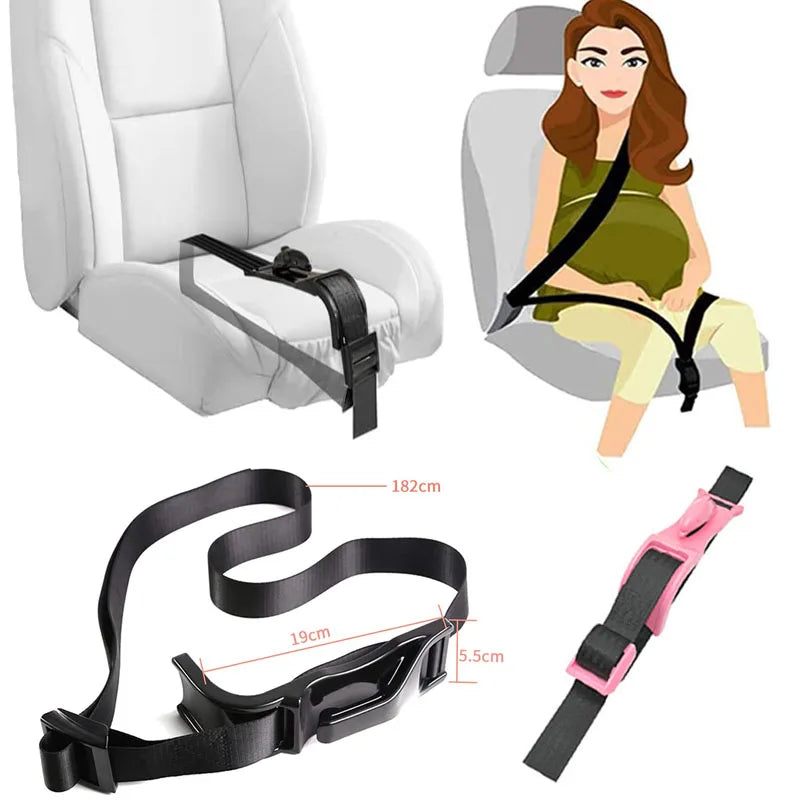
Pregnancy seat belt safety for every trimester — 💡 See it in action
Driving Tips for Expecting Moms
- Keep the steering wheel at least 10 inches from your belly.
- Take breaks every 60–90 minutes.
- Use lumbar support cushions.
- Stay hydrated.
Many moms also use comfort aids from Sleep & Comfort and Massage & Relaxation collections to stay relaxed on long drives.
Standard Belt vs Pregnancy Adjuster
| Feature | Standard Seat Belt | Pregnancy Adjuster |
|---|---|---|
| Belly Pressure | High | Low |
| Comfort | Limited | Enhanced |
| Adjustability | Minimal | Custom Fit |
Real Mom Experiences
“I used to dread long drives. Now I barely notice the belt.” — Emily, CA
“My back pain dropped instantly.” — Rachel, TX
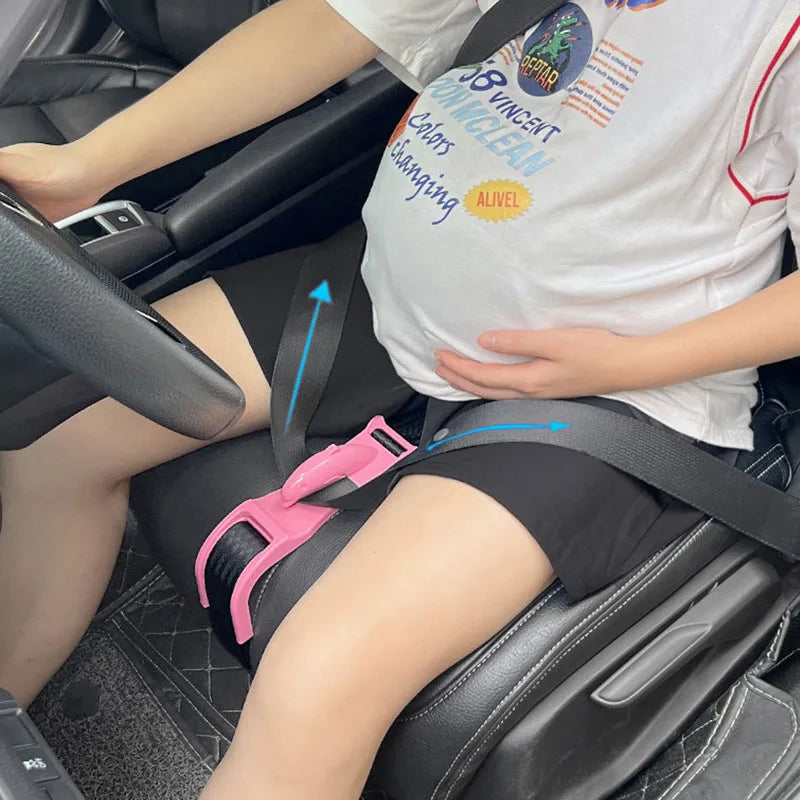
Seat belt use in pregnancy made easier — 💡 See it in action
Mini FAQ
Is it safe to wear a seat belt while pregnant?
Yes, when positioned correctly below the belly and across the shoulder.
Can I use this in any car?
Most adjusters are universal and fit standard seat belts.
When should I start using one?
As soon as you feel discomfort with a standard belt.





