

Infant Sleep Solutions: Calm Nights With Better Routines
What are the safest infant sleep solutions?
Safe infant sleep solutions combine evidence-based routines, a safe sleep environment, and carefully selected products that support healthy habits without replacing essential safety practices. The best baby sleep solutions do not force babies to sleep longer—they help create predictable cues, reduce unnecessary disruptions, and support recommended newborn safe sleep positions.
According to pediatric safe sleep recommendations, the foundation of every routine includes placing babies on their backs for sleep, using a firm and flat sleep surface, avoiding loose bedding and soft objects, and keeping the sleep area free from hazards. Infant sleep solutions should support these principles rather than introduce additional risks.
It is also important to separate sleep routines from sleep products . A calming bedtime routine, consistent schedule, and appropriate sleep environment often have a greater impact than any single item. Products can provide comfort and convenience, but they should always work alongside safe sleep practices for newborns.
Safe Sleep Solutions for Infants: Complete Guide to Better Baby Sleep in 2026
⏱ 12 min read
Helping a baby sleep safely is one of the biggest challenges new parents face. From understanding newborn safe sleep positions to choosing baby sleep products that are actually useful, the amount of advice available can feel overwhelming. This guide explains how infant sleep changes, why babies struggle with sleep, which solutions are worth considering, and how to build safer, calmer nights.
Explore calming options in Sleep & Comfort designed to support safer nights.
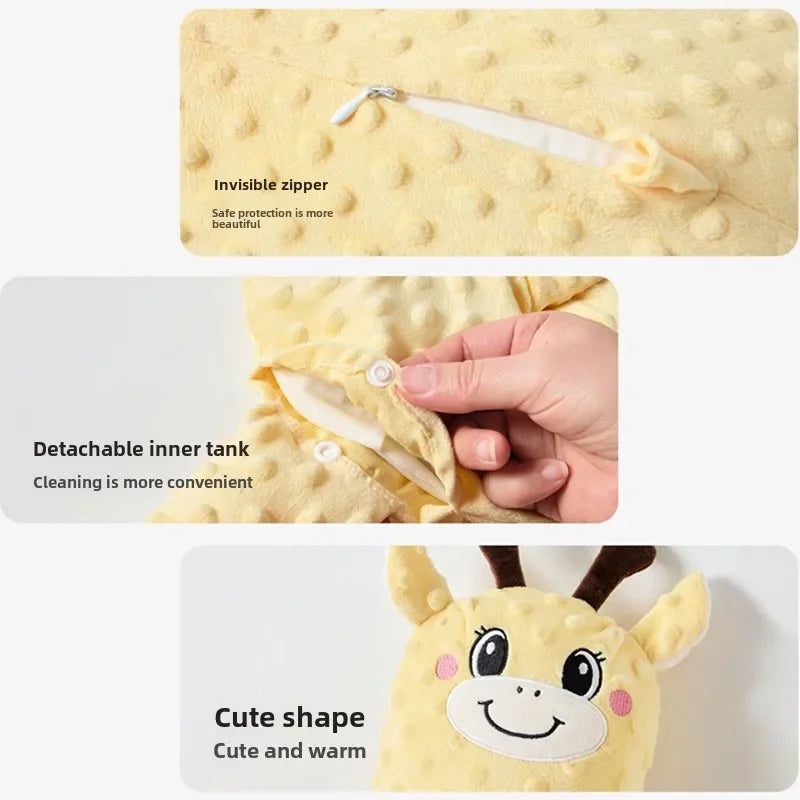
Safe sleep routines that support newborn safe sleep positions
What Are the Safest Infant Sleep Solutions?
Infant sleep solutions are strategies, routines, and carefully selected products designed to help babies develop healthier sleep habits while maintaining a safe sleep environment. They may include bedtime routines, soothing techniques, sleep sacks, white noise, room adjustments, and other supportive tools.
The safest approach focuses on:
- Creating a consistent sleep routine that babies recognize
- Supporting back sleeping on a firm, flat surface
- Reducing unnecessary stimulation before bedtime
- Using baby sleep products only when they support safety
Parents should have realistic expectations. Newborns naturally wake frequently because of feeding needs, immature sleep cycles, and rapid development. The goal of safe sleep solutions for infants is not to eliminate all waking but to encourage healthy patterns over time.
How Infant Sleep Changes From Birth to 12 Months
Newborn (0-1 month)
Newborn sleep is unpredictable because babies are still developing circadian rhythms. Most newborns sleep around 14–17 hours per day, often in short periods. Frequent waking for feeding is normal, and wake windows may only last about 45–60 minutes.
1-3 months
During this stage, babies begin developing more predictable sleep patterns. Parents may notice longer nighttime stretches, clearer tired cues, and improved responses to consistent bedtime routines.
4-6 months
Many babies begin sleeping for longer periods at night, although developmental changes can temporarily disrupt sleep. Wake windows often increase to around 1.5–2.5 hours, depending on the baby.
6-12 months
Older infants typically develop stronger sleep rhythms, take fewer naps, and respond well to predictable schedules. Teething, mobility milestones, and separation anxiety can still affect sleep.
Understanding these changes helps parents choose appropriate infant sleep solutions instead of expecting newborns to follow older baby sleep patterns.
Why Babies Struggle to Sleep
Sleep challenges are common because babies experience rapid physical and neurological changes. Identifying the reason behind disrupted sleep makes it easier to choose the right baby sleep solutions.
- Hunger and feeding: Young babies often wake because they need regular nutrition, especially during growth spurts.
- Overtiredness: Missing sleep cues can make babies harder to settle.
- Developmental changes: Learning new skills such as rolling, crawling, or sitting can temporarily interrupt sleep.
- Environmental factors: Light, noise, temperature, and inconsistent routines can affect sleep quality.
Common Infant Sleep Problems and Evidence-Based Solutions
Frequent Night Waking
Night waking is normal for infants, especially during the first months. Parents can improve sleep patterns by ensuring daytime feeding needs are met, creating predictable bedtime cues, and avoiding unnecessary stimulation during nighttime wakeups.
Short Naps
Short naps often happen because babies have shorter sleep cycles. Maintaining an age-appropriate wake window and creating a consistent nap environment may help extend rest periods.
Difficulty Falling Asleep
Babies may struggle to fall asleep when they are overstimulated or lack clear sleep signals. A calming routine, dim lighting, and soothing activities can help prepare them for rest.
Sleep Regressions
Sleep regressions are often linked to developmental milestones rather than a loss of progress. Staying consistent with routines usually helps babies adjust within several days or weeks.
Safe Sleep Practices Every Parent Should Follow
Safe sleep solutions for infants should always begin with the sleep environment. Products and routines should support, not replace, proven safety practices.
- Place babies on their backs for every sleep
- Use a firm, flat mattress with a fitted sheet
- Keep the crib or bassinet free from pillows, blankets, toys, and loose items
- Consider room sharing without bed sharing during early infancy
- Avoid products that restrict movement or change sleeping position
Parents looking for additional guidance can also explore a newborn safe sleep guide and learn more about room sharing safety .
How to Build a Healthy Bedtime Routine
The best baby sleep solutions often start with predictable habits. Babies learn through repetition, so repeating the same calming steps each night can signal that sleep is approaching.
- Keep bedtime timing consistent
- Use familiar sleep cues such as gentle music or quiet interaction
- Create a calm, comfortable sleep environment
- Reduce bright lights and active play before bedtime
A simple routine may include feeding, changing, cuddling, reading, and placing the baby down while calm. Parents can also explore baby bedtime routine ideas for additional support.
Sample Sleep Schedules by Age
0-3 Months
- Nap frequency: 4–6 naps daily
- Wake windows: about 45–120 minutes
- Bedtime range: flexible based on feeding and sleep cues
4-6 Months
- Nap frequency: usually 3–4 naps daily
- Wake windows: about 1.5–2.5 hours
- Bedtime range: commonly early evening
6-12 Months
- Nap frequency: often 2–3 naps daily
- Wake windows: about 2–4 hours
- Bedtime range: generally more predictable
Every baby develops differently. Flexible expectations are more realistic than following a strict schedule.
How to Evaluate Infant Sleep Products Safely
Choosing baby sleep products requires looking beyond advertising claims. The safest products are those that support healthy routines without interfering with recommended sleep practices.
Before purchasing, consider:
- Does the product maintain safe sleep positioning?
- Are safety standards and materials clearly explained?
- Does it solve a specific problem or simply add unnecessary items?
- Can it be used according to age recommendations?
Products that position babies, add loose materials to sleep spaces, or claim to prevent normal infant movement should be approached carefully.
Which Baby Sleep Products Are Worth Considering?
Sleep Sacks
Sleep sacks can provide warmth without loose blankets when used correctly and according to age guidelines. They are often considered a practical alternative to traditional bedding.
White Noise Machines
White noise may help some babies settle by creating a consistent background sound. Safe volume levels and proper placement are important.
Blackout Curtains
Reducing excessive light can support a better sleep environment, especially as babies develop stronger day-night patterns.
Pacifiers
Pacifiers may provide soothing comfort for some infants. Parents should follow age-appropriate guidance and avoid attaching them with unsafe accessories.
The most effective baby sleep solution product is usually one that fits the family's routine rather than the most expensive option available.
What Baby Sleep Brands Do Experts Recommend?
Experts typically focus less on specific brand names and more on product safety, quality, and appropriate use. Leading baby sleep products usually share several characteristics:
- Clear safety information
- Age-appropriate design
- Simple functionality
- Support for healthy sleep habits
Sleep consultants and midwives often recommend prioritizing safe sleep foundations first, then adding optional comfort tools when they fit the baby's needs.
When Poor Infant Sleep Needs Medical Evaluation
Most infant sleep challenges are normal, but some situations require professional advice.
Contact a pediatrician if your baby has:
- Breathing difficulties during sleep
- Poor feeding, slow growth, or signs of dehydration
- Extreme difficulty waking or unusual sleepiness
- Persistent sleep concerns affecting health and development
Medical guidance is especially important when sleep issues may be connected to feeding, breathing, or underlying health concerns.
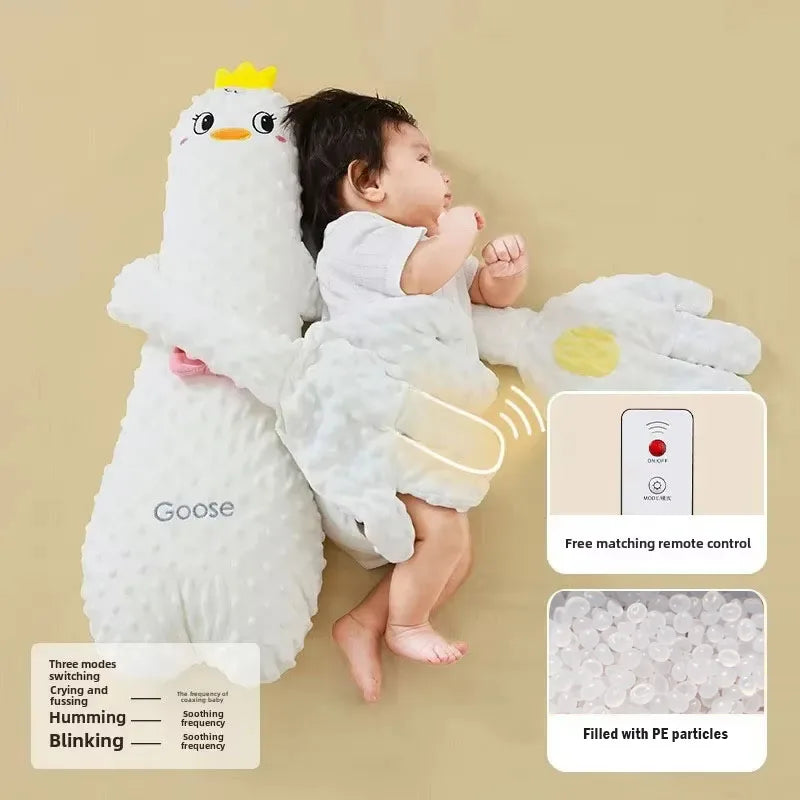
Supporting safe sleep practices for newborns with gentle comfort
Frequently Asked Questions
What is the safest sleep position for a newborn?
The safest sleep position is on the baby's back on a firm, flat surface without loose bedding or soft objects. This supports recommended safe sleep practices for newborns.
How much should a newborn sleep each day?
Most newborns sleep around 14–17 hours within a 24-hour period, usually divided into multiple sleep periods.
What causes frequent night waking in babies?
Frequent waking can happen because of hunger, developmental changes, sleep cycles, discomfort, or normal infant behavior.
What baby sleep products are worth investing in?
Useful products are those that support safe routines, such as sleep sacks, white noise machines, and calming tools used correctly.
Which baby sleep products are considered safe?
Safe baby sleep products should not restrict movement, create unsafe sleeping positions, or add hazards to the sleep area.
What baby sleep brands are recommended by sleep consultants?
Sleep consultants generally recommend brands and products that prioritize safety standards, quality materials, and realistic expectations rather than guaranteed sleep results.
What baby sleep products do midwives recommend?
Midwives often emphasize safe sleep basics first, including appropriate sleep surfaces, routines, and products that support rather than replace those practices.
How do I evaluate the safety of different baby sleep products?
Review safety certifications, intended age range, materials, usage instructions, and whether the product follows safe sleep recommendations.
When should I seek medical advice for infant sleep problems?
Seek medical advice when sleep problems involve breathing concerns, feeding difficulties, poor growth, or other health-related symptoms.
Can sleep training be used during the first six months?
Sleep approaches vary by family and baby development. Parents should discuss sleep training methods with a pediatrician, especially during early infancy.
You can also explore the Baby Sleeping Patting Doll as a gentle comfort option that can be incorporated into an existing bedtime routine.
Related Guide: Infant Sleeping Issues: In-Depth Brand Review and Comparison





