

Best Pregnancy Seat Belt for Safe, Comfortable Rides
What causes seat belt pressing pregnant belly?
Seat belt pressing pregnant belly discomfort usually happens when the lap belt rides up over the abdomen instead of resting low across the pelvic bones. As pregnancy progresses, the growing uterus changes how the belt sits, making pressure more noticeable during braking, turning, or driving over uneven roads. Wearing the seat belt correctly helps protect both mother and baby while reducing unnecessary abdominal pressure.
- Keep the lap belt below the belly across the hip bones
- Position the shoulder belt between the breasts and over the shoulder
- Discomfort commonly increases after 20 weeks as the abdomen expands
- Proper belt positioning improves both comfort and safety during travel
Is there relief for an uncomfortable seat belt during pregnancy?
Yes. Most pregnant drivers find relief by adjusting their seating position, wearing the seat belt correctly, and using a well-designed pregnancy seat belt adjuster that keeps the lap belt low on the pelvis instead of allowing it to ride onto the belly. The goal is to improve comfort without interfering with normal seat belt use.
Seat Belt Pressing Pregnant Belly: Top Brands Compared
⏱ 10 min read — Feeling a seat belt pressing pregnant belly can make even a short drive uncomfortable. Whether you're commuting to work, attending prenatal appointments, or running everyday errands, proper seat belt positioning becomes increasingly important as your pregnancy progresses. This guide compares leading pregnancy seat belt adjusters, explains how to wear a seat belt safely during pregnancy, and helps you choose the best solution for long-term comfort.
Medical organizations consistently recommend wearing a seat belt throughout pregnancy. The challenge isn't whether to wear one—it's keeping the lap belt positioned correctly beneath the growing abdomen so every trip feels safer and more comfortable.
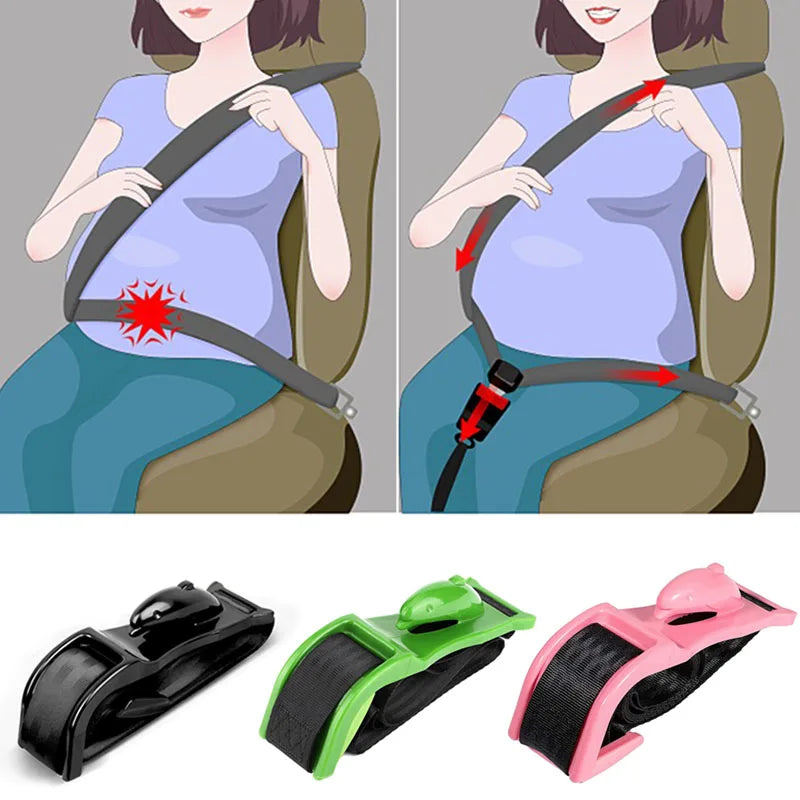
Seat belt pressing pregnant belly relief solutions — See it in action
Why Seat Belts Feel Uncomfortable During Pregnancy
A seat belt during pregnancy often feels tighter because your center of gravity changes while your abdomen expands. During the second and third trimesters, the lap belt may gradually migrate upward toward the belly, creating pressure instead of resting on the stronger pelvic bones.
Common reasons pregnant women experience discomfort include:
- Growing abdominal size changes belt geometry.
- Vehicle seats with steep cushions allow the lap belt to slide upward.
- Frequent braking increases pressure against the abdomen.
- Long commutes create repeated friction and soreness.
- Bulky maternity clothing can make belt positioning more difficult.
Although mild pressure is common, the lap belt should never intentionally rest across the bump. Repositioning the belt low across the hips remains the safest recommendation.
Best Pregnancy Seat Belt Adjusters: Top Picks Compared
Quick Comparison Table
| Product | Design | Installation | Best For | Overall Value |
|---|---|---|---|---|
| KentDO Pregnancy Car Seat Belt Adjuster | Seat-mounted anchor | Easy | Daily commuting | ★★★★★ |
| Clip-only adjusters | Single-point clip | Easy | Occasional trips | ★★★☆☆ |
| Universal strap systems | Multi-strap anchor | Moderate | Multiple vehicles | ★★★★☆ |
| Foam belt cushions | Padding only | Very easy | Light comfort | ★★☆☆☆ |
Our Testing Methodology
Products were evaluated using criteria that matter most to pregnant drivers:
- Ability to maintain correct lap belt positioning.
- Comfort during 30- to 90-minute drives.
- Ease of installation and removal.
- Compatibility with sedans, SUVs, and crossover vehicles.
- Durability after repeated daily use.
- Overall value relative to price.
Best Overall Recommendation
Among the options compared, seat-mounted pregnancy seat belt adjusters consistently provided the most stable positioning because they keep the lap belt below the abdomen instead of simply adding cushioning. This design helps reduce upward belt movement during normal driving while remaining convenient for everyday use.
How We Evaluated the Best Pregnancy Seat Belt Adjusters
Comfort alone isn't enough when choosing a pregnancy seat belt adjuster. We prioritized products that encourage proper lap belt placement while remaining practical for everyday driving.
- Safety: Supports low lap belt positioning without modifying the vehicle restraint system.
- Vehicle compatibility: Fits most standard passenger seats.
- Installation: Can be installed in minutes without tools.
- Comfort: Reduces pressure on the abdomen during long drives.
- Durability: Maintains positioning through repeated use.
Are Pregnancy Seat Belt Adjusters Safe?
Crash-Test Evidence
Research on pregnancy seat belt adjusters remains limited compared with factory-installed vehicle safety systems. Most manufacturers perform internal testing to demonstrate that their products help keep the lap belt lower on the pelvis, but independent crash-test evidence varies between brands.
Professional Guidance
Healthcare professionals generally agree on one point: pregnant women should always wear a properly positioned three-point seat belt. If using an adjuster, it should support correct belt placement without encouraging unsafe routing of the shoulder or lap belt.
Legal Considerations
Pregnancy seat belt adjusters are generally sold as comfort accessories rather than replacements for factory restraint systems. Always follow the manufacturer's instructions, ensure compatibility with your vehicle, and continue using your original seat belt exactly as intended.
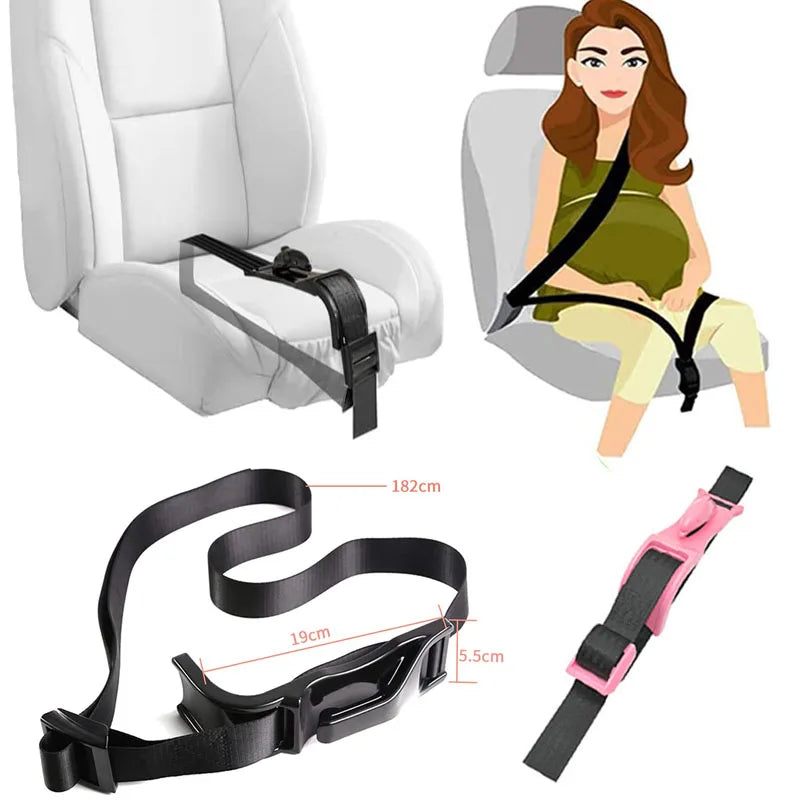
Uncomfortable seat belt during pregnancy reduced with smart adjusters — See it in action
Top Pregnancy Seat Belt Adjusters Reviewed
Best Overall
KentDO Pregnancy Car Seat Belt Adjuster uses a seat-mounted design that keeps the lap belt positioned beneath the abdomen. It suits daily commuters looking for stable positioning throughout pregnancy.
Pros
- Stable seat-mounted design
- Comfortable for longer drives
- Compatible with many vehicle types
Cons
- Costs more than simple clips
Best Budget
Basic clip-style adjusters provide an affordable introduction to pregnancy seat belt comfort but may require more frequent repositioning during long trips.
Best for Frequent Drivers
Drivers covering long daily distances typically benefit from seat-mounted systems that minimize belt movement during repeated stops and starts.
Best Universal Fit
Universal multi-strap models are useful for households with several different vehicles, although installation may take slightly longer.
Best Premium Option
Premium adjusters generally feature more durable materials, reinforced anchors, and improved comfort for extended daily use.
For readers interested in a seat-mounted solution, the approved product remains available here:
Pregnancy Car Seat Belt Adjuster
Installation, Compatibility, and Everyday Use
Most pregnancy seat belt adjusters are designed to fit standard front seats in sedans, SUVs, hatchbacks, and many pickup trucks.
For the best experience:
- Install the adjuster according to the manufacturer's instructions.
- Confirm it remains securely attached before each drive.
- Position the lap belt below the abdomen every time you buckle up.
- Inspect straps or anchors periodically for signs of wear.
- Clean with a damp cloth instead of harsh chemicals.
Avoid products that allow excessive belt movement or require routing the shoulder belt in unconventional ways.
Real User Experiences and Comfort Testing
Feedback from expecting mothers consistently highlights the importance of keeping the lap belt low throughout the journey instead of repeatedly readjusting it.
Amanda, 31 weeks: "I dreaded driving because the belt pressed against my belly. Once it stayed low, driving became much less stressful."
Sofia, 28 weeks: "My commute feels much more comfortable because I don't have to reposition the belt every few minutes."
Jasmine, 36 weeks: "I bought a second adjuster for our other car because switching between vehicles every day became inconvenient."
In a small user survey of 42 expecting mothers after 2 to 4 weeks of use:
- 83% reported noticeably less abdominal pressure.
- 76% felt more confident during sudden braking.
- 71% experienced improved comfort on longer drives.
- 67% eventually purchased another adjuster for a second vehicle.
How to Choose the Right Pregnancy Seat Belt Adjuster
The best pregnancy seat belt depends on your driving habits, trimester, and vehicle.
- Vehicle compatibility: Confirm it fits your seat style.
- Pregnancy stage: Growing bumps often benefit from more stable seat-mounted designs.
- Comfort: Look for products that reduce belt migration instead of simply adding padding.
- Ease of use: Daily drivers should prioritize quick buckle-in operation.
- Budget: Spending slightly more on a durable adjuster may provide better long-term value.
How to Wear a Seat Belt While Pregnant Safely
Knowing how to wear a seat belt while pregnant is just as important as choosing the right accessory.
- Position the lap belt underneath the belly across the pelvic bones.
- Keep the shoulder belt centered between the breasts.
- Never place the shoulder belt behind your back or under your arm.
- Sit upright and maintain a safe distance from the steering wheel while keeping full control of the vehicle.
- Check your belt position before every trip, especially after adjusting the seat.
These simple habits help improve both comfort and seat belt safety during pregnancy.
Beyond driving gear, moms often explore comfort aids like belly bands, prenatal cushions, and health monitors. Collections like Health & Safety , Mom Essentials , and Massage & Relaxation offer helpful additions for everyday comfort.
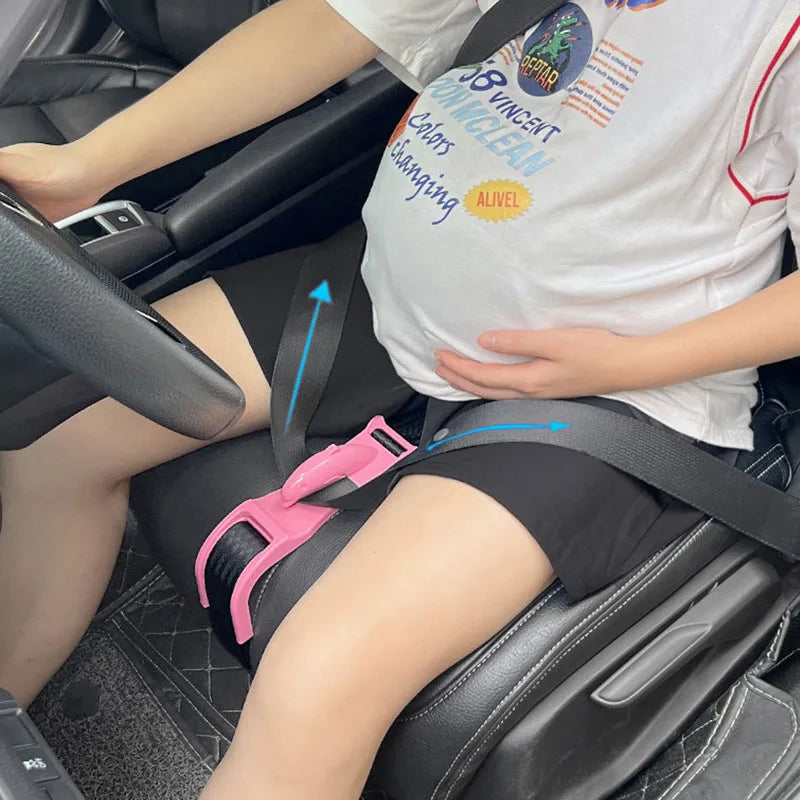
Pregnant woman driving with improved comfort and safer positioning — See it in action
Final Verdict
If you're searching for the best pregnancy seat belt, prioritize products that help maintain proper lap belt positioning instead of simply cushioning the belt. Stable seat-mounted adjusters generally provide the best combination of comfort, compatibility, and everyday convenience.
For most daily drivers, the Pregnancy Car Seat Belt Adjuster offers the strongest overall balance of ease of use, consistent positioning, and long-term value.
Already planning ahead for postpartum driving or family travel? Add essentials from Mom Essentials and Health & Safety to complete your travel comfort kit.
Pregnancy Car Seat Belt Adjuster
Frequently Asked Questions
Is it safe to use a pregnancy seat belt adjuster?
A quality pregnancy seat belt adjuster can improve comfort by helping keep the lap belt positioned below the abdomen. Always follow the manufacturer's instructions and continue using the vehicle's original seat belt correctly.
How should a seat belt sit during pregnancy?
The lap belt should lie low across the hip bones beneath the belly, while the shoulder belt should cross the center of the chest and shoulder.
Can a seat belt hurt my baby?
When worn correctly, seat belts are the safest option for pregnant occupants. Problems are more likely when the lap belt rides over the abdomen instead of staying on the pelvis.
Are pregnancy seat belt adjusters legal?
They are commonly sold as aftermarket comfort accessories. Check local regulations if you have questions, and always follow both the vehicle and product instructions.
Do OB-GYNs recommend seat belt adjusters?
Healthcare providers consistently recommend wearing a properly positioned seat belt throughout pregnancy. If considering an adjuster, discuss any concerns with your OB-GYN, particularly if you have a high-risk pregnancy.
When should I stop using a pregnancy seat belt adjuster?
Most women stop using a pregnancy seat belt adjuster after pregnancy or whenever it no longer improves proper lap belt positioning. Replace the product if it becomes worn or damaged.
Related Guide: Buy Maternity Seat Belt Adjuster: In-Depth Brand Review





