

Seat Belt Pregnancy Safety: How to Protect You and Baby
Is it safe to wear a seat belt during pregnancy?
Yes. Medical experts recommend wearing a seat belt throughout pregnancy because it remains one of the most effective ways to protect both the mother and baby during a collision. Proper seat belt pregnancy safety depends on correct positioning: the lap belt should rest below the belly across the hips, while the shoulder belt should lie between the breasts and across the side of the abdomen. This positioning helps distribute crash forces over stronger bones instead of the uterus.
Seat Belt Safety Pregnancy Concerns: Who Needs Extra Protection
⏱ 8 min read
Pregnancy changes how a seat belt fits, making many expecting mothers wonder whether driving is still comfortable and safe. The good news is that pregnancy seat belt safety is well understood. Wearing a seat belt correctly, maintaining a safe driving position, and using supportive accessories when appropriate can help reduce discomfort while preserving the protection that seat belts are designed to provide.
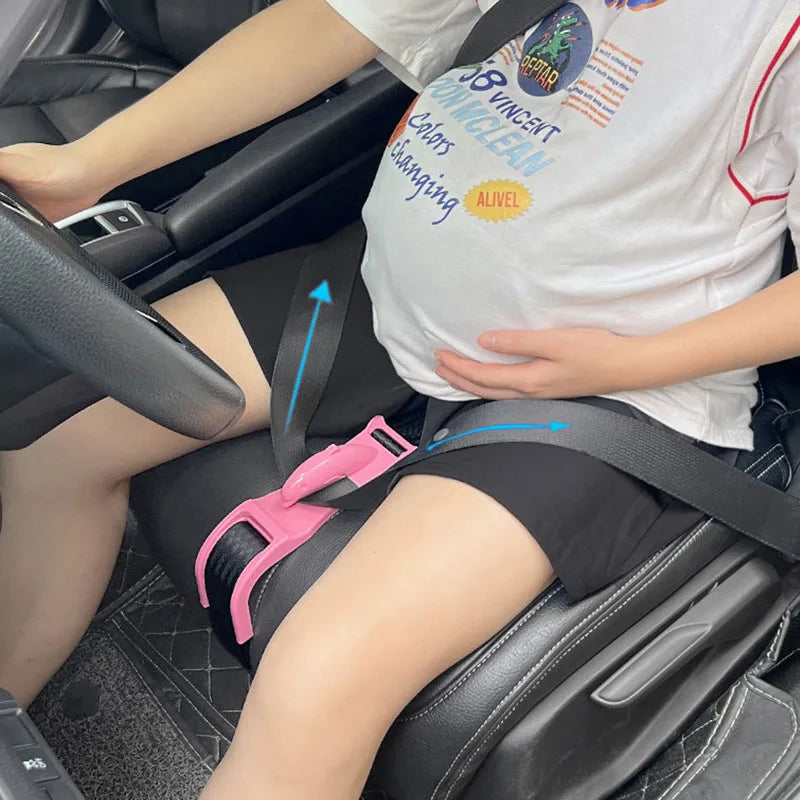
Seat belt safety pregnancy concerns explained visually — see how proper support changes comfort and protection. See it in action.
Is it safe to wear a seat belt during pregnancy?
Absolutely. If you are asking, "Should you wear a seatbelt when pregnant?" the answer is yes. Not wearing a seat belt significantly increases the risk of serious injury during sudden braking or a collision. Seat belts help keep you securely positioned in your seat, reducing the chance of striking the steering wheel, dashboard, or windshield.
Many mothers worry that a seat belt and pregnancy do not mix well, especially once the baby bump becomes more noticeable. In reality, discomfort is often caused by poor belt positioning rather than the seat belt itself. Correct placement keeps pressure away from the abdomen and improves both comfort and protection.
How to wear a seat belt correctly while pregnant
Wearing a seatbelt while pregnant correctly is one of the simplest ways to improve safety on every journey.
Position the lap belt below the belly
Place the lap portion snugly across your hip bones and upper thighs—not over the abdomen. This allows crash forces to be absorbed by stronger pelvic bones instead of the growing uterus.
Place the shoulder belt across the chest
The shoulder belt should pass between the breasts and across the center of the chest before resting beside the belly. Never place it under your arm or behind your back.
Adjust your seat and steering wheel safely
- Sit upright instead of reclining excessively.
- Move the seat as far back as possible while still comfortably reaching the pedals.
- Tilt the steering wheel toward your breastbone instead of directly at your abdomen.
- Maintain enough distance between your belly and the steering wheel whenever practical.
These simple adjustments improve pregnant women seat belt positioning without compromising vehicle control.
Why seat belts become uncomfortable during pregnancy
An uncomfortable seat belt during pregnancy is common because your body changes continuously over nine months. As your abdomen expands, your posture shifts, your center of gravity changes, and everyday seating positions may no longer feel natural.
What causes pressure on the belly?
- A growing abdomen changes where the lap belt naturally rests.
- Relaxed ligaments and muscles make pressure feel more noticeable.
- Long commutes create persistent pressure points.
- Poor belt positioning may cause the seat belt tightened on pregnant belly feeling many mothers describe.
- Frequent twisting or reaching while driving can increase discomfort.
Occasional discomfort is normal, but the lap belt should never ride over the bump. Repositioning the belt usually improves comfort immediately.
Seat belt safety by trimester
First trimester
Although physical changes are often minimal, always wear your seat belt correctly. Developing safe driving habits early helps throughout pregnancy.
Second trimester
As the abdomen becomes more prominent, pay closer attention to lap belt placement. Many mothers begin adjusting their seating position and may benefit from additional comfort support on longer drives.
Third trimester
During the final months, maintaining proper posture becomes increasingly important. Consider shorter trips when possible, schedule breaks every hour or two, and avoid driving if fatigue, dizziness, contractions, or medical advice make it unsafe.
Airbag and seat belt safety during pregnancy
A common myth is that airbags should be disabled during pregnancy. In fact, airbags and seat belts work together to provide the best protection in most collisions.
- Keep front airbags activated unless your healthcare provider advises otherwise.
- Maintain as much space as practical between your chest and the steering wheel.
- Always wear the seat belt correctly because airbags are designed to work alongside it—not replace it.
Using both systems together offers better protection than relying on either one alone.
When pregnancy seat belt adjusters may help
For many expecting mothers, pregnancy seat belts or seat belt adjusters can improve daily comfort by helping maintain proper lap belt positioning. These accessories should support correct belt placement rather than replace proper seat belt use.
Features to look for
- Stable anchoring that helps keep the lap belt low.
- Compatibility with your vehicle seat.
- Straightforward installation.
- Comfortable materials suitable for everyday commuting.
Safety considerations before buying
- Follow the manufacturer's installation instructions carefully.
- Ensure the product does not interfere with normal seat belt function.
- Replace damaged accessories promptly.
- If you have a high-risk pregnancy or medical concerns, discuss travel safety with your healthcare provider.
Products like a pregnancy car seat belt adjuster are designed specifically for this purpose. You can explore a dedicated solution here that focuses on fit, stability, and peace of mind.
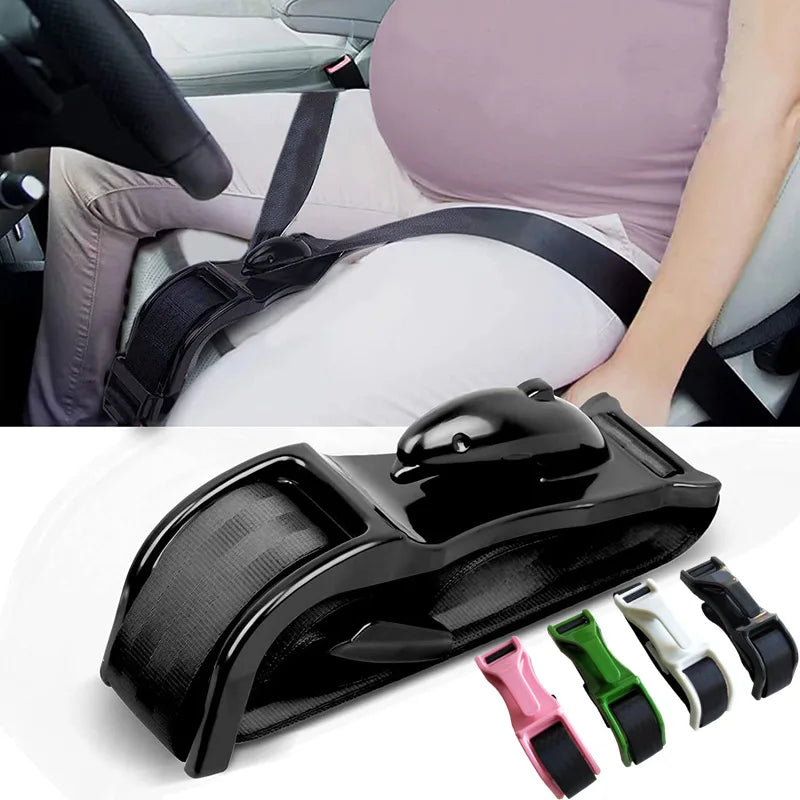
Uncomfortable seat belt during pregnancy made easier with proper positioning. See it in action.
For additional pregnancy comfort resources, you may also find these guides helpful:
- Mom Essentials
- Health & Safety
- Pregnancy abdominal support belt buying guide
- Safe travel during pregnancy
- Driving posture and back support during pregnancy
- Maternity comfort accessories
- Pregnancy road trip checklist
Safe driving and travel tips during pregnancy
- Always wear your seat belt correctly, even on short journeys.
- Keep the lap belt below the belly and across your hips.
- Position the shoulder belt between your breasts.
- Take regular breaks during long drives to stretch and walk.
- Stay hydrated and avoid driving while overly tired.
- If possible, limit lengthy road trips during late pregnancy.
- Do not drive if you experience contractions, severe dizziness, blurred vision, or your healthcare provider recommends avoiding driving.
What to do after a car accident while pregnant
Even a seemingly minor collision deserves medical attention during pregnancy.
- Contact your healthcare provider as soon as possible.
- Seek medical evaluation, even if you feel fine.
- Monitor for abdominal pain, bleeding, leaking fluid, decreased fetal movement, or contractions.
- Follow all emergency instructions provided by healthcare professionals.
- Do not assume that the absence of visible injuries means everything is normal.
Prompt evaluation helps identify potential complications early and provides reassurance for both mother and baby.
Frequently asked questions
Is it safe to wear a seat belt while pregnant?
Yes. Properly worn seat belts remain the safest option for protecting both mother and baby during everyday travel and vehicle collisions.
Can a seat belt hurt my baby?
When positioned correctly below the abdomen, a seat belt helps protect both you and your baby. Problems are more likely when the belt rides over the belly instead of across the hips.
Why does my seat belt feel uncomfortable now?
Your changing posture, growing abdomen, and shifting center of gravity alter how the belt fits. Proper positioning and supportive accessories may improve comfort.
Should the lap belt go over or under my belly?
Always place the lap belt under your belly, fitting snugly across your hip bones and upper thighs.
Should airbags be turned off during pregnancy?
No. Airbags should generally remain enabled because they work together with seat belts to reduce injury during crashes. Maintain proper seating distance and wear the seat belt correctly.
Related Guide: Maternity Travel Safety Support: Choosing the Right Fit





