

Shoulder Strain Baby Carrier Design Why Support Matters
Does a shoulder strain baby carrier really reduce pain?
A shoulder strain baby carrier works by redistributing your baby’s weight away from your shoulders and arms and onto stronger core and hip muscles. With better support design, parents experience less pressure when arms tired when raised, improved posture, and more comfort during daily carrying compared to basic carriers or unsupported infant hip seat options.
Shoulder Strain Baby Carrier Design Why Support Matters
⏱ 7 min read
Shoulder strain baby carrier problems don’t have to be part of everyday parenting. If your arms tired when raised or your back aches after minutes of carrying, design support is often the missing piece. Understanding how support works can change how your body feels by the end of the day.
Which baby carrier actually supports your body instead of fighting it? Many parents don’t realize the answer lies in structure, not strength.
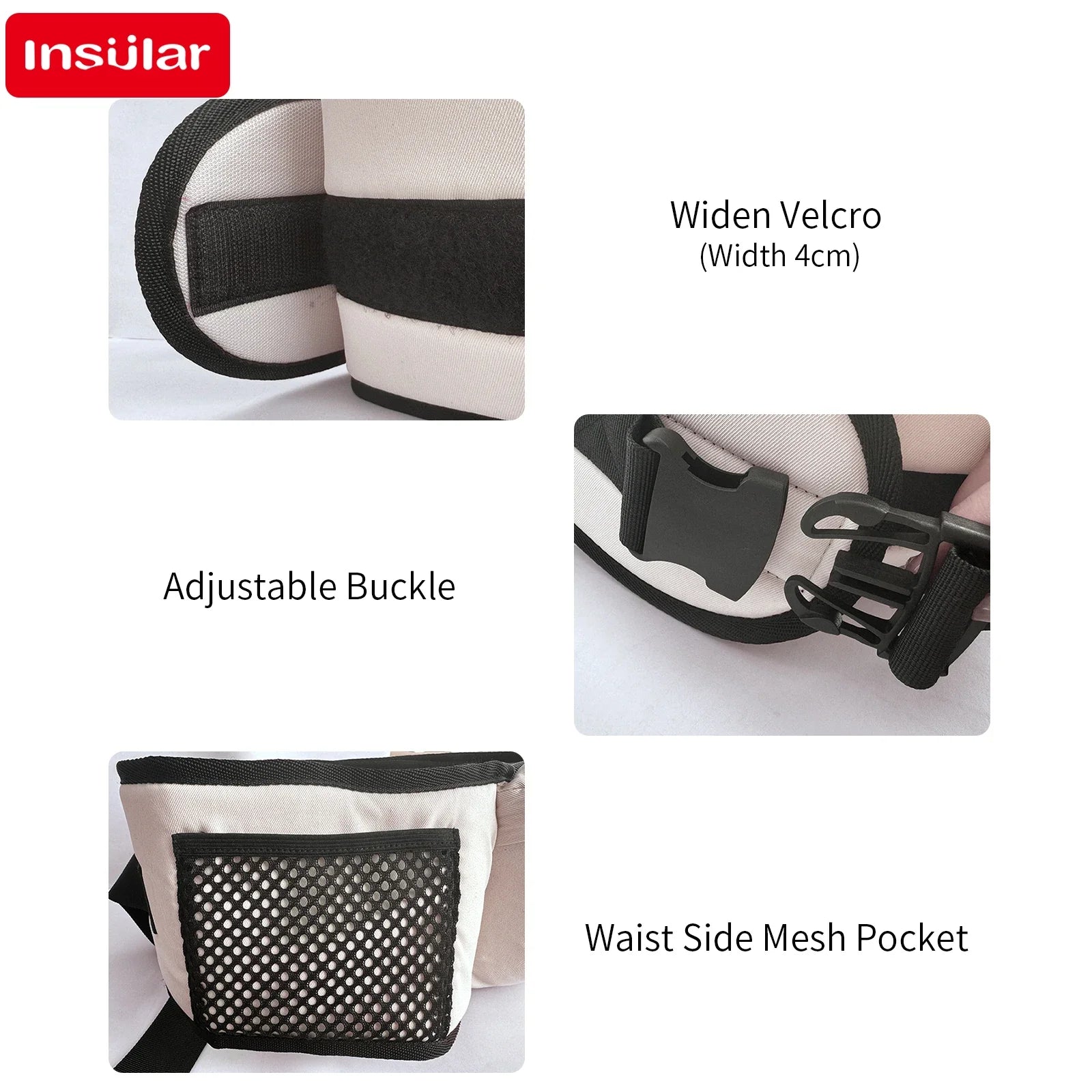
Shoulder strain baby carrier support design helps when arms tired when raised — 💡 See it in action
Why shoulders hurt when carrying a baby
Shoulder pain doesn’t mean you’re doing something wrong. Most traditional carriers place your baby’s full weight on a narrow strap line across the shoulders.
Over time, this causes muscle fatigue, nerve pressure, and that familiar burning feeling when arms tired when raised.
- Weight pulls downward instead of inward
- Shoulders compensate for lack of core support
- Arms tense to stabilize movement
- Posture collapses forward
How support design reduces shoulder strain
A shoulder strain baby carrier reduces pain by changing how force moves through your body. Instead of hanging weight, it spreads load across hips, waist, and core.
This design allows shoulders to guide movement, not hold weight.
- Wide waist support absorbs downward force
- Structured seat stabilizes baby position
- Balanced center of gravity improves posture
- Less arm tension during daily tasks
What an infant hip seat actually does
An infant hip seat creates a stable base for your baby to sit on, reducing the need for constant arm lifting. When designed well, it transfers weight to the hips instead of shoulders.
This allows parents to carry longer with less fatigue.
Key benefits parents notice
- Less shoulder compression
- Reduced lower back tension
- Improved balance while walking
- Fewer breaks needed during outings
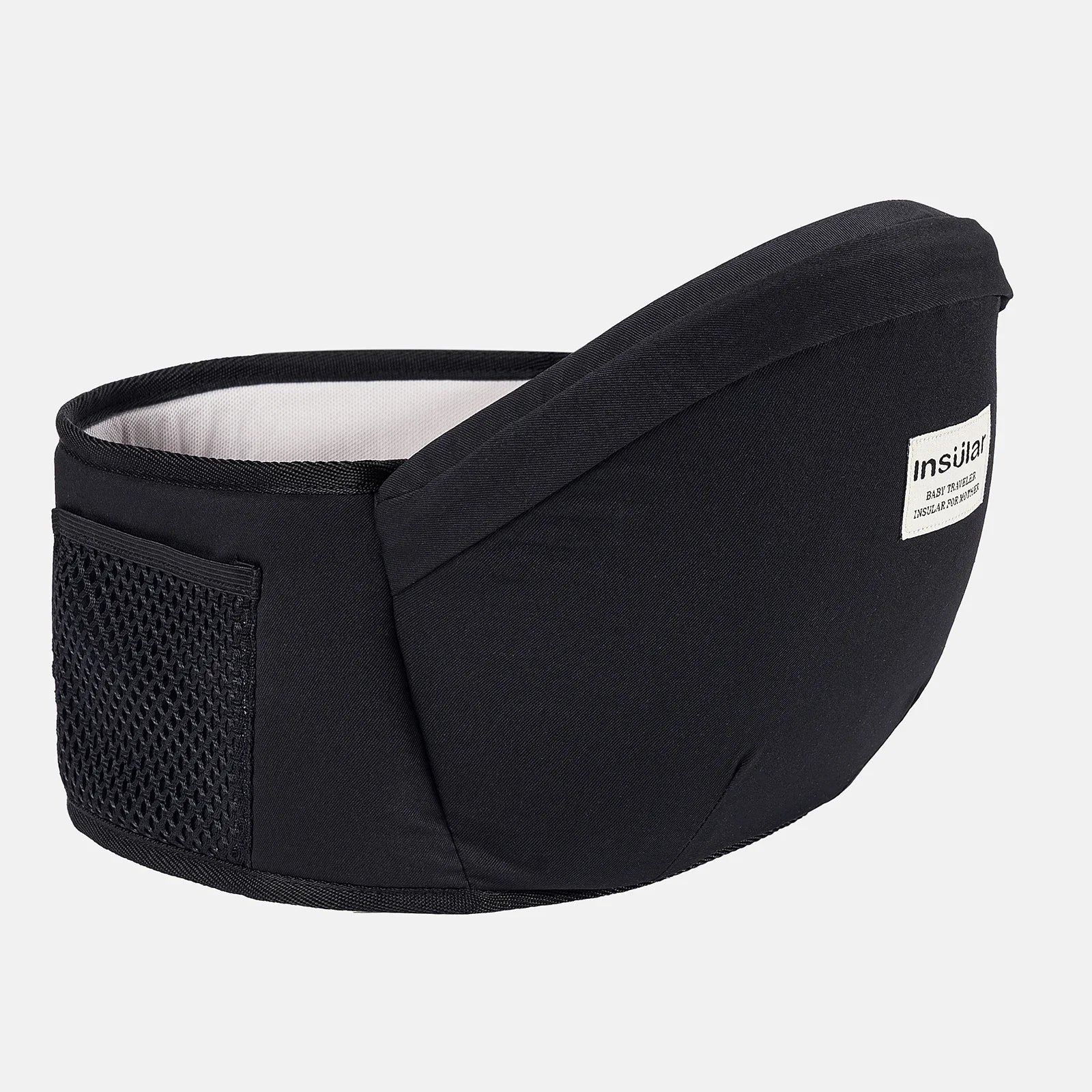
Infant hip seat design reduces shoulder strain baby carrier fatigue — 💡 See it in action
Hip seat carrier disadvantages to know
Not all hip seat designs are equal. Some hip seat carrier disadvantages can actually increase discomfort if support is incomplete.
| Design Issue | Result |
|---|---|
| Hard, narrow seat | Hip pressure points |
| No waist padding | Lower back strain |
| Poor strap balance | Shoulders still overworked |
| Unstable base | More arm gripping |
Why this support design works better than alternatives
Compared to sling-only or strap-only carriers, a structured shoulder strain baby carrier with waist support offers measurable comfort gains.
Parents report less shoulder pain after 30 minutes and improved posture during daily routines.
- More even weight distribution
- Reduced arm fatigue
- Better baby stability
- Comfort during longer wear times
Explore related comfort-focused options in Mom Essentials or supportive daily tools in Baby Care Essentials.
Real parent results and experiences
Many parents notice a difference within the first week of switching to a better support design.
- “My shoulders stopped burning after grocery runs.”
- “I don’t dread carrying anymore.”
- “My arms aren’t tired when raised for simple tasks.”
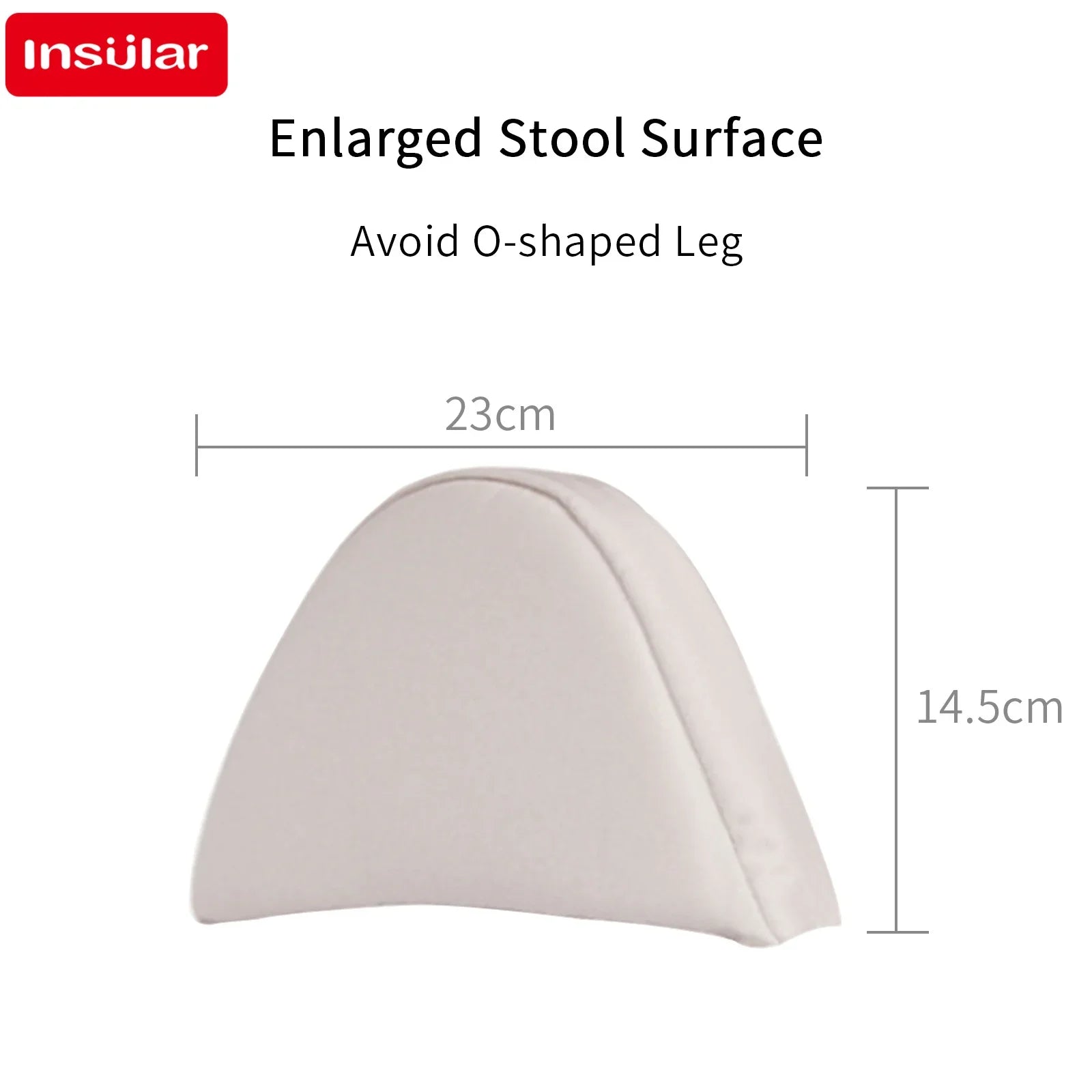
Shoulder strain baby carrier comfort for daily parenting — 💡 See it in action
How to choose the right support carrier
- Check for wide, padded waist support
- Look for a stable infant hip seat base
- Ensure adjustable straps for balance
- Test posture alignment while standing
Many parents pair supportive carriers with recovery tools from Massage & Relaxation to ease muscle tension.
Quick questions parents ask
Is shoulder pain normal when babywearing?
Occasional fatigue is common, but persistent pain usually signals poor weight distribution or lack of support.
Can a hip seat replace shoulder straps?
No. A balanced combination of hip support and straps works best for comfort and safety.
How long can I wear a support carrier?
With proper design, many parents comfortably wear carriers for extended daily activities.
Related Guide: Parent Posture Support Carrier Features That Reduce Daily Fatigue





