

Side and Back Sleeping Pillow Review: Find Your Perfect Position
Does a side and back sleeping pillow really work?
A side and back sleeping pillow works by balancing loft and contour so your head and neck stay aligned as you switch positions. The right side and back sleeping pillow reduces pressure at the shoulders, supports the neck curve, and promotes perfect spine alignment through the night, helping many sleepers wake with less stiffness.
Side and Back Sleeping Pillow Review: Find Your Perfect Position
⏱ 7 min read
Side and back sleeping pillow buyers often struggle to find one pillow that truly supports both positions without neck pain or pressure points. This in-depth review explores how a well-designed pillow side and back sleeper option adapts to changing sleep habits, supports sleeping positions for spinal alignment, and helps maintain perfect spine alignment all night.
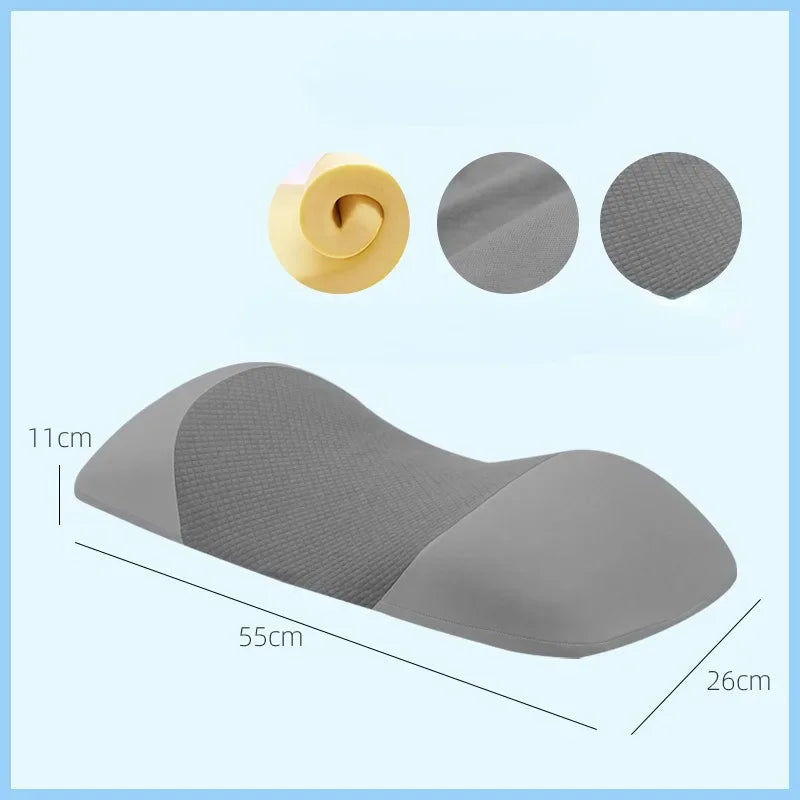
A side and back sleeping pillow designed for pillow side and back sleeper comfort — 💡 See it in action
Why One Pillow Rarely Fits Both Positions
Switching between side and back sounds harmless, yet it challenges most pillows. Side sleeping needs higher loft to fill the shoulder gap, while back sleeping needs gentler neck support. Many pillows excel at one but fail the other, leading to neck strain or uneven spinal curves.
Parents and caregivers often notice this problem first. After long days of lifting, feeding, or soothing, poor sleep posture can amplify aches. Finding one adaptable pillow can simplify nightly routines and support recovery.
What Matters Most for Side & Back Sleepers
- Adaptive loft: Compresses for back sleeping, supports height for side sleeping.
- Neck contour: Maintains natural curve without pushing the head forward.
- Pressure relief: Reduces shoulder and ear pressure points.
- Material response: Foam or fill that rebounds smoothly when you move.
These features directly influence sleeping positions for spinal alignment and help maintain perfect spine alignment throughout the night.
What is the best side and back sleeping pillow?
A quality side and back sleeping pillow balances medium-firm support with responsive contouring so it adjusts as you change positions. The best designs keep the neck neutral when on your back and fill shoulder space on your side, reducing morning stiffness while supporting perfect spine alignment.
Why adaptable design matters
Sleep isn’t static. Turning over should not mean sacrificing alignment. An adaptable pillow supports smooth transitions, which many users report improves sleep depth and reduces wake-ups.
Side-by-Side Comparison
| Feature | Standard Pillow | Side & Back Sleeping Pillow |
|---|---|---|
| Loft adjustment | Fixed height | Adapts to movement |
| Neck support | Often flat or overfilled | Contoured for alignment |
| Side sleeping comfort | Shoulder pressure common | Shoulder gap supported |
| Back sleeping comfort | May push head forward | Neutral neck position |
For households focused on rest and recovery, pairing a supportive pillow with calming bedtime routines can make a difference. Many families explore comfort solutions from the Sleep & Comfort collection to build a consistent wind-down environment.
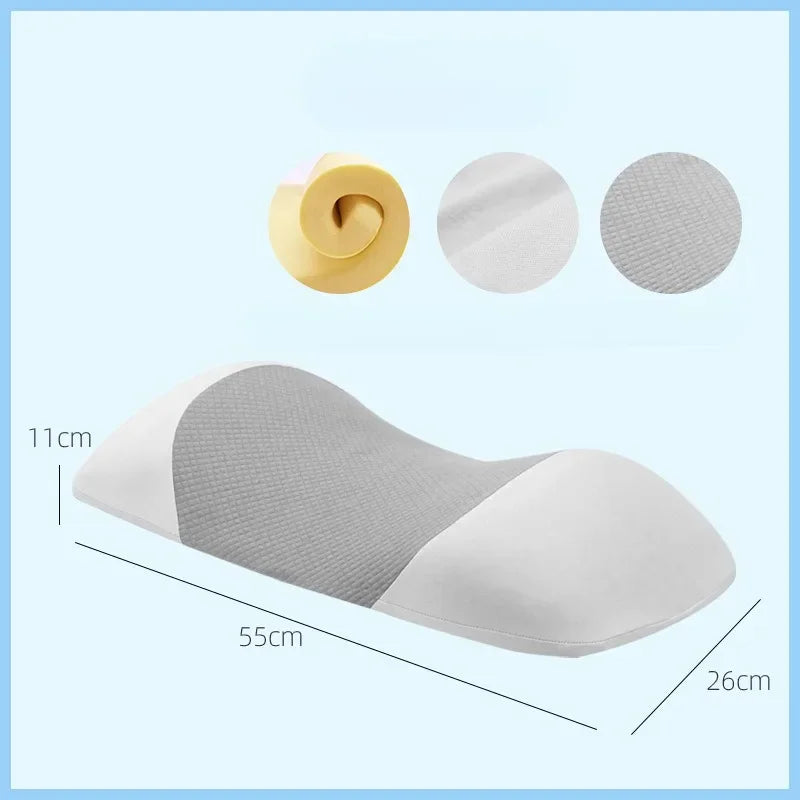
How a pillow side and back sleeper adapts during movement — 💡 See it in action
Real-Life Use: Night-to-Morning Comfort
Many users describe falling asleep on their side, shifting to their back by morning, and waking without neck tightness. This consistency matters, especially for parents who need restorative sleep between early wake-ups.
One common review theme: reduced tossing and fewer pillow adjustments. Less movement often means deeper rest and easier mornings.
Material feel and temperature
Breathable covers and responsive cores help regulate heat. This is helpful for sleepers who run warm or share a bed, keeping comfort steady through the night.
Who This Pillow Is Best For
- Side sleepers who occasionally roll onto their back
- Back sleepers needing extra neck contour
- People seeking sleeping positions for spinal alignment
- Those managing mild neck or shoulder discomfort
For added relaxation, some sleepers combine supportive pillows with gentle evening routines or massage tools from the Massage & Relaxation collection.
Pros & Cons at a Glance
- ✅ Supports multiple positions without constant fluffing
- ✅ Promotes perfect spine alignment
- ✅ Reduces pressure at neck and shoulders
- ❌ May feel firmer than traditional pillows initially
If you’re exploring supportive options beyond pillows, wellness-focused solutions in the Beauty & Wellness collection can complement healthy sleep habits.
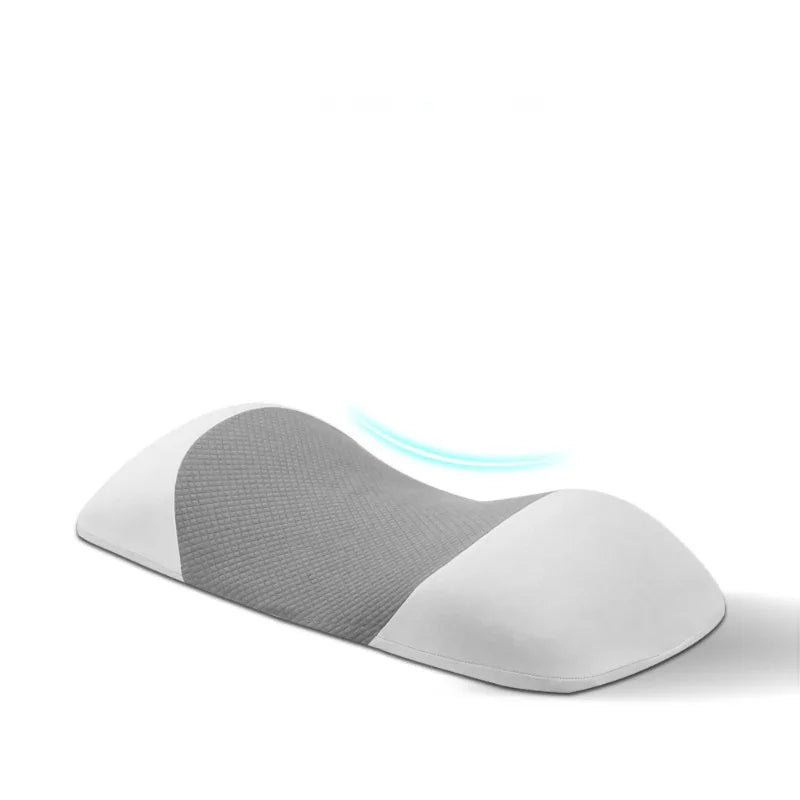
Designed for side and back sleeping pillow comfort and spinal alignment — 💡 See it in action
Where to Find a Supportive Option
Those interested in a pillow designed for alignment-focused sleep can explore this supportive sleeping pillow, often chosen by people seeking consistent comfort across positions.
Frequently Asked Questions
Can one pillow really support both side and back sleeping?
Yes, if it uses adaptive loft and contouring. These features help the pillow respond to different angles and maintain neck alignment as you move.
How long does it take to adjust to a new pillow?
Most sleepers adjust within a few nights. Initial firmness often softens slightly as the materials respond to body heat and movement.
Is this suitable for people with neck pain?
Many users report reduced morning stiffness, but comfort is individual. A pillow that supports sleeping positions for spinal alignment can help minimize strain.
Related Guide: Ergonomic Lumbar Support Pillow Reviews: Find the Best Fit for You





