

How Do I Keep My Skin Hydrated All Day in a Dry Office?
How do I keep my skin hydrated all day in a dry office with air conditioning?
To keep skin hydrated all day in a dry office with air conditioning, focus on protecting your skin barrier before work, adding lightweight hydration during the day, and reducing moisture loss from your environment. A simple routine with gentle cleansing, hydrating ingredients, barrier moisturizer, sunscreen, and occasional facial misting can help prevent the tight, flaky feeling caused by dry office air.
Skin Dryness Indoor Air Solutions for Office and Home
⏱ 6 min read · Skin dryness indoor air problems are common in modern workplaces and homes where air conditioning runs for hours. If your skin feels tight, rough, or irritated even after applying moisturizer, the problem may not be your skincare routine alone. Low indoor humidity can weaken your skin barrier and increase moisture loss throughout the day. Learn how to protect your skin from dry air with practical habits, ingredients, and environment changes.
Many people notice their skin feels comfortable outdoors but becomes dry after several hours inside an air-conditioned office or bedroom. This happens because indoor air conditions directly affect how much moisture your skin retains. Understanding the connection between dry air and skin hydration makes it easier to build a routine that works long term.
Skin dryness indoor air problems often appear after hours in air-conditioned spaces
How do I keep my skin hydrated all day in a dry office with air conditioning?
The best way to keep skin hydrated all day in a dry office with air conditioning is to combine barrier protection, regular hydration, and workplace adjustments. A good routine does not require constant product application. Instead, it helps your skin hold onto moisture longer.
- Start with a gentle morning cleanse instead of harsh washing
- Apply hydrating ingredients before moisturizer
- Use a barrier-supporting moisturizer to reduce moisture loss
- Refresh skin during long AC exposure with a lightweight mist
- Avoid habits that strip natural oils from your skin
One common mistake is relying only on heavier creams after dryness appears. By then, your skin may already be losing water faster than it can recover. Consistent protection throughout the day works better than trying to repair dryness at night.
Why does air conditioning make your skin dry?
Air conditioning makes your skin dry because it lowers indoor humidity, causing more water to evaporate from your skin surface. Dry air causes dry skin by increasing moisture loss and making it harder for your natural skin barrier to maintain hydration.
How low humidity increases transepidermal water loss (TEWL)
Your skin constantly loses small amounts of water through a process called transepidermal water loss (TEWL). When humidity levels drop, especially in offices with continuous air conditioning, this water loss increases. The result is often tightness, rough texture, and visible dryness.
How a weakened skin barrier leads to irritation
A healthy skin barrier acts like a protective shield that keeps moisture inside and blocks environmental stressors. When dry indoor air weakens this barrier, skin can become more sensitive and reactive. This explains why dry office air skin care requires more than simply adding water—it also requires protecting the barrier.
- Reduced humidity increases moisture evaporation
- Cold air conditioning can reduce skin comfort
- Long exposure to vents may worsen dryness in specific areas
- Barrier damage can make products feel less effective
Families also notice these effects at home, especially overnight when air conditioners run continuously. Many households already focus on healthier environments through tools from Health & Safety collections, and maintaining comfortable indoor conditions can also support skin comfort.
Signs your skin barrier is becoming dehydrated
Skin dehydration caused by indoor air is not always obvious at first. Your skin may look normal but still feel uncomfortable because it is losing moisture faster than it can replace it.
- Tightness: Skin feels stretched after washing or spending hours indoors.
- Flaking: Small dry patches appear around the cheeks, nose, or forehead.
- Redness: The skin reacts more easily to products or temperature changes.
- Sensitivity: Normal skincare products may suddenly feel uncomfortable.
Recognizing these signs early helps you adjust your dry office skin care routine before discomfort becomes more severe.
Morning skincare routine before entering the office
A strong morning routine helps your skin handle several hours of air conditioning. The goal is to add hydration, strengthen your barrier, and reduce moisture loss before you enter a dry environment.
- Cleanse gently – Avoid aggressive cleansers that remove natural oils needed for protection.
- Apply a hydrating serum – Humectants help attract and hold water in the skin.
- Use a barrier moisturizer – A moisturizer helps seal hydration and reduce water loss.
- Finish with sunscreen – Daily UV protection remains important even when working indoors near windows.
This approach helps answer how to prevent dry skin in office environments: prepare your skin before the dryness begins instead of waiting until irritation appears.
Desk-friendly hydration routine during the workday
Skin hydration in an air conditioned office depends on small habits repeated throughout the day. A few minutes of care during work hours can make a noticeable difference.
When to reapply moisturizer
Most people do not need frequent full skincare routines at their desk. Reapply moisturizer when your skin starts feeling tight, especially after hand washing or several hours of AC exposure.
How facial mists fit into your routine
A facial mist provides quick surface hydration when your skin feels uncomfortable. It works best when followed by moisturizer if your skin needs longer-lasting protection.
Simple habits that reduce moisture loss
- Keep lip balm nearby for dry office air
- Avoid placing your face directly under an air vent
- Take short breaks away from constant airflow
- Keep your workspace comfortable instead of overly cold
Best skincare ingredients for dry office air
The best air conditioning dry skin solutions usually combine ingredients that attract water, repair the barrier, and prevent moisture from escaping.
Ceramides
Ceramides support the skin barrier by helping maintain its protective structure. They are especially useful when dryness is linked to irritation or sensitivity.
Glycerin
Glycerin is a humectant that attracts water to the skin, making it a popular ingredient for indoor air dry skin remedies.
Hyaluronic acid
Hyaluronic acid helps bind moisture to the skin surface. It works best when paired with a moisturizer that prevents water loss.
Squalane and petrolatum
These ingredients help create a protective layer that reduces moisture evaporation. They are useful when your skin feels especially dry after long hours indoors.
Ingredients and habits that can make dryness worse
Some skincare choices can accidentally increase dryness, especially in air-conditioned environments.
- Over-cleansing the face throughout the day
- Using harsh exfoliants too frequently
- Washing with very hot water
- Using high-alcohol products that may feel drying
For dry office air skin care, consistency and barrier protection usually work better than aggressive treatments.
Office environment changes that help prevent dry skin
Your workspace can influence how much moisture your skin loses. Small environmental adjustments may improve comfort throughout the workday.
Humidifier placement
A desk humidifier can help increase moisture around your immediate workspace. Position it where airflow reaches you, but keep it clean and maintained to avoid unwanted buildup.
Desk location and airflow
- Avoid sitting directly beneath strong vents
- Move your chair away from constant cold airflow when possible
- Use portable comfort solutions when workplace settings cannot be changed
These hydration tips for dry environments work best alongside a consistent skincare routine.
Hydration habits beyond skincare
Healthy skin depends on more than topical products. Daily habits also influence how comfortable your skin feels in dry indoor environments.
- Drink enough water based on your body's needs
- Include healthy fats and omega-3 foods in your diet
- Prioritize quality sleep for skin recovery
- Manage stress levels that can affect skin condition
These habits support your efforts to keep skin hydrated all day, especially when combined with protective skincare.
Dry office skincare advice by skin type
Dry skin
Focus on richer moisturizers, barrier-supporting ingredients, and fewer cleansing steps. Reapply hydration when tightness appears.
Oily skin
Oily skin can still become dehydrated in a dry office. Choose lightweight hydrating products that add moisture without feeling heavy.
Combination skin
Balance hydration by applying richer products only where dryness appears and lighter products on oilier areas.
Sensitive skin
Sensitive skin often benefits from simple formulas with fewer potential irritants and ingredients that support the barrier.
Hydration sprays: when they help and when moisturizer works better
Hydration sprays can be useful for quick comfort when air conditioning causes tightness during the day. However, a mist alone does not replace moisturizer because water on the skin surface can evaporate without barrier protection.
The best approach is to use a facial mist as part of a complete routine:
- Use a fine mist when skin feels uncomfortable during work
- Layer moisturizer afterward when longer-lasting hydration is needed
- Choose portable options that fit your daily schedule
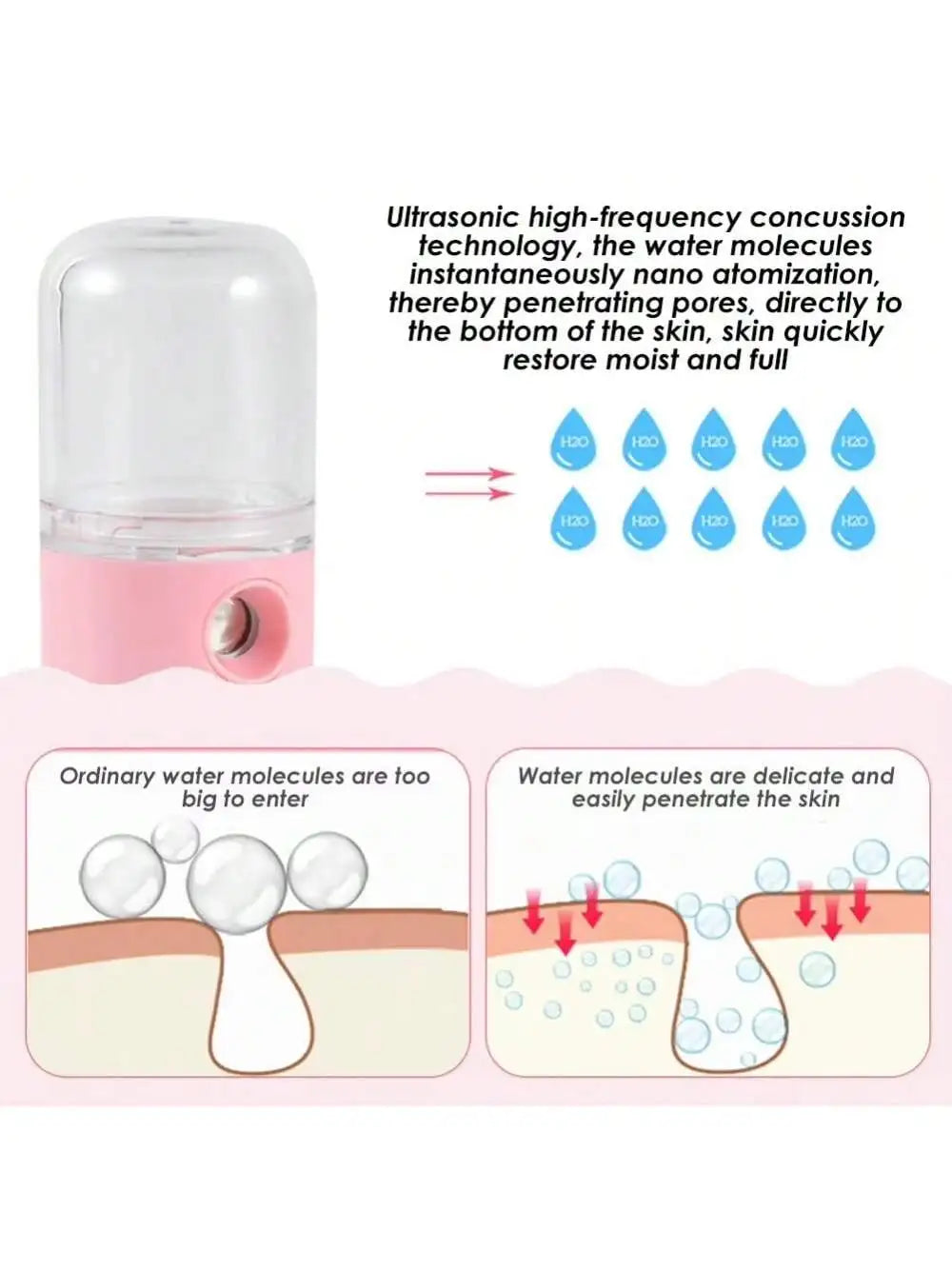
A compact option like the USB Mist Facial Sprayer can fit easily into office and home routines:
- Quick refresh during long AC exposure
- Fine mist application without disrupting makeup
- Portable design for desks, bags, and bedside use
- Simple hydration support during busy days
When persistent dry skin needs medical attention
Dry air causes dry skin for many people, but ongoing symptoms may require professional advice. Consider speaking with a dermatologist if you experience:
- Persistent cracking or painful skin
- Severe redness or inflammation
- Signs of eczema or recurring flare-ups
- Dryness that does not improve with proper skincare
Underlying skin conditions may need specific treatment beyond environmental changes.
Quick Answers: Skin & Indoor Air
Does drinking more water keep skin hydrated all day in an air-conditioned office?
Drinking enough water supports overall health, but it does not directly replace moisture lost from dry indoor air. Skin hydration also depends on barrier protection and topical skincare.
How often should I reapply moisturizer during work?
Reapply when your skin feels tight or uncomfortable. Many people find once during the workday is enough, depending on their skin type and office humidity.
Is a facial mist enough to prevent dry skin from air conditioning?
No. A facial mist provides quick hydration, but moisturizer is usually needed afterward to help prevent moisture loss.
Which ingredients are best for skin hydration in an air-conditioned office?
Ceramides, glycerin, hyaluronic acid, squalane, and petrolatum are commonly used ingredients that support hydration and barrier protection.
Can oily skin become dehydrated in a dry office?
Yes. Oily skin can still lose water in low-humidity environments and may need lightweight hydration support.
Should I wear sunscreen indoors at the office?
If you sit near windows or receive regular daylight exposure, sunscreen can help protect your skin from UV damage.
Will a desk humidifier help prevent dry skin?
A desk humidifier may improve comfort by increasing local humidity, especially when indoor air is consistently dry.
When should I see a dermatologist for persistent dry skin?
Seek professional advice if dryness includes cracking, irritation, eczema-like symptoms, or does not improve with consistent skincare changes.
Related Guide: Dehydrated Dry Skin Care for Real Life Situations





