

Spine Alignment Sleep Support Features That Actually Reduce Pain
Does spine alignment sleep support really reduce nightly pain?
Spine alignment sleep support works by keeping your head, shoulders, hips, and legs in a neutral line while you rest. By improving spine alignment sleep through better sleep ergonomics and an ergonomic sleep position, pressure points ease, muscles relax, and nighttime pain is reduced, helping you wake up feeling more restored.
Spine Alignment Sleep Support Features That Actually Reduce Pain
Spine alignment sleep support can be the missing link between restless nights and pain-free mornings, especially for adults juggling work, caregiving, and recovery time. When your spine stays neutral during sleep, your body heals instead of compensates. The right sleep ergonomics, combined with simple positioning tools, can dramatically change how you feel when you wake up.
⏱ 7 min read
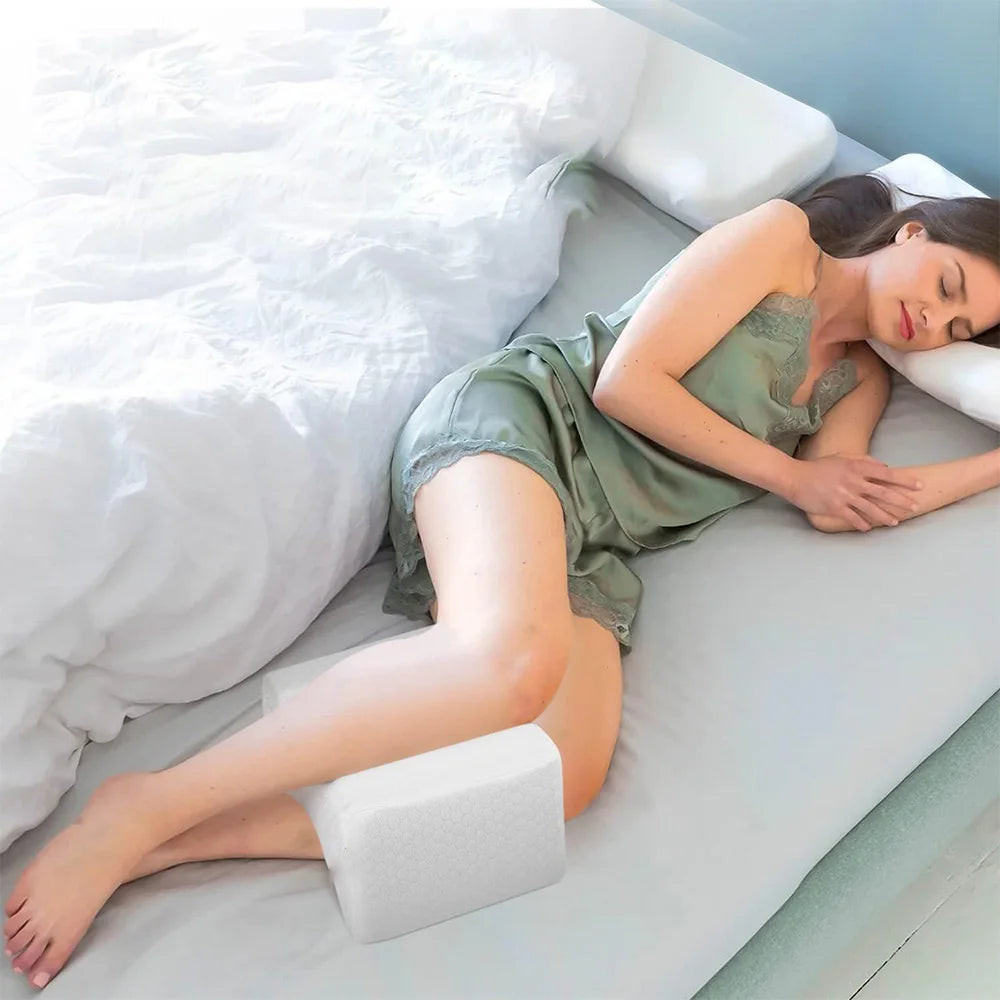
Spine alignment sleep support improves sleep ergonomics and comfort 💡 See it in action
Why Proper Spine Alignment Matters at Night
Many adults focus on posture during the day but overlook what happens during eight hours of rest. Poor spine alignment sleep habits can strain muscles, compress joints, and inflame nerves. Over time, this leads to stiffness, lower back pain, hip discomfort, and restless sleep.
For parents and caregivers especially, nighttime is when the body needs to recover. If your sleep posture works against your spine, pain builds silently. That’s why investing in better sleep ergonomics is not about luxury, but long-term wellness.
How Does Spine Alignment Sleep Support Work?
Spine alignment sleep support keeps the spine neutral by filling gaps between joints and preventing unnatural twisting. By supporting knees, hips, and the lower back, the body maintains an ergonomic sleep position that reduces muscular tension and joint pressure throughout the night.
- Encourages even weight distribution
- Reduces strain on lower back and hips
- Prevents leg rotation that pulls the spine out of line
- Supports natural curves of the spine
This approach is especially helpful for side sleepers, back sleepers, and anyone dealing with recurring discomfort.
Key Features That Actually Reduce Pain
Targeted Knee and Leg Support for Side Sleepers
Side sleeping is common, but without proper support, it often leads to hip rotation. A side sleeper pillow between knees helps maintain equal hip height, preventing spinal twisting. This simple feature can dramatically improve spine alignment sleep quality.
Memory Foam That Adapts, Not Pushes Back
High-density memory foam responds to body heat and pressure, conforming without collapsing. Unlike traditional pillows, it keeps legs supported all night, maintaining consistent spine alignment sleep support.
Breathable Materials for All-Night Comfort
Overheating disrupts rest. Breathable covers allow airflow, supporting sleep ergonomics by keeping muscles relaxed instead of tense from heat discomfort.
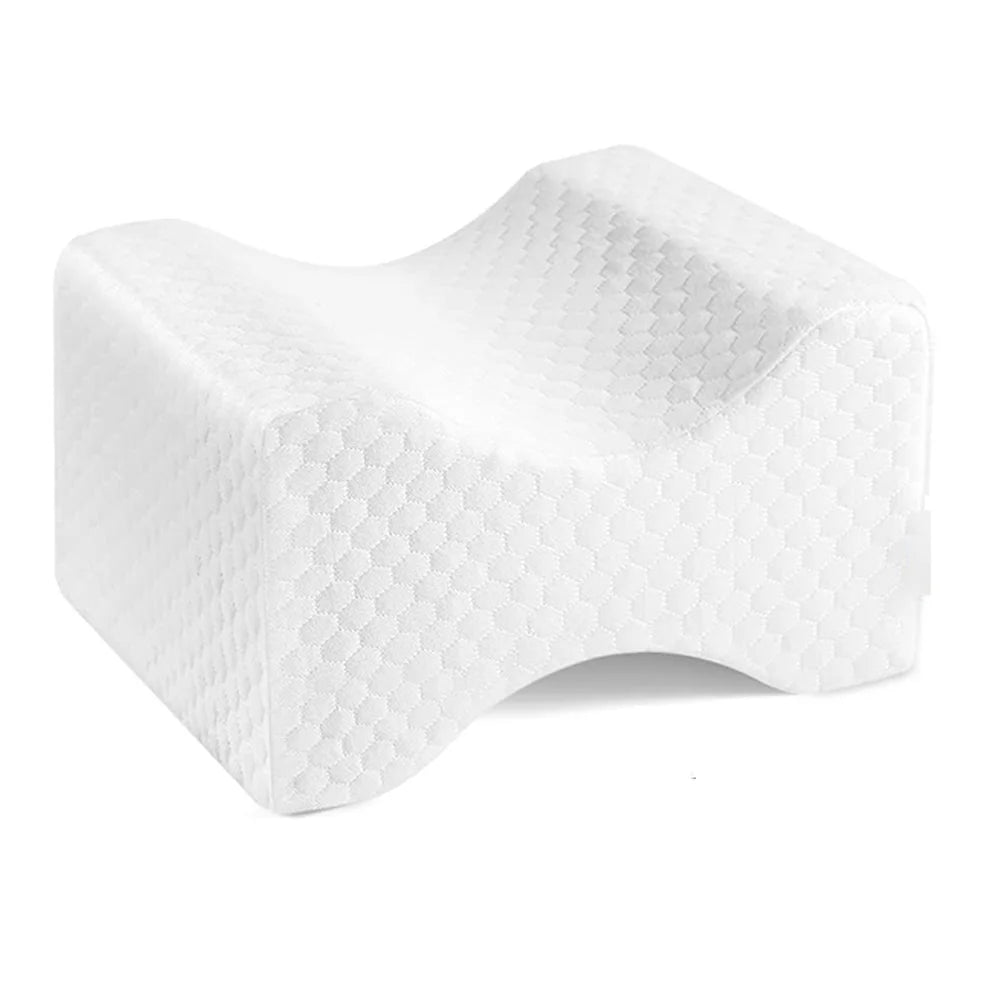
Spine alignment sleep strategies support ergonomic sleep position 💡 See it in action
Optimizing Sleep Positions for Real Relief
Side Sleepers
Using a side sleeper pillow between knees keeps hips aligned and reduces lower back strain. This is one of the most effective spine alignment sleep techniques for pain reduction.
Back Sleepers
Placing support under the knees reduces lumbar arching, helping maintain neutral spine alignment sleep support.
Combination Sleepers
Flexible memory foam adapts as you move, maintaining support without forcing a single position.
Many shoppers explore solutions within Sleep & Comfort collections to build a complete nighttime setup that supports recovery and relaxation.
What Makes These Features Better Than Alternatives?
| Feature | Spine Alignment Support | Standard Pillows |
|---|---|---|
| Hip Alignment | Maintains neutral position | Often collapses |
| Pressure Relief | Even distribution | Uneven support |
| Overnight Stability | Holds shape | Shifts during sleep |
Compared to stacked pillows or improvised solutions, purpose-built support delivers consistent results night after night.
Real Results and Nighttime Pain Reduction
Many users report waking with less stiffness within the first week. Reduced hip tension, improved sleep posture support, and deeper rest are common outcomes. Over time, better spine alignment sleep habits support long-term back pain relief sleep.
Parents balancing wellness often pair recovery tools with relaxation aids from Massage & Relaxation collections to enhance nightly routines.
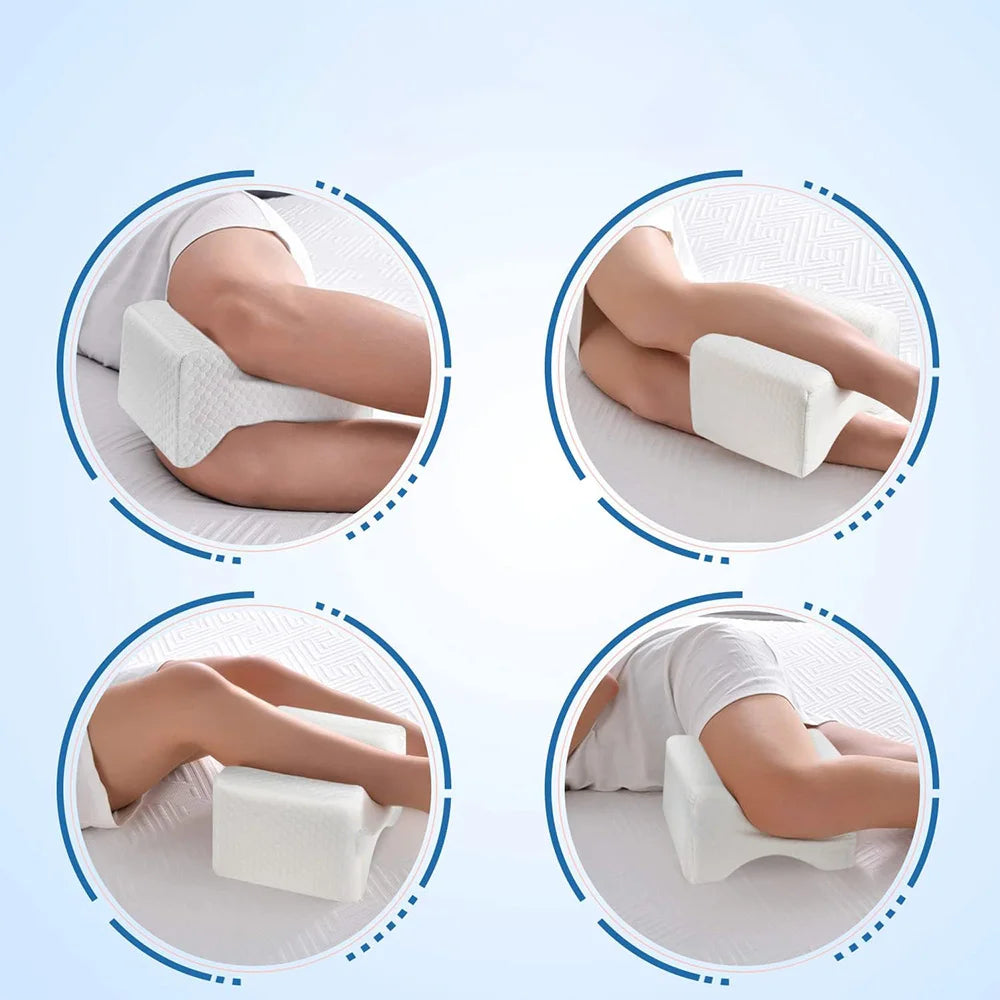
Spine alignment sleep support for back pain relief sleep 💡 See it in action
For those ready to improve sleep posture support, explore the memory foam leg pillow designed to deliver consistent spine alignment sleep support.
Mini FAQ
Can spine alignment sleep support help with lower back pain?
Yes. By keeping hips and legs properly positioned, spine alignment sleep support reduces pressure on the lumbar spine and supports muscle relaxation throughout the night.
Is a side sleeper pillow between knees really necessary?
For side sleepers, placing support between knees prevents hip rotation, which is a major cause of nighttime back and hip pain.
How long does it take to notice results?
Many people feel reduced stiffness within days, while long-term benefits improve as consistent sleep ergonomics are maintained.





