

Staying Warm in Bed for Every Sleeper Type
Does staying warm in bed really improve sleep quality?
Staying warm in bed helps your body relax, reduces night wakings, and supports deeper rest by maintaining stable circulation and muscle comfort. When your sleep environment balances heat without overheating, consistent warmth sleep comfort becomes easier to achieve, even when sleeping in a cold room.
Staying Warm in Bed for Every Sleeper Type
⏱ 7 min read
Staying warm in bed isn’t just about piling on blankets—it’s the foundation of better rest, calmer nights, and waking up refreshed. For parents, caregivers, and wellness-focused sleepers, temperature issues can quietly disrupt sleep quality. From cold toes at midnight to overheating at 3 a.m., the right balance makes all the difference.
Which sleep setup actually keeps you comfortable all night? If you’ve ever adjusted blankets while trying not to wake a partner—or checked on a baby’s room temperature—you’re not alone.
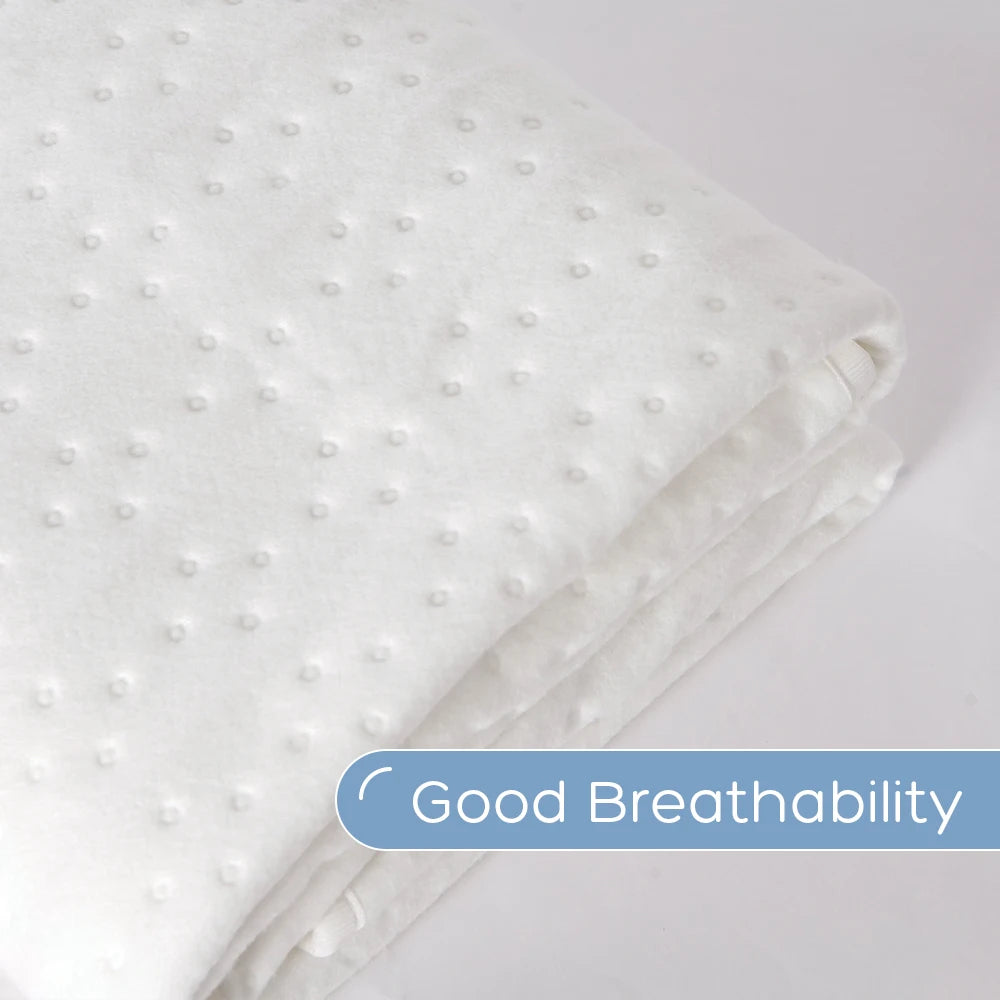
Staying warm in bed starts with consistent warmth sleep comfort — 💡 See it in action
Why Staying Warm in Bed Matters for Better Rest
Staying warm in bed supports muscle relaxation, steady circulation, and a calmer nervous system. When your body doesn’t fight temperature drops, it can move naturally through deeper sleep stages, leading to more restorative nights.
- Fewer wake-ups caused by cold extremities
- Improved comfort for sensitive sleepers
- Better overall sleep consistency
- Less reliance on heavy layering
Warmth Solutions Matched to Every Sleeper Type
Cold Sleepers Who Never Feel Warm Enough
For those who are always chilly, especially during winter or when sleeping in a cold room, targeted warmth helps maintain comfort without excessive bulk. Adjustable heat sources allow you to warm the bed before sleep and taper off naturally.
Light Sleepers Sensitive to Temperature Changes
Sudden chills can trigger wake-ups. Gentle, consistent warmth sleep comfort reduces temperature swings, helping light sleepers stay asleep longer.
Parents Sharing Sleep Spaces
When sharing a bed or room with a baby, safety and stability matter. Products designed for controlled warmth help maintain a calm sleep environment while avoiding overheating.
What Is the Best Room Temperature for Sleeping?
The best room temperature for sleeping typically falls between 60–67°F for adults, but comfort varies. Staying warm in bed allows you to keep the room cooler while still feeling cozy, which many people find ideal for uninterrupted rest.
| Room Condition | Common Issue | Helpful Adjustment |
|---|---|---|
| Too Cold | Frequent waking | Targeted bed warmth |
| Too Warm | Restlessness | Lower room temp + light bedding |
| Balanced | Consistent sleep | Stable heat source |
How Targeted Heat Makes Staying Warm in Bed Easier
Staying warm in bed becomes effortless when warmth is evenly distributed and adjustable. A heated blanket with a timer provides consistent warmth sleep comfort without overheating, adapting to your personal sleep rhythm.
- Pre-warm the bed before sleep
- Adjust heat to your comfort level
- Use automatic shut-off for peace of mind
- Enjoy steady warmth all night
Many parents report fewer bedtime disruptions and more relaxed evenings when incorporating controlled warmth into their routine.
👉 Explore the heated blanket designed for comfort-focused sleepers

Consistent warmth sleep comfort for peaceful nights — 💡 See it in action
Comfort and Safety for Family-Focused Sleep
For households with children, warmth solutions should support comfort without compromising safety. Pairing smart warmth tools with items from Sleep & Comfort helps create a cozy, secure sleep environment everyone can enjoy.
Parents often combine temperature monitoring tools from Temperature Tools with bedding solutions to maintain ideal conditions through the night.
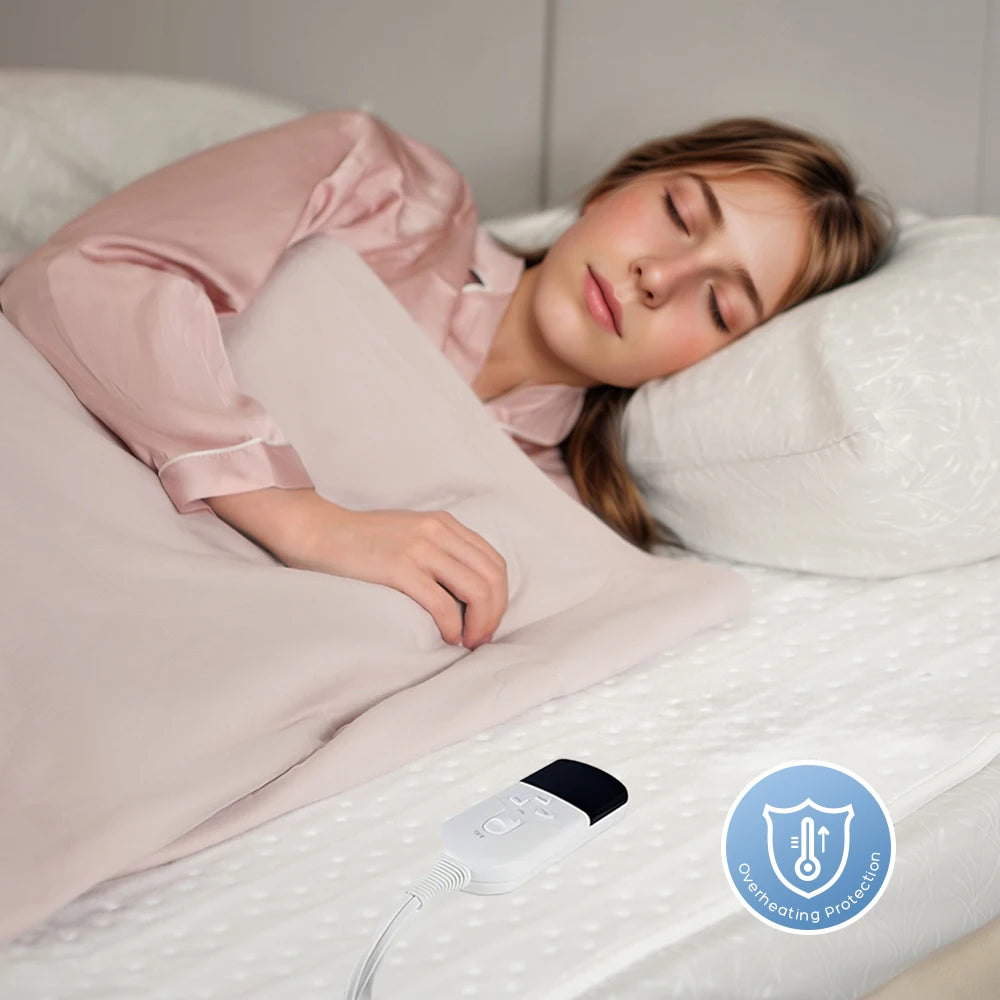
Staying warm in bed without overheating — 💡 See it in action
Frequently Asked Questions
Is sleeping in a cold room bad if I stay warm in bed?
No. Many people sleep better in cooler rooms as long as their body stays warm. Staying warm in bed allows you to enjoy the benefits of a cooler environment without discomfort.
How can I avoid overheating while staying warm?
Use adjustable warmth sources that allow you to control heat levels and duration. This helps maintain comfort without trapping excess heat.
Is consistent warmth helpful for parents with young children?
Yes. Stable temperature conditions support calmer sleep routines and reduce nighttime disturbances for both parents and children.





