

Booster Seat at Restaurants: When Kids Need One & What to Know
Does a toddler booster seat for restaurants really make dining out easier?
A toddler booster seat for restaurants helps families enjoy meals away from home when restaurant seating isn't ideal. Whether a venue has no booster seats, only worn-out options, or chairs that don't fit your child well, bringing a reliable booster can improve comfort, encourage better posture, and reduce spills. For many parents, a lightweight, portable booster seat offers a practical solution for everyday dining and travel.
Toddler Booster Seat for Restaurants: What Works Best
⏱ 6 min read
Dining out with a toddler can feel unpredictable—wobbly chairs, missing booster seats, and a messy dinner table that tests everyone's patience. If you've ever wondered whether restaurants have booster seats that actually work for your child, you're certainly not alone. Choosing the right seating solution can make meals more enjoyable for both parents and little ones.
This guide explains how restaurant booster seats compare with high chairs and portable options, when children are ready to use them, and what safety and hygiene steps every family should follow before sitting down to eat.
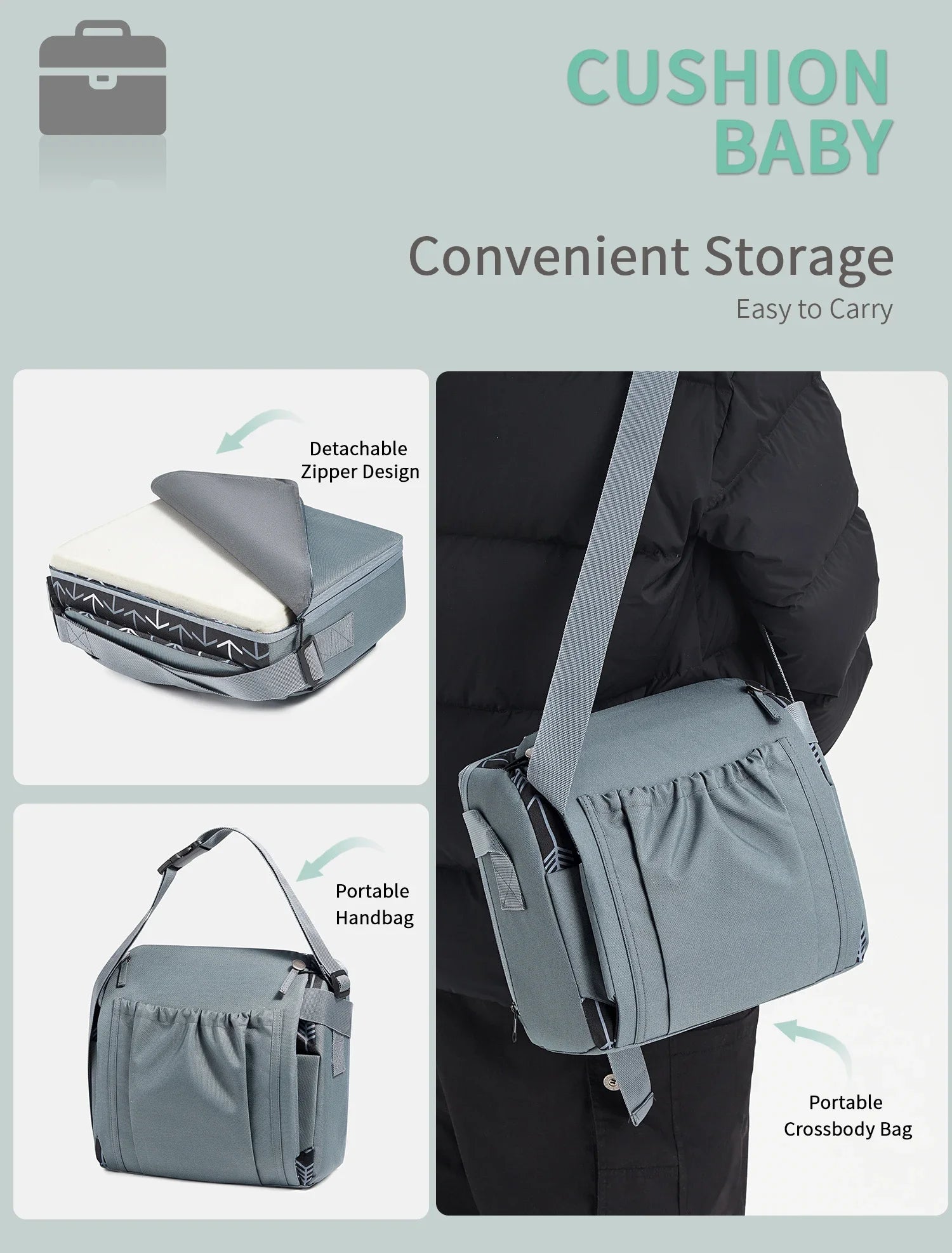
A toddler booster seat for restaurants brings stability and comfort to family mealtimes. See it in action.
What Is a Restaurant Booster Seat?
A restaurant booster seat is a child seat designed to raise toddlers to a comfortable table height while allowing them to sit on a standard dining chair. Unlike a high chair, which has its own frame and tray, a booster seat is placed directly on an adult chair and secured with safety straps.
Restaurant child seating typically falls into three categories:
- Restaurant booster seats: Raised seats designed for toddlers who can sit independently.
- High chairs: Freestanding chairs with built-in safety restraints, often best for younger children.
- Portable booster seats: Compact travel-friendly options that families bring when restaurant seating isn't available or suitable.
Knowing these differences helps set realistic expectations before arriving at a restaurant, especially when traveling or visiting smaller local establishments.
Why a Booster Seat Matters at Restaurants
A booster seat at restaurants does more than simply raise your child higher. Proper positioning helps toddlers reach the table comfortably, promotes better posture during meals, and reduces the chances of slipping or leaning dangerously.
- Positions toddlers at an appropriate dining height
- Supports better balance and posture while eating
- Helps minimize spills, dropped utensils, and tipping plates
- Creates a familiar seating environment that encourages calmer mealtimes
Parents browsing Feeding & Nursing essentials often discover that consistent seating routines support healthier eating habits both at home and while dining out.
Restaurant Booster Seat vs High Chair vs Portable Booster Seat
| Seating Option | Best For | Advantages | Limitations |
|---|---|---|---|
| Restaurant booster seat | Independent toddlers | Simple, raises child to table height, widely accepted | Availability and cleanliness vary |
| High chair | Younger toddlers and babies | Maximum support with built-in restraints | Bulky and not available at every restaurant |
| Portable booster seat | Frequent travelers and families dining out often | Reliable, clean, fits many chair styles | Must be carried and installed by parents |
| Car seat | Transportation only | Useful for vehicle travel | Not recommended as a dining seat because it limits proper eating posture |
For families who regularly visit restaurants, a portable booster often provides the most consistent experience, especially when restaurant-style booster seats are unavailable.
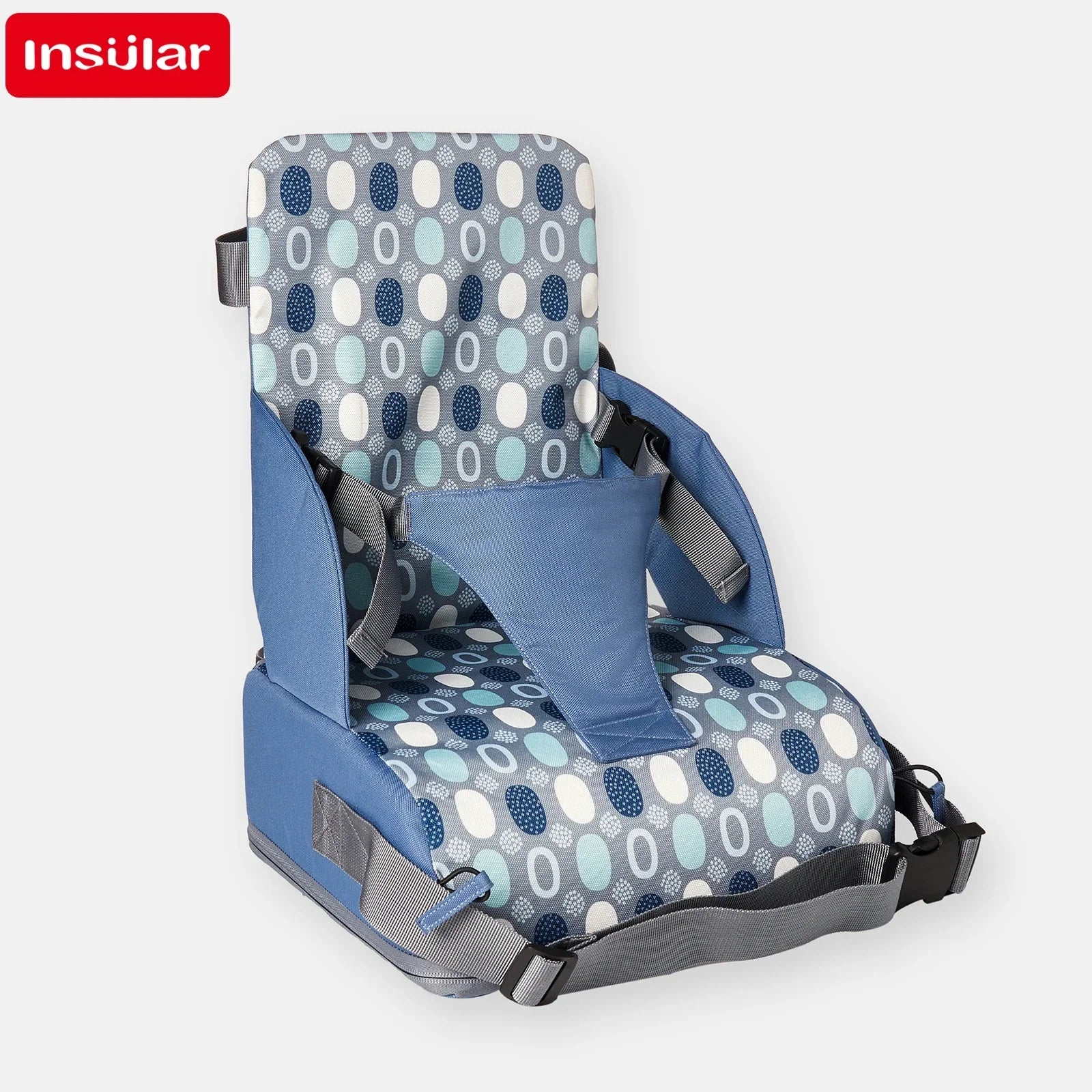
Portable booster seats offer a dependable alternative when restaurant seating falls short. See it in action.
When Is a Child Ready for a Booster Seat at Restaurants?
Most children become ready for a restaurant booster seat between 12 and 18 months of age, provided they can sit upright independently without assistance. Developmental readiness is more important than age alone.
Before switching from a high chair to a booster seat, consider these signs:
- Your child can maintain an upright sitting position throughout a meal.
- They can follow simple safety instructions such as remaining seated.
- Their weight and height fall within the manufacturer's recommended limits.
- Their feet and body remain stable without excessive leaning or climbing.
If your toddler still struggles with balance or frequently attempts to stand during meals, a high chair may remain the safer choice.
Do Restaurants Have Booster Seats You Can Rely On?
Many family-friendly restaurants offer booster seats, but availability isn't guaranteed. Smaller cafés, busy restaurants, or older establishments may have only a few booster seats, while some may not provide any at all.
Even when booster seats are available, parents often encounter common issues:
- Limited inventory during busy dining hours
- Worn straps or older designs
- Booster seats that don't fit every dining chair securely
- Uncertainty about cleaning and maintenance between guests
It's always worth asking restaurant staff whether a booster seat has been cleaned recently and whether it fits the type of chair at your table. Families who prioritize consistency, hygiene, and compatibility often choose to bring their own portable booster instead.
Restaurant Booster Seat Safety Checklist
Whether using a restaurant-provided booster or your own, take a few moments to verify everything is secure before your child sits down.
- Inspect the booster seat for cracks, loose parts, or damaged straps.
- Confirm the chair underneath is sturdy and placed on a level surface.
- Secure all chair attachment straps according to the manufacturer's instructions.
- Position the chair away from busy walkways where servers may pass.
- Keep your child supervised throughout the meal and avoid allowing them to stand on the booster.
Safety-conscious families often browse Health & Safety resources alongside feeding products to build safer daily routines.
Cleanliness and Hygiene Tips Before Using a Restaurant Booster Seat
Restaurant booster seats are shared by many families, so a quick inspection before use is always worthwhile.
- Check the seat for leftover food, sticky surfaces, or damaged padding.
- Use baby-safe sanitizing wipes on areas that contact your child's hands and legs.
- Pay special attention to safety buckles and armrests where food residue may collect.
- Consider carrying a disposable seat cover or compact towel for additional protection during travel.
These simple habits help reduce exposure to dirt while giving parents greater peace of mind during meals.
Portable Booster Seats for Travel and Restaurants
A portable booster seat is an excellent backup whenever restaurants don't provide child seating or when available booster seats don't meet your expectations for cleanliness or stability.
When restaurants do not provide booster seats
Having your own portable seat means you aren't dependent on restaurant inventory. This is especially helpful when visiting smaller restaurants, outdoor cafés, or destinations where child seating is uncommon.
Features to prioritize in a portable booster
- Compact design for easy packing
- Secure chair attachment straps
- Easy-clean surfaces for everyday use
- Lightweight construction without sacrificing stability
If you're looking for a dependable travel option, you can explore the approved portable baby booster seat, designed for everyday dining and family travel.
Booth seating considerations
Booth seating varies between restaurants. Some portable booster seats work well on booth benches if the surface is flat and stable, while others are designed specifically for standard dining chairs. Always follow the manufacturer's recommendations and never use a booster on unstable or uneven seating.
Families pairing portable seating with items from Feeding Tools often find meals away from home easier to manage.
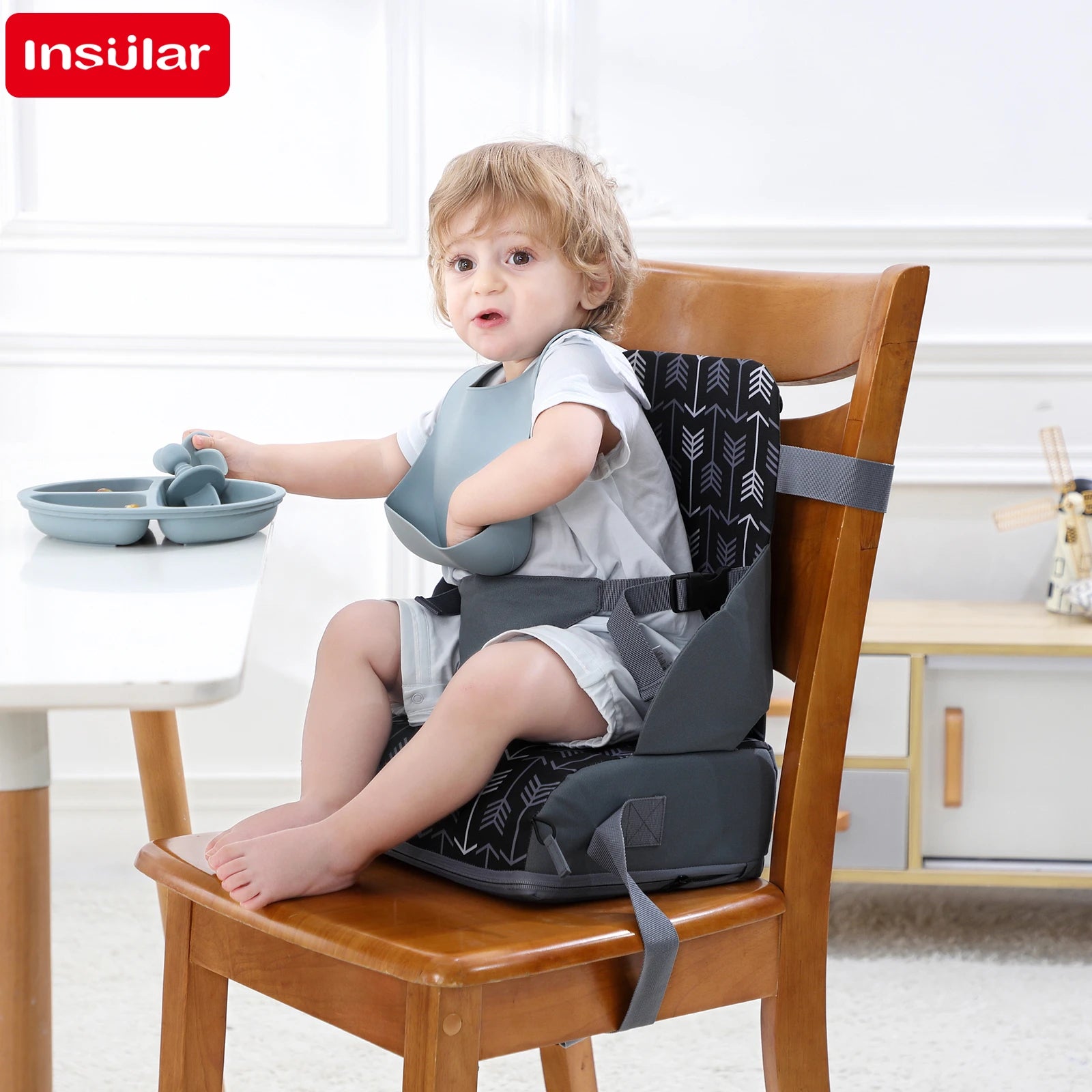
A portable booster seat helps families dine comfortably whether at home, traveling, or visiting restaurants. See it in action.
Frequently Asked Questions
What age can a child use a restaurant booster seat?
Most children are ready between 12 and 18 months once they can sit independently with good trunk control. Always follow the manufacturer's age, weight, and height recommendations.
Can a booster seat be used in a restaurant booth?
Some portable booster seats can be used on booth benches if the seating surface is flat, stable, and approved by the manufacturer. If the bench is slippery or uneven, a standard dining chair is usually the safer choice.
Are restaurant booster seats safe?
Yes, provided they are in good condition, secured correctly, and used with a stable chair. Parents should inspect every booster before use and supervise children throughout the meal.
Should I bring my own portable booster seat?
If your family dines out frequently or travels often, bringing a portable booster provides consistent cleanliness, compatibility, and convenience when restaurants have limited child seating.
How do I clean a restaurant booster seat before use?
Use child-safe disinfecting wipes to clean food-contact surfaces, buckles, and armrests. Wiping the seat before placing your child in it is a quick way to improve hygiene.
Can a child sit in a car seat at a restaurant?
Car seats are designed for vehicle safety rather than feeding. Children generally eat more comfortably and maintain better posture in an appropriate booster seat or high chair instead of remaining in a car seat during meals.
Related Guide: Travel Booster Seat Toddler: Best Options Compared





