

Trouble Sleeping at Night? Lighting Solutions for Every Case
Why does lighting affect trouble sleeping at night?
Trouble sleeping at night is often linked to light exposure that disrupts melatonin, the hormone that signals your body to rest. The right lighting—soft, warm, and well-timed—can calm the nervous system, reduce alertness, and help you fall asleep faster without changing your entire routine.
Trouble Sleeping at Night? Lighting Solutions for Every Case
⏱ 7 min read
If you’re lying awake wondering why your body feels tired but your mind won’t slow down, you’re not alone. Many parents, caregivers, and wellness-focused adults struggle with trouble sleeping at night, especially when evening routines are filled with screens, harsh lights, and constant stimulation. What if one of the simplest fixes was already in your home—just adjusted the right way?
Quick check: Are your lights helping you wind down—or quietly keeping your brain alert?
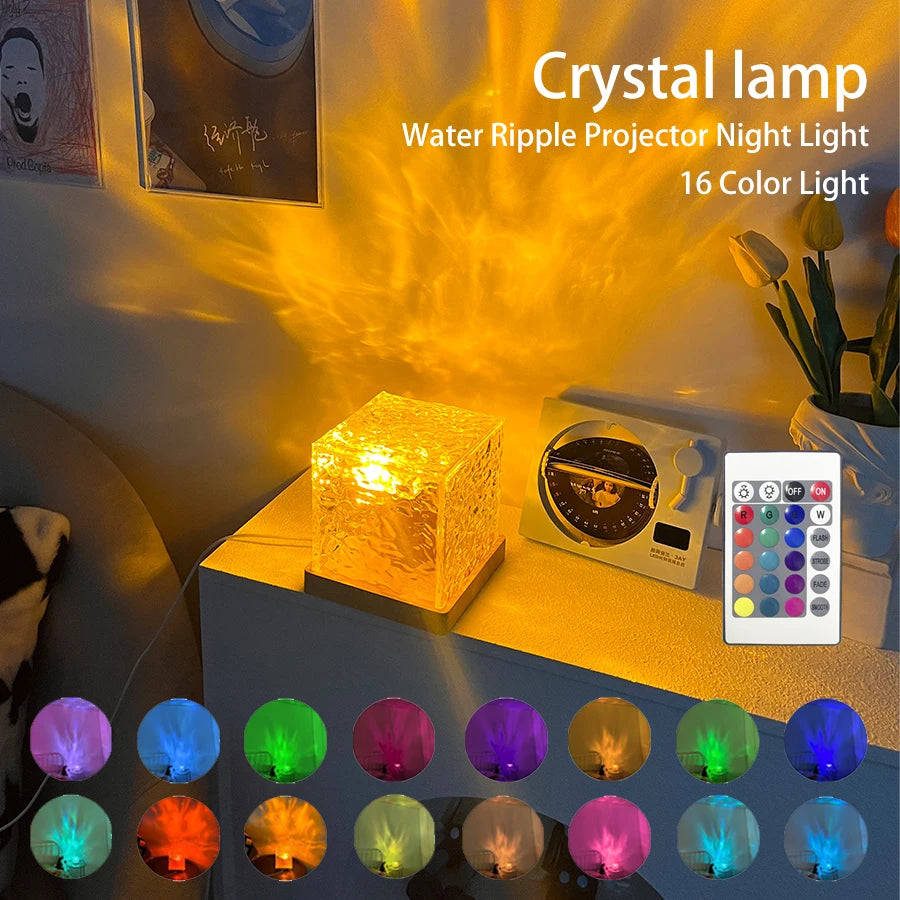
Trouble sleeping at night often improves with softer, stress relief light choices — 💡 See it in action
How Lighting Impacts Sleep More Than You Think
Trouble sleeping at night isn’t always caused by stress or caffeine. Light plays a powerful role in how your brain decides when it’s time to rest. Bright or cool-toned lighting signals daytime alertness, while warm, low lighting supports relaxation.
For parents especially, bedtime doesn’t always mean total darkness. Night feeds, diaper changes, or quick check-ins require some visibility. The key is choosing lighting that supports rest instead of disrupting it.
- Cool white light can delay sleep signals
- Warm, dim light helps the body relax
- Moving light patterns can calm racing thoughts
- Consistent evening lighting builds better sleep habits
Common Lighting Mistakes That Worsen Trouble Sleeping at Night
Many people unknowingly make small lighting choices that add up to restless nights. These habits are especially common in busy households.
- Using overhead lights right before bed
- Leaving TVs or bright lamps on as background light
- Relying on phone flashlights during night wake-ups
- Choosing cool-toned bulbs for bedrooms
Even if you’re exhausted, these light sources can keep your nervous system on high alert.
Lighting Solutions for Different Sleep Struggles
For parents managing night routines
Nighttime parenting requires balance: enough light to care for your child, but not so much that everyone wakes fully.
Soft ambient lighting placed low in the room works best. Many families explore calming tools from the Sleep & Comfort collection to support smoother nights.
For light-sensitive sleepers
If even a small glow keeps you awake, layered lighting matters. Combining dim room lights with physical blockers like soft eye masks for sleeping can dramatically reduce disruption.
For anxiety-driven insomnia
Some people don’t fear the dark—but silence and stillness can heighten anxious thoughts. Gentle, moving light patterns create a focal point that helps the mind settle.
Relaxation-focused options in Massage & Relaxation are often used alongside calming light to reduce nighttime tension.
Why Using Red Lights at Night Helps the Body Wind Down
Trouble sleeping at night improves for many people when red-spectrum lighting replaces white or blue light. Red light has minimal impact on melatonin, allowing your body to stay in rest mode.
Families often use red lights during night feedings, hallway navigation, or bedtime routines because they reduce eye strain and mental alertness.
| Light Type | Effect on Sleep |
|---|---|
| Blue / Cool White | Increases alertness |
| Warm Yellow | Moderately calming |
| Red Light | Least disruptive to sleep |
How to Sleep Better With Light On Without Waking Up Tired
Sleeping in complete darkness isn’t realistic for everyone. If you need light on for comfort or safety, placement and tone make all the difference.
To sleep better with light on:
- Use indirect lighting instead of overhead bulbs
- Choose warm or red tones
- Keep brightness as low as possible
- Avoid flickering or harsh LEDs
Parents often combine these steps with soothing bedroom ideas like fabric canopies, wall reflections, or projection lights.
When Soft Eye Masks for Sleeping Make Sense
Soft eye masks for sleeping are helpful when you can’t control the environment—shared rooms, early mornings, or travel.
Look for masks that are:
- Breathable and lightweight
- Contoured to avoid eye pressure
- Gentle on sensitive skin
- Easy to clean
They pair well with ambient lighting setups, letting you maintain a calm space without full darkness.
Lighting in Family and Shared Bedrooms
In homes with infants or toddlers, bedrooms often serve multiple purposes. Lighting should adapt without overstimulating.
Many parents explore gentle nighttime tools alongside essentials from Baby Care Essentials and Mom Essentials to simplify routines.
Soft projectors, wall-reflected light, or low lamps help everyone return to sleep faster.
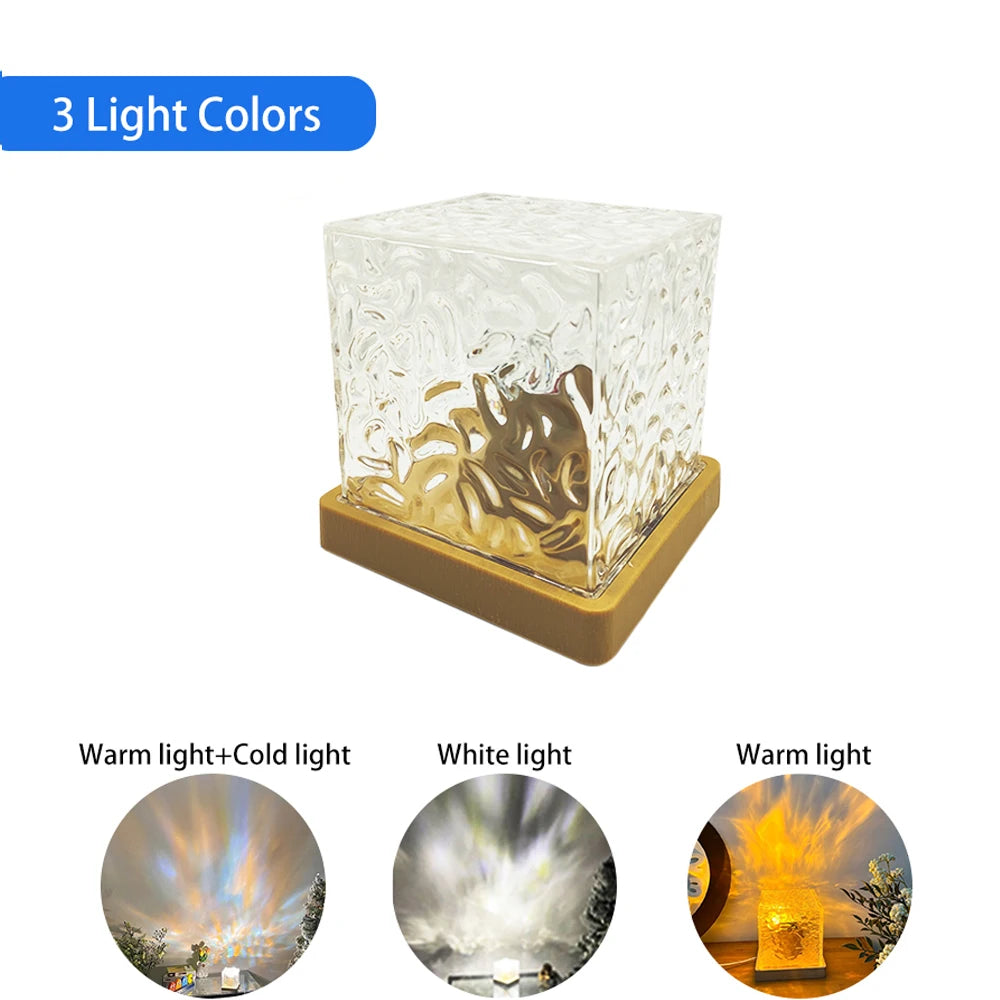
Soothing bedroom ideas reduce trouble sleeping at night — 💡 See it in action
A Calming Light That Adapts to Real Life
Trouble sleeping at night often improves when lighting feels intentional instead of harsh. One option many families explore is a water-style projection lamp that creates slow, calming movement across walls and ceilings.
Unlike static night lights, moving reflections can:
- Reduce mental overstimulation
- Create a cozy lighting for bedroom routines
- Support stress relief light needs
- Work for adults and children alike
Some parents incorporate this style of lighting during wind-down time, then switch it off once everyone feels relaxed.
Explore calming projection lighting: Water Ripple Projector Lamp
Families often combine lighting with comfort-focused items from Beauty & Wellness or sleep-supporting options in Sleep & Comfort.
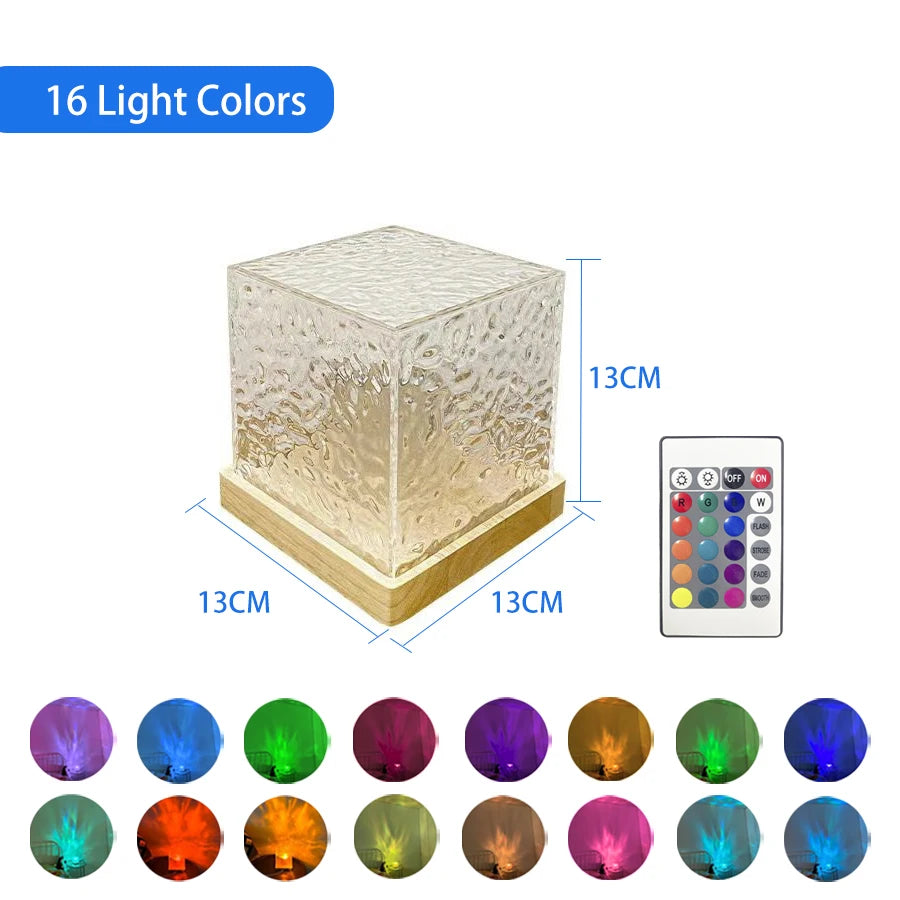
Stress relief light and ambient lighting help you sleep better with light on — 💡 See it in action
Frequently Asked Questions
Can lighting alone fix trouble sleeping at night?
Lighting won’t solve every sleep issue, but it strongly influences how quickly your body relaxes. Many people see noticeable improvements when they switch to softer, warmer, and more intentional lighting in the evening.
Is it okay to leave a light on all night?
Yes, if the light is dim, warm, and indirect. Red or amber tones placed low in the room are least disruptive and can be helpful for safety or comfort.
Do projection lights help adults too?
Yes. While often associated with children’s rooms, slow-moving projection lights are commonly used by adults who struggle with anxiety, racing thoughts, or stress-related insomnia.





