

Trouble Sleeping Due to Stress Solutions That Fit Your Life
Can trouble sleeping due to stress really be fixed without medication?
Trouble sleeping due to stress can often improve by adjusting your environment and nightly habits rather than relying on medication. Calmer lighting, consistent sound cues, and relaxing sounds for deep sleep help quiet stress signals in the brain, making it easier to fall asleep and stay asleep naturally.
Trouble Sleeping Due to Stress: Solutions That Fit Your Life
⏱ 7 min read
Trouble sleeping due to stress doesn’t just steal rest—it drains patience, focus, and emotional balance. If your mind races the moment your head hits the pillow, you’re not alone. This guide explores practical, science-informed ways to calm your space, your senses, and your thoughts so sleep feels possible again, even on your busiest days.
Stress-related sleep struggles are especially common for caregivers, new parents, and anyone juggling work, family, and constant notifications. The good news? You don’t need a total lifestyle overhaul. Small, realistic changes—especially in your sleep environment—can make a noticeable difference within days.
Explore a calming sleep solution designed for real life →
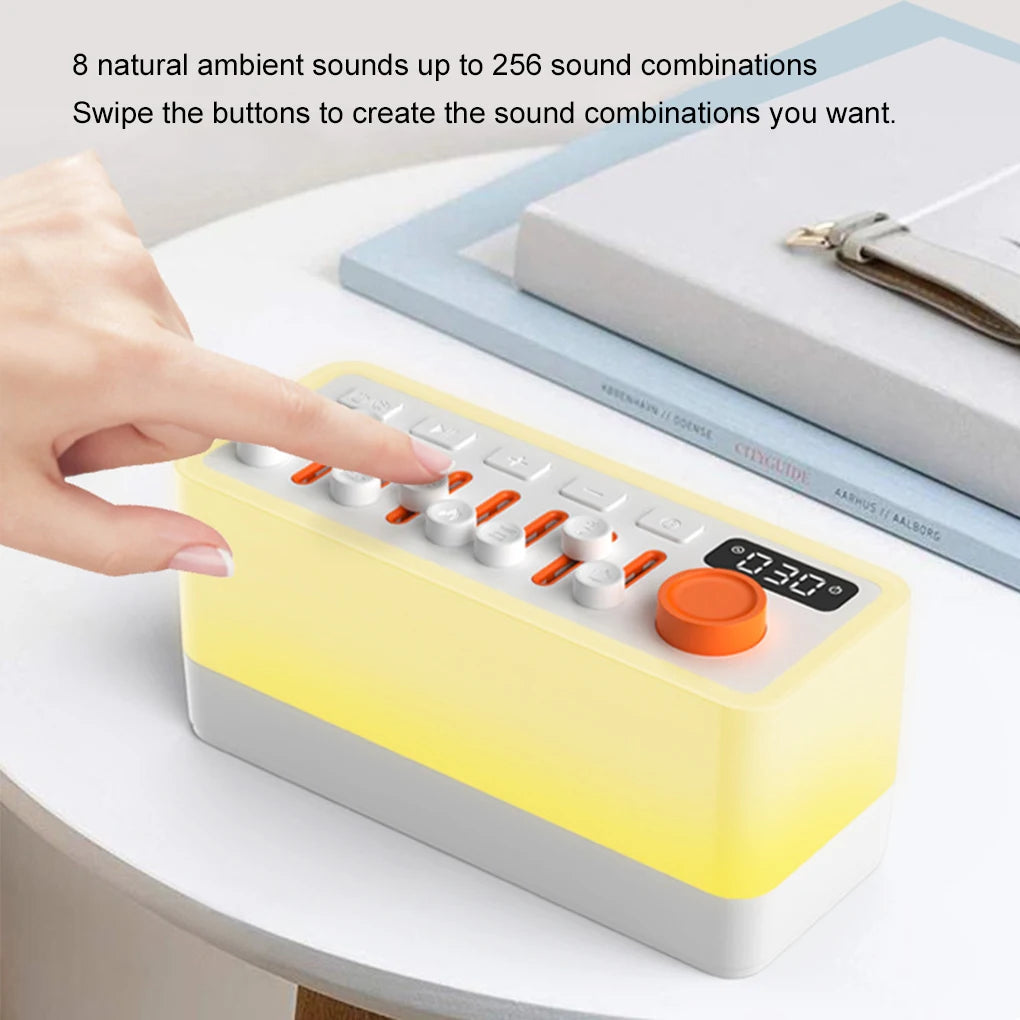
Trouble sleeping due to stress often improves with the right environment and calming audio cues. 💡 See it in action
Why Stress Disrupts Sleep So Powerfully
Trouble sleeping due to stress is rooted in biology. When stress hormones stay elevated at night, your nervous system remains alert, scanning for problems instead of powering down. Even when you’re exhausted, your body acts like it’s still daytime.
Common signs include:
- Racing thoughts at bedtime
- Light, fragmented sleep
- Waking up feeling unrefreshed
- Sensitivity to noise or light
For parents, stress often layers: concern for a baby’s safety, unpredictable schedules, and constant decision-making. That’s why calming the environment matters as much as calming the mind.
How Insomnia Environment Setup Supports Rest
Trouble sleeping due to stress often improves when the bedroom sends clear “safe to rest” signals. Insomnia environment setup focuses on reducing stimulation and creating consistency so your brain knows what to expect.
Key elements of a calming setup
- Soft, warm lighting instead of bright overhead lights
- Consistent background sound to mask sudden noise
- Comfortable temperature and breathable bedding
- Minimal visual clutter
Many families already apply these ideas in nurseries. The same principles that help babies settle—predictability and gentle sensory input—work for adults too. That’s why collections like Sleep & Comfort and Massage & Relaxation often overlap with adult wellness needs.
Using White Noise to Sleep More Deeply
Trouble sleeping due to stress can feel worse in silence, when every small sound becomes a distraction. Using white noise to sleep provides a steady auditory backdrop that reduces the brain’s reactivity.
Why consistent sound helps
- Masks unpredictable noises like traffic or household sounds
- Reduces hyper-vigilance linked to stress
- Creates a familiar cue that signals bedtime
- Supports deeper, longer sleep cycles
Parents often discover this accidentally while soothing babies. Over time, the same sound becomes comforting for adults too. Many households rely on one device to support everyone’s sleep routine.
See how gentle sound and light can work together →
Relaxing Sounds for Deep Sleep Explained
Not all sounds are equal. Relaxing sounds for deep sleep tend to be lower, slower, and more predictable than everyday noise. They help shift the nervous system from alert to relaxed.
| Sound Type | Best For | Why It Helps |
|---|---|---|
| White noise | Light sleepers | Masks sudden changes |
| Nature sounds | Anxiety relief | Triggers calming associations |
| Soft rhythms | Stress recovery | Encourages slower breathing |
Consistency matters more than volume. Keeping the same sound each night trains your brain to relax faster over time.
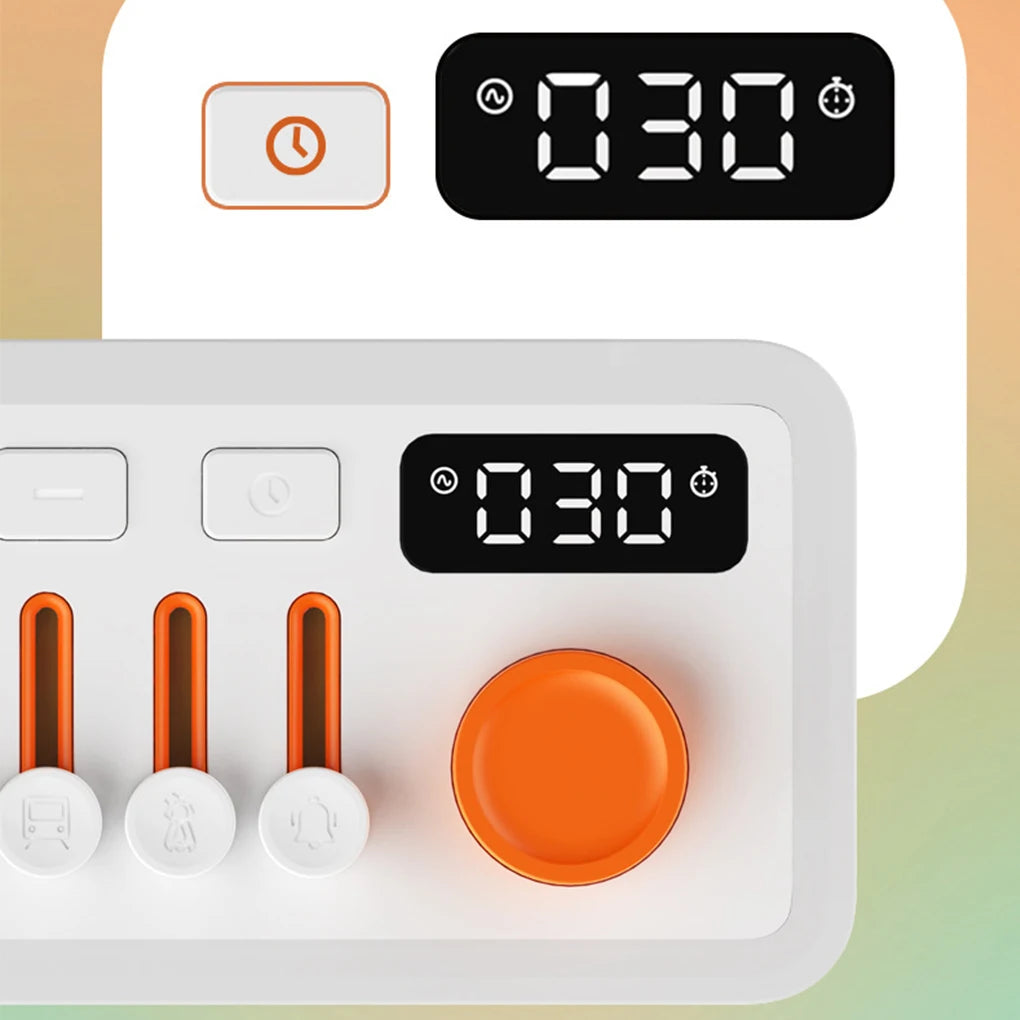
Using white noise to sleep helps mask stress triggers and supports deeper rest. 💡 See it in action
Daytime Habits That Reduce Nighttime Stress
Trouble sleeping due to stress doesn’t start at bedtime. What you do during the day shapes how easily your body unwinds at night.
- Short movement breaks to release tension
- Limiting caffeine after early afternoon
- Evening routines that repeat nightly
- Gentle stretches or breathing exercises
These habits don’t need to be perfect. Even one or two consistent changes can noticeably reduce sleep anxiety.
Sleep Challenges for Parents and Caregivers
Parents often experience a unique form of stress insomnia. You may fall asleep quickly, only to wake at every sound. This protective instinct is normal—but exhausting.
That’s why many families look to calming tools originally designed for children. Collections like Monitoring Devices and Smart Baby Gadgets support peace of mind, which directly improves adult sleep quality too.
One parent shared that adding consistent background sound helped them stop waking at every creak in the house, finally allowing deeper rest even with a baby monitor nearby.
Tools That Fit Busy, Stress-Filled Lives
Trouble sleeping due to stress improves most when solutions fit into real routines. Devices that combine gentle sound, soft light, and simple controls reduce nightly decision fatigue.
- Easy setup with no complicated steps
- Customizable sound options
- Soft night lighting for nighttime checks
- Compact design for shared bedrooms
Many adults discover that a single sleep aid supports both personal rest and family routines, reducing clutter and mental load.
Bring a sense of calm back to bedtime →
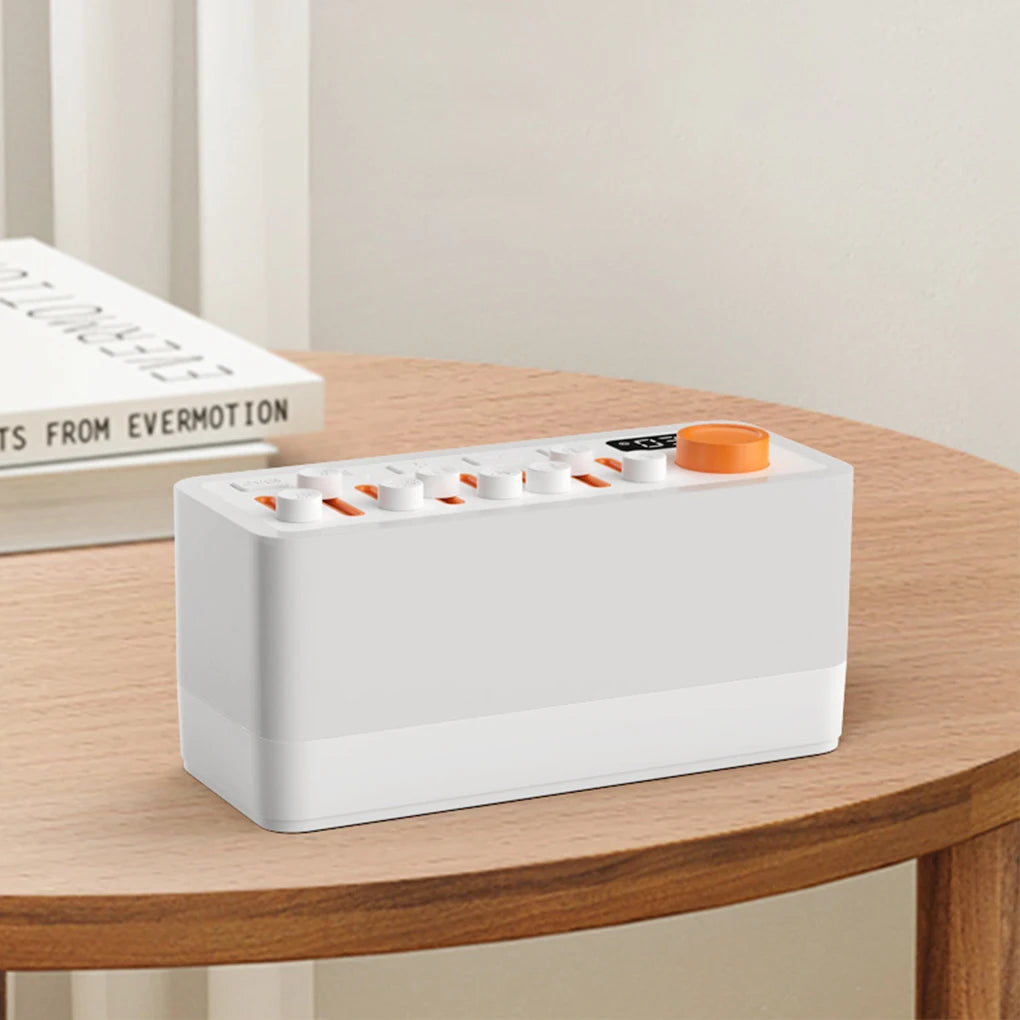
Relaxing sounds for deep sleep help transform stressful nights into restorative rest. 💡 See it in action
Quick FAQs
Why does stress cause insomnia even when I’m tired?
Trouble sleeping due to stress happens because stress hormones keep the nervous system alert. Even with physical fatigue, the brain stays active, delaying sleep onset and causing frequent waking.
Is white noise safe to use every night?
Using white noise to sleep is generally safe at moderate volumes. Consistent, low-level sound can support relaxation without overstimulating the brain.
How long does it take to see improvement?
Many people notice changes within a few nights of improving insomnia environment setup. Consistency over one to two weeks often leads to deeper, more reliable sleep.





